
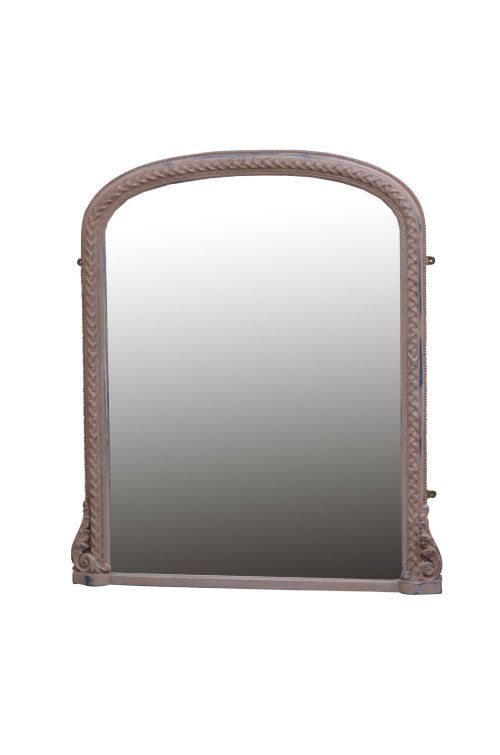
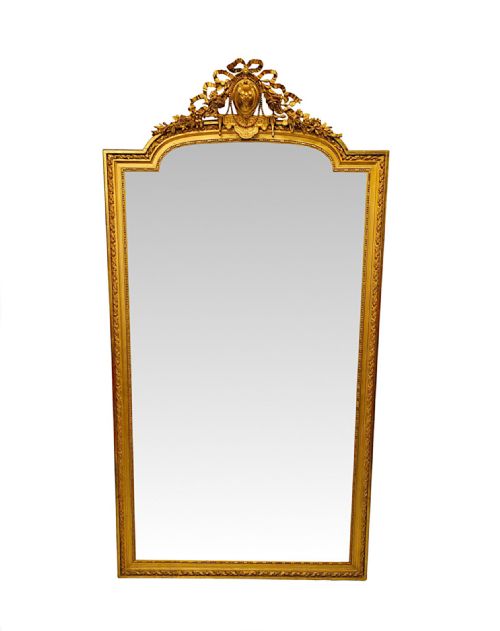


Antique French Mantle Mirror
An antique french mantle mirror brings dramatic scale and luminous reflection above a hearth, anchoring a room with period proportion.
Forms and Origins
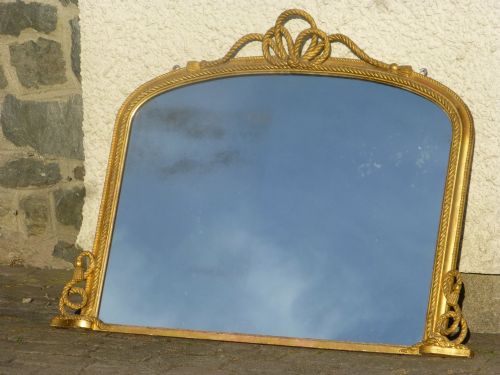
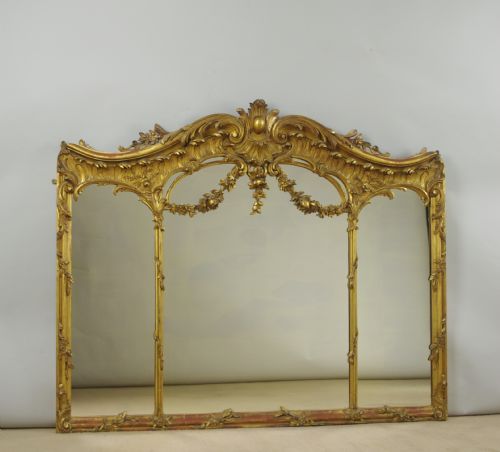
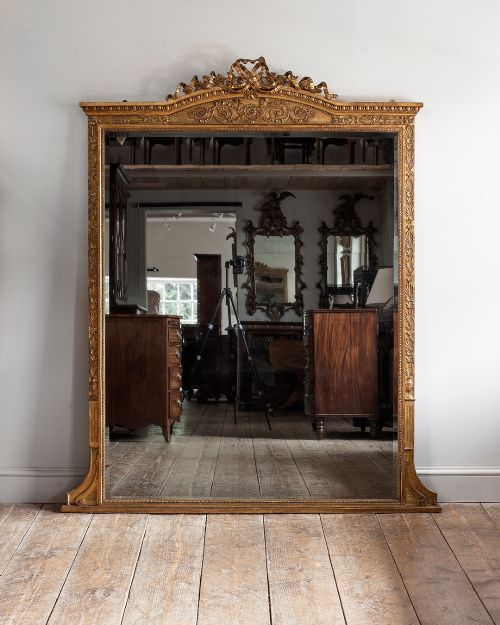
An antique french mantle mirror sits naturally above a fireplace, designed to bounce light around a reception room while adding architectural weight. The examples found here span the Victorian era and the mid nineteenth century, capturing the decorative spirit of French chateaux.
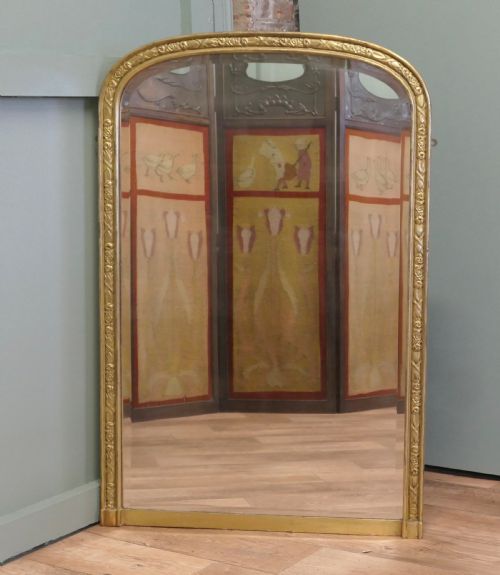
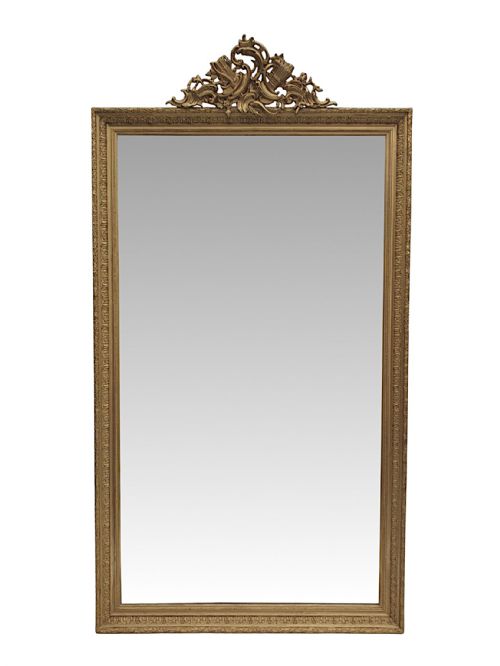
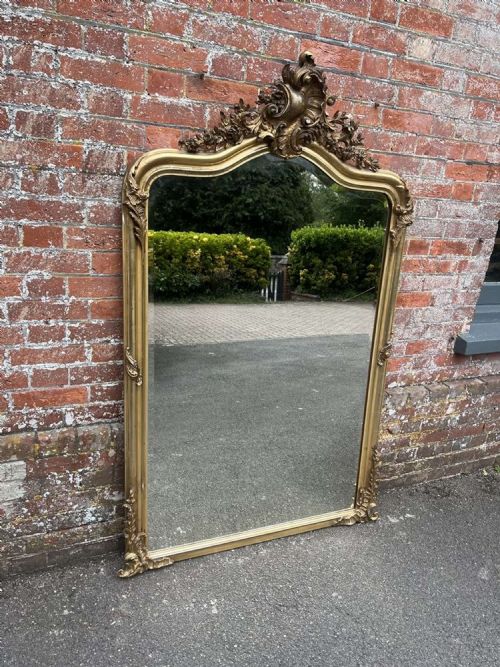
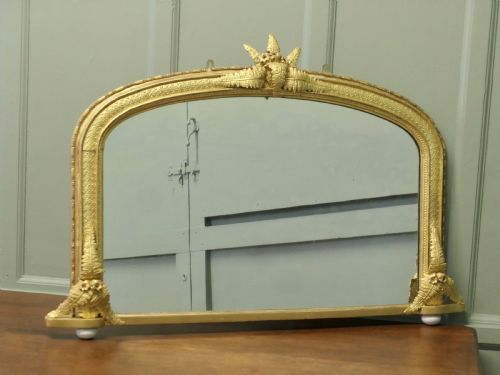
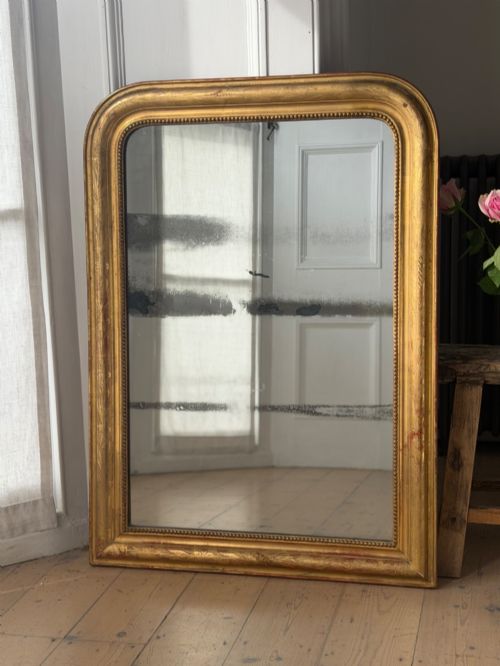
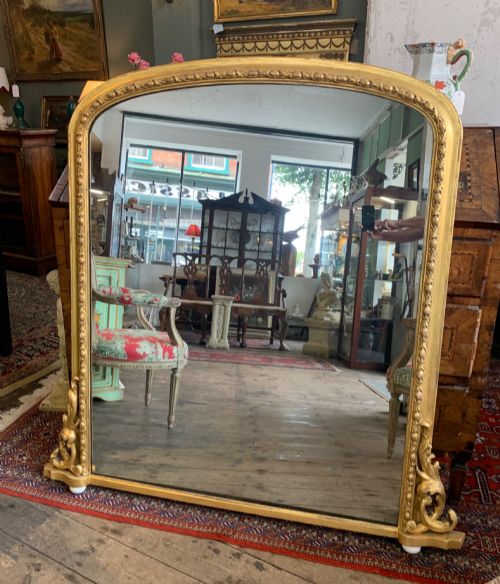
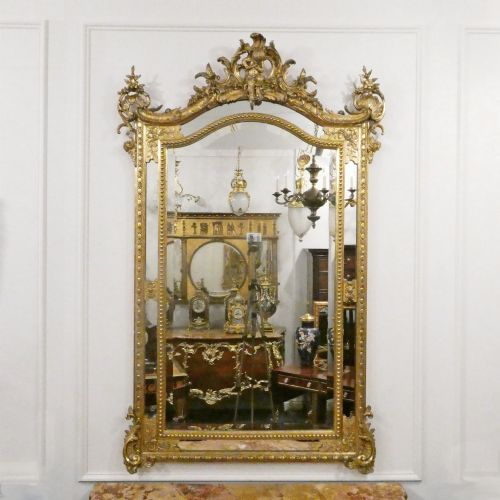
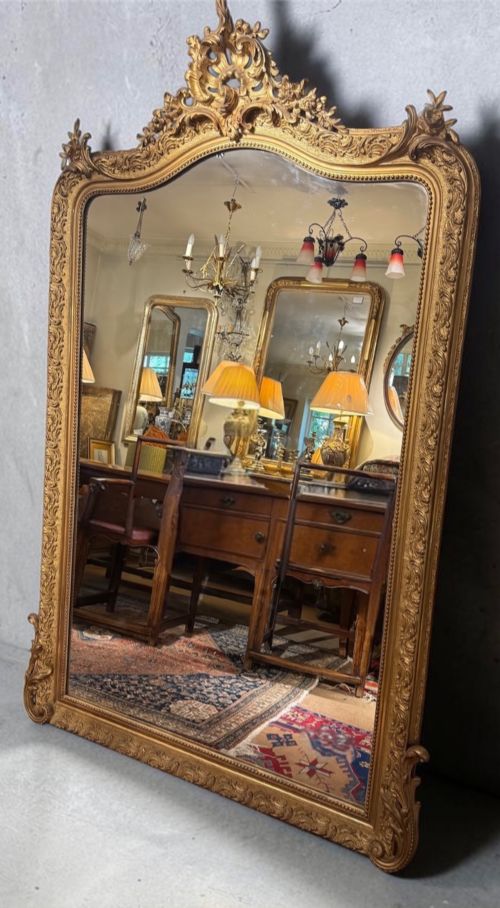
Most pieces encountered on this page belong to the Louis Philippe style or general nineteenth century French designs, often featuring generous proportions suitable for an overmantle placement. Formats range from rectangular wall mirrors to arched top pieces and trumeau designs incorporating oil paintings.
Makers and craftsmen of the period constructed these wall mirrors to command attention, utilising substantial wooden frames that could support intricate surface decoration. Whether finished in bright gilding or painted surfaces, the overarching purpose remains the integration of mirror glass with architectural presence.
Materials and Construction
The construction of these mirrors typically relies on a core of carved wood or oak, providing a sturdy skeleton to bear the weight of heavy glass. Artisans applied layers of gesso over the wood substrate to build up decorative mouldings, crests and frames before adding final finishes.
Surface treatments recorded in the evidence include gold leaf, giltwood, paint and ebonised detailing, alongside specialised formats incorporating oil on canvas seascapes. Mirror glass is set within these frames, often retaining original glazing that shows the subtle irregularities of nineteenth century manufacture.
Retail Price Guide 2026
Typical UK retail prices for french mantle mirror, calculated from the Sellingantiques database of over a million retail prices indexed since 2003. This retail price guide relies exclusively on Sellingantiques data; no external sources or auction records are used, so the figures do not describe the wider market.
Design styles span Louis Philippe, Victorian, and French Chateau aesthetics.
Judging Quality
Quality in these mirrors rests upon the depth and crispness of the carved wood and gesso ornamentation, where sharper botanical or scroll motifs indicate skilled handwork rather than mass production. The integrity of the original gilding or painted surface also dictates the piece's visual weight and authenticity.
The presence of original mirror glass and secondary elements like oil paintings elevates a piece, as does the survival of uncompromised structural joints within the wooden frame. Subtleties in the proportion of the arched top or crested frame separate standard utility pieces from more ambitious decorative examples.
The Antique French Mantle Mirror Glossary
- Trumeau
- A decorative wall mirror or panel that frequently incorporates an oil painting above the glass. These were designed to sit between windows or above a mantelpiece in traditional French interiors.
- Gesso
- A plaster mixture applied to wood frames to create a smooth surface for gilding or painting. It allows craftsmen to mould intricate relief patterns and decorative motifs.
- Giltwood
- Wood that has been coated with gold leaf or metal leaf powder. It creates a luminous, reflective surface that catches hearth firelight.
- Overmantle
- A large mirror specifically proportioned to hang on the wall directly above a fireplace mantel. They typically feature horizontal or vertical grandeur to balance the hearth below.
- Louis Philippe
- A mid nineteenth century French style characterised by clean, understated curves, rounded upper corners, and restrained ornamentation. It bridges classical formality and comfortable domestic interiors.
Frequently Asked Questions
How do I hang a heavy overmantle mirror?
Due to the substantial weight of carved wood and gesso frames, secure wall fixings directly into structural studs or masonry are essential.
Professional mirror hangers often utilise French cleats or heavy-duty brackets rated for significant loads to ensure the piece stays firmly anchored.
Are the mirror plates original?
Many nineteenth century pieces retain their original mirror glass, which can exhibit characteristic foxing, light oxidation, and minor silvering losses.
These age spots and slight distortions confirm the authenticity of the glass without detracting from the decorative reflection.
How do I clean an antique gilt frame?
Giltwood and gesso surfaces require gentle dusting with a soft, dry brush to remove accumulated particles without disturbing fragile leaf.
Water and chemical cleaning agents should be avoided entirely to prevent softening the underlying gesso and removing historical finishes.