
Antique French Lamp Bases
Antique French lamp bases bring warmth and sculptural elegance to a room, turning practical lighting into a decorative centrepiece.
Antique French Lamp Bases
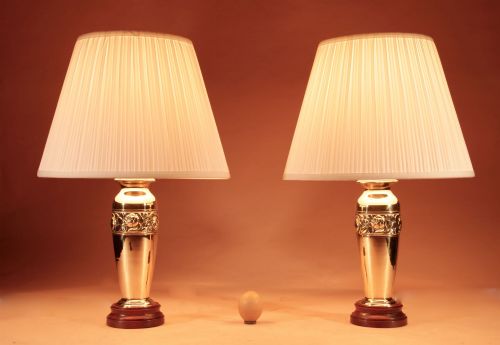
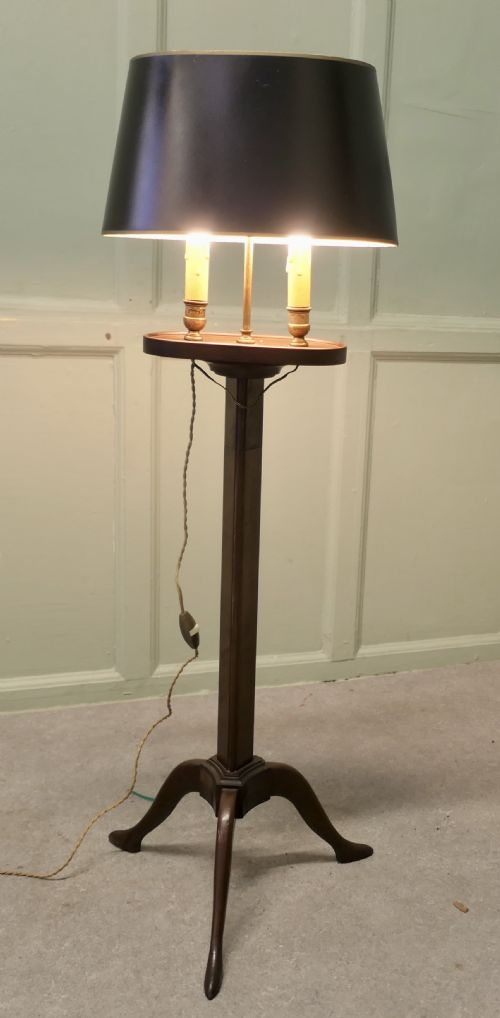
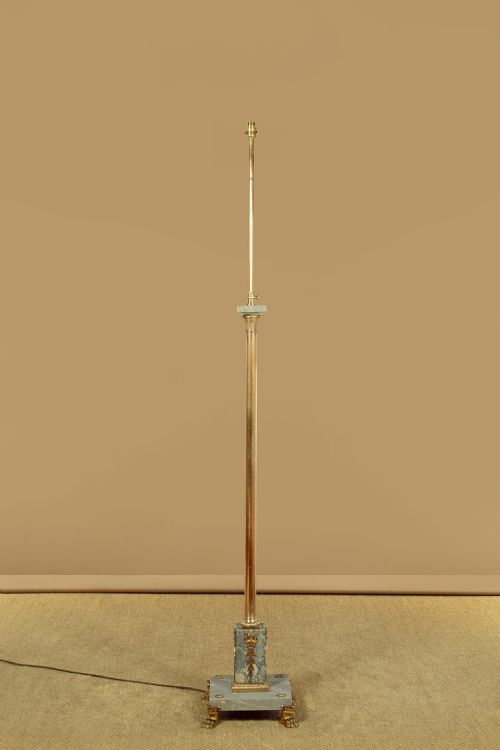
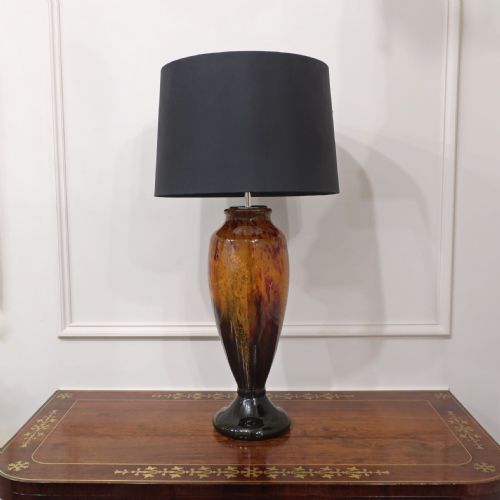
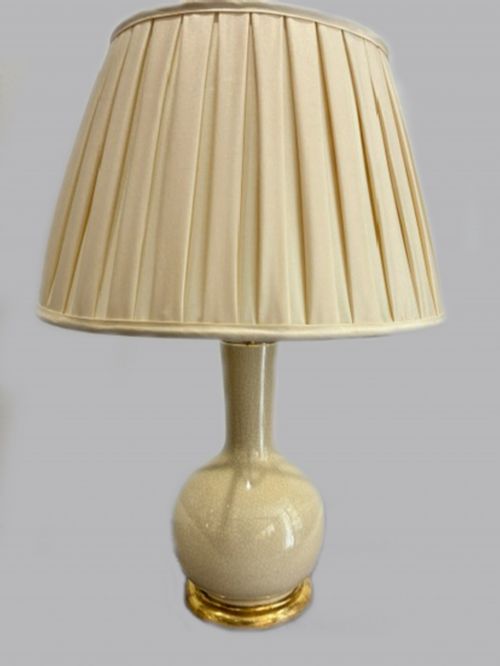
When you search for antique french lamp bases, you encounter a diverse selection of lighting fixtures and converted candlesticks dating from the nineteenth and early twentieth centuries. These pieces encompass various forms, including table lamps, floor lamps, and occasional tables adapted for illumination.
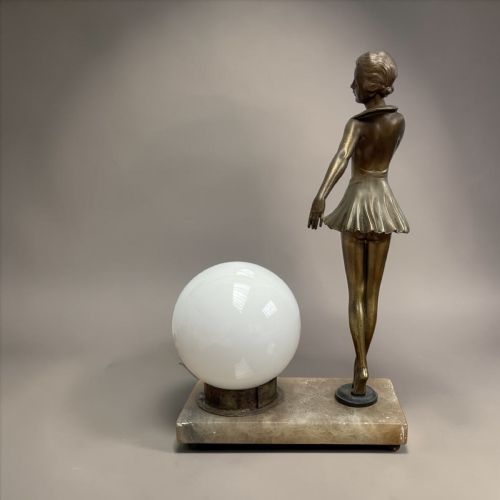
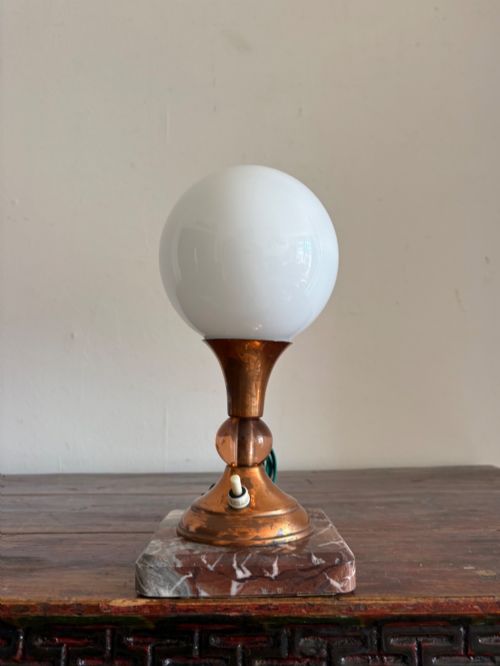
The assortment on this page draws heavily from the nineteenth century through the 1930s, reflecting classical revival styles as well as later modern movements. Buyers frequently meet pairs of matched pieces, alongside singular sculptural figures and novelty designs from the Art Deco period.
How they were made
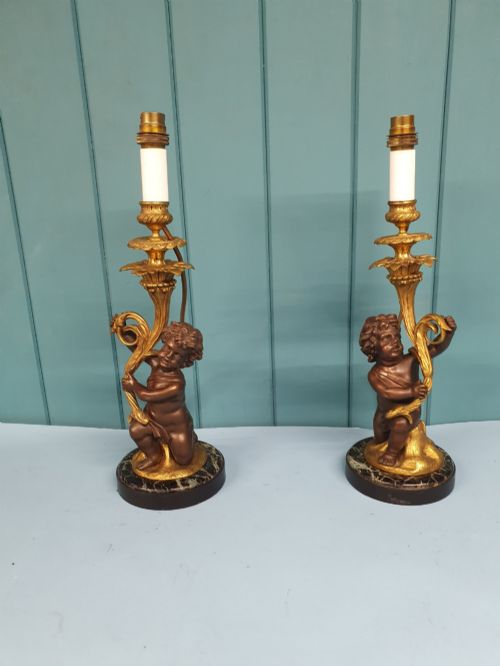
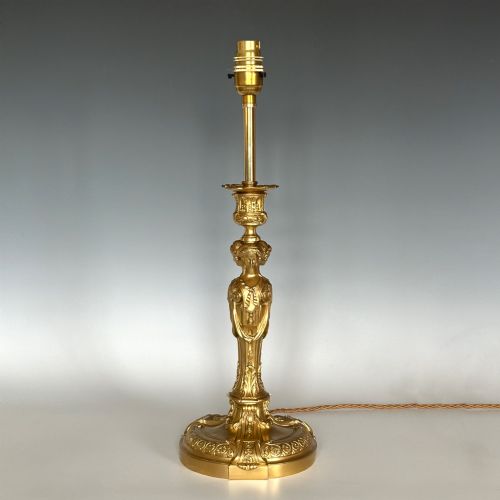
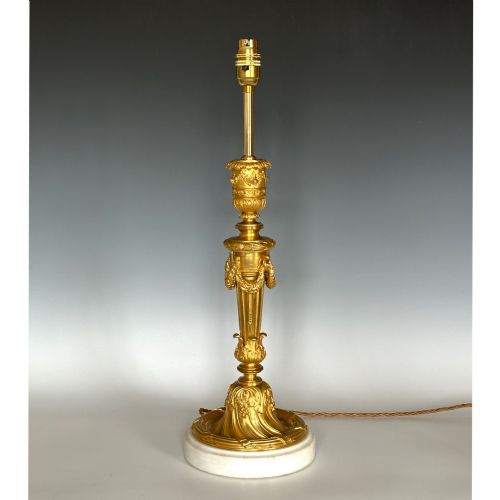
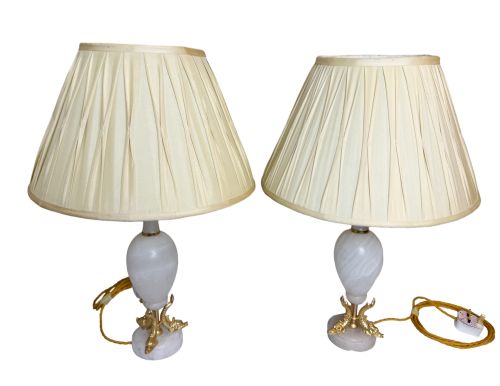
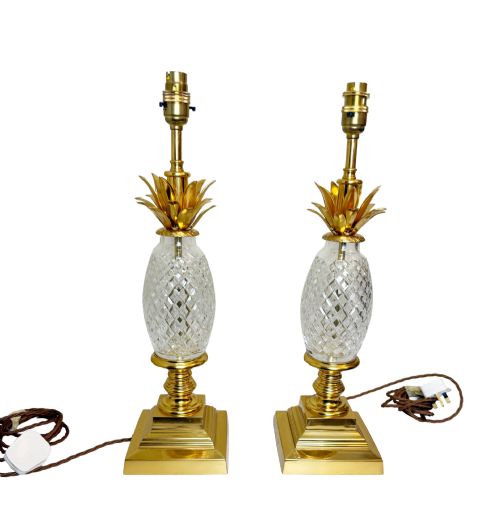
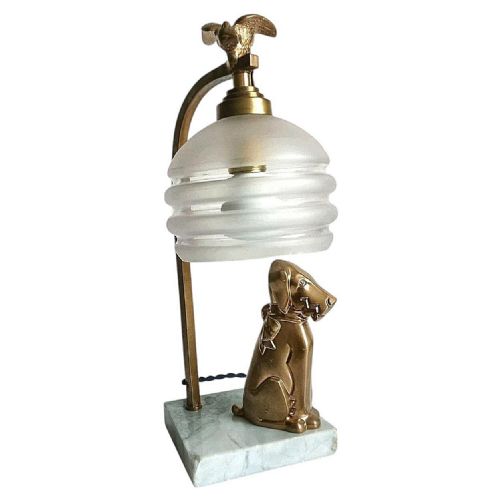
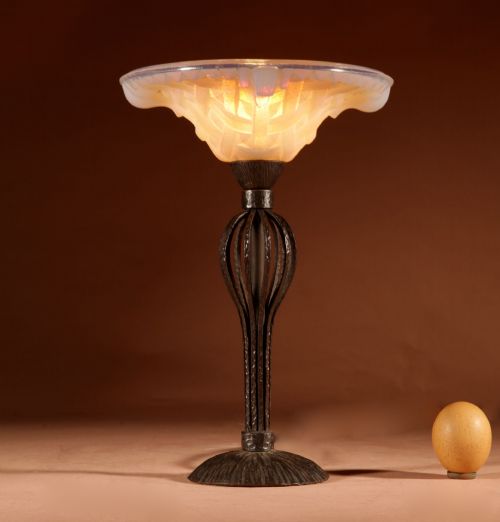
Maker workshops utilised a combination of cast metals such as bronze, brass, ormolu, and spelter, frequently mounting them on heavy marble or onyx bases for stability. Artisans combined these metallic elements with hand-blown glass, crystal, and opaline shades to diffuse light softly.
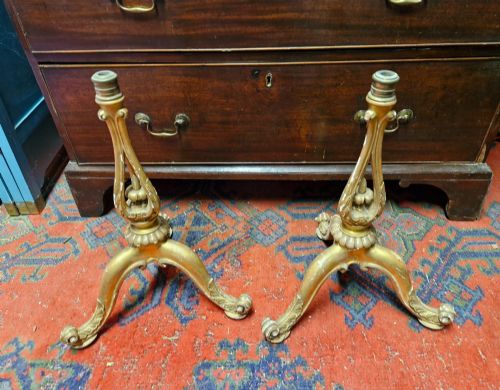
Surface decoration involved meticulous gilding, patination, and wrought ironwork, alongside the incorporation of carved wood, mahogany, and fabric components. Many items began life as church candlesticks, statuettes, or bouillotte lamps before undergoing later conversion into electrical table lamps.
A few whimsical dogs and parrots sneak into the lighting lineup to keep things cheerful.
What varies in quality
Quality in these lighting fixtures reveals itself in the crispness of the casting detail and the weight of the materials used in the construction. Finer examples display deeply chased bronze or ormolu mounts, genuine marble plinths, and high-grade art glass shades signed by period makers.
The integrity of the conversion work and the preservation of original patination also distinguish superior items from standard production pieces. Heavier gauge metals and balanced proportions indicate higher workshop standards during the manufacturing process.
Daum·Lalique·Lacroix·Dugourc
The Antique French Lamp Bases Glossary
- Ormolu
- A gilded bronze technique utilising a mercury amalgam applied to cast brass or bronze. This method imparts a rich, lasting golden surface common in classical revival pieces.
- Opaline glass
- A pale, translucent milk glass developed in France during the nineteenth century. It diffuses light effectively and appears frequently in period lamp shades.
- Spelter
- A zinc alloy utilised as a less expensive alternative to bronze for decorative statuary and lamp bases. It takes metallic finishes well but possesses a lighter physical weight.
- Gueridon
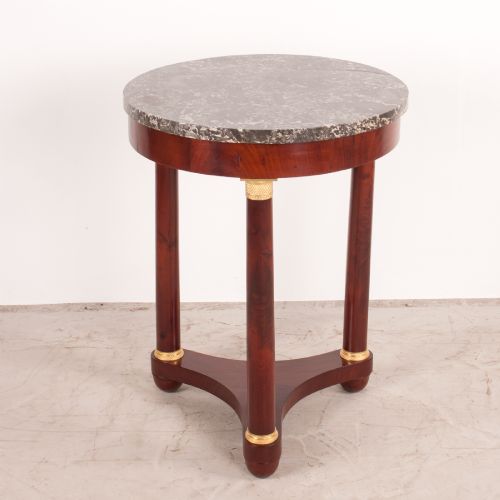
- A small French occasional or centre table, often round with a marble top and gilt supports. Several listings feature these tables alongside direct lighting fixtures.
Antique French Lamp Bases: Frequently Asked Questions
How do I date an antique french lamp base?
Dating relies on identifying stylistic periods such as Empire, Art Nouveau, or Art Deco, alongside material choices like spelter versus cast bronze. Construction methods and wiring ports added during conversion also offer clues regarding the decade of production.
Examining the casting quality and any associated glass shades helps narrow down the manufacturing window between the nineteenth and mid-twentieth centuries.
Were these always electric lamps?
Many of these pieces began life as oil lamps, gas fixtures, or candlesticks before later conversion to electricity. Church candlesticks and bronze statuettes were routinely adapted into table lights as domestic habits changed.
This history of adaptation means that components like wiring and fittings usually reflect twentieth-century updates while the base remains antique.
How do I style a pair of lamp bases?
Matched pairs function well on side tables, console surfaces, or flanking a fireplace mantle to create symmetrical balance. Their sculptural quality allows them to serve as decorative objects even when unlit.
Selecting shades that complement the historical period of the brass, bronze, or marble base ensures a cohesive aesthetic in the room.