



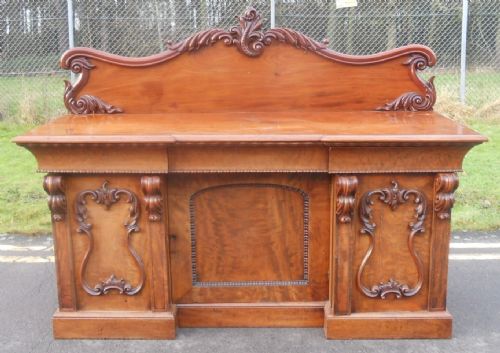
Carved Acanthus Leaf Bases
These carved acanthus leaf bases are robust supports carved with classical foliage, offering timeless architectural character to tables, lamps and stands.
Carved Acanthus Leaf Bases
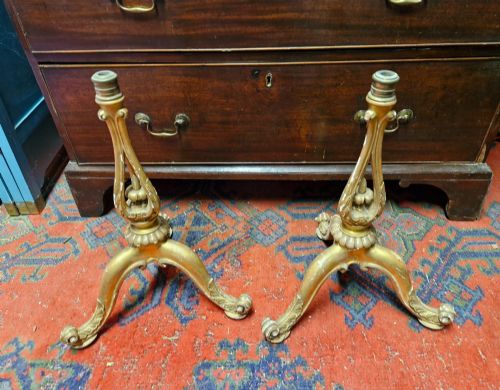
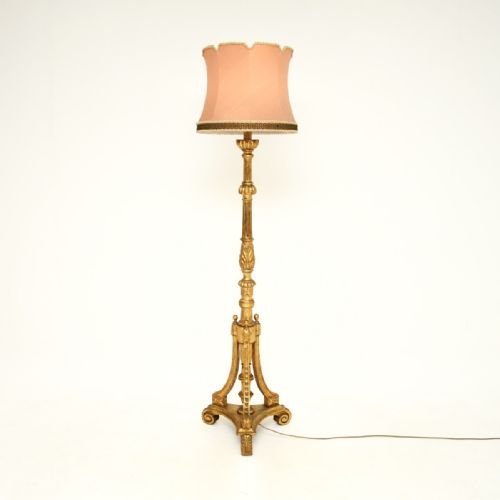
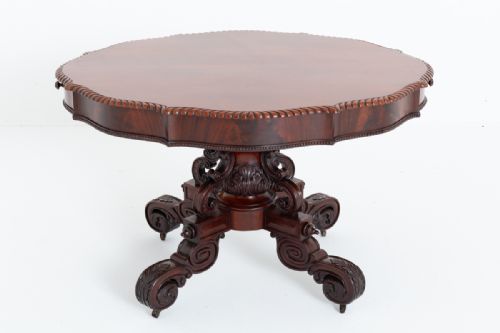
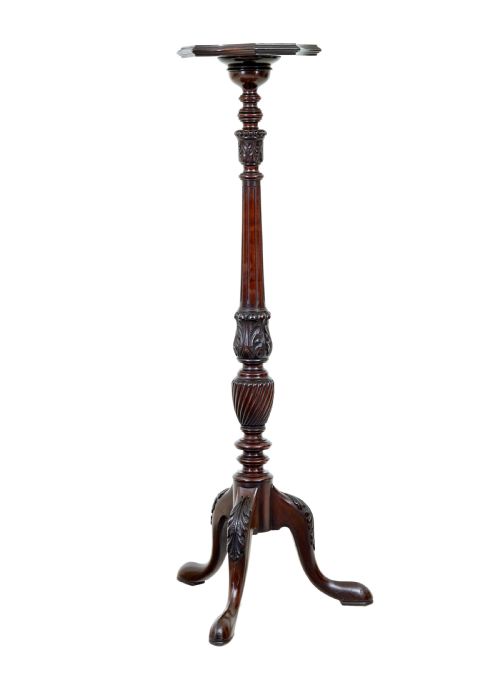
When you search for carved acanthus leaf bases, you encounter architectural supports and furniture components drawn from periods spanning the nineteenth and early twentieth centuries. These pieces manifest across various forms including centre tables, floor lamps, table lamps, candlesticks, plant stands and sideboards.
The selections on this page predominantly present in mahogany, rosewood and giltwood, reflecting Georgian Revival, Victorian, Regency and Baroque Revival styles. Such items serve both structural and decorative roles within period interiors, anchoring larger furnishings or functioning as standalone display pieces.
How they were made
The fabrication of these items relies heavily on traditional woodworking techniques applied to dense timbers like mahogany and rosewood, alongside softer woods prepared for gilding. Artisans hand-carved the foliage motifs directly into the solid timber or gesso layers, achieving crisp relief and deep undercut details.
Surface finishes recorded in the evidence include silver leaf, parcel gilt accents, paint and polished wood veneers. Metal elements such as brass components and metal prickets are integrated into the lighting pieces to ensure functional durability alongside decorative appeal.
Current listings demonstrate a concentration of Victorian and early twentieth-century pieces, utilising mahogany, giltwood, and rosewood across tables and lamp bases.
What varies in quality
The distinction between standard and superior examples lies primarily in the crispness and depth of the foliage carving. Deeply undercut acanthus leaves demonstrate a higher level of artisan skill than shallow, machine-smoothed contours.
Material selection and surface preservation further differentiate the range. Original giltwood and carefully preserved parcel gilt surfaces exhibit a richer patination compared to later repainted or heavily restored finishes.
The Carved Acanthus Leaf Bases Glossary
- Acanthus leaf
- A classical ornament based on the Mediterranean plant with spiny leaves, widely used in architectural and furniture carving. It provides the defining motif for these sculptural bases.
- Giltwood
- Timber that has been coated with gold leaf or metal leaf over a prepared gesso ground. This finish was favoured for formal French and revival styles.
- Parcel gilt
- A decorative technique where specific portions of an object are gilded while the remaining surface displays polished wood. It highlights particular carved details like foliage.
- Pricket
- A sharp metal spike on a candlestick or lamp base designed to hold a candle in place. This feature appears on antique candle holders and related lighting fixtures.
- Veneer
- A thin layer of finer wood applied to a secondary timber base to create decorative grain patterns. Rosewood and mahogany veneers frequently appear on table components.
Carved Acanthus Leaf Bases: Frequently Asked Questions
What periods do these bases come from?
The pieces span the nineteenth century and the early twentieth century, encompassing Victorian, Regency, and various revival epochs.
Craftsmen during these eras drew heavily on classical motifs, adapting traditional foliage designs for tables, lamps, and stands.
How were these carved wooden items used?
They functioned primarily as structural supports or decorative mounts for larger furniture items, table lamps, and candlesticks.
Many pieces served to elevate lighting fixtures or display surfaces within formal rooms, combining utility with sculptural ornamentation.
What materials are typical for these objects?
Makers utilised dense hardwoods such as mahogany and rosewood, alongside softer woods finished with giltwood, silver leaf, or paint.
Metal components like brass and metal prickets also appear on the lighting pieces to secure candles or electrical fittings.
How do I identify a Regency style base?
Regency items often feature classical proportions combined with dark woods like rosewood and subtle parcel gilt highlights.
This aesthetic reflects early nineteenth-century tastes influenced by Greek and Roman archaeological discoveries.