



Antique French Horse Statue
When you search for an antique french horse statue, you encounter powerful bronzes and carved figures capturing equine spirit from the nineteenth century onward.
Antique French Horse Statue
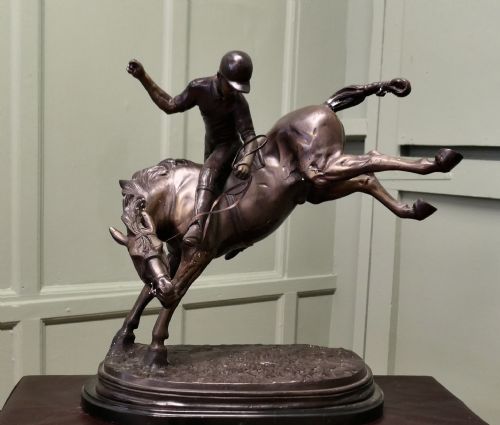
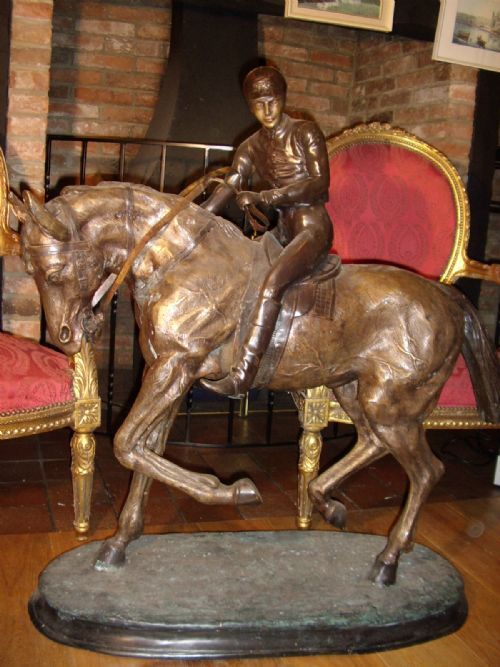
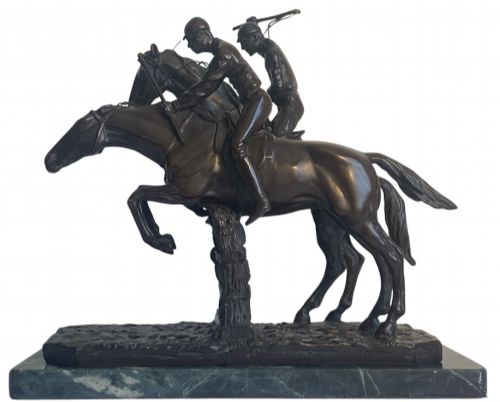
An antique french horse statue brings nineteenth-century animalier sculpture and neoclassical equestrian subjects into domestic interiors. These pieces portray stallions, race horses, polo players, and historical figures on horseback.
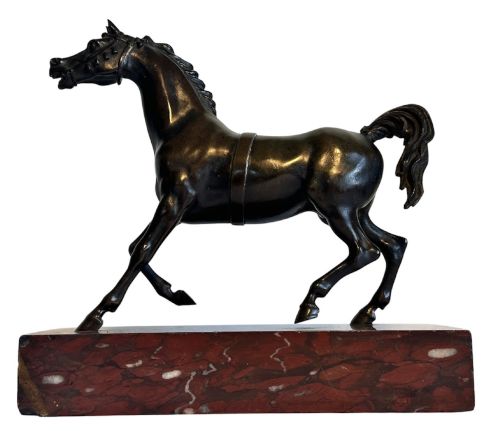
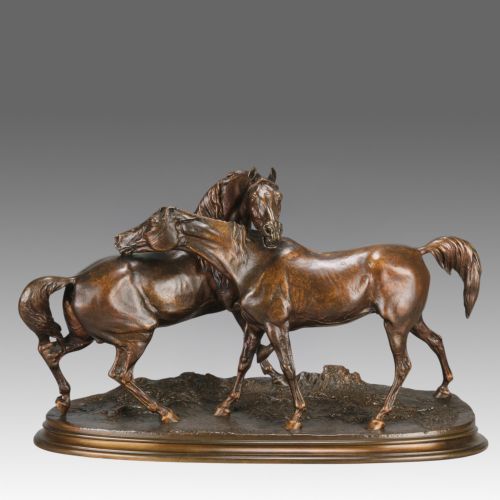
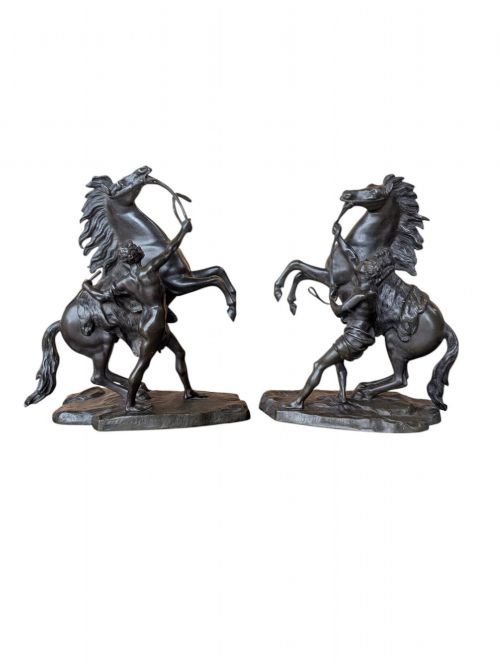
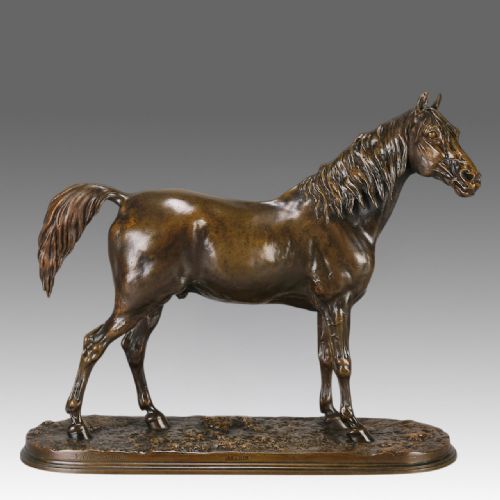
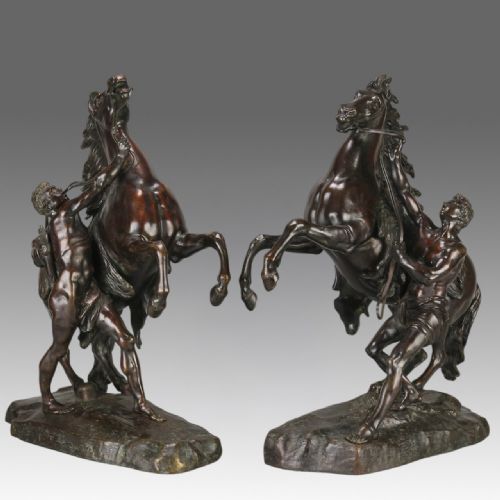
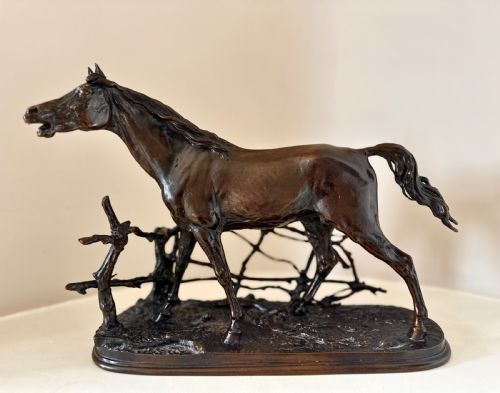
The version most commonly met on this page is the nineteenth-century bronze animalier study, often mounted on a marble base. Works depicting the Marly horses after Coustou or subjects by Pierre Jules Mêne appear frequently.
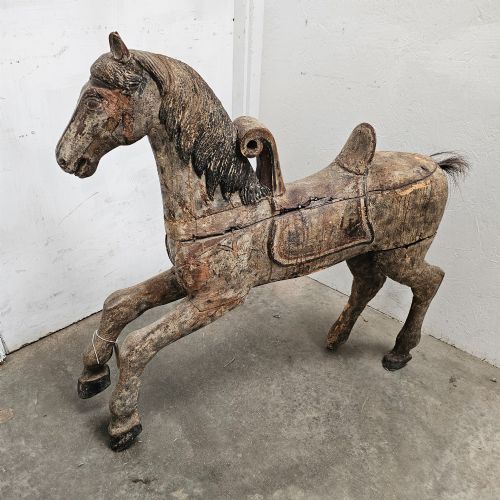
Makers and sculptors utilised specific foundry marks and signatures to record authorship, while folk art examples bring carved wood and horsehair into the category.
Materials and methods
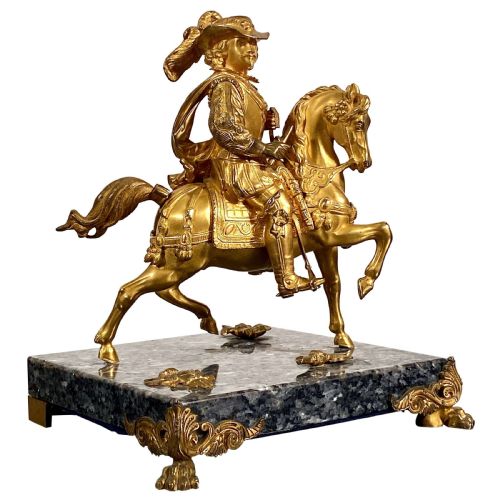
Foundries cast these pieces primarily in bronze, sometimes employing gilt bronze or ormolu for decorative statuettes and mantel clock mounts. Patinated bronze surfaces range from deep brown to dark green finishes.
Sculptors mounted many bronze figures on sienna marble or plain marble bases to provide weight and stability. Alternative materials include carved wood found in carousel figures and folk art pieces.
Casting methods allowed artists to capture muscular tension, flowing manes, and harness details with precision across the animalier and neoclassical styles.
Styles span French Animalier, French Neoclassical, French Empire, and 19th Century French Folk Art.
Evaluating quality
Quality rests in the crispness of the chase work and the subtlety of the patina. Finer casts preserve the texture of muscle, vein, and horsehair without losing detail in smoothing.
The definition in the casting of the rider's uniform, harness equipment, and the facial expression of the animal separates superior studio editions from later secondary casts.
Pierre Jules Mêne·Isidore Jules Bonheur·Charles Crozatier·Pierre Lenordez·Paul Joseph Gayrard
The Antique French Horse Statue Glossary
- Animalier
- A nineteenth-century artistic movement dedicated to the realistic portrayal of animals. Sculptors in this tradition focused on anatomical accuracy and movement.
- Marly Horses
- Monumental marble sculptures commissioned by Louis XV for the watering place at the Château de Marly. Numerous nineteenth-century bronze reductions follow Coustou's original designs.
- Patinated Bronze
- Metal treated with chemicals to produce a stable surface colour. This finish protects the bronze while enhancing depth and shadow across the sculpture.
- Ormolu
- Finely ground high-carat gold applied to a bronze base using mercury. This technique creates a rich golden decorative surface on clock mounts and statuettes.
- Sienna Marble
- A yellow decorative marble featuring dark purple or grey veining. Quarried in Italy, it provided a luxurious foundation for nineteenth-century bronze bases.
Antique French Horse Statue: Frequently Asked Questions
How do I identify a Marly horse statue?
Marly horse statues depict a rearing horse restrained by a groom, originating from the famous public sculptures by Guillaume Coustou. Nineteenth-century bronze reductions of these subjects often appear in pairs.
Look for the rearing posture and the muscular tension in both the animal and the attendant figure to confirm the subject.
What is an animalier bronze?
An animalier bronze is a nineteenth-century sculpture focused specifically on the realistic representation of animals. Artists studied movement and anatomy directly from life.
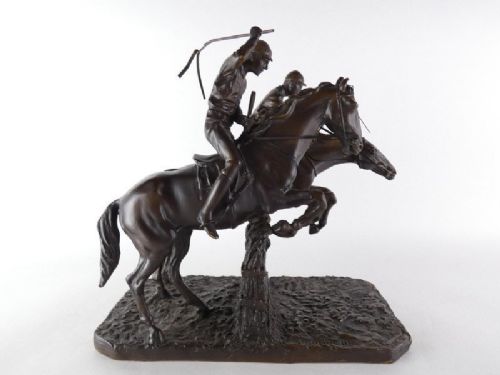
These pieces capture horses in motion, at rest, or participating in sports like polo and steeplechase.
Where should I display a heavy bronze horse?
Bronze statues mounted on marble bases require sturdy furniture capable of supporting considerable weight. Mantelpieces, sideboards, and strong pedestals provide secure placement.
Keep pieces away from direct heat sources to protect marble bases and patinated surfaces.
How do I care for antique bronze?
Dust bronze statues gently with a soft, dry cloth to prevent dirt accumulation. Avoid chemical polishes that can strip the original patinated surface.
Light application of microcrystalline wax helps protect the metal from atmospheric moisture over time.