


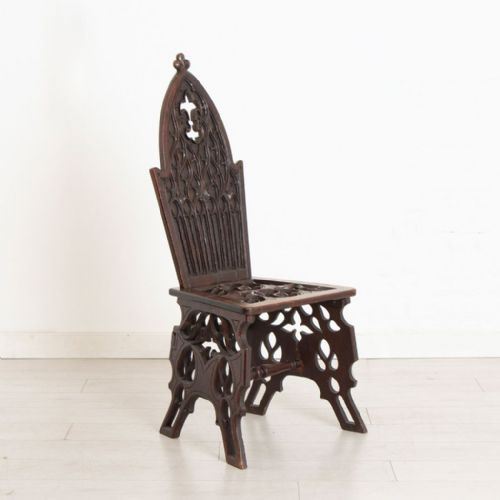


Antique French Hall Chair
An antique french hall chair brings immediate architectural presence and carved regional character to an entranceway.
Antique French Hall Chair
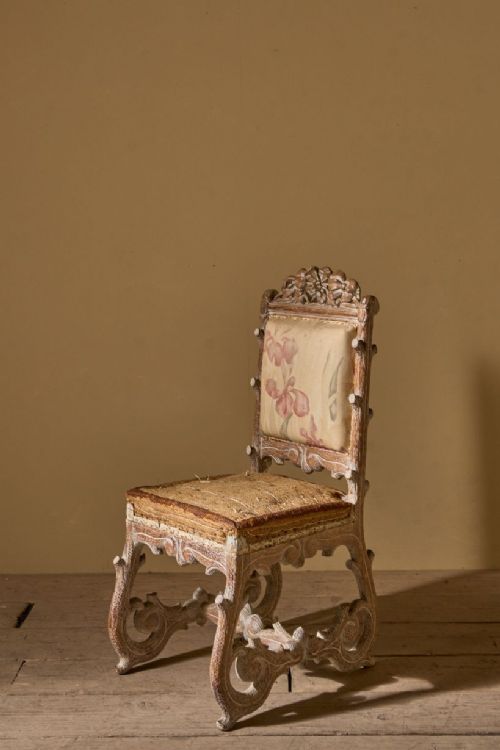
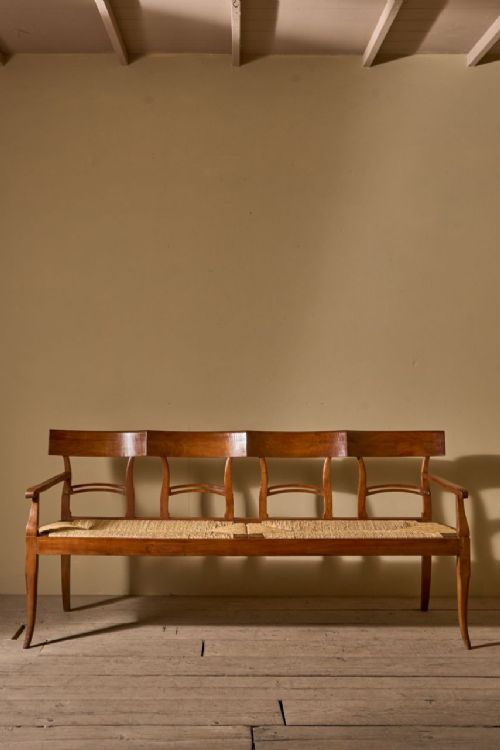
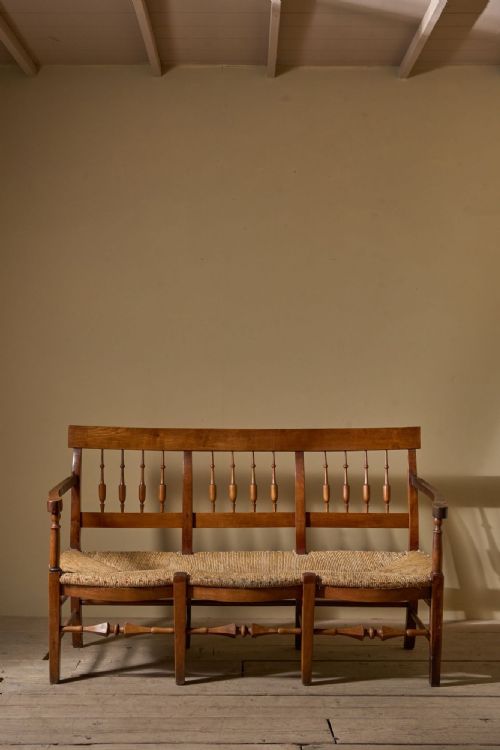
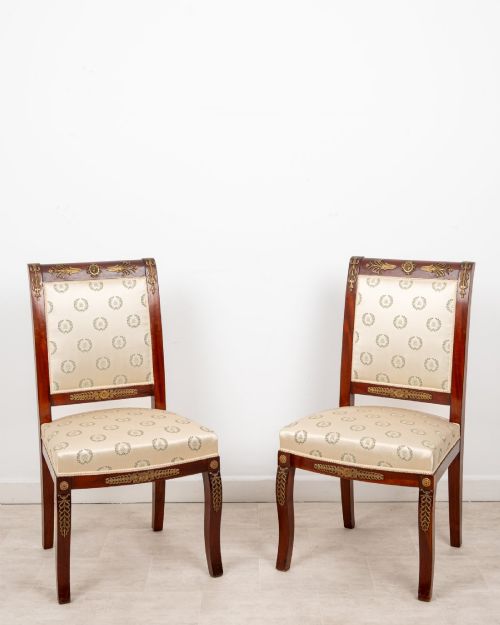
When you search for an antique french hall chair, you encounter a distinct seating form designed primarily for display and brief repose in grand entryways, hallways, and landings rather than extended lounging. The examples appearing through these listings span diverse iterations, encompassing robust cherrywood and rush-seated benches alongside carved walnut armchairs and decorative side chairs bearing regional French traits. These pieces emerge from periods ranging across the seventeenth, eighteenth, and nineteenth centuries, carrying specific stylistic vocabularies such as Louis XVI, Gothic Revival, and Empire Revival into domestic spaces.
The materials and structural frameworks of these seats demonstrate considerable variety, moving from simple rush-seated country models to heavily ornamented giltwood and mahogany pairs mounted with ormolu. Buyers frequently encounter forms labelled as side chairs, hall benches, or occasional seats, reflecting the versatile manner in which European makers addressed formal and domestic seating requirements. Whether finished in painted surfaces, faux bois, or polished hardwoods like walnut and rosewood, each item retains the upright stance and decorative backrest characteristic of seating meant for transit spaces.
Materials and Construction Methods
Makers of these seats relied heavily upon dense regional hardwoods such as walnut, cherrywood, mahogany, and oak, often shaping structural frames through traditional joinery and hand carving. Surface ornamentation frequently incorporated giltwood, polychrome paint, or simulated bamboo effects, allowing simpler timbers to emulate more costly exotic materials.
Seating surfaces diverge sharply between utilitarian woven rush and luxurious textile upholstery. While country variants utilise sturdy rush cord for simple seat pads, formal salon and hall iterations employ velvet, fabric, needlepoint, and textile coverings stretched over internal padding.
Faux bois surfaces turn ordinary timber into convincing tree bark, proving that nineteenth-century woodworkers enjoyed playing woodland jokes in the hallway.
Distinctions in Quality and Execution
The distinction between ordinary and exceptional examples rests upon the crispness of the hand carving and the integrity of the primary timber frame. Pieces featuring deeply undercut foliage, figural carving, or crisply chased ormolu mounts demonstrate a superior level of artisan input compared to mass-produced mechanical alternatives.
Proportion and structural rigidity likewise define the upper tier of these pieces. Fine seating maintains absolute balance and unyielding joints, utilising high-grade hardwoods that withstand centuries of shifting humidity without losing their sculptural silhouette.
The Antique French Hall Chair Glossary
- Fauteuil
- An open-armed upholstered armchair with exposed wooden framing around the back and armrests. This form appears frequently in walnut within formal hall and salon settings.
- Giltwood
- Timber that has been coated with a thin layer of gold leaf or gold paint. This finish creates a brilliant reflective surface seen on high-status continental decorative seating.
- Ormolu
- Cast bronze mounted details that have been gilded with gold amalgam. These decorative accents typically embellish the mahogany frames of Empire Revival pieces.
- Caquetoire
- A lightweight sixteenth or seventeenth-century conversation chair featuring a high narrow back and a trapezoidal seat. These carved walnut items afford comfortable upper-body movement during social gatherings.
Antique French Hall Chair: Frequently Asked Questions
Where were hall chairs placed?
These chairs stood primarily in entrance halls, corridors, and grand landings of large residences to serve visitors awaiting admittance.
Their upright backs and firm seats ensured they functioned as formal architectural furnishings rather than comfortable lounging chairs.
How do I identify a revival piece?
Nineteenth-century revival pieces emulate earlier seventeenth and eighteenth-century aesthetics, such as Louis XVI or Gothic styles, through mechanical woodworking advancements blended with hand finishing.
Examining the underside joinery, tool marks, and wood ageing helps distinguish these nineteenth-century interpretations from original period items.
Are rush seats original?
Many provincial benches and side chairs retain traditional rush seating woven from natural dried marsh grasses.
Over long periods, these woven pads wear through and require professional re-weaving using traditional gauges that match the original construction.
How should I clean polished wood?
Maintaining wooden frames requires dusting with a dry, soft cloth and occasionally applying traditional beeswax to nourish the timber.
Avoid modern liquid polishes or silicone sprays, which accumulate residue and soften historic surface finishes over time.