


Antique French Gueridon
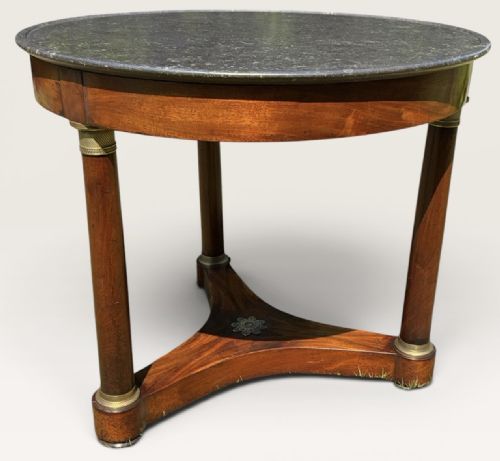
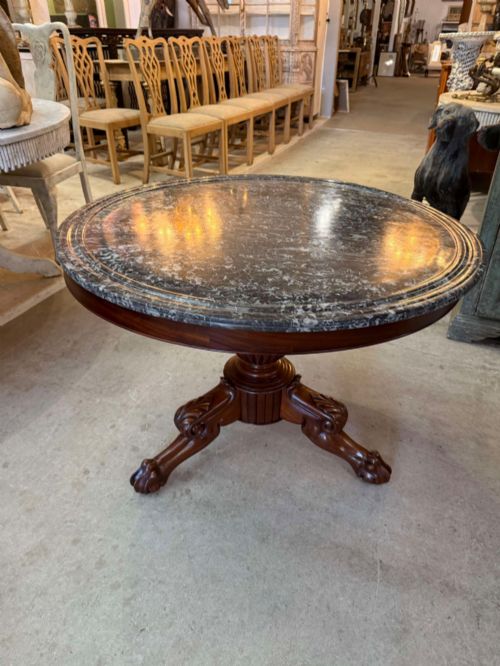
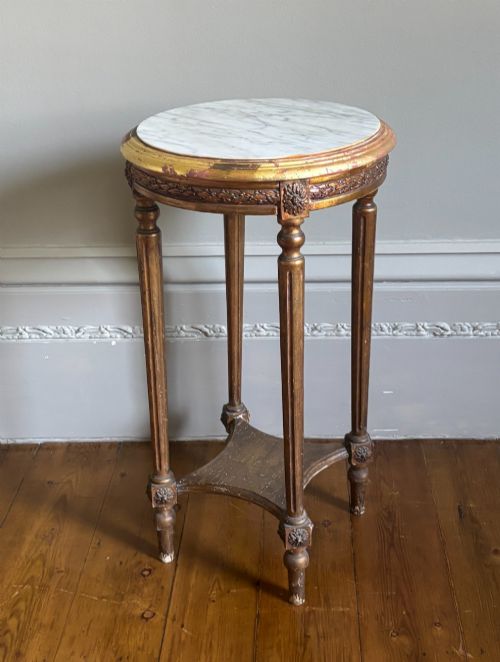
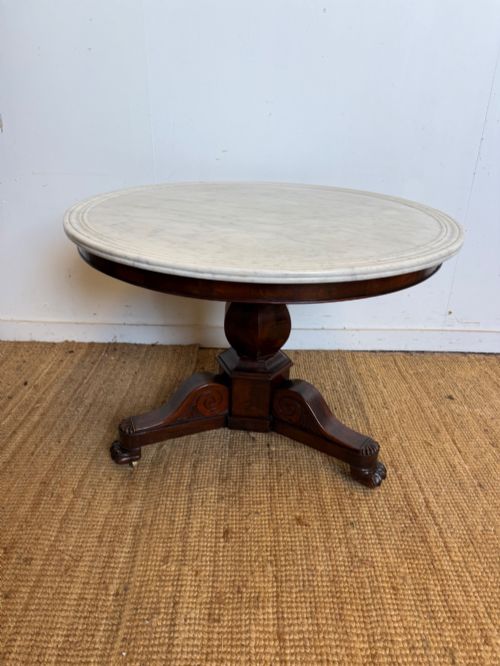
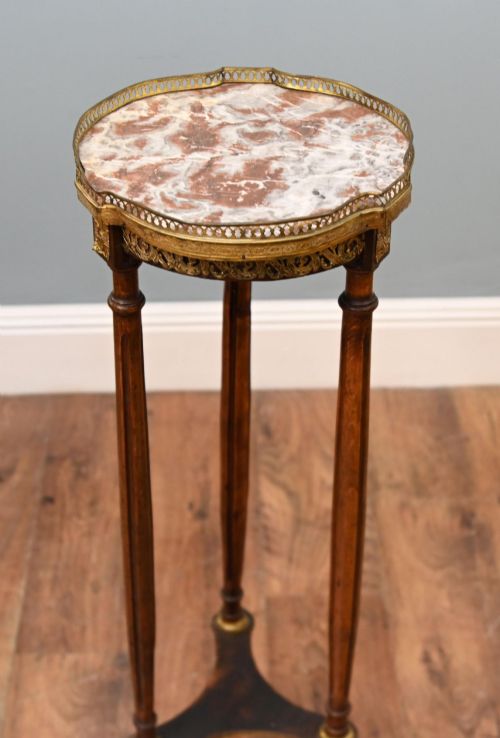
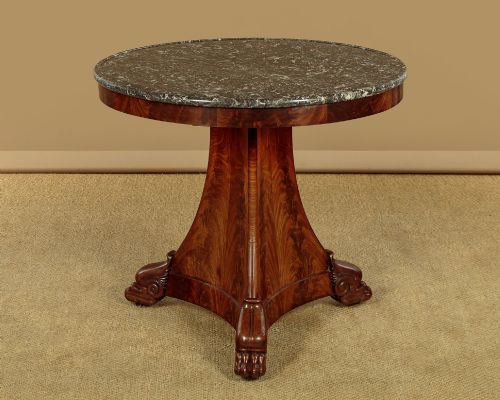
An antique french gueridon is a round table built for the centre of a room, prized for combining marble or timber tops with refined French styling.
Antique French Gueridon
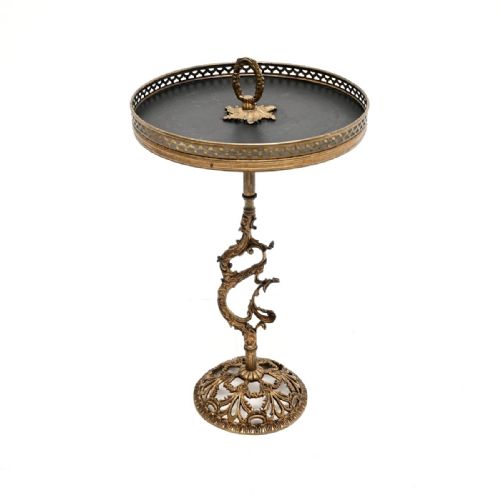
An antique french gueridon serves primarily as a centre table, occasional table, or lamp table within a room. Buyers seeking this form will find circular tables designed to stand free of walls, often featuring a prominent stone or timber surface.
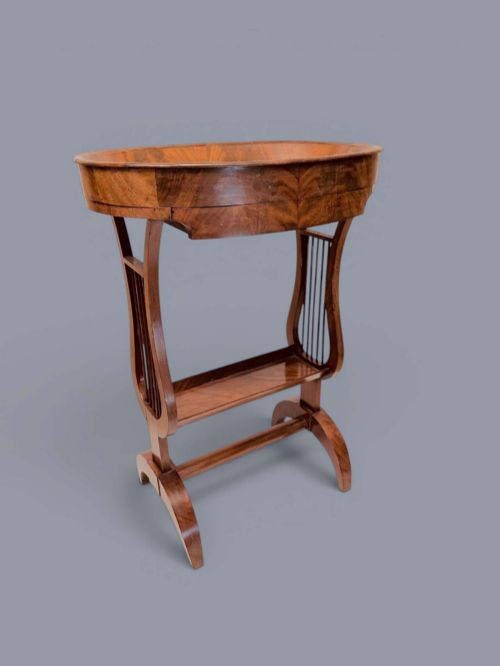
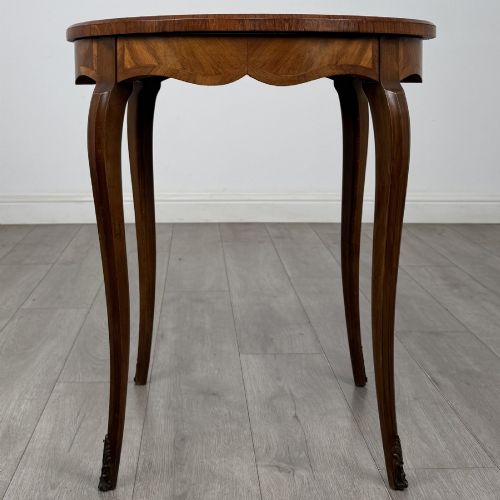
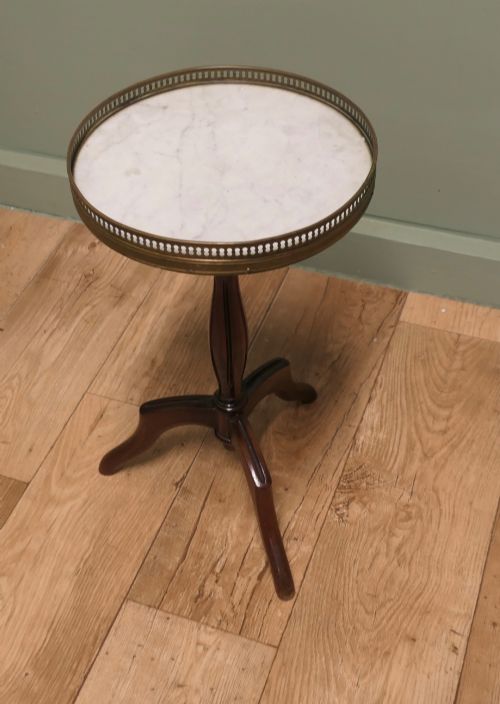
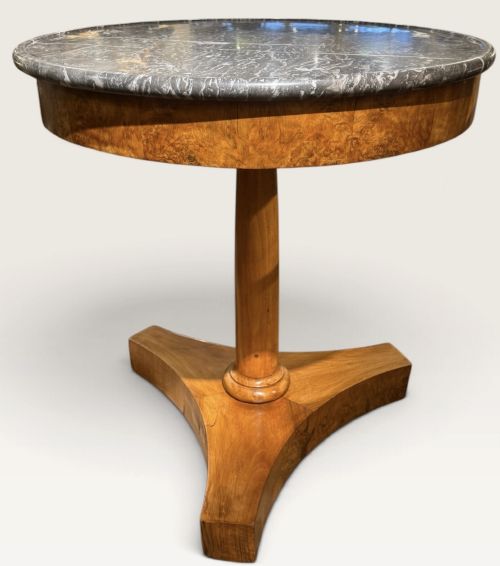
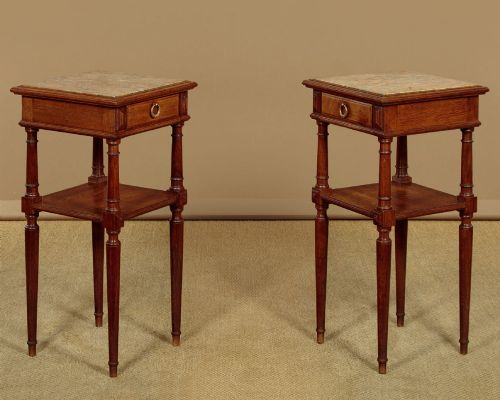
The selection here spans various 19th-century periods, alongside Edwardian and 1920s examples, reflecting styles from French Empire and Louis Philippe to Louis XV and Louis XVI revivals. Forms range from modest bistro and wine tables to large gueridon tables and plant stands.
Makers and designers working in this tradition produced tables that double as side tables or pedestals. Each piece demonstrates the characteristic circular format associated with the historic French gueridon.
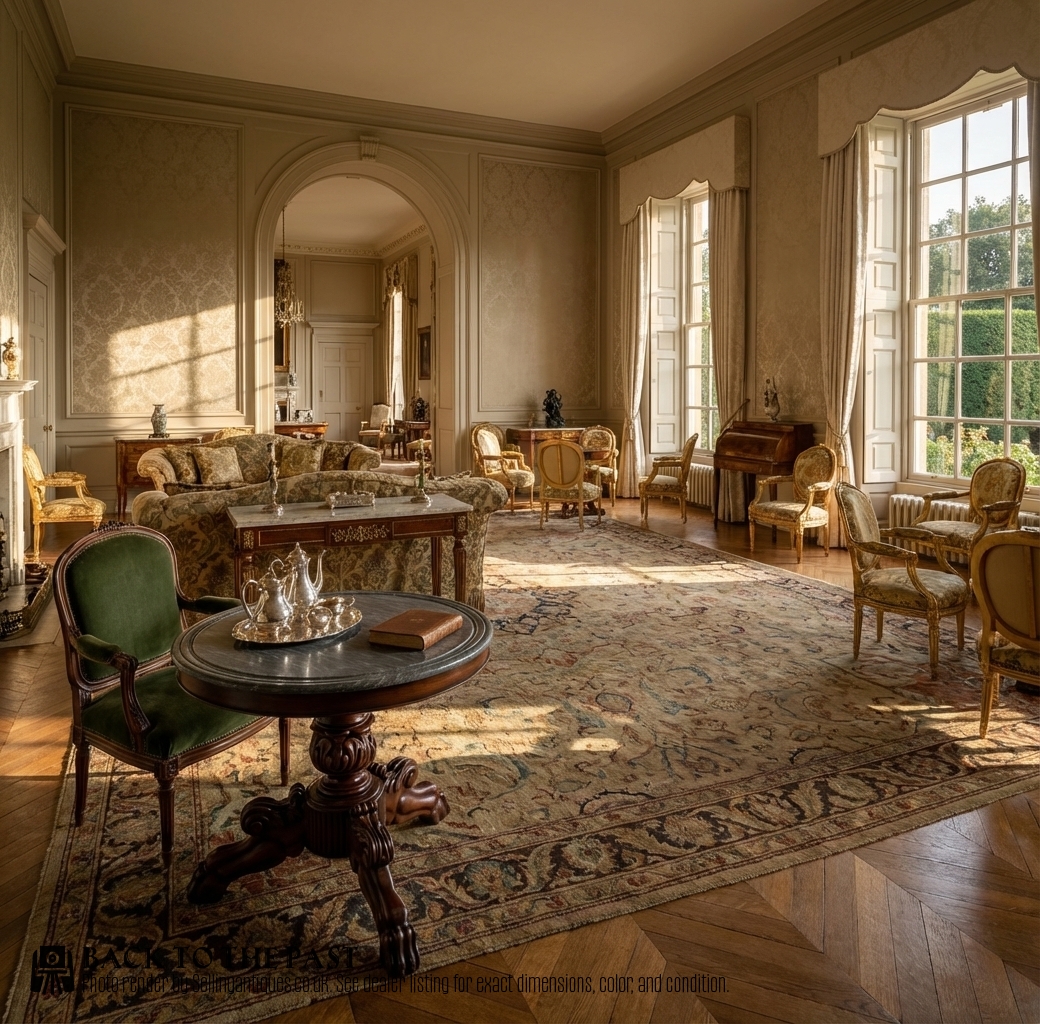
How They Were Made
Cabinet makers utilised dense hardwoods including mahogany, flame mahogany, kingwood, walnut, burr elm, and oak for the frames and bases. Tops were frequently fashioned from solid marble, leather, or marquetry wood.
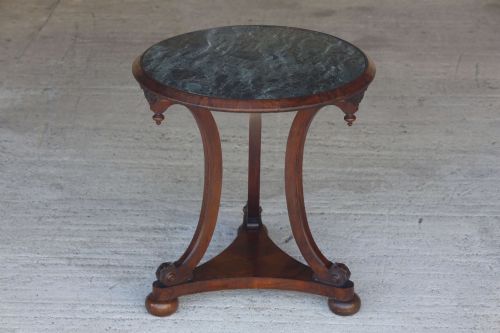
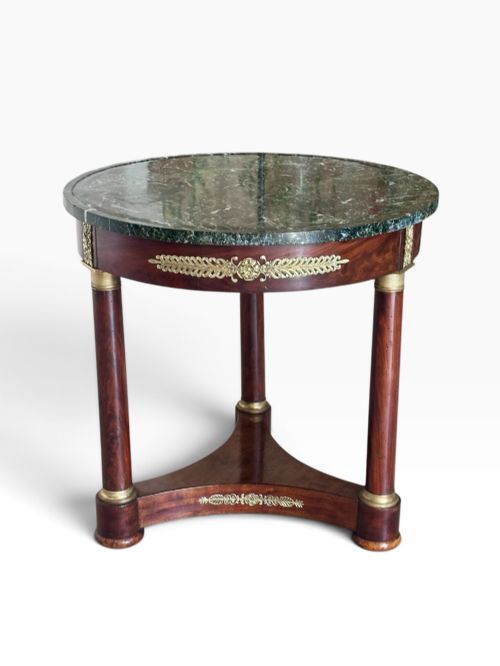
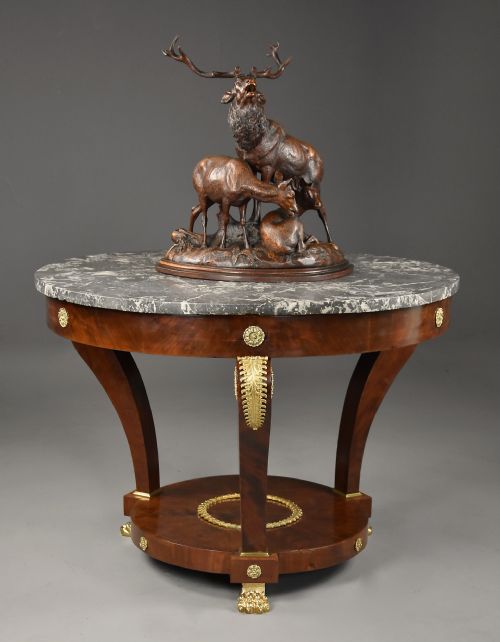
Metalwork played a defining structural and decorative role, with gilded brass, ormolu mounts, and brass detailing applied to friezes, legs, and mounts. Tables often utilised tripod bases or central pedestals to support the heavy stone tops.
Antique French Gueridon Retail Price Guide 2026
Typical asking prices for french gueridon among the pieces listed under this phrase on Sellingantiques today, from the lower quarter to the upper quarter. They describe what is for sale here now, not the wider market.
Some tables feature disguised tripod legs carved to resemble tree branches reaching upward to hold the heavy marble slab.
What Varies in Quality
Quality separates standard production pieces from exceptional works through the selection of timber veneers, such as figured walnut and flame mahogany, and the weight and veining of the marble top. Superior examples exhibit intricate marquetry and finely chased ormolu mounts.
The precision of the joinery on the tripod or pedestal base dictates the stability and longevity of the table. Master workshops invested greater craftsmanship into the brass details, gilding, and the seamless integration of marble within the wooden frame.
L.Martin of Paris·A Hugnet Paris·François Linke
The Antique French Gueridon Glossary
- Gueridon
- A small circular table or stand, typically supported by a central pillar or tripod base. Originally introduced in France during the seventeenth century, the form evolved into various occasional and centre tables.
- Ormolu
- Gilded bronze applied to furniture as decorative mounts and feet. This technique requires an amalgamation of cast bronze finished with fine mercury gilding.
- Marquetry
- Inlaid wood patterns arranged to form decorative pictures or geometric designs on tabletops. Artisans cut contrasting veneers to fit precisely into the primary wood ground.
- Kingwood
- A dense, richly grained tropical timber utilised extensively in fine French cabinet making during the eighteenth and nineteenth centuries. It provides a distinct striped appearance on polished surfaces.
- Louis Philippe
- A mid-nineteenth-century French style characterised by restrained curves and practical elegance without excessive ornamentation. Tables from this period prioritise clean lines over elaborate carving.
Antique French Gueridon: Frequently Asked Questions
What is a gueridon table used for?
A gueridon serves as a freestanding centre table or lamp table placed in the middle of a room or beside seating. Historically, these circular tables held lights, ornaments, or drinks.
Today, they function practically as occasional surfaces while adding a distinct decorative element to an interior space.
How do I identify French Empire style?
French Empire pieces display classical motifs, dark mahogany timbers, and prominent ormolu mounts. The design reflects neoclassical influences associated with the early nineteenth century.
Look for architectural symmetry, heavy circular marble tops, and disciplined structural forms.
Are marble top tables heavy?
Marble tops add substantial weight to these tables, which helps keep the freestanding frames stable. Tripod bases and central pedestals are engineered to support this heavy stone safely.
Care must be taken when moving them to lift from the wooden frame rather than the top alone.
What is the difference between a centre table and a side table?
Centre tables are finished on all sides to stand in the open space of a room. Side tables and console tables are typically designed to sit flat against a wall.
Gueridon tables are almost exclusively built as freestanding centre or occasional pieces.