

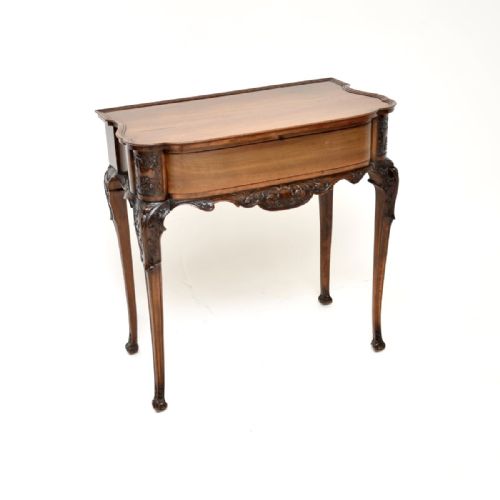
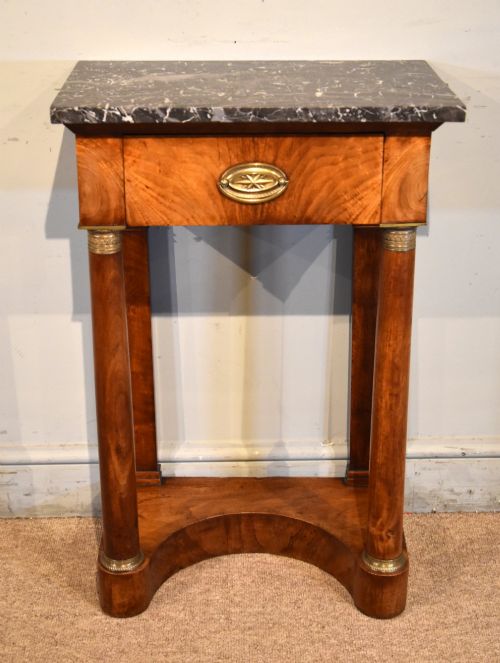
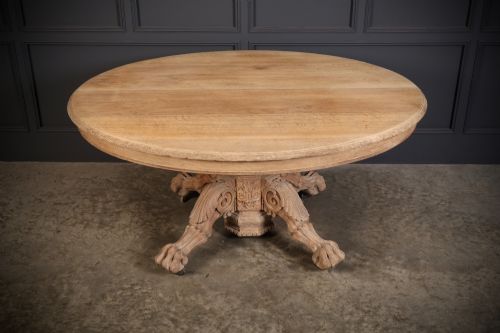
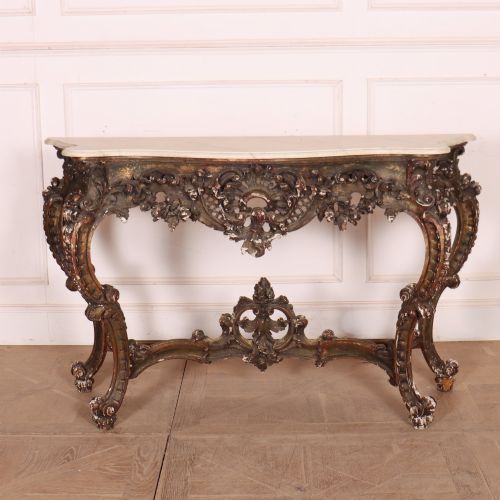
Antique French Entry Table
An antique french entry table brings classical proportion and grand presence to a hallway, setting an immediate tone of heritage.
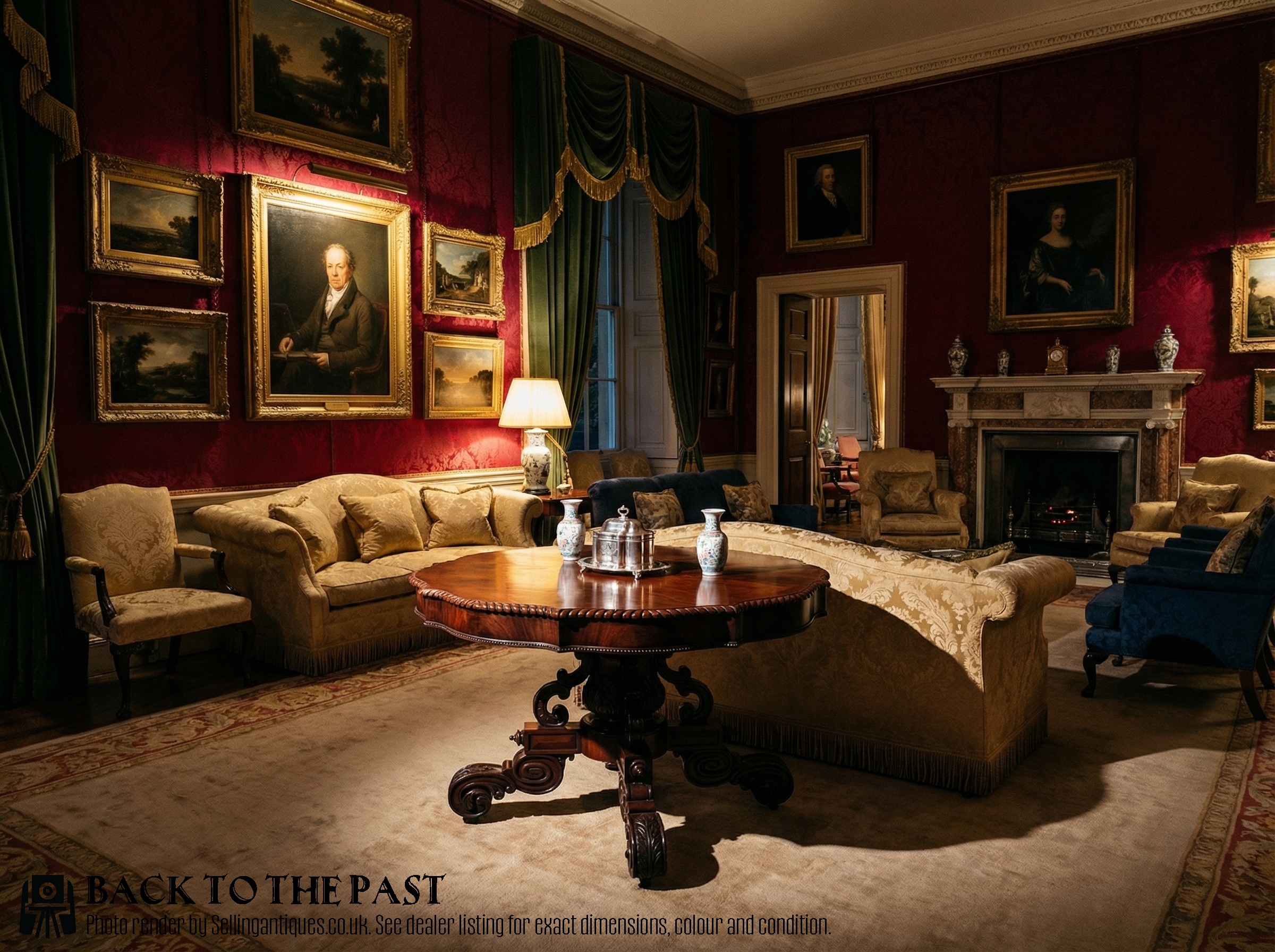
Antique French Entry Table
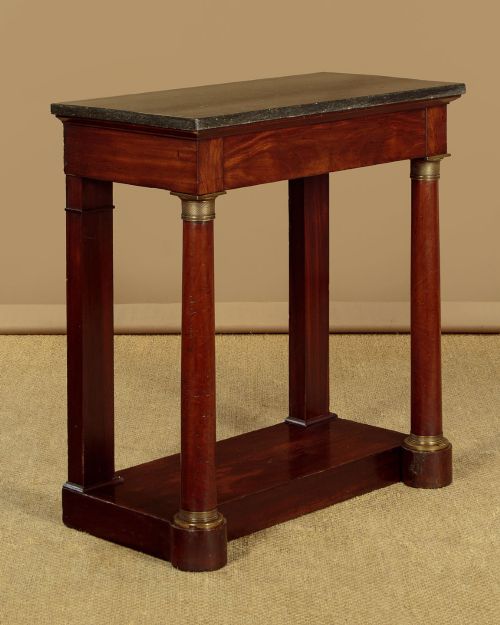
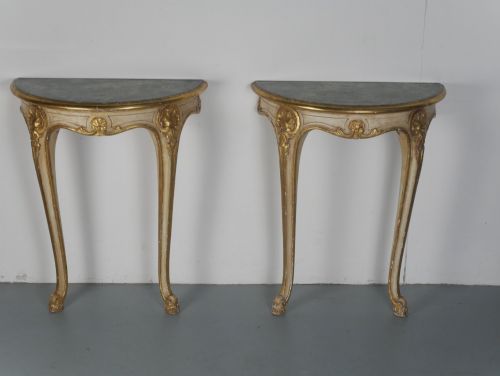
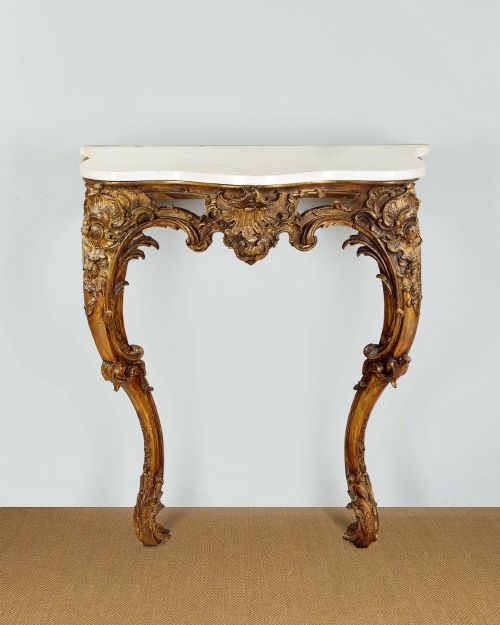
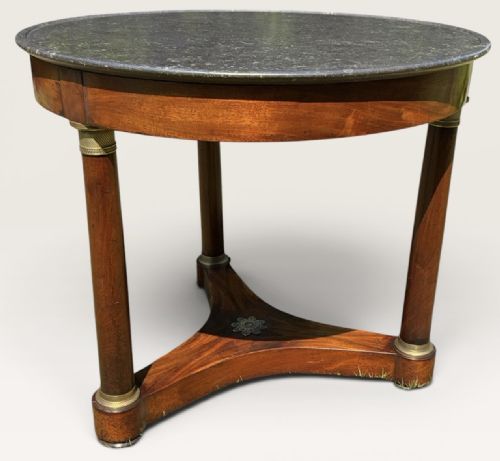
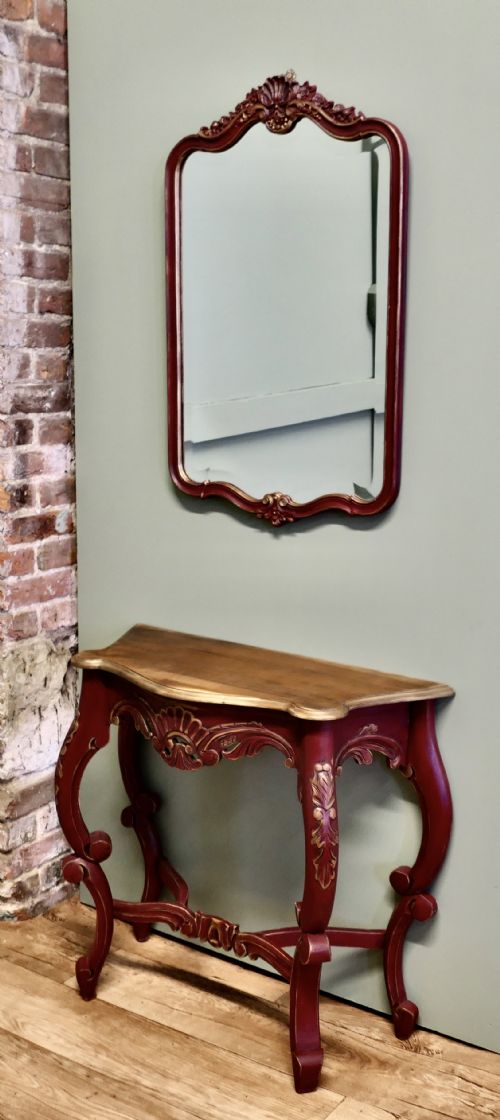
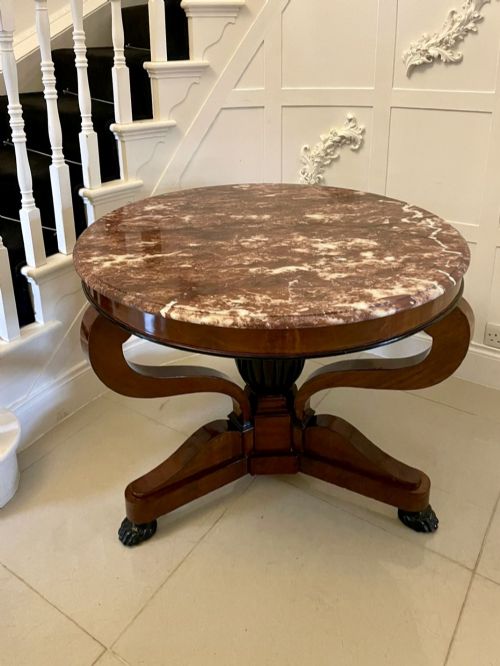
When buyers search for an antique french entry table, they encounter console tables, centre tables, and console table and mirror sets designed for placement in hallways and reception rooms. These pieces originate primarily across the nineteenth century, alongside examples from the eighteenth century and the early twentieth century up to the 1930s.
The forms span console tables, demi lune tables, side tables, and gueridon tables, often featuring shaped marble tops paired with timber bases. Styles range from French Rococo, French Empire, and French Provincial to Rococo Revival and Grand Regency.
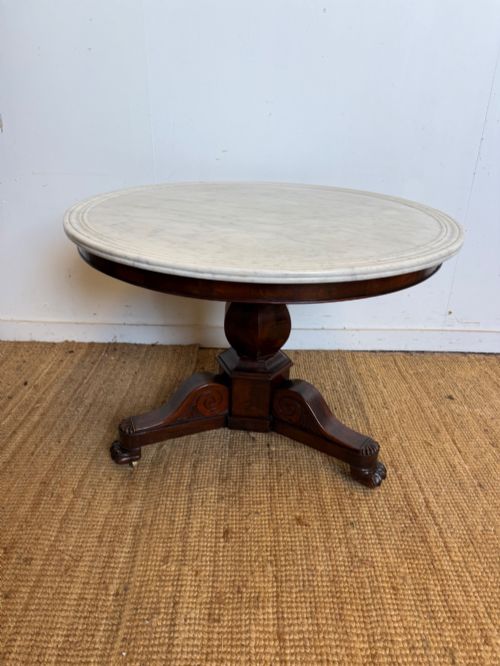
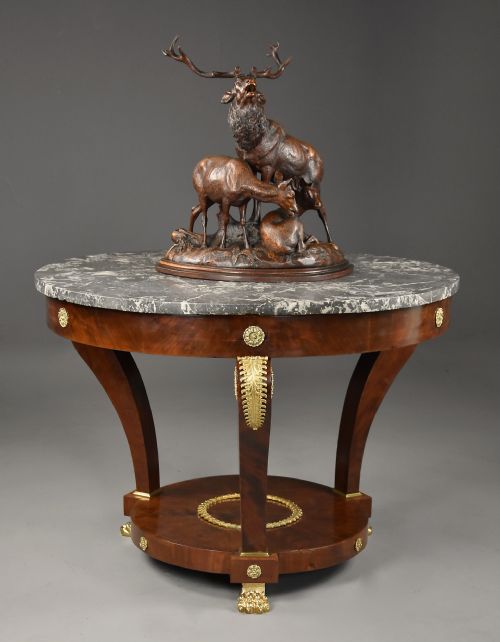
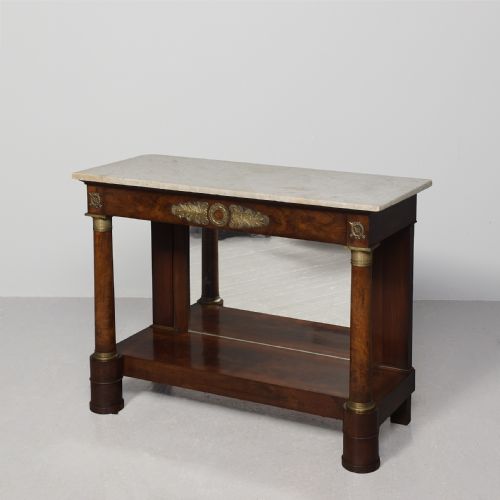
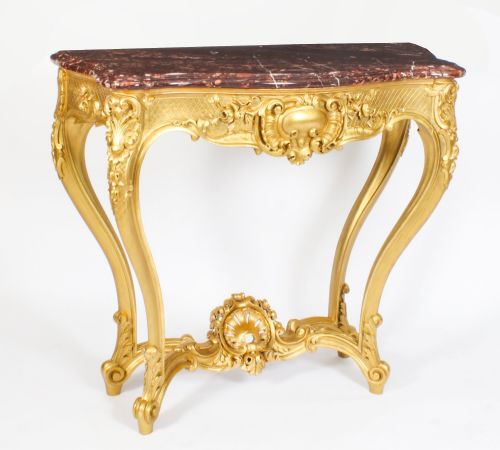
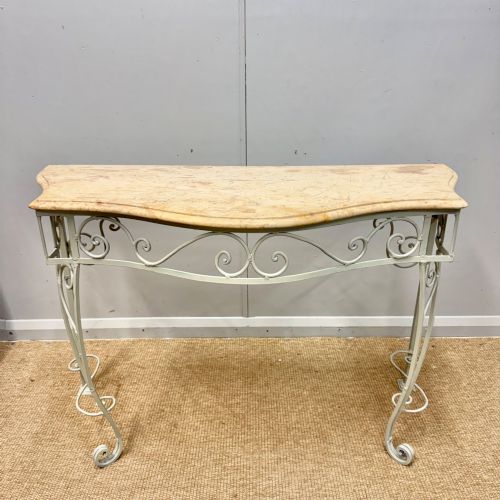
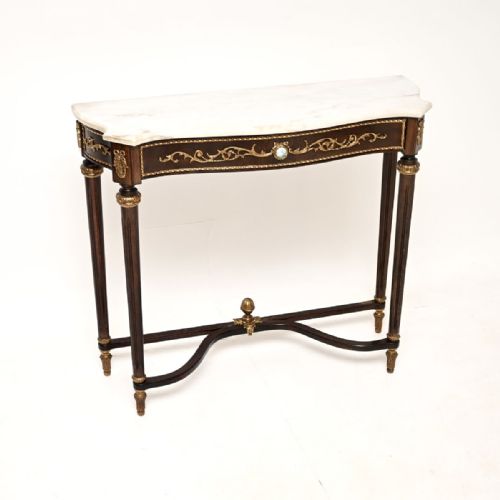
The pieces on this page represent the core forms of nineteenth-century French hallway furniture, dominated by console and centre tables. They combine structural timber framing with decorative stone and metal elements suited for prominent placement near an entrance.
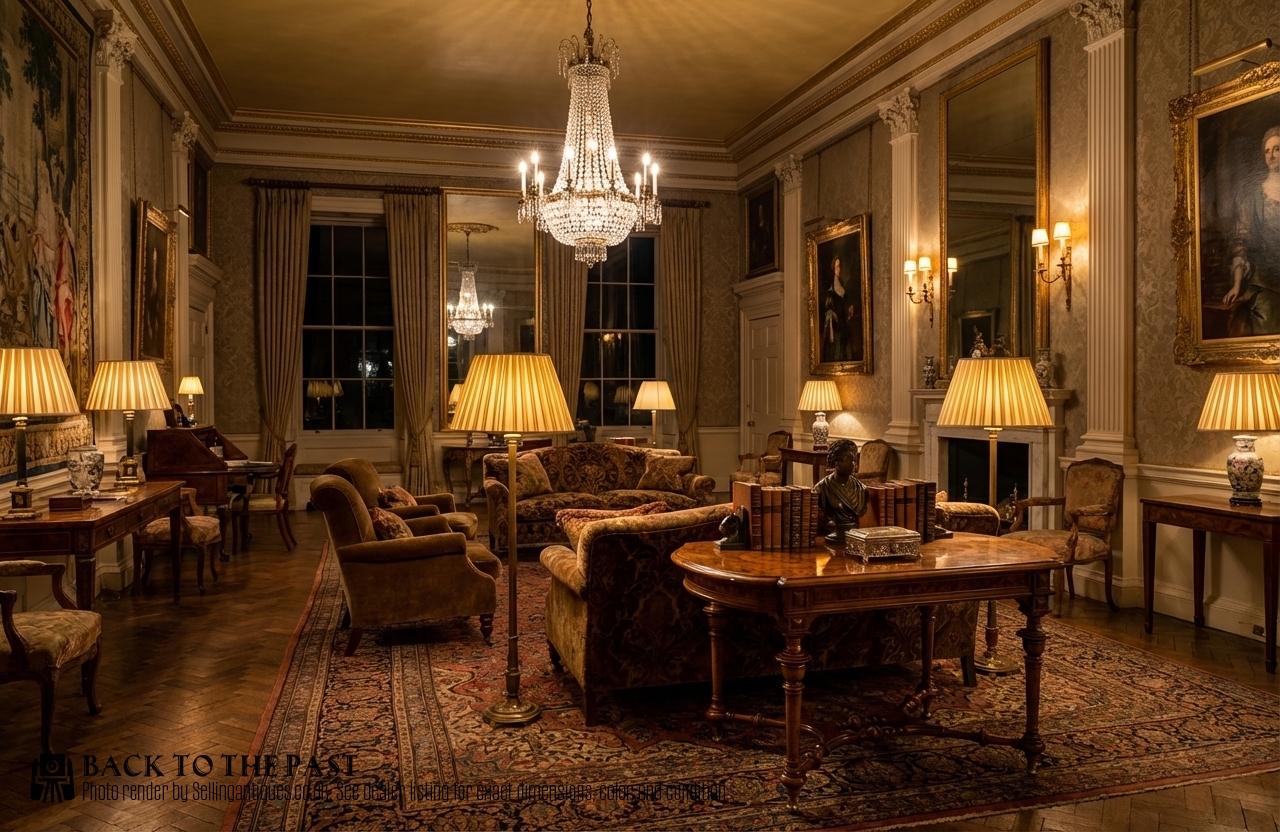
Evaluating the pieces
Quality rests in the depth of hand-carving on wooden frames, the selection of timber veneers such as flame mahogany or kingwood, and the weight and figuring of the inset marble top. Giltwood execution and the crispness of parquetry inlay distinguish finer workshops from simpler provincial work.
The integration of matching elements, such as console tables paired with their original carved mirrors, elevates a piece. Proportion, structural integrity, and the retention of original paint or surface finishes govern the standing of each example.
Antique French Entry Table Retail Price Guide 2026
Typical asking prices for french entry table among the pieces listed under this phrase on Sellingantiques today, from the lower quarter to the upper quarter. They describe what is for sale here now, not the wider market.
The listings span periods from the 18th century through the 1930s, featuring timber, marble, giltwood, and wrought iron.
The Antique French Entry Table Glossary
- Console table
- A table designed to stand against a wall, often secured to it or resting on front legs, frequently topped with marble. These pieces anchor hallway and entryway schemes.
- Gueridon
- A small round table, typically supported by a central pillar or three legs, often utilised as a centre table. They frequently feature marble tops and flame mahogany veneers.
- Demi lune
- A half-moon shaped table designed to fit flush against a wall in narrow spaces like hallways. These semicircular pieces appear in mahogany, oak, and painted finishes.
- Parquetry
- Geometric wood inlay work arranged in patterns across table surfaces. This technique displays the skill of the cabinetmaker through precise wood matching.
- Giltwood
- Timber carved and coated with gold leaf or metallic paint to create a brilliant decorative surface. This finish characterises many Rococo and Empire style console tables.
Antique French Entry Table: Frequently Asked Questions
What is the difference between a console table and a centre table?
A console table is designed with a flat back to stand flush against a wall, often supported by brackets or front legs only. They serve primarily as decorative furniture in entryways and hallways.
A centre table stands free in the middle of a room, finished on all sides for all-round viewing. Many nineteenth-century French designs function as both depending on their base configuration.
How do I use an antique french entry table in a modern hallway?
These tables provide a practical surface for drop-zone items like keys and correspondence while establishing a strong decorative focal point. A narrow demi lune or serpentine console fits restricted circulation spaces without blocking passage.
Pairing a console with a matching mirror creates vertical presence and reflects light in smaller entrance areas. Selecting marble-topped variants ensures a durable surface that withstands daily hallway use.
How do I date an antique french entry table?
Dating relies on identifying stylistic markers, construction methods, and material choices recorded across the periods. Eighteenth-century pieces show heavy Baroque carving, while nineteenth-century items span Empire, Rococo Revival, and Louis Philippe aesthetics.
Early twentieth-century pieces incorporate wrought iron, brass, and simplified antique white paint finishes. Examining the timber species, such as kingwood or flame mahogany, provides further chronological clues.
What maintenance do marble top tables require?
Marble surfaces need gentle cleaning with a damp cloth and neutral soap, avoiding acidic cleaners that etch the polished stone. Regular dusting preserves the natural lustre of both the marble and the supporting timber or giltwood base.
Placing felt pads under objects set on the table prevents surface scratching. Wrought iron and brass elements require occasional dry dusting to maintain their finish.