




Antique French Charger Plate
An antique French charger plate brings historic ceramic and metal artistry to a table or wall, offering a striking centrepiece for a collection.
Antique French Charger Plate
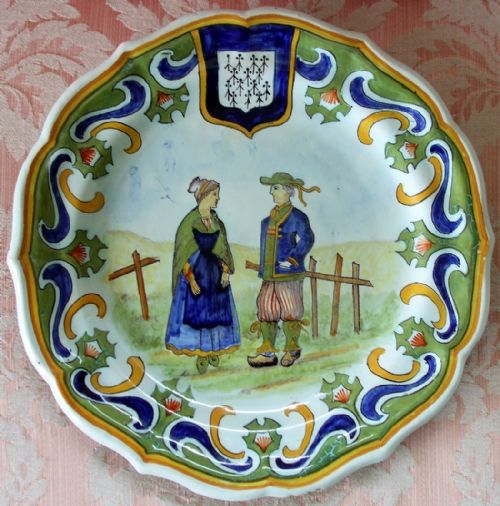
An antique french charger plate encompasses large decorative dishes, wall chargers, and cabinet plates created across the eighteenth, nineteenth, and early twentieth centuries. These pieces appear in varied forms, ranging from earthenware faience and tin-glazed vessels to porcelain and opalescent glass.
Materials and Techniques
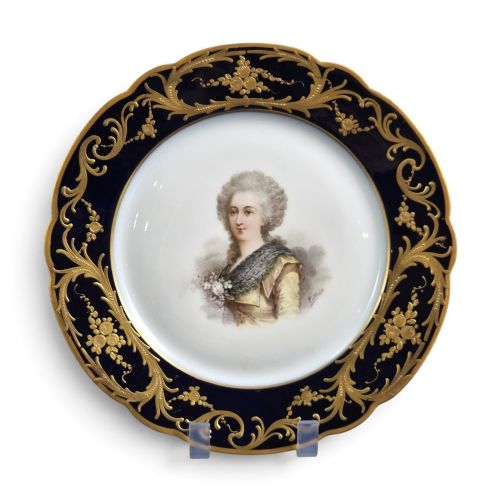
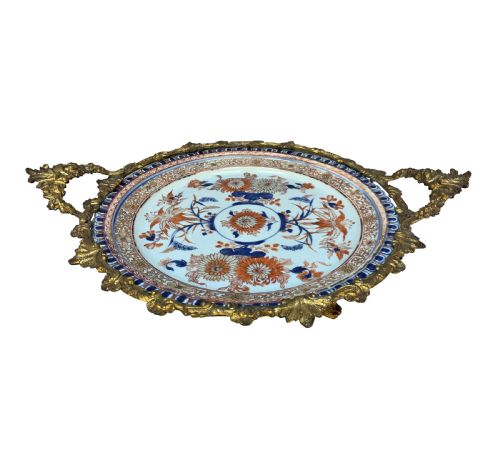
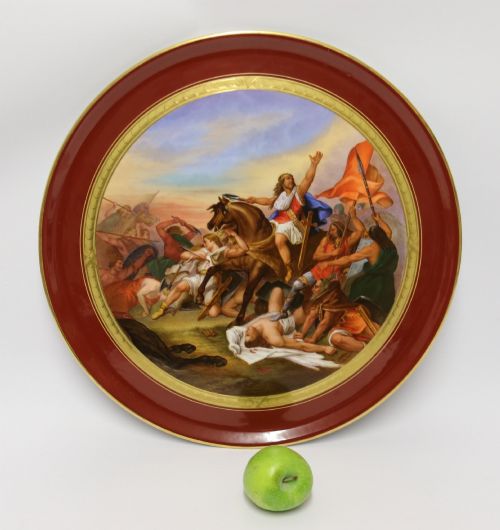
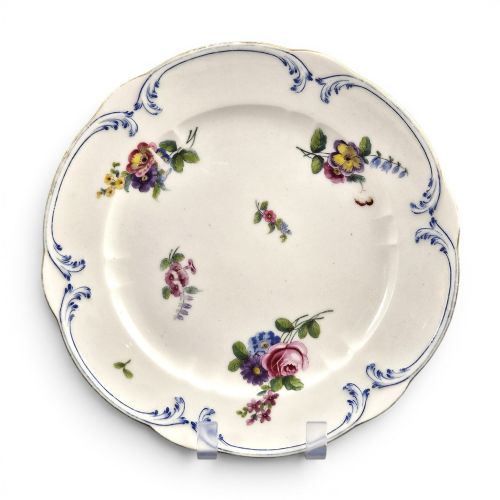
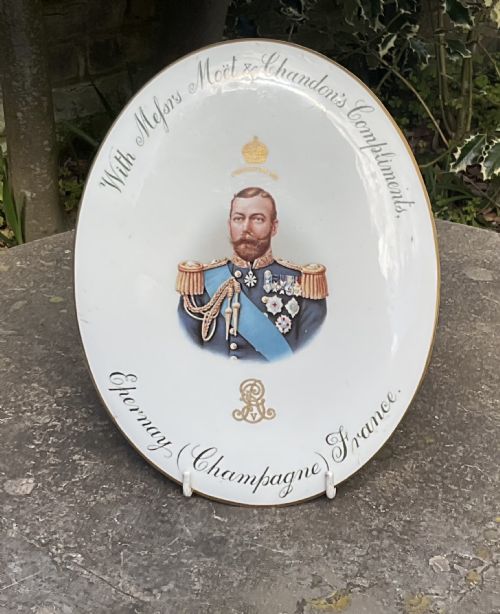
Maker operations utilised porcelain, earthenware, and tin glaze, often enhanced with hand-painted details, gold leaf, and gilt bronze mounts. Soft-paste and hard-paste porcelain received intricate pigments depicting historical battles and royal portraits.
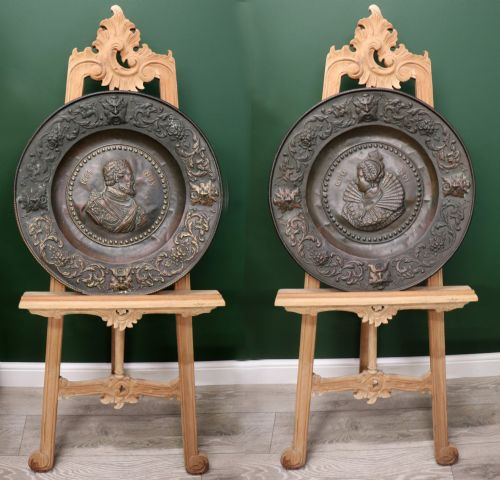
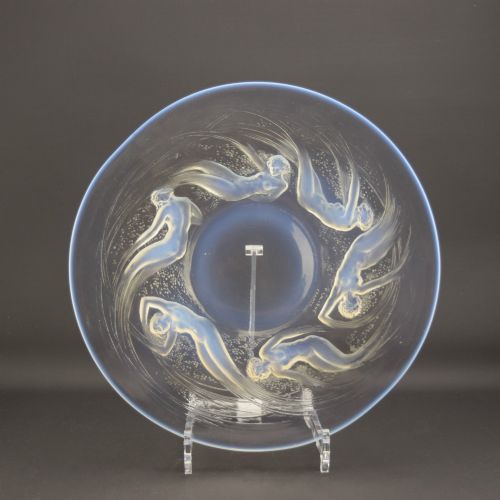
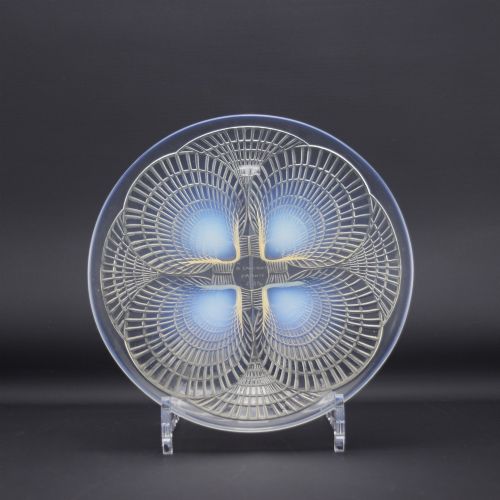
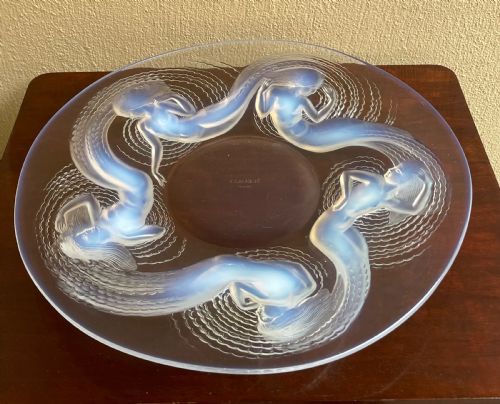
Mould-pressed opalescent and sepia-stained glass techniques defined the later pieces from the early twentieth century. Metal items utilised bronze, brass, pewter, and copper, shaped into gothic wall chargers and commemorative plates.
Several heavy metal chargers proudly preserve the stony profiles of Henry IV and Queen Marie de' Médicis.
Judging Quality and Execution
Quality rests upon the precision of the hand-painted artistry, the crispness of the porcelain or glass moulding, and the depth of any ormolu or bronze mounts. Pieces executed with detailed historical scenes or portraits demonstrate superior craftsmanship.
The material integrity and the preservation of original gilding, enamels, and opalescence distinguish finer examples from standard decorative ware. Maker marks and attribution to established houses further elevate the standing of a piece.
Sèvres Porcelain·Rene Lalique·Ambroise Michel·Desvres Faience
The Antique French Charger Plate Glossary
- Charger
- A large ornamental or serving plate traditionally placed beneath other courses, often hung on walls as a decorative display. These items measure larger than standard dining plates.
- Faience
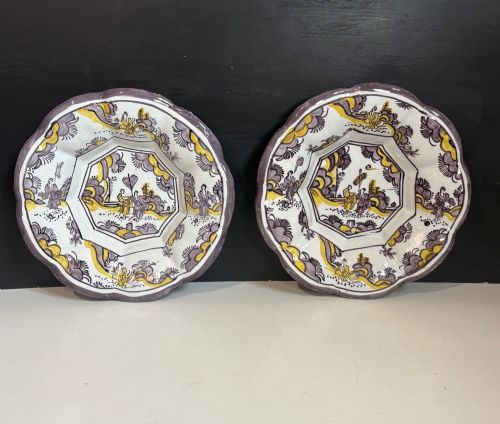
- Tin-glazed earthenware produced in France and across Europe, typically featuring painted decoration over an opaque white glaze. Eighteenth-century examples often display vibrant manganese and yellow hues.
- Opalescent Glass
- Glass containing additives that create a milky, milky-blue, or fire-like appearance when lit from certain angles. This technique gained prominence in twentieth-century modernist designs.
- Ormolu
- Finely chased and gilt bronze furnishings applied to porcelain or used as structural mounts. The technique adds architectural weight and decorative flourish to ceramic bodies.
- Soft-Paste Porcelain
- A vitreous ceramic material composed of glass and clay mixtures fired at lower temperatures than hard-paste porcelain. It produces a warm glaze texture favoured by eighteenth-century factories.
Antique French Charger Plate: Frequently Asked Questions
What is an antique french charger plate used for?
These items served historically as grand decorative dishes or chargers beneath smaller dinner service plates. Today, collectors typically display them on walls or cabinet shelves as focal art pieces.
Larger porcelain and bronze examples also function as dramatic centrepieces on dining tables or sideboards. Their substantial diameters showcase intricate painted scenes and historical portraits.
How do I identify eighteenth-century faience?
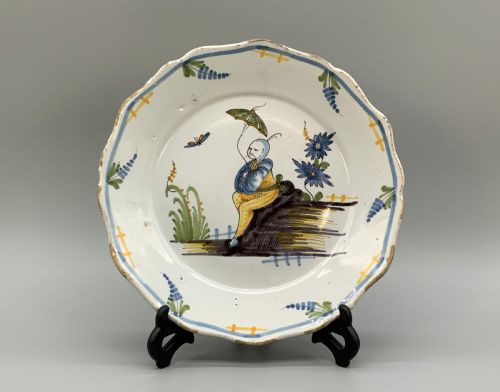
Eighteenth-century faience pieces display characteristic tin glazes with hand-painted motifs, often utilising manganese, yellow, and blue pigments. The earthenware bodies feel heavier than porcelain and show characteristic glaze pooling.
Examination of the foot ring and unglazed areas reveals the granular composition of the early ceramic body. Stylistic markers lean toward Chinoiserie and provincial European motifs.
Are Lalique glass plates considered chargers?
Rene Lalique produced large opalescent glass plates, such as the Ondines and Calypso designs, during the early twentieth century. While glass requires careful handling compared to metal or porcelain, these substantial pieces function visually as decorative chargers.
Their moulded opalescent and sepia-stained surfaces catch light effectively when displayed on open surfaces or stands. They represent the modernist evolution of the traditional charger plate format.
How do I care for gilt porcelain plates?
Gilt porcelain requires gentle cleaning with a dry or barely damp microfibre cloth to protect delicate gold leaf and overglaze enamel. Avoid abrasive cleaners or soaking the piece in water.
Display these plates away from direct sunlight to prevent fading of hand-painted portrait details. Secure wall chargers with properly padded hangers designed for heavy ceramic items.