



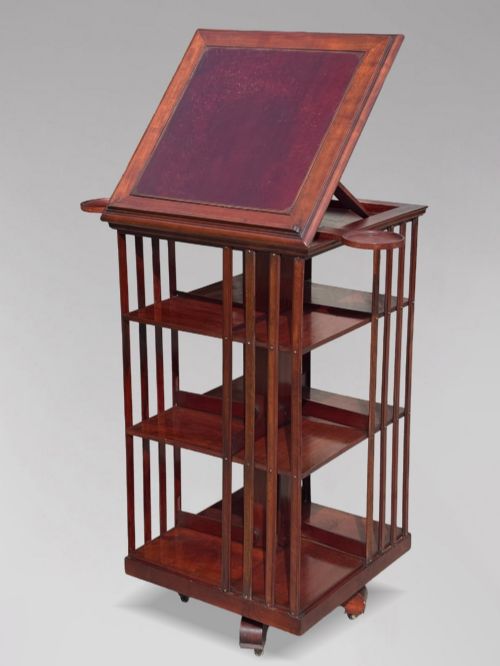
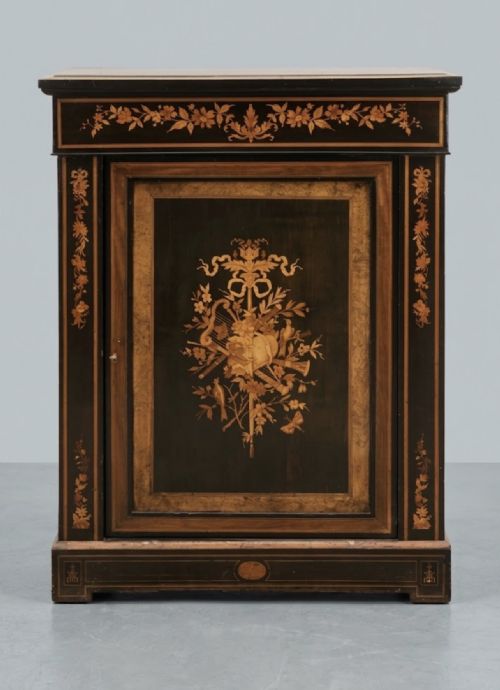
Antique French Bookcase
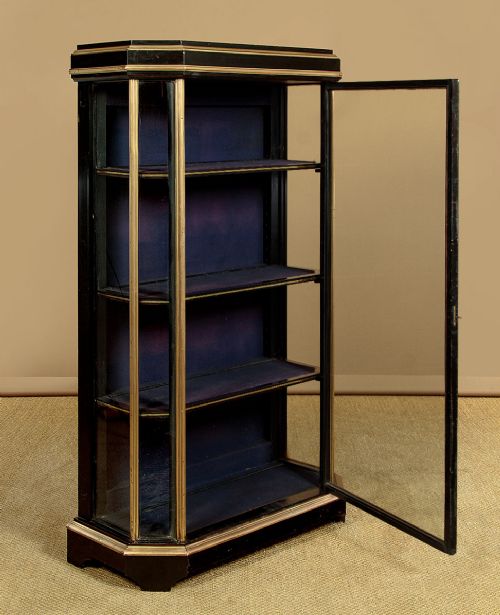
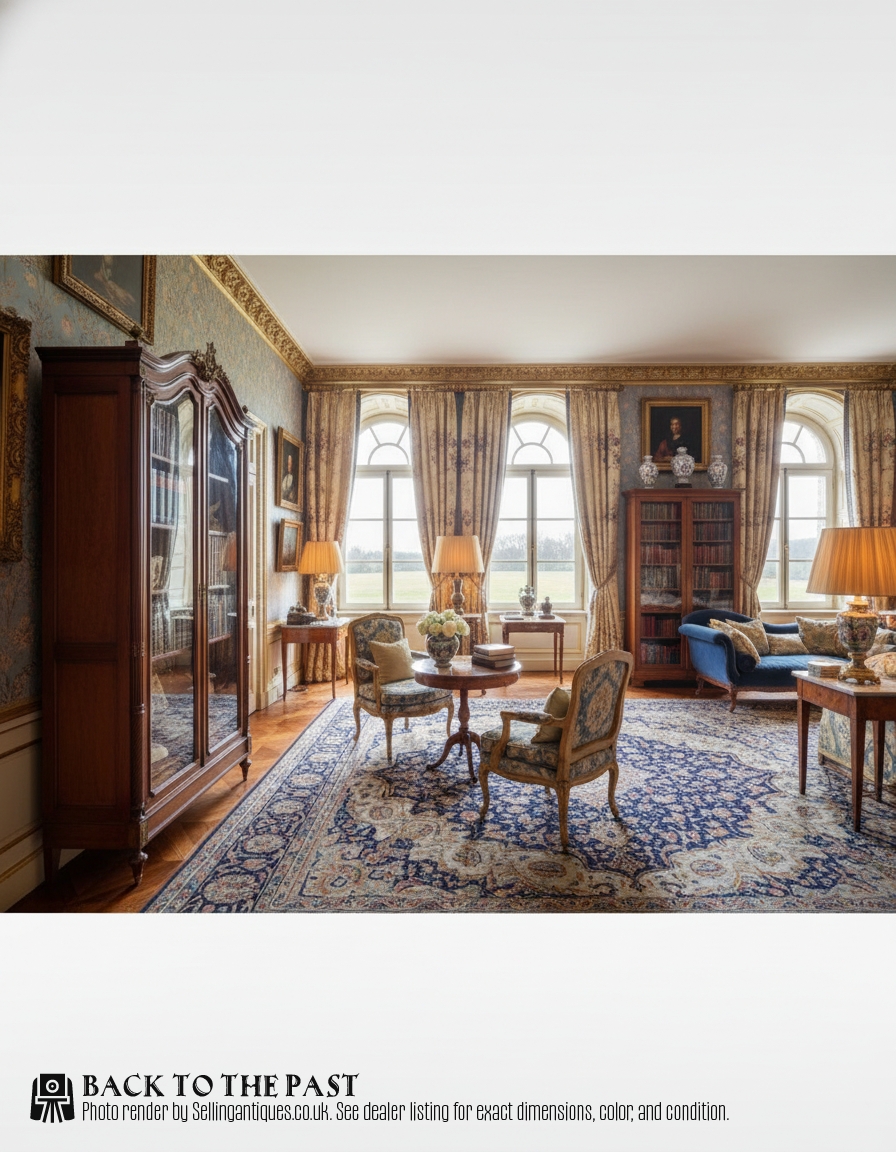
When sourcing an antique french bookcase, buyers find walnut and mahogany library pieces built to house leather-bound volumes and display fine porcelain.
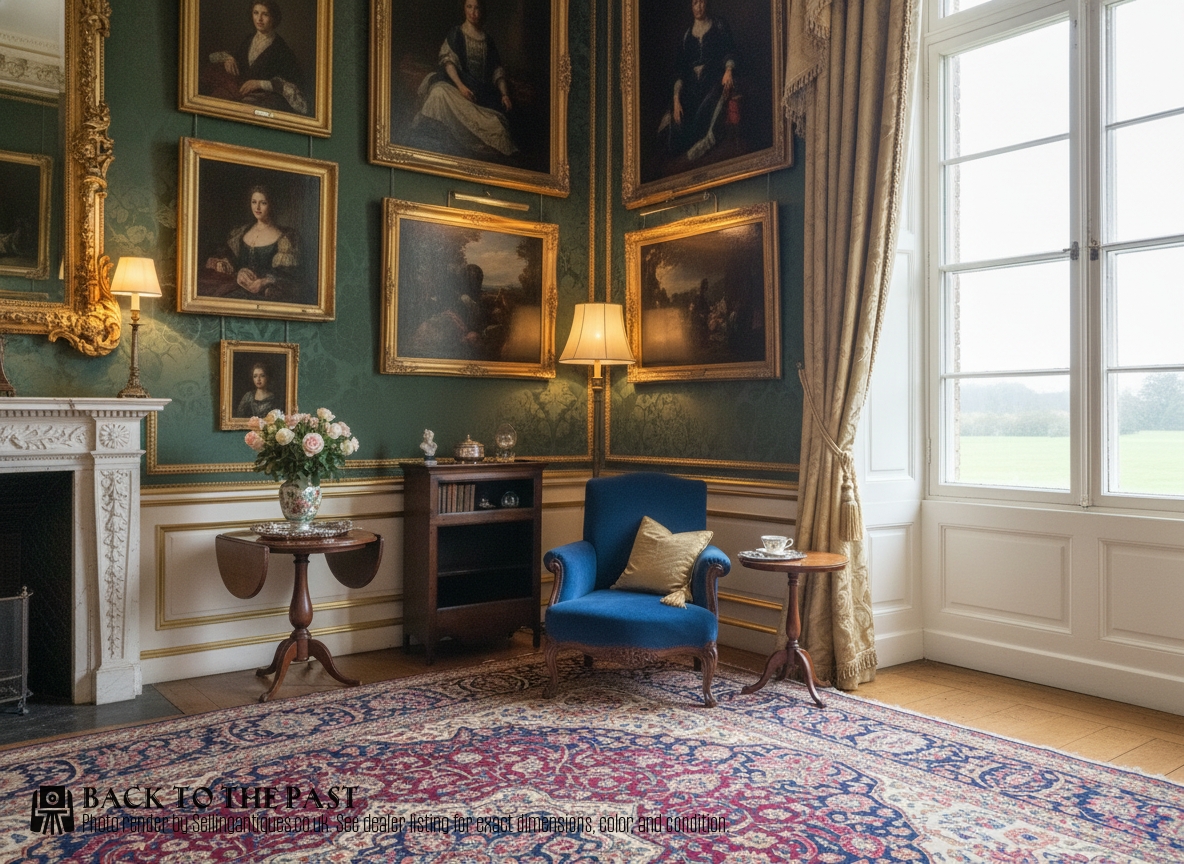
Antique French Bookcase
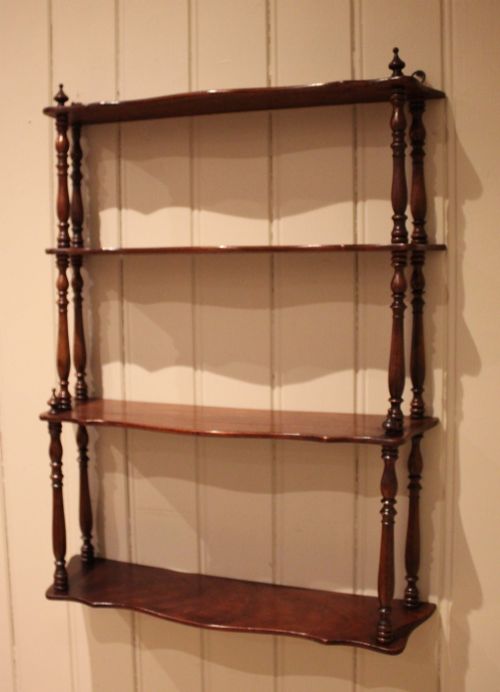
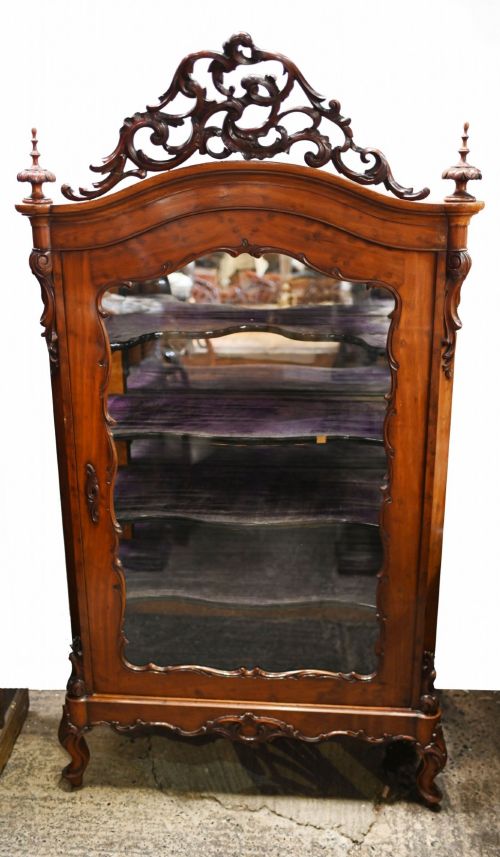
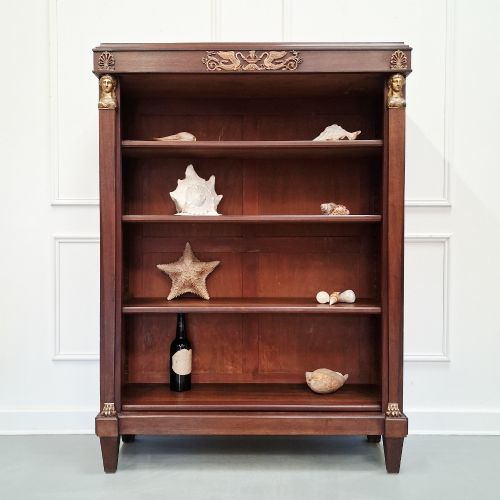
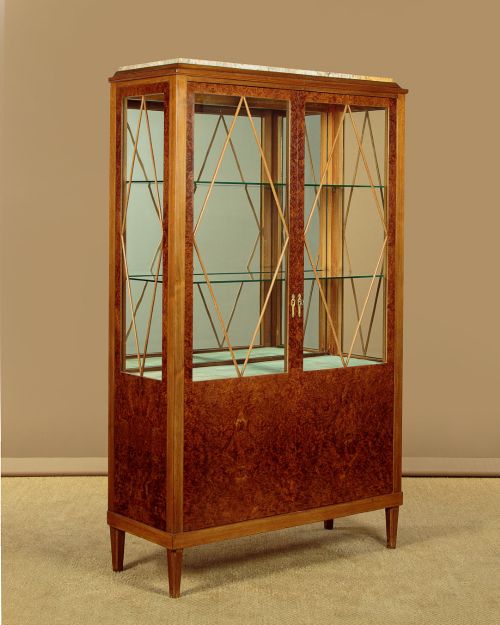
An antique french bookcase spans tall open library shelves, glazed display vitrines, and robust walnut cupboards dating from the eighteenth to the early twentieth century.
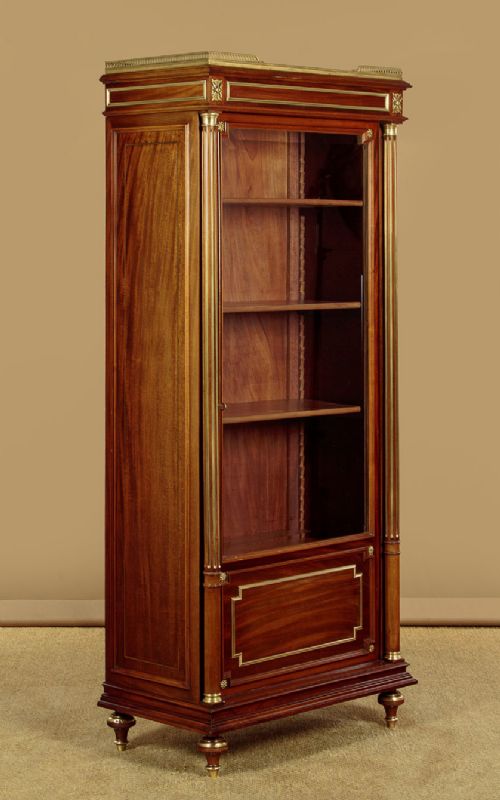
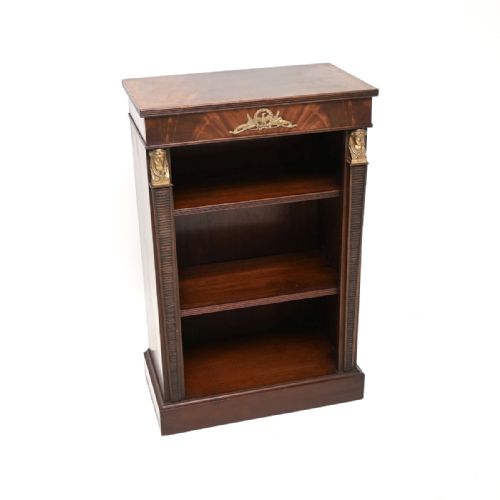
The pieces appearing most frequently range from nineteenth-century walnut and mahogany upright library cabinets to painted provincial side units and open shelving.
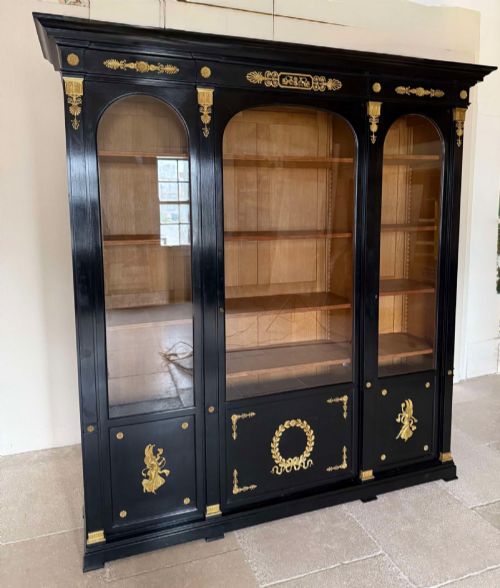
Makers and makers' workshops adopted revival styles including Louis XV, Empire, and Neoclassical alongside regional French country forms.
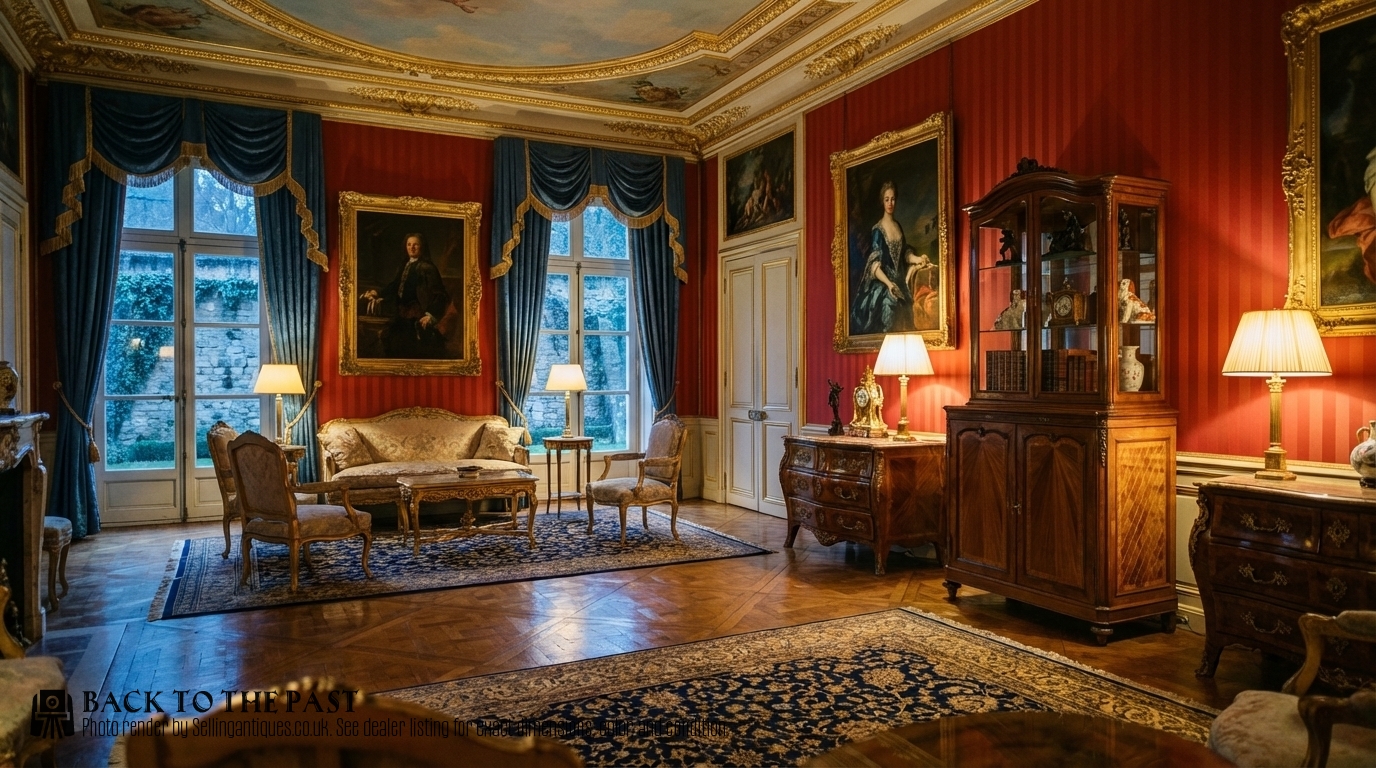
Materials and Technique
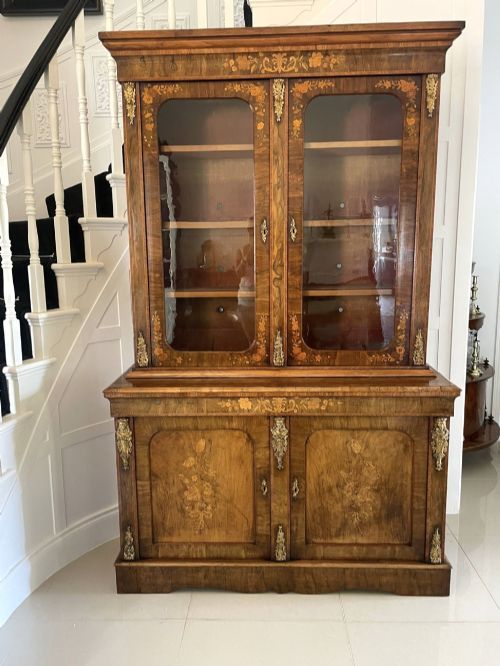
Cabinet makers utilised dense hardwoods like walnut, mahogany, kingwood, and rosewood, frequently applying elaborate marquetry, parquetry, or burr veneers across structural carcases.
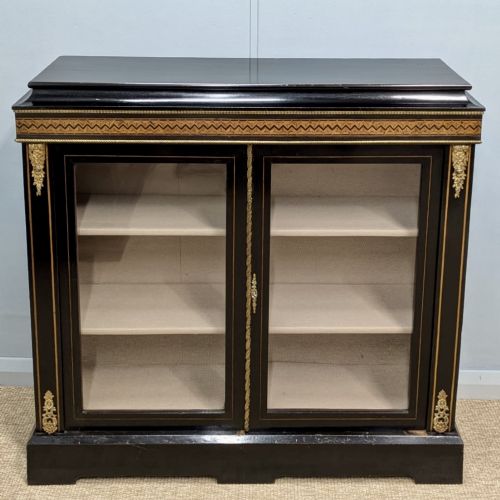
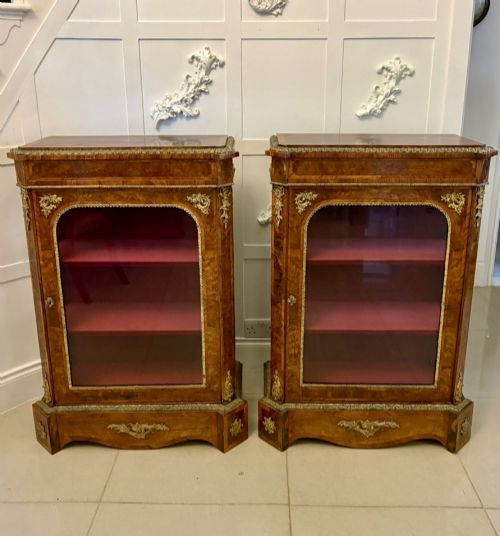
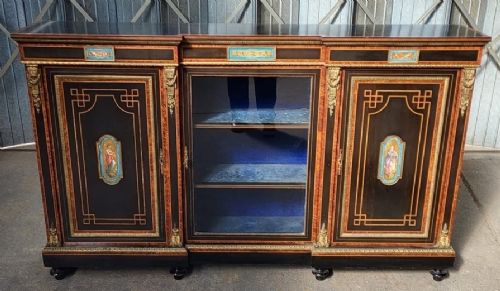
Decorative metalwork played a central role, with cast ormolu and brass mounts highlighting corners, frames, and cornices on formal revival pieces.
Glazed doors utilised individual glass panes set within timber framing, while provincial examples relied on solid oak, cherry, pine, or painted finishes.
Antique French Bookcase Retail Price Guide 2026
Typical asking prices for french bookcase among the pieces listed under this phrase on Sellingantiques today, from the lower quarter to the upper quarter. They describe what is for sale here now, not the wider market.
Listings feature eighteenth-century oak buffets alongside nineteenth-century walnut bibliotheques and twentieth-century mahogany display cabinets.
Evaluating Construction
Superior examples demonstrate precision in veneer selection and matching, particularly with burr walnut and figured mahogany across expansive doors and panels.
The crispness of ormolu casting and the integration of bronze or brass mounts separate standard workshop output from exceptional commissions.
Internal joinery, including dovetailed drawer construction and original working locks with matching keys, distinguishes unaltered historical furniture from later adaptations.
Gabriel Viardot·Mercier Frères
The Antique French Bookcase Glossary
- Bibliotheque
- A large freestanding bookcase or library cabinet with glazed or solid doors. This term frequently appears in continental trade descriptions.
- Vitrine
- A glass-fronted display cabinet designed for porcelain and objets d'art. These pieces often feature velvet-lined interiors and ornate ormolu mounts.
- Ormolu
- Gilt bronze mounts applied to furniture edges and corners for decorative contrast. Artisans chased the metal surface after casting to sharpen details.
- Marquetry
- Decorative patterns formed by fitting contrasting veneer pieces onto a carcase. Craftsmen utilised fruitwoods and exotic timbers to create floral or geometric scenes.
- Cartonnier
- A desktop cabinet fitted with stationary compartments or drawers for papers. These desk accessories often incorporate leather-bound storage tiers and gilt bronze handles.
Antique French Bookcase: Frequently Asked Questions
How do I date a French bookcase?
Dating relies on combining construction methods, timber choices, and stylistic markers such as Empire or Louis XV revival motifs. Regional pieces in solid oak often display hand-cut joinery that shifts from eighteenth-century pegged tenons to nineteenth-century machine assistance.
Hardware offers further clues, as cast ormolu mounts and original brass locks correspond to specific revival periods. Comparing internal carcase timbers and backboards helps confirm the manufacturing era.
Are these bookcases suitable for modern books?
Most antique bookcases accommodate standard modern hardbacks, though historical shelf depths and heights vary significantly. Adjustable shelving appears in several open library models, while older glazed cupboards feature fixed wooden tiers.
Buyers should verify internal shelf clearances before storing oversized volumes or heavy art folios. Freestanding open formats provide the greatest flexibility for varied book sizes.
How do I care for walnut and mahogany finishes?
Maintenance involves keeping timber pieces away from direct sunlight and fluctuating radiator heat to prevent veneer lifting. Dusting with a soft, dry cloth preserves the French polish or wax surface without building up residue.
Occasional application of pure beeswax helps nourish antique hardwoods and maintain their natural sheen. Moisture should be avoided entirely to protect both the timber and any delicate metal mounts.