

Antique French Bedroom Furniture
Antique French bedroom furniture brings walnut, marble and ormolu into domestic spaces with nineteenth-century proportion and poise.
What these pieces are
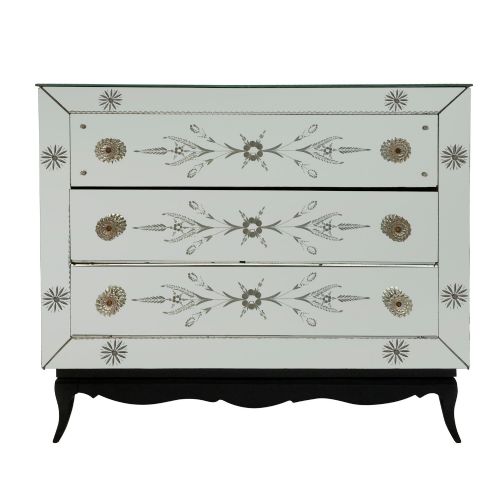
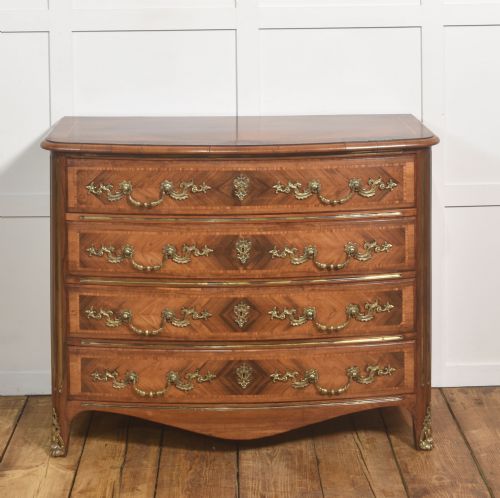
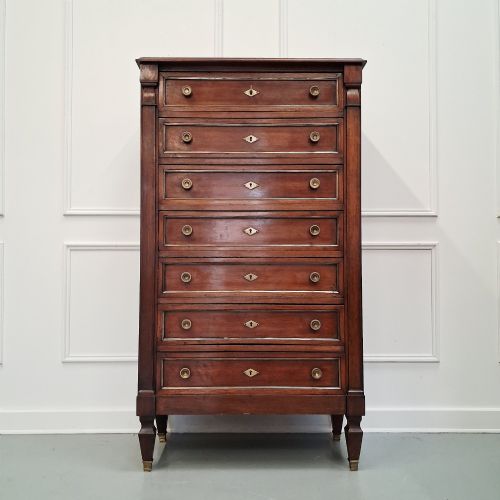
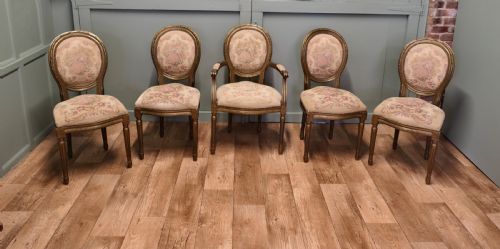
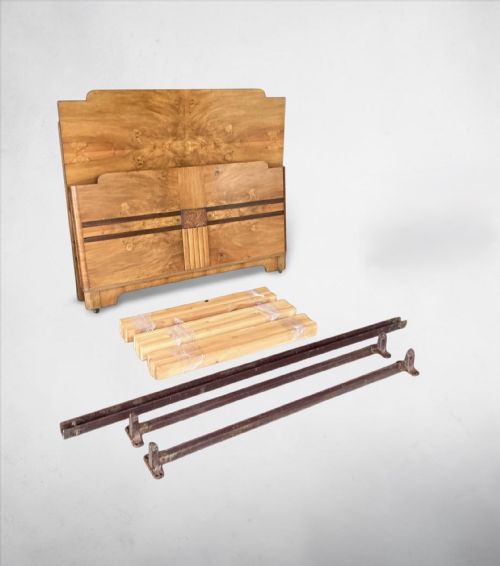
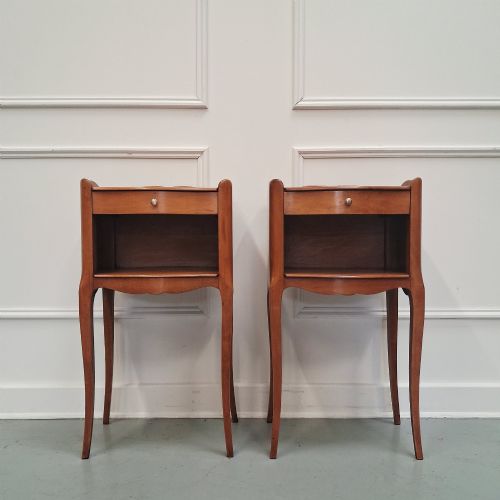
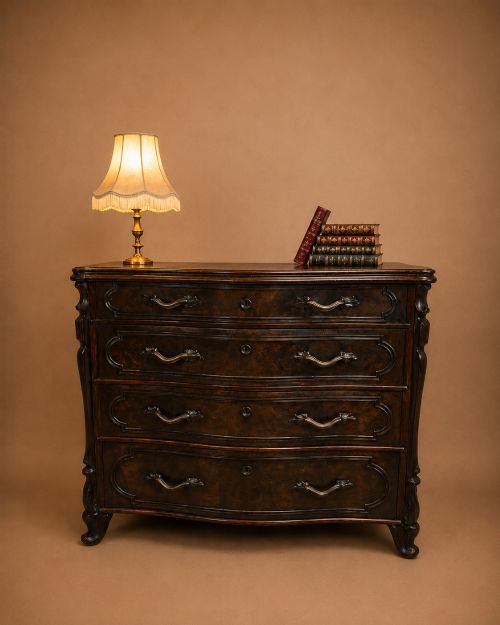
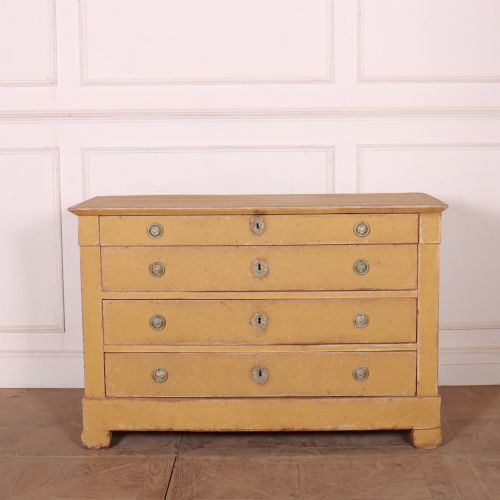
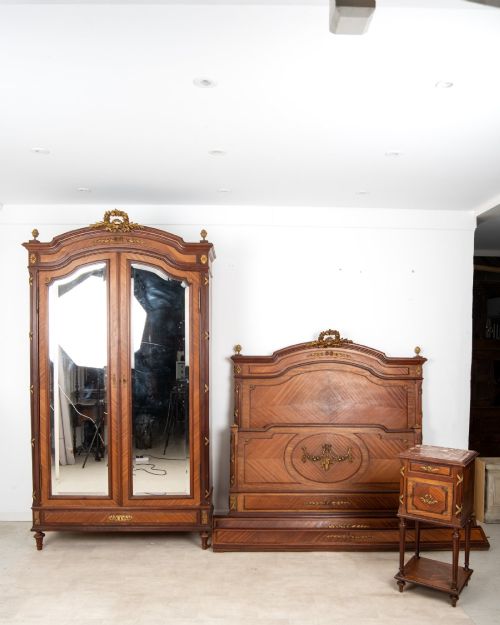
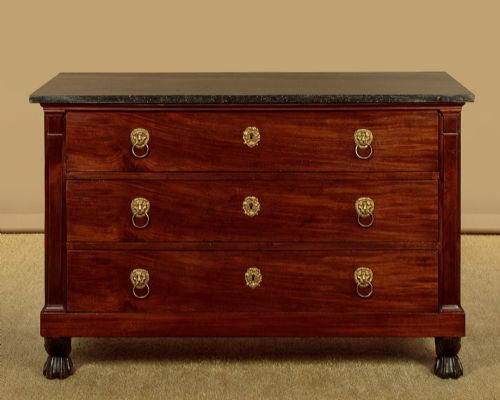
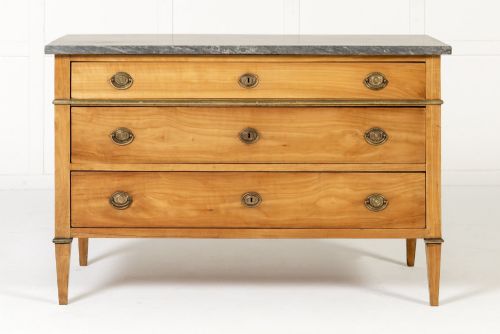
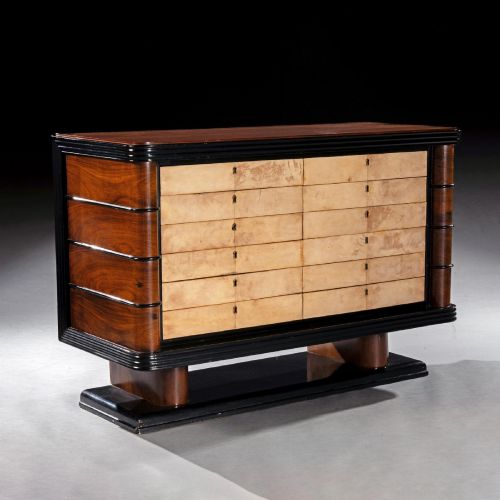
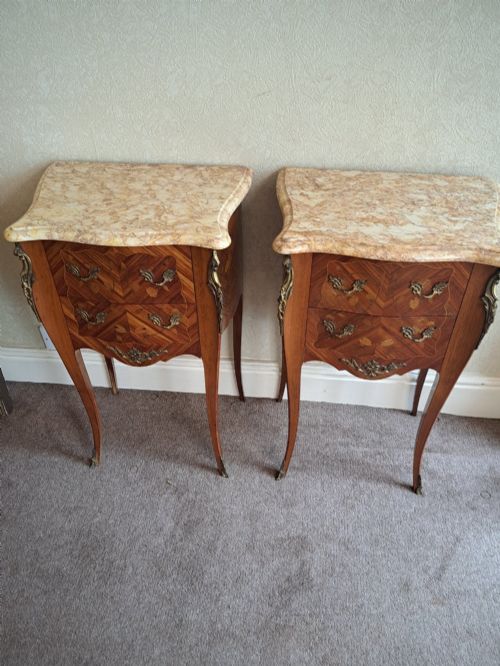
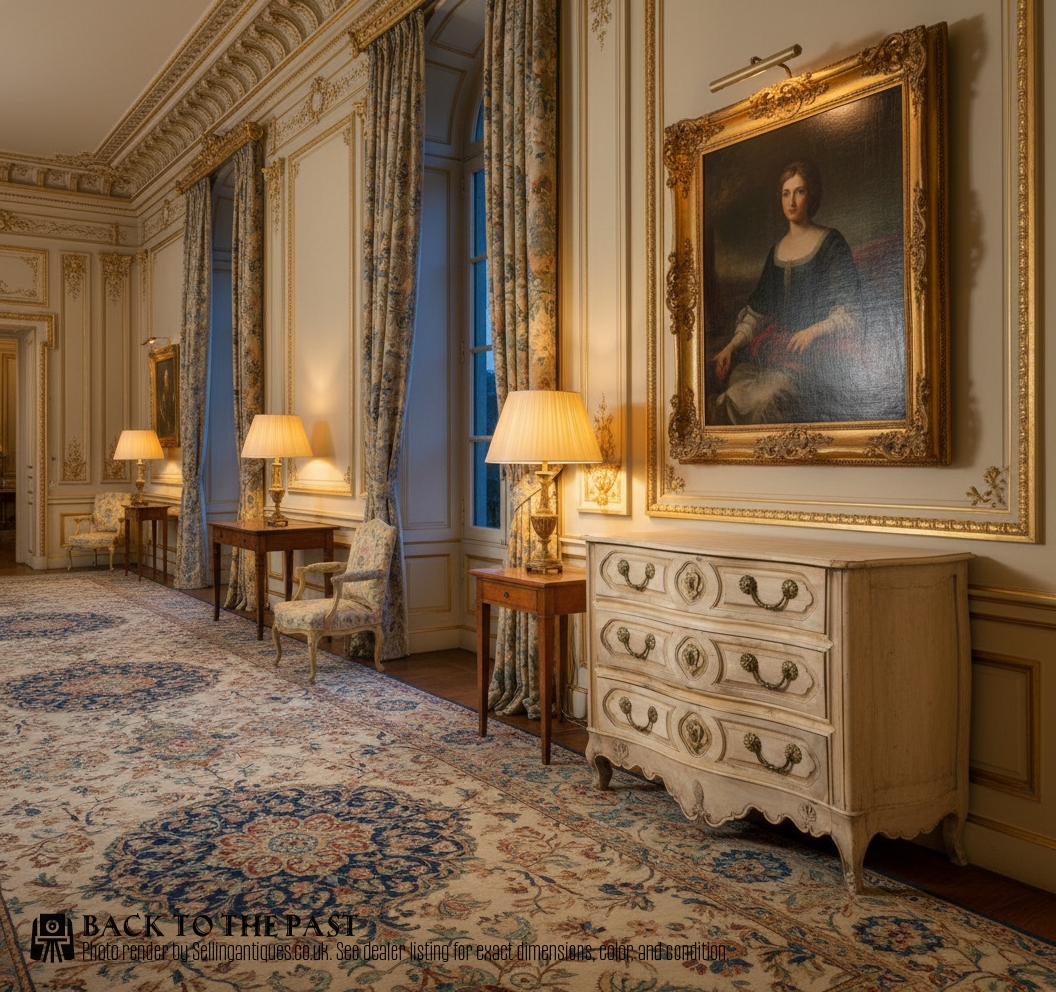
Antique French bedroom furniture covers domestic sleeping quarters pieces from the nineteenth century, including commodes, bedside cabinets and dressing tables. Buyers searching for antique French bedroom furniture encounter substantial suites alongside individual statement chests and tables.
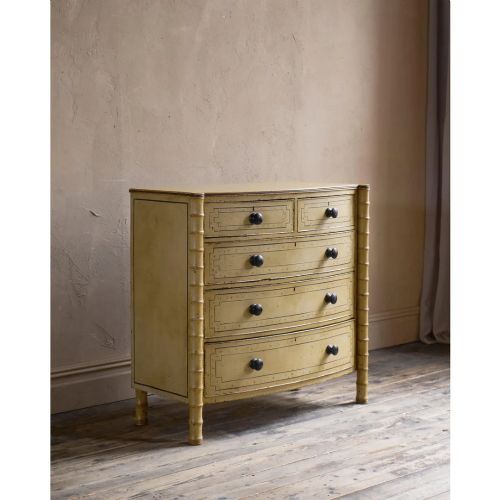
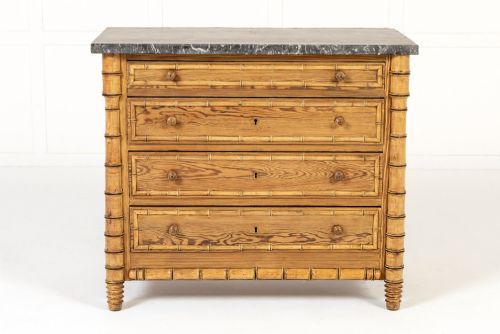
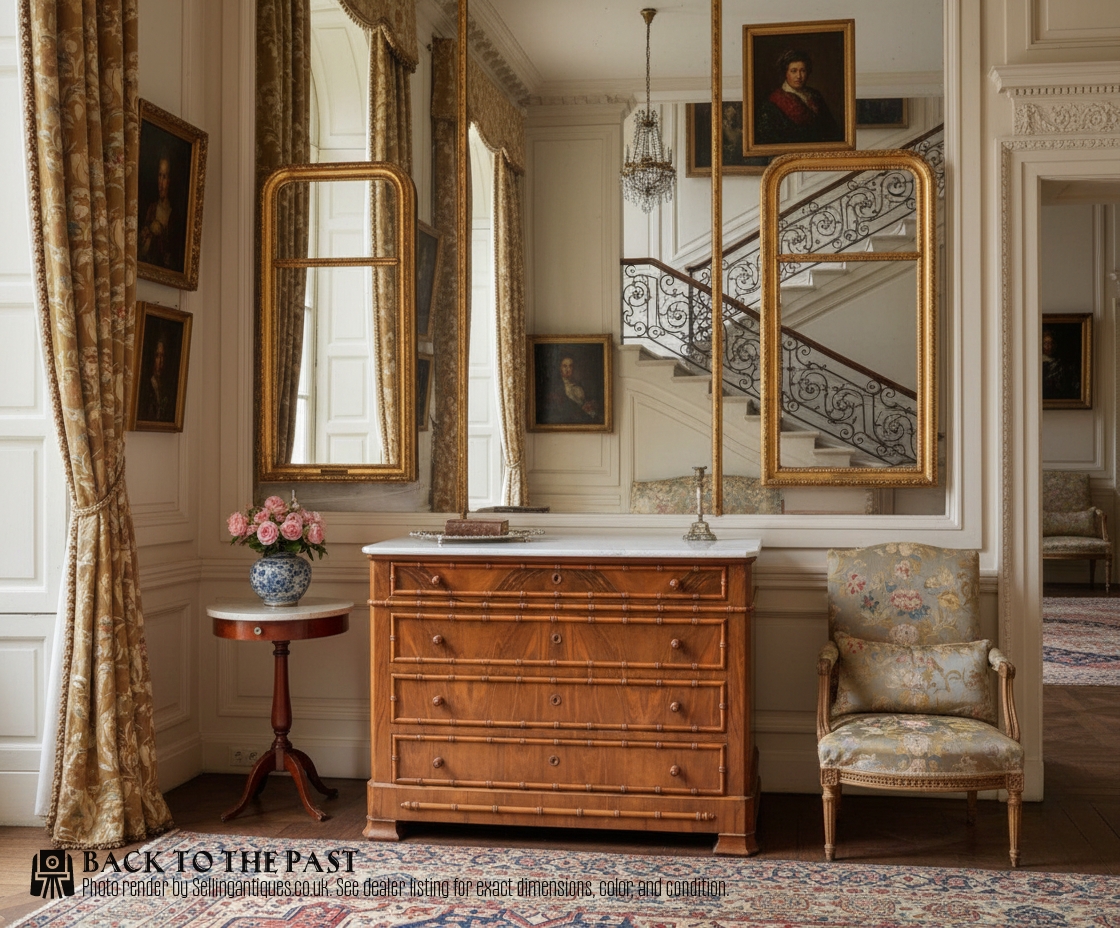
Surviving examples span the nineteenth century, with specific dates recorded from eighteen seventy and eighteen eighty. Forms range from faux bamboo commodes to serpentine chests and multi-piece bedroom suites.
Regional and revival aesthetics shape these pieces, drawing on Louis XV style, Louis XVI style, Empire revival and provincial traditions. Walnut and tulipwood dominate the timber selection, frequently paired with marble tops.
How they were made
Cabinet makers built these pieces using solid and veneered timbers such as walnut, mahogany and tulipwood over sturdy wood foundations. Brass and ormolu mounts provide structural accent and decorative detail across drawers and corners.
Marble tops add heavy, polished stone surfaces to commodes and bedside cabinets, requiring precise joinery to support the weight. Inlay work and wood veneer patterns introduce intricate surface detail without compromising utility.
Retail Price Guide 2026
Typical UK retail prices for french bedroom furniture, calculated from the Sellingantiques database of over a million retail prices indexed since 2003. This retail price guide relies exclusively on Sellingantiques data; no external sources or auction records are used, so the figures do not describe the wider market.
Styles recorded across the current inventory include Louis XV and XVI designs, Empire revival, provincial aesthetics and nineteenth-century faux bamboo work.
What varies in quality
Quality rests on the crispness of timber inlay and the refinement of wood veneer selection across large surfaces like commode drawer fronts. Pieces with integrated ormolu mounts and heavy, well-fitted marble tops show a higher tier of workshop execution.
Cohesion within complete bedroom suites separates standard production from ambitious commissions designed to match wood tones and decorative motifs precisely. Finer proportions in serpentine forms and faux bamboo turnings distinguish master joinery from routine output.
The Antique French Bedroom Furniture Glossary
- Commode
- A low chest of drawers, often fitted with a marble top, originating in France for bedroom use. These pieces serve as focal storage units.
- Ormolu
- Gilded bronze mounts applied to furniture for decorative effect. This technique enhances the visual weight of nineteenth-century revival pieces.
- Poudreuse
- A French dressing table equipped with folding lids and mirrors for grooming. These specialised tables feature compartmented interiors.
- Serpentine
- A curved furniture front curving inward centrally and outward at the sides. This contour requires skilled woodworking.
- Tulipwood
- A pale, finely grained wood utilised for decorative veneers and inlay work. It brings distinct colour variation to nineteenth-century surfaces.
Frequently Asked Questions
What pieces are included in a French bedroom suite?
Complete sets typically comprise multiple matching items designed for nineteenth-century sleeping quarters. The listings show a five-piece suite as an example of this comprehensive approach.
Individual pieces share timber selection, hardware styles and decorative motifs to create a unified room scheme.
How do I identify a commode?
A commode functions as a low chest of drawers, frequently finished with a heavy marble top. Nineteenth-century French versions often feature serpentine fronts or inlaid walnut veneers.
They sit lower than standard tallboys, serving as decorative storage surfaces beside beds or along bedroom walls.
How do I care for marble-topped furniture?
Marble surfaces on commodes and bedside cabinets require gentle cleaning to protect the polished stone from staining. Avoid acidic liquids and harsh abrasives that etch the surface.
Regular dusting and immediate wiping of spills keep the stone top in sound condition alongside the wooden base.