


Antique Framing
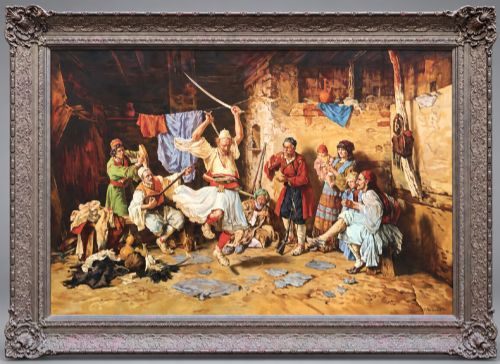
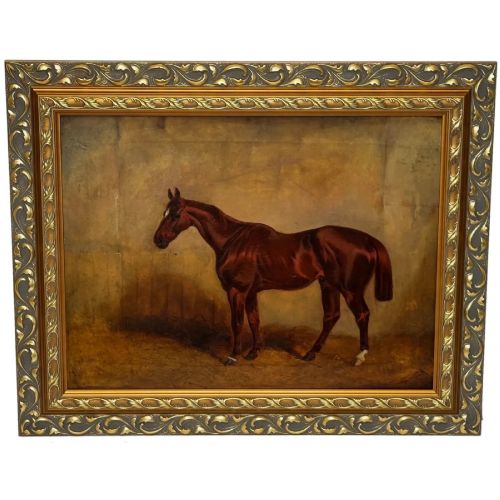
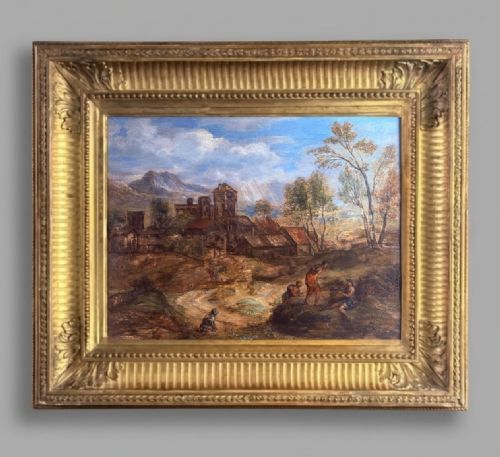
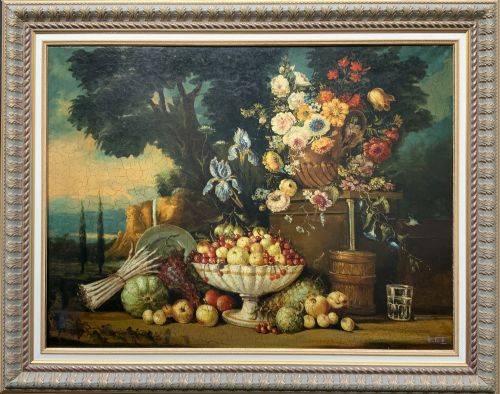
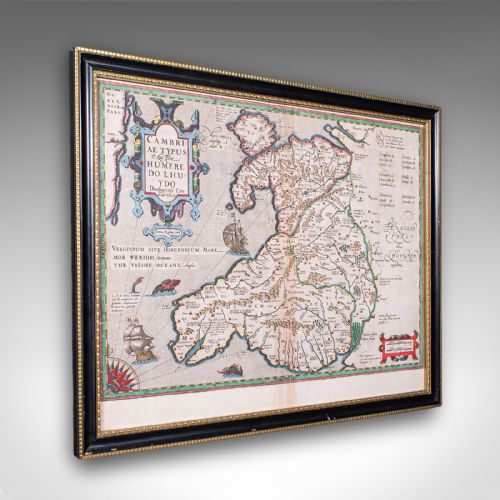
Antique framing brings together centuries of skilled craftsmanship in wood, brass, and giltwood to present oil paintings, mirrors, and maps.
Antique Framing
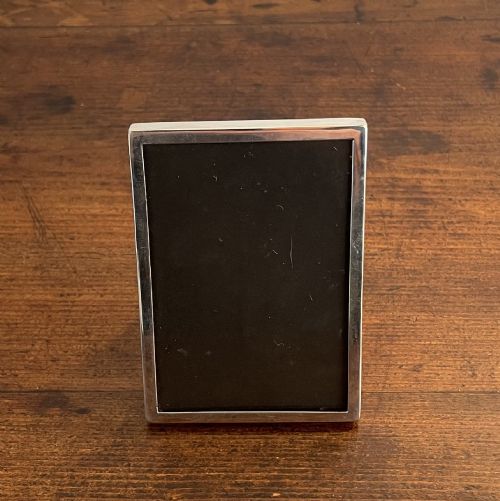
When you search for antique framing, you encounter a diverse selection of housings and surrounds designed for fine art, mirrors, and documents. These pieces span from the seventeenth century through the Edwardian era, incorporating various regional designs.
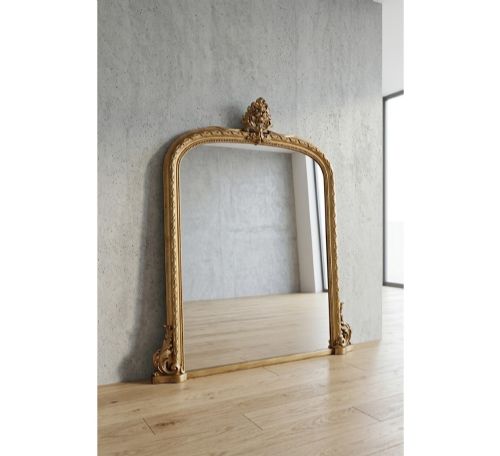
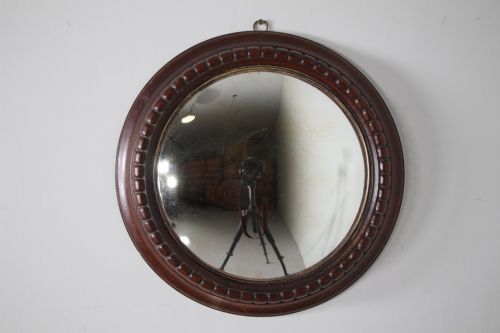
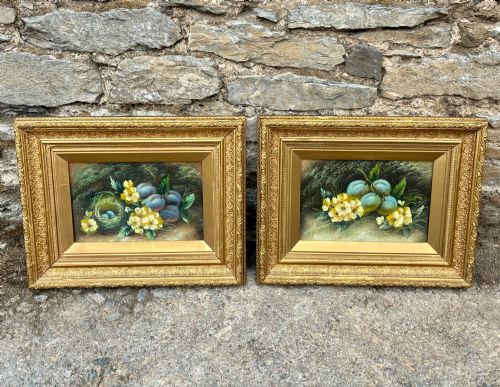
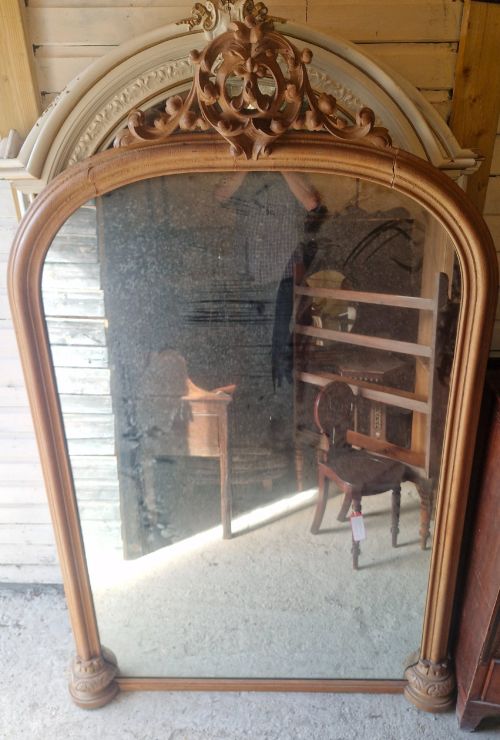
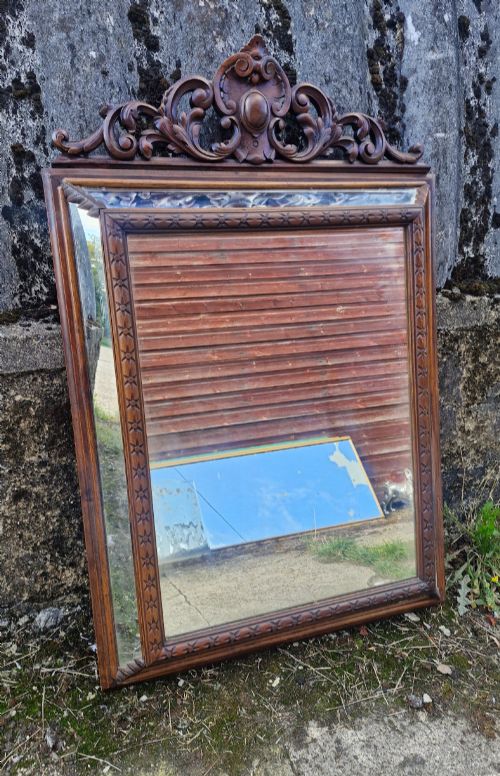
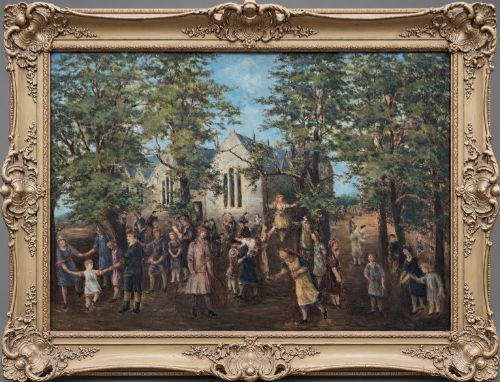
The most common examples on this page are timber and giltwood mouldings used to enclose oil paintings, watercolours, and wall mirrors. These items reflect distinct historical periods, including Victorian, Edwardian, and Regency tastes.
Beyond standard picture housings, the category encompasses architectural surrounds, overmantel mirrors, and specialised enclosures for maps and botanical prints. Each style provides a specific aesthetic context for the artwork or mirror it holds.
Materials and construction methods
Traditional makers built these enclosures using dense timbers such as oak, alongside softer woods prepared for decorative finishes. Joinery techniques relied on precise corner mitres and reinforced joints to maintain structural integrity over centuries.
Surface ornamentation frequently utilised gesso, a plaster-like mixture applied to timber bases to form raised decorative motifs. Artisans then applied thin layers of gold leaf or water gilding over the gesso ground to achieve a brilliant metallic sheen.
Many historical examples incorporate cast brass, iron elements, or glass panels secured within the wooden rebate. These combined materials required careful assembly to support the weight of heavy oil paintings and large wall mirrors.
Some historic surrounds have outlived several different paintings, having changed their interior canvas residents across multiple centuries.
Factors that define quality
The distinction between ordinary and exceptional examples rests upon the depth and precision of the hand-carved ornamentation. Skilled artisans cut directly into the timber or modelled intricate gesso reliefs by hand, creating crisp details rather than relying on uniform pressed compositions.
Surface preservation significantly influences the standing of a piece, particularly the integrity of the original water gilding or gold leaf. Surviving layers that retain their original burnishing and natural patination demonstrate superior historical maintenance.
Structural harmony between the inner rebate, the moulding profile, and the primary material indicates thoughtful workshop production. Pieces that maintain original backing boards, corner blocks, and mounting hardware command greater regard among collectors.
Arsène Rochette of Versailles·Hoskins & Sewell·Jason and Joseph Kohn
The Antique Framing Glossary
- Gesso
- A plaster mixture applied to wood surfaces as a base for painting or gilding. This substance allows artisans to carve intricate relief patterns before applying gold leaf.
- Water Gilding
- A traditional technique using liquid gold leaf applied over a prepared red clay bole. This method permits the gold to be highly polished to a mirror-like finish.
- Rebate
- The recessed groove cut into the inner edge of the moulding. This channel holds the glass, canvas panel, or backing board securely in place.
- Moulding
- A shaped strip of timber or composite material that forms the outer profile. Artisans shape these profiles into various geometric and floral contours.
- Overmantel
- A large decorative surround designed specifically to sit above a fireplace mantelpiece. These grand items often incorporate expansive mirror plates and elaborate crestings.
Antique Framing: Frequently Asked Questions
How do I date an antique frame?
Dating relies on examining the timber species, joinery methods at the corners, and the composition of the gesso layer underneath the finish. Earlier pieces from the seventeenth century often show hand-cut peg joints and dense oak structures.
Later Victorian and Edwardian examples frequently employ machine-sawn timber and standardised mouldings. Comparing the style of the enclosed artwork or mirror can also help confirm the manufacturing period.
What is water gilding?
Water gilding is a traditional technique where gold leaf is laid over a prepared clay base called bole, activated with liquid. This allows the artisan to burnish the gold to a high, reflective shine using an agate stone.
It differs from oil gilding, which uses an oil-based size and produces a more subdued, matte appearance. You can often identify water gilding by the red clay showing through minor areas of wear.
How should I hang a heavy antique frame?
Heavy pieces require robust wall anchors and sturdy hardware screwed directly into wooden studs rather than relying on standard picture wire alone. Using heavy-duty D-rings secured firmly to the side rails distributes the weight evenly.
For very large overmantel pieces, professional installation ensures the wall structure can support the combined weight of the timber, gesso, and glass.
Can antique frames be repaired?
Professional conservators can stabilize loose mitre joints and recast missing sections of gesso ornamentation using traditional recipes. Skilled specialists match the original gold leaf or patination to blend repairs seamlessly into the existing surface.
Minor cleaning should be done gently with a soft brush to avoid disturbing fragile gold leaf or flaking gesso layers.