
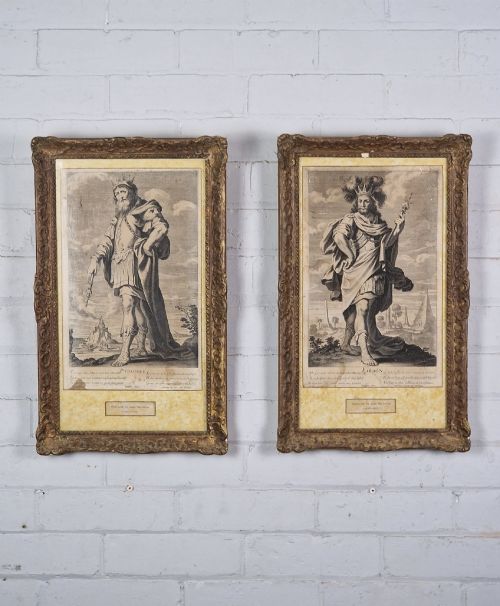
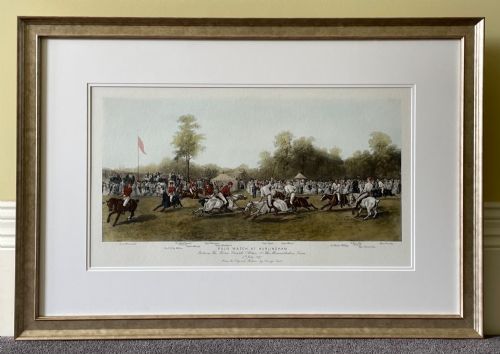


Antique Framed Print
When you search for an antique framed print, you encounter centuries of graphic skill captured behind glass in period surrounds.
Antique Framed Print
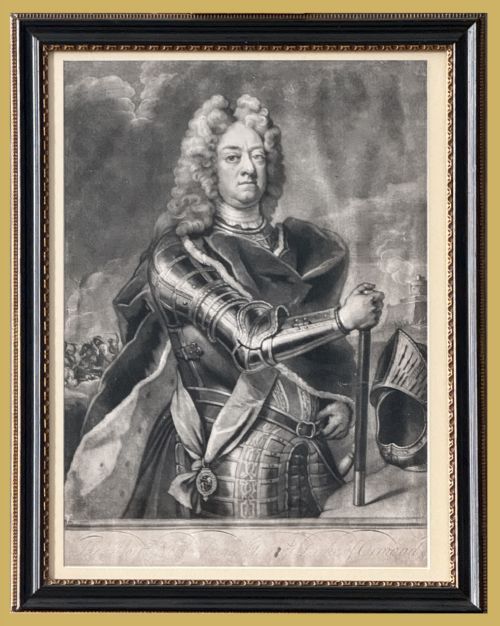
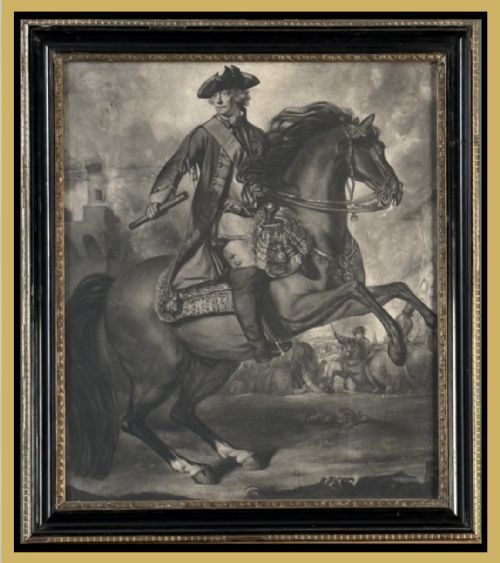
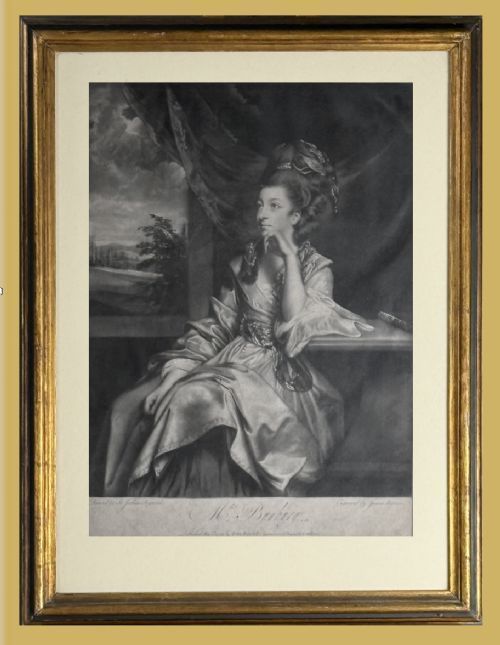
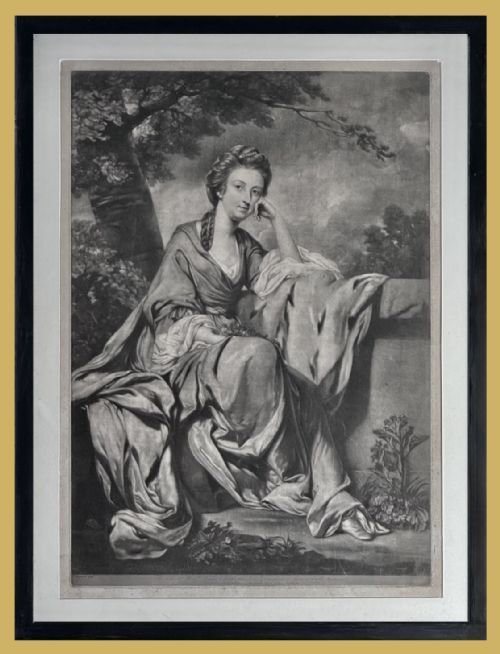
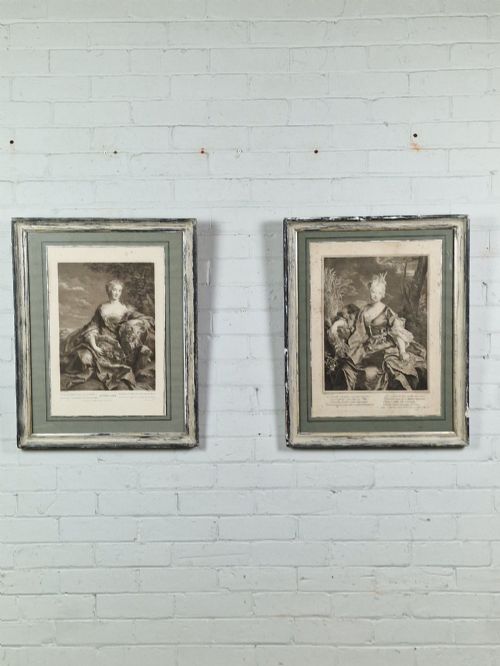
An antique framed print covers a broad spectrum of historical imagery, spanning seventeenth-century portraits, eighteenth-century mezzotints, maps, and botanical studies, down to twentieth-century lithographs and woodblocks. The examples met on this page range from grand aristocratic portraiture after Joshua Reynolds and fine French engravings to Japanese bird studies and domestic advertising ephemera.
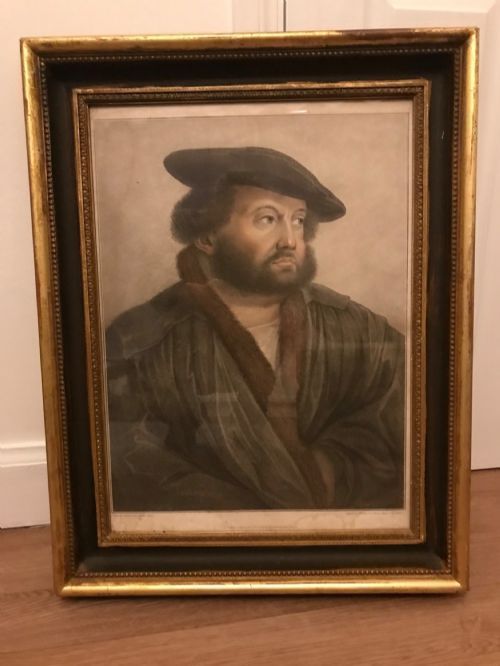
The physical objects combine the central paper artwork with protective glass and a supportive housing of wood, often finished in gold leaf or gilt. Buyers encounter diverse manifestations, from reverse glass paintings and stipple engravings to botanical plates and topographical maps of distant colonies.
How they were made
The construction relies on traditional printmaking techniques combined with manual finishing, utilising ink pressed onto paper plates through etching, mezzotint, lithography, or woodblock methods. Many pieces incorporate hand colouring applied directly to the printed surface, alongside pastel and watercolour elements.
Framing materials typically involve timber frameworks, sometimes enhanced with gilt wood or gold leaf accents, designed to protect the fragile paper beneath glass barriers.
Antique Framed Print Retail Price Guide 2026
Typical asking prices for framed print among the pieces listed under this phrase on Sellingantiques today, from the lower quarter to the upper quarter. They describe what is for sale here now, not the wider market.
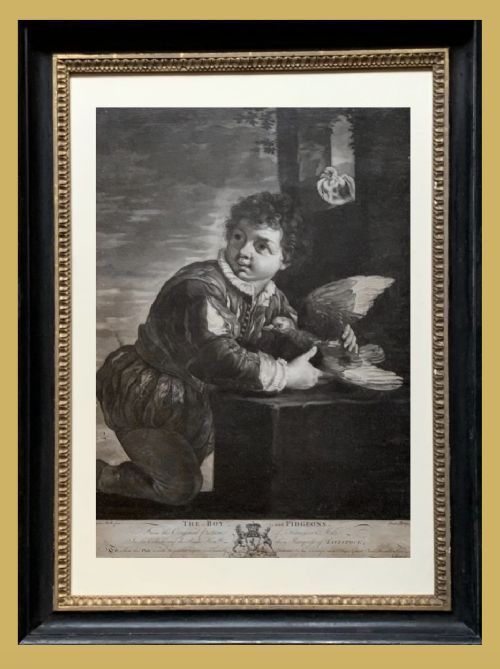
Several dogs and pigeons make unexpected guest appearances alongside dukes, maps, and botanical birds.
What varies in quality
Quality separates by the precision of the plate impression, the crispness of the ink work, and the fidelity of any applied hand colouring. Early print runs preserve finer details from the artist's original strokes than later copies.
The integrity and period appropriateness of the surrounding frame, glass, and mounting materials dictate the overall cohesion and preservation state of the piece.
John Simon·Edward Fisher·Kurt Lorein Victor Peiser·John Boydell·James Watson·Francesco Bartolozzi·Jean Mariette·John Smith·Sir William Nicholson·François-Nicolas Martinet·Charles Spooner·Valentine Green·Jiohan Elis Haid·W Dickinson
The Antique Framed Print Glossary
- Mezzotint
- A printmaking process of the intaglio family where the plate is roughened to produce dark tones and scraped to create highlights. It was widely utilised for rich portraiture.
- Lithograph
- A planographic printing process based on the chemical repulsion of oil and water on a limestone or metal plate. This method allowed for smooth tonal gradations in later periods.
- Woodblock
- A relief printing technique where ink is applied to the raised areas of a carved wooden block. Japanese masters employed this method for intricate multi-coloured scenes.
- Stipple engraving
- A method of dotting the printing plate to produce soft shadows and varied tones. Practitioners used this technique extensively for delicate portrait reproductions.
- Reverse glass
- A technique where the painting or coloured print is applied directly to the rear side of the glass panel. This method produces a glossy, preserved surface appearance.
Antique Framed Print: Frequently Asked Questions
How do I date an antique framed print?
Dating relies on examining the paper type, printing technique, and stylistic markers of both the image and its framing elements. Technological shifts in printmaking from mezzotint to lithography help narrow the production window.
The accompanying subject matter, sitter costumes, and biographical dates of the engraver or publisher provide further historical anchors for the piece.
Are these prints original period pieces?
The inventory comprises genuine historical works printed during their respective centuries, alongside vintage impressions from later decades. Catalogues record the precise production era for each item.
Material analysis of the paper and ink helps differentiate original early strikes from modern reproductions.
How should I care for antique prints?
Protect works on paper from direct sunlight to prevent the fading of inks, watercolours, and hand-applied colours. Maintaining stable indoor humidity prevents paper warping and foxing.
Keep the original glass and timber frames intact whenever possible to preserve the historical integrity of the assembly.
What subjects are most common?
Portraits of historical figures, military leaders, and nobility dominate the earlier centuries, often engraved after major painters like Joshua Reynolds. Botanical studies, maps, and avian subjects also appear frequently.
Later periods introduce decorative advertising pieces, sporting scenes, and landscape views.