

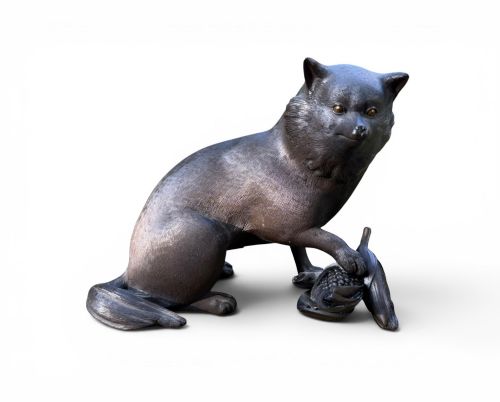


Antique Fox Sculpture
An antique fox sculpture captures the intelligence and movement of the animal in bronze, porcelain, or carved timber, bringing character and enduring British and continental artistry to any room.
Antique Fox Sculpture
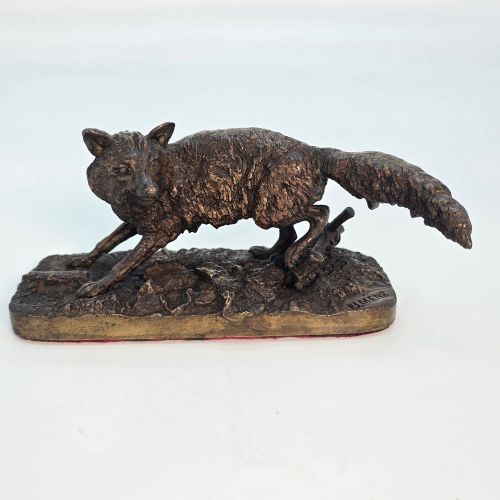
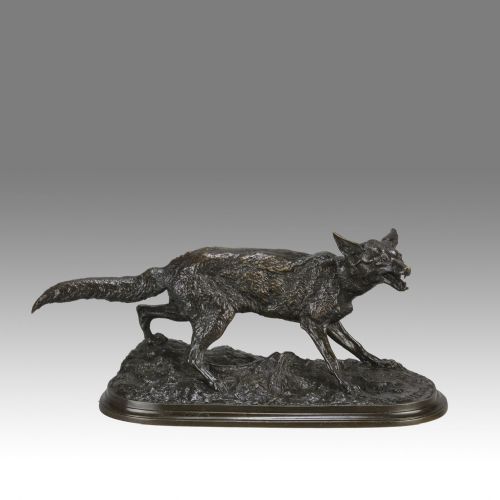
An antique fox sculpture represents the natural form and dramatic pursuits of the animal, frequently rendered in the realistic animalier tradition popular during the nineteenth and early twentieth centuries. When searching for an antique fox sculpture, collectors encounter a variety of forms ranging from standalone studies to complex hunting groups and functional inkwells.
The pieces available span the nineteenth century through the Edwardian period and the Art Deco era, originating from British, French, German, Austrian, and Japanese workshops. Common presentations include bronze figures mounted on marble or green onyx bases, carved wood wall pieces, and glazed porcelain figurines.
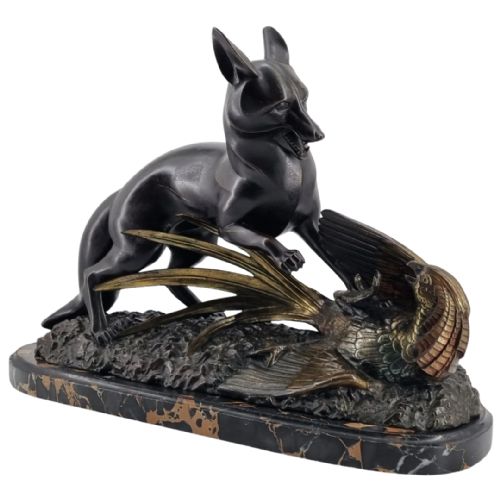
Buyers will find that many examples focus on naturalistic postures, while others depict the animal in narrative scenes, such as confronting prey or interacting with hounds. The diversity of materials means these works function equally well as cabinet pieces, mantel ornaments, or table centrepieces.
Materials and Construction Techniques
The majority of these works employ traditional metal casting, utilising bronze or silvered bronze shaped through the lost-wax method to achieve fine anatomical detail. Foundries often applied cold-painted finishes or rich patinas directly to the metal surface to delineate fur and colouration.
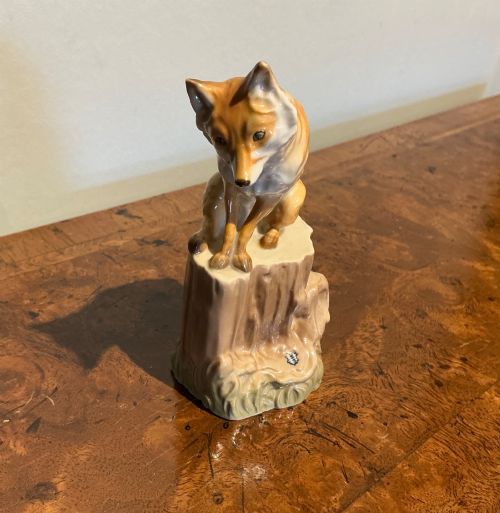
Ceramic examples rely on moulded porcelain, including Parian ware and glazed earthenware produced by European potteries, where surface painting and firing temperatures define the final appearance. Carved timber pieces utilise hardwoods like lindenwood, shaped with gouges and chisels in regional European workshops such as the Black Forest.
Antique Fox Sculpture Retail Price Guide 2026
Typical asking prices for fox sculpture among the pieces listed under this phrase on Sellingantiques today, from the lower quarter to the upper quarter. They describe what is for sale here now, not the wider market.
One exceptional nineteenth-century bronze portrays Mr Fox relaxing in his nightgown as an inkwell.
What Separates Examples
Quality in these works rests upon the fidelity of the anatomical modelling and the crispness of the cast or carving, where the musculature and texture of the fur appear convincing rather than generic. Superior pieces demonstrate careful attention to expression and dynamic balance, particularly in complex multi-figure hunting groups.
The choice and execution of the base or mount also contribute to overall merit, with fitted marble and green onyx plinths providing stability and proportion to metal studies. Furthermore, the depth, richness, and preservation of the original patina or cold-painted surface distinguish standard decorative items from masterworks.
Pierre-Jules Mêne·Lavroff·Clovis Masson·John Willis Good
The Antique Fox Sculpture Glossary
- Animalier
- A nineteenth-century artistic movement dedicated to the realistic portrayal of animals, particularly in bronze sculpture. Practitioners of this style focused on capturing the anatomy and movement of wildlife and domestic beasts.
- Cold-painted bronze
- A technique where bronze sculptures are painted with oil or enamel colours after casting, rather than undergoing high-temperature firing. This method allows for subtle polychrome effects on fur and foliage.
- Parian ware
- A fine-grained, unglazed porcelain resembling white marble, developed in nineteenth-century England. It was frequently utilised for portrait busts and detailed animal figures.
- Okimono
- A Japanese term for a decorative statue or ornament designed for display on a shelf or in a tokonoma alcove. These small-scale sculptures often display meticulous craftsmanship in metal or ivory.
- Patina
- The surface coloration and sheen acquired by metal through age or chemical treatment. A well-preserved patina enhances the visual depth of bronze castings.
Antique Fox Sculpture: Frequently Asked Questions
What materials are most common?
Bronze is the predominant medium found across these pieces, frequently paired with marble or green onyx bases. Other materials include carved lindenwood, glazed and Parian porcelain, and silvered bronze.
The variety of materials reflects the different regional traditions of European and Japanese workshops during the nineteenth and early twentieth centuries.
How do I identify animalier bronzes?
Animalier bronzes are characterised by realistic anatomical rendering and dynamic poses depicting animals in natural settings or action. They often bear the signature or foundry mark of the artist on the bronze base.
Examining the crispness of the fur texture and the depth of the casting will help distinguish quality pieces.
Where should I display these sculptures?
These sculptures suit placement on mantelpieces, bookshelves, desks, or dedicated display cabinets where their details can be appreciated up close. Pieces mounted on heavy marble or onyx bases provide stable freestanding ornaments.
Wall carvings require secure fixings suited to the weight of the timber.
How do I date an antique sculpture?
Dating relies on stylistic markers, such as the transition from nineteenth-century realism to stylized Art Deco forms in the 1920s. Foundry marks, signatures, and the type of base material also provide chronological indicators.
Comparing the casting technique to known historical periods helps confirm the era of production.