




Victorian Bronze Animal
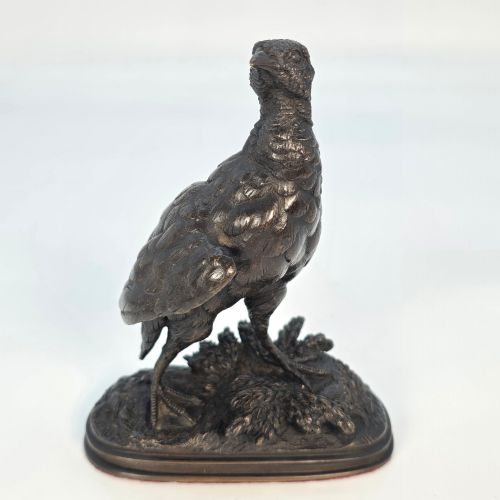
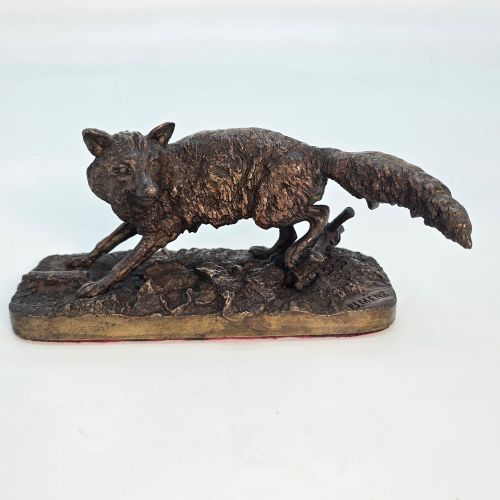
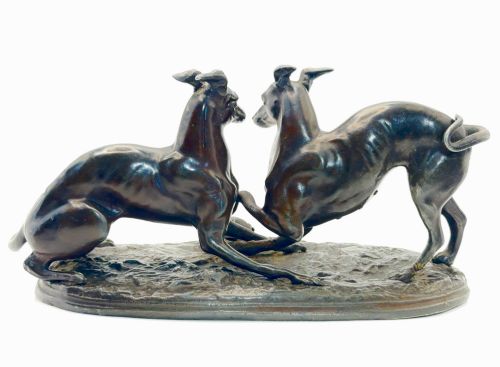
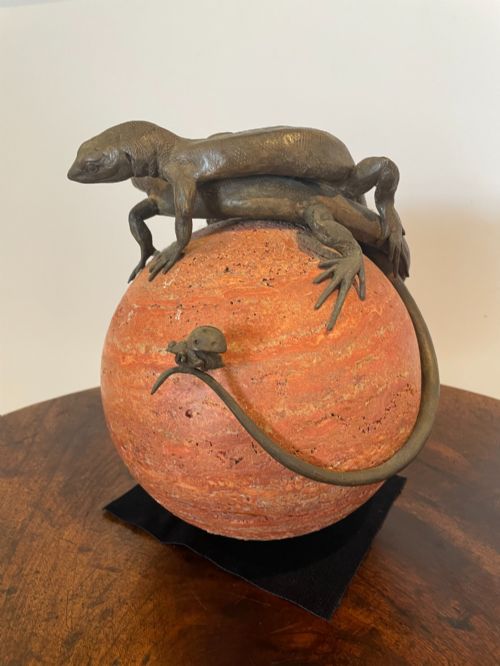
A victorian bronze animal brings the natural world indoors through metalwork shaped into dogs, birds and bulls.
Victorian Bronze Animal
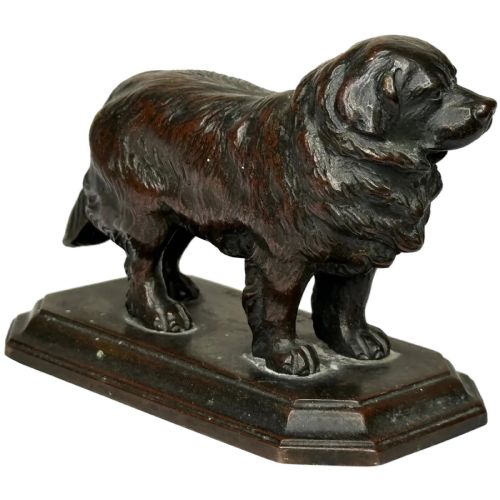
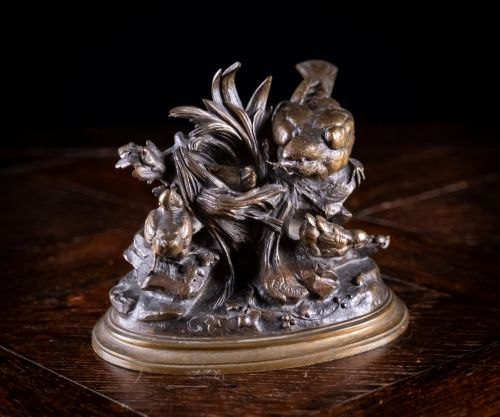
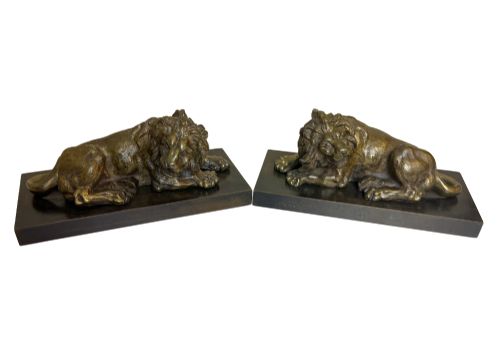
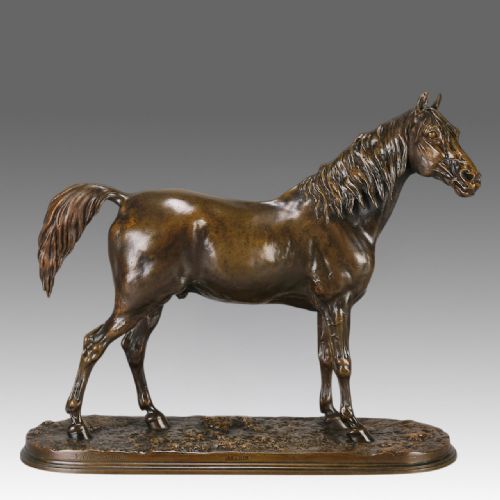
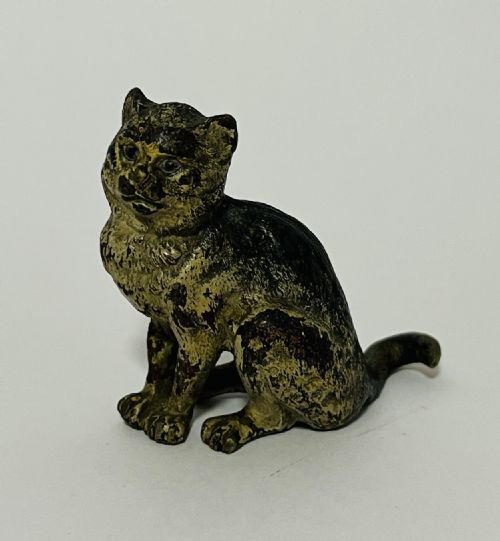
A victorian bronze animal comprises metal sculptures and figurines depicting domestic creatures, wildlife and exotic beasts. These pieces originate primarily from the nineteenth century, capturing subjects ranging from working dogs to birds and big cats.
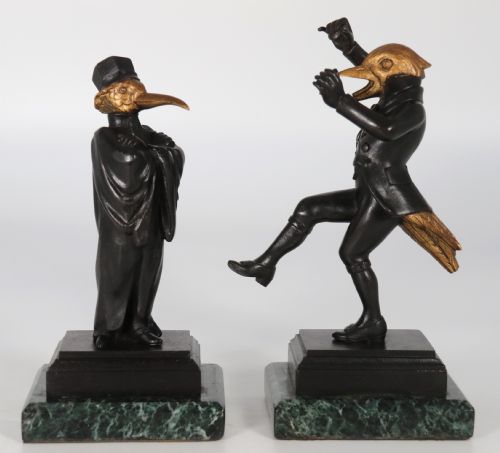
Buyers encounter French animalier bronzes alongside Austrian cold painted pieces and English novelty items like inkwells. The forms vary from miniatures to substantial figures incorporating marble, glass and paint.
The selection reflects both naturalistic studies by named European sculptors and whimsical tabletop ornaments. Dogs, horses and wild animals dominate the offerings across the period.
Materials and methods
The objects are produced using bronze cast through traditional foundry methods, sometimes finished with patination, cold painting or gilt surfaces. Certain pieces combine the metal with carved marble bases or glass eyes to enhance the realism.
Cold painting involves applying polychrome pigments directly onto the cooled metal surface, a technique frequently utilised in Austrian workshops. Patination treatments use chemical solutions to alter the tone of the bronze, creating varied brown, green or dark finishes.
Victorian Bronze Animal Retail Price Guide 2026
Typical asking prices for victorian bronze animal among the pieces listed under this phrase on Sellingantiques today, from the lower quarter to the upper quarter. They describe what is for sale here now, not the wider market.
Materials appearing across the inventory include patinated bronze, gilt bronze, cold paint, marble and glass.
Assessing quality
Quality rests upon the precision of the casting and the fidelity of the anatomical modelling. Master sculptors achieve tension and texture that lesser foundry work misses entirely.
Louis Emile Cana·P J Mêne·Prosper Lecourtier·Antoine Louis Barye·Isadore Bonheur·Auguste Nicholas Cain·Jules Moigniez·Arthur Waagen·Franze Bergman·Alfred Dubucand·Antoine-Felix Bouré
The Victorian Bronze Animal Glossary
- Animalier
- A nineteenth-century artistic movement dedicated to the realistic portrayal of animals, particularly in action. Practitioners studied anatomy closely at zoological gardens.
- Cold Painted Bronze
- Metal sculpture decorated with unfired paint applied after casting. This technique gained immense popularity in Vienna during the late nineteenth century.
- Patination
- The surface coloration of bronze resulting from chemical oxidation or applied treatments. It protects the metal while defining the visual depth of the sculpture.
- Inkwell
- A desktop desk accessory designed to hold ink, frequently incorporating figural animal models in bronze during the Victorian era.
Victorian Bronze Animal: Frequently Asked Questions
What is a cold painted bronze?
Cold painted bronze refers to metal figures decorated with oil or enamel paints that are applied without kiln firing after the casting process is complete.
This method allowed Austrian workshops to produce brightly coloured birds, dogs and human figures with vivid surface detail.
How do I identify animalier bronzes?
Animalier bronzes display intense anatomical accuracy and often depict wild animals locked in movement or resting.
These pieces emerged strongly in nineteenth-century France through the work of specialised sculptors studying captive animals.
Were these figures used as inkwells?
Many Victorian animal bronzes served practical desktop functions alongside their decorative appeal, incorporating hinged lids and glass inserts for ink.
Dogs, stags and birds frequently appeared on these functional desk accessories.
How should I clean a bronze animal?
Dust bronze figures gently with a soft, dry brush to preserve the patination or painted surface.
Avoid using water, chemical polishes or abrasive cloths that might strip the original finish.