

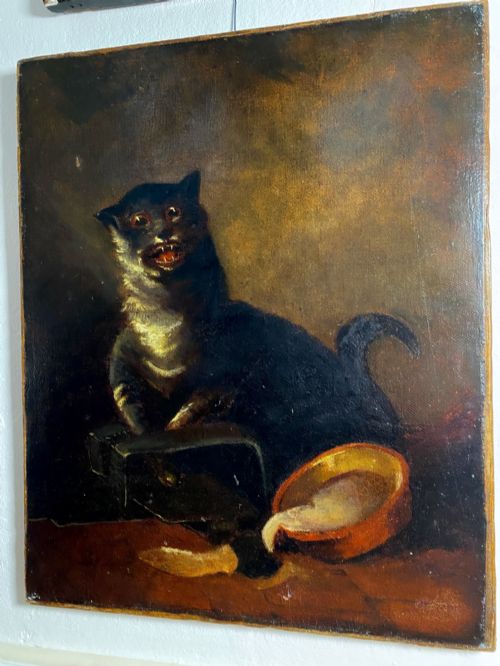
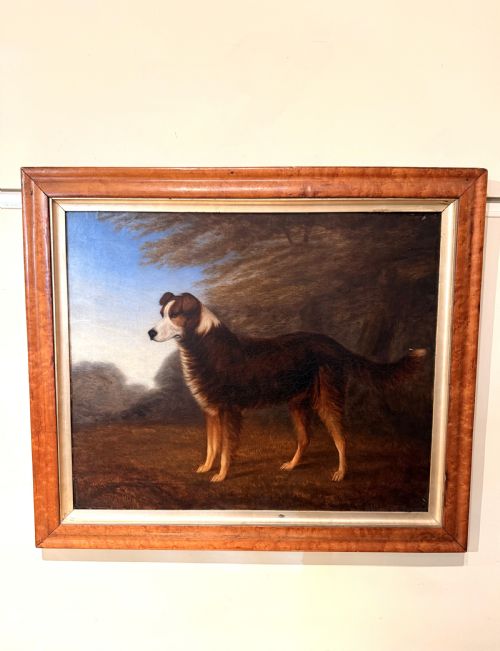
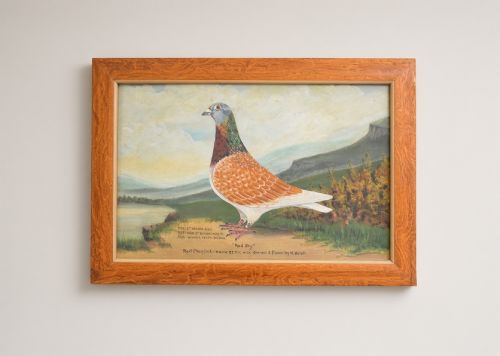
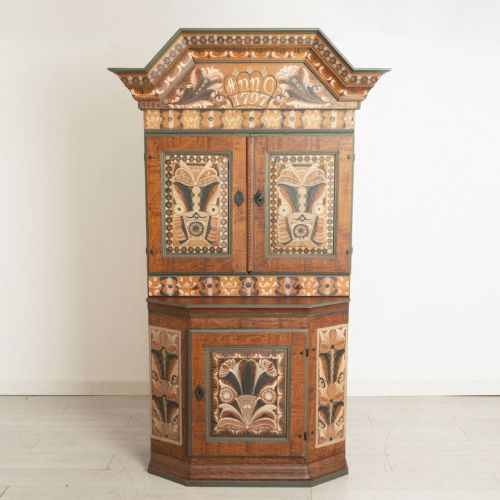
Antique Folk Painting
When you seek an antique folk painting, you find works driven by unpretentious hand and provincial eye.
Antique Folk Painting
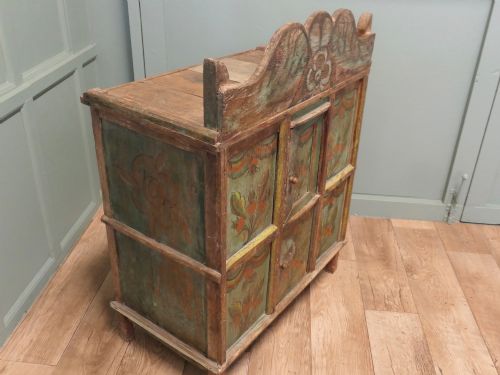
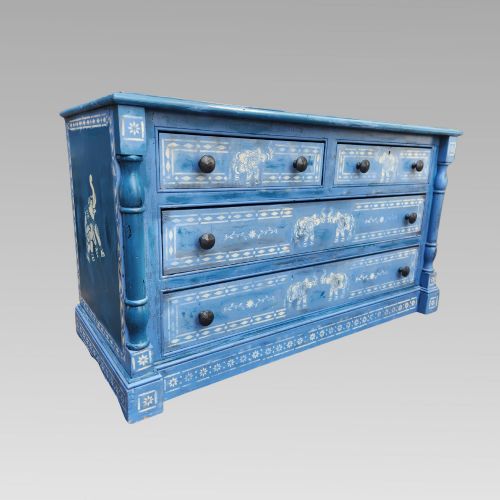
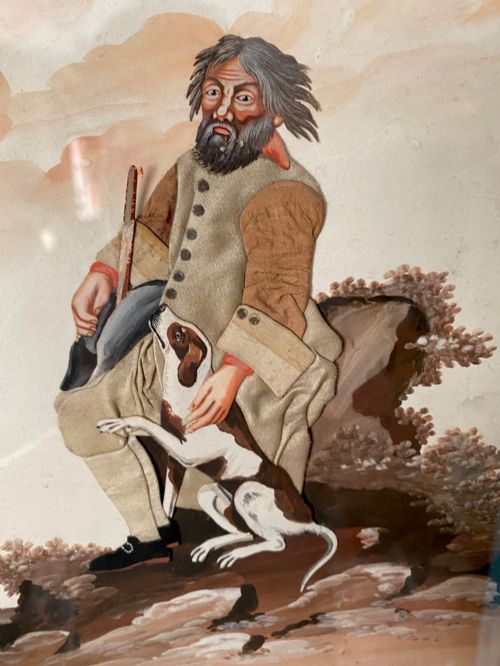
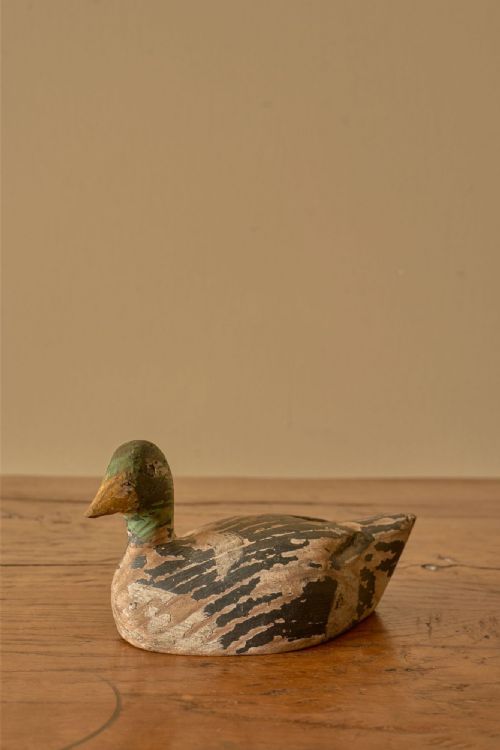
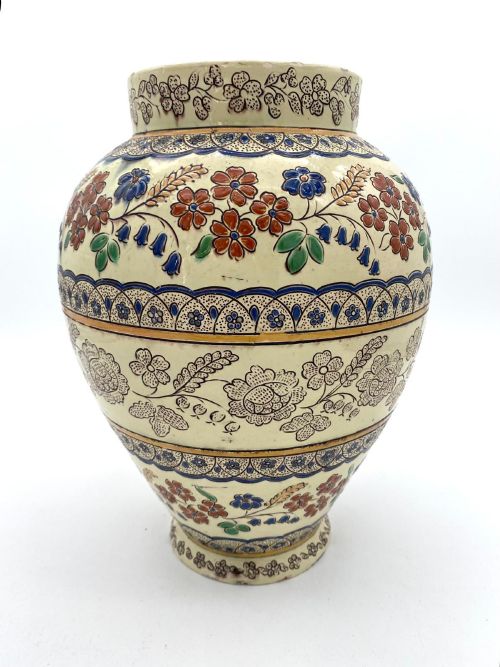
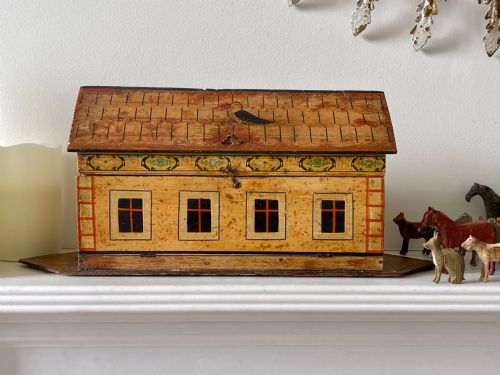
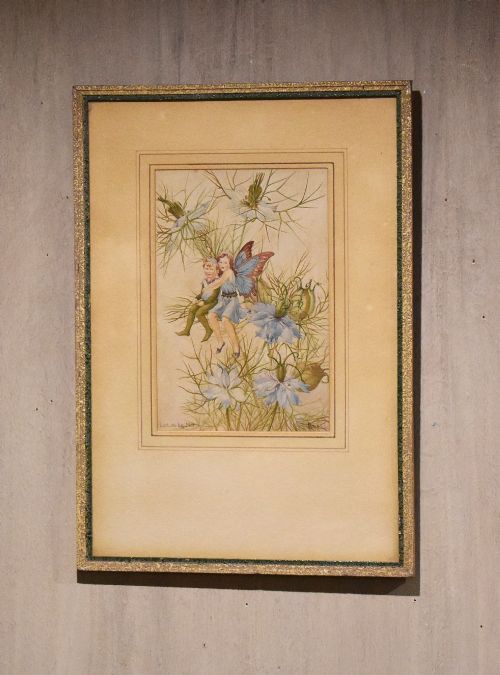
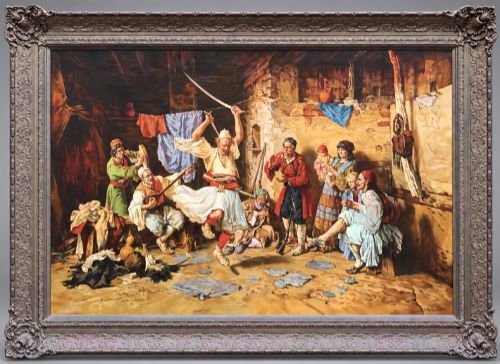
An antique folk painting comprises works executed outside academic convention, often by self-taught hands recording local scenes, portraits, and domestic subjects. You meet these pieces on canvas, wood panels, glass, tin, and textile across various periods from the eighteenth century through the twentieth.
The selection ranges from naive oils and watercolours to painted pine panels and tin works. Regional variations include Swedish folk art, naive school portraits, and provincial British or European works.
Buyers look for directness of expression and the unstudied perspective characteristic of rural and vernacular workshops. These objects bridge fine art and domestic craft, reflecting the everyday visual culture of past communities.
How they were made
Makers applied oil paint, watercolour, or polychrome decoration directly to supports of pine wood, canvas, glass, or tin. Metal components, iron strapwork, and gold leaf occasionally appear alongside plain ground pigments.
Surfaces were frequently prepared simply, utilising local timber or repurposed materials, then finished with hand-mixed paints. Brushwork remains direct and unpolished, prioritizing narrative or decorative impact over strict proportion.
Antique Folk Painting Retail Price Guide 2026
Typical asking prices for folk painting among the pieces listed under this phrase on Sellingantiques today, from the lower quarter to the upper quarter. They describe what is for sale here now, not the wider market.
Regional styles include Scandinavian country traditions, Flemish naive works, and British provincial portraiture.
What varies in quality
Quality rests upon the strength of the composition and the integrity of the surviving paint surface. Stronger examples exhibit confident, expressive brushwork and well-preserved polychrome colour rather than decorative overpainting.
The charm of naive proportion distinguishes superior pieces, where anatomical or perspective errors feel intentional and full of character. Condition of the underlying wood, tin, or canvas also dictates desirability.
Marjorie L Davies·Holley Bros·R.D. Roberts·Vishnyakov Workshop
The Antique Folk Painting Glossary
- Naïve art
- Work produced by an artist lacking formal academic training, characterised by flattened perspective and direct depiction. It values emotional truth over technical proportion.
- Polychrome
- Decorated or executed in several colours. This describes objects or panels finished with multiple painted pigments.
- Provincial
- Originating from regions outside the capital or major cultural centres. It often denotes local styles and traditional methods.
- Folk art
- Utilitarian and decorative objects created by rural artisans and ordinary people. The style relies on community traditions rather than academic movements.
Antique Folk Painting: Frequently Asked Questions
What is an antique folk painting?
An antique folk painting is a work created outside academic traditions by self-taught or provincial artists. These pieces capture local scenes, portraits, and decorative subjects using oil paint, watercolour, or tin.
They reflect the domestic culture and rural aesthetics of periods spanning the eighteenth to the twentieth centuries.
How do I date an antique folk painting?
Dating relies on examining the substrate materials, such as aged pine, handmade tin, or early canvas weaves. Pigment analysis and framing techniques also help determine the period.
Inscriptions, dates on the reverse, and stylistic markers provide further chronological clues.
Where were these paintings displayed?
These works hung in farmhouses, provincial homes, and local institutions rather than grand salons. They served as domestic decoration, trade signs, or personal mementoes.
Their unpretentious nature suited everyday living spaces across rural communities.
How should I care for a folk painting?
Protect painted wooden and canvas surfaces from direct sunlight and drastic humidity changes. Keep the environment stable to prevent paint flaking or wood warping.
Dust gently with a soft, dry cloth without applying chemical cleaning agents.