

Antique Folding Vanity
An antique folding vanity brings mechanical ingenuity and personal grooming together in mahogany, walnut, and brass for the dressing room or bedroom.
Antique Folding Vanity
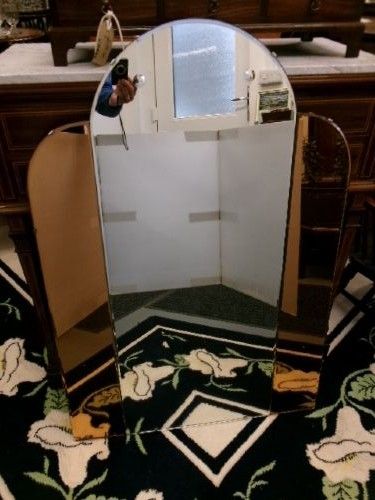
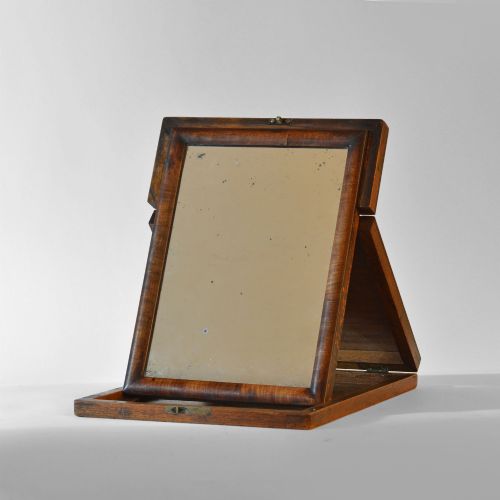
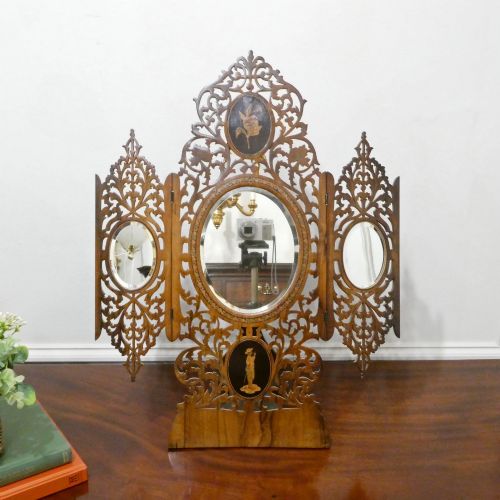
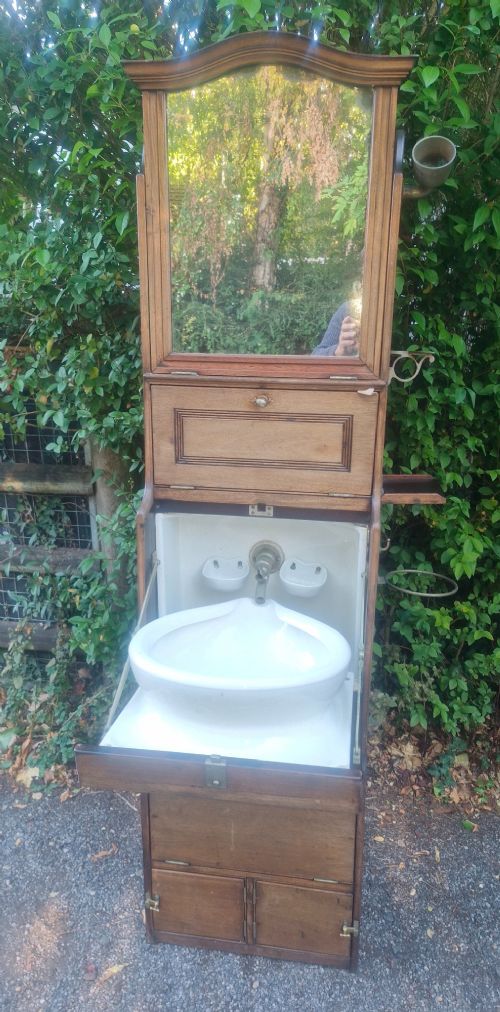
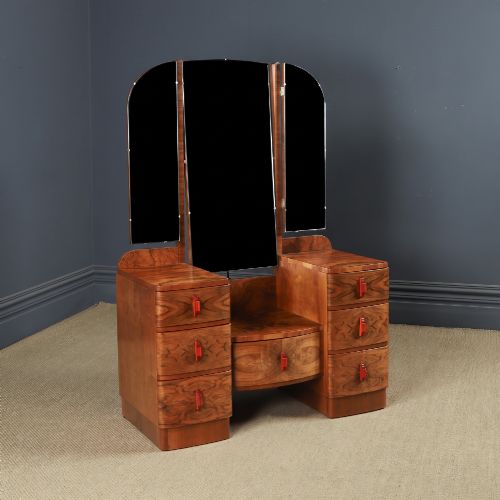
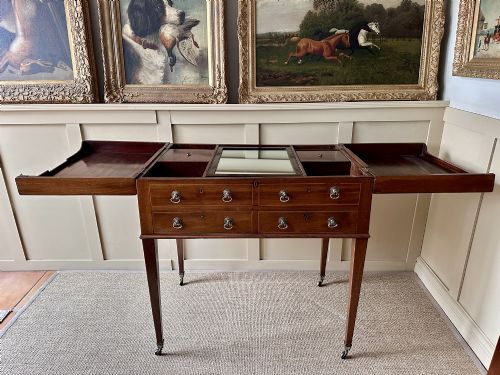
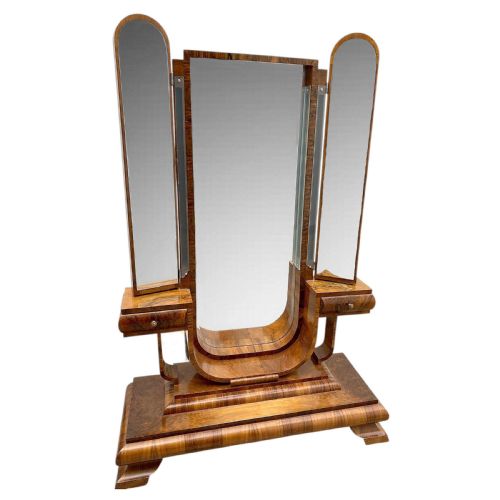
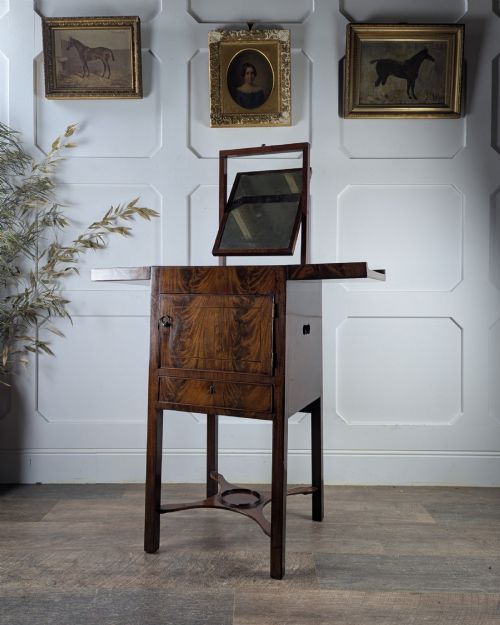
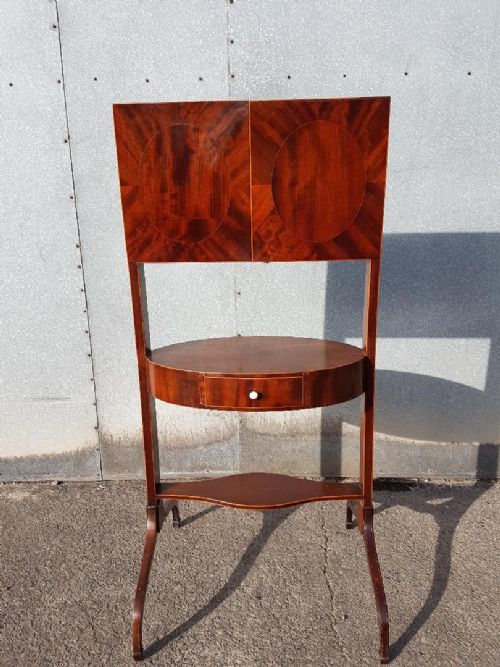
An antique folding vanity covers a diverse group of objects designed for personal grooming that collapse, fold, or conceal their components when not in use. These include campaign washstands, gentleman's shaving cabinets, fold-out mirrors, and screens from periods spanning the eighteenth century through the 1930s.
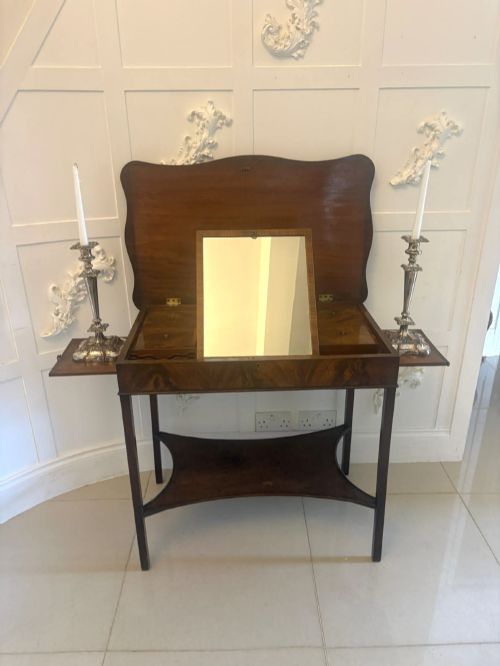
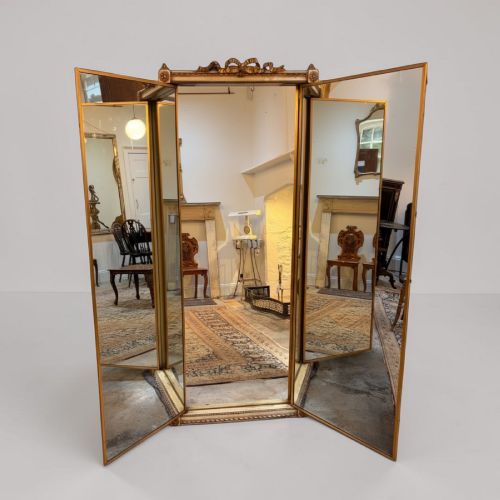
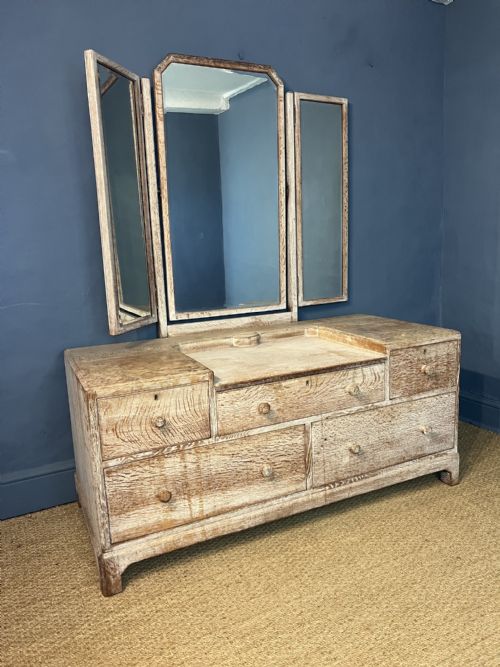
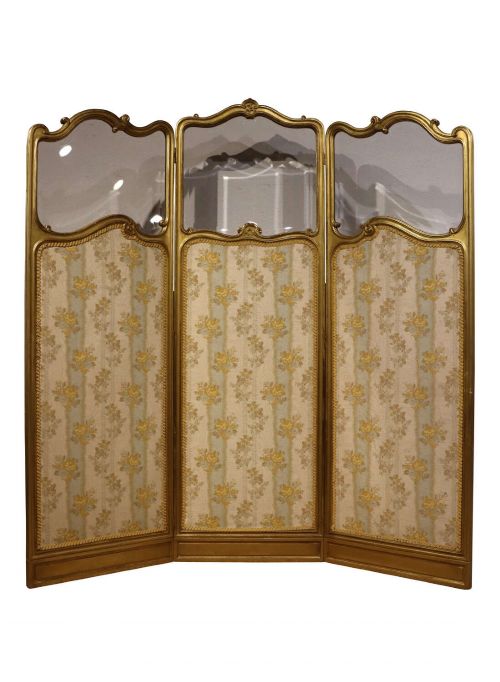
The most frequent examples found in this collection are Georgian mahogany washstands and folding mirrors, alongside early twentieth-century French triptych dressing mirrors and screens. Buyers will also encounter specialised travelling boxes and ship's furniture built for maritime or portable use.
These items served practical functions in bedrooms, dressing rooms, and on board vessels, offering discreet storage for basins, mirrors, and shaving gear. Their clever hinges, drop-leaf surfaces, and pivoting panels reflect the period demand for space-saving multi-functional furniture.
Materials and construction methods
Cabinetmakers utilised dense timbers such as mahogany, walnut, satinwood, and oak, often applying boxwood inlay, crossbanding, or kingwood and rosewood veneers to enhance the exterior surfaces. Brass hardware, including hinges, campaign handles, and swing-out brackets, provided the mechanical strength necessary for folding components.
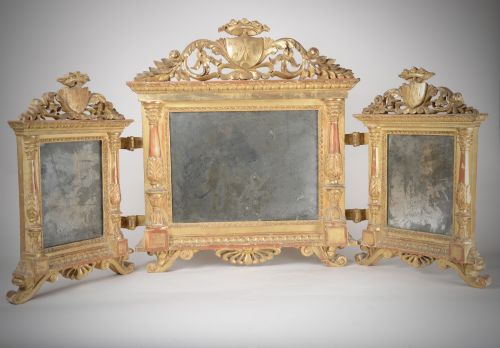
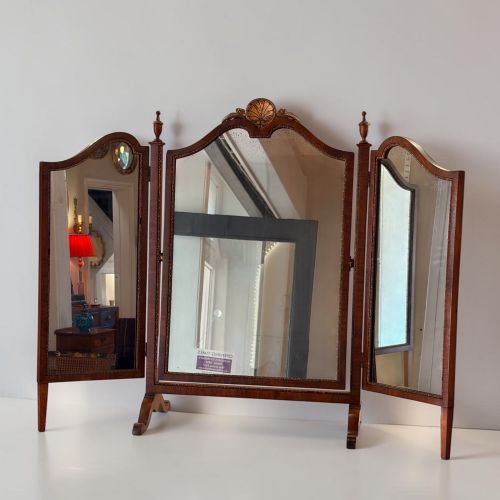
Mirrors incorporated bevelled glass plates, sometimes arranged in triptych or triple-fold configurations supported by giltwood, brass, or wooden frames. Washstands and vanity cabinets combined these woods with marble tops, ceramic basins, and integrated compartments to handle water and grooming implements.
Antique Folding Vanity Retail Price Guide 2026
Typical asking prices for folding vanity among the pieces listed under this phrase on Sellingantiques today, from the lower quarter to the upper quarter. They describe what is for sale here now, not the wider market.
The collection includes portable campaign items alongside French triptych mirrors and multi-panel dressing room screens with bevelled glass.
Distinctions in construction and finish
Quality rests upon the precision of the joinery and the smoothness of the mechanical folding mechanisms, where tight joints and well-fitted hinges allow panels and leaves to move without binding. Superior pieces display finely figured wood grains, crisp hand-carved details, and original brass fittings rather than later replacements.
The sophistication of the internal layout distinguishes standard examples from exceptional ones, particularly in gentleman's washstands and campaign kits with dedicated compartments for bottles, bowls, and mirrors. The retention of original bevelled mirror glass and undamaged marble tops further elevates the standard of a piece.
A Heals
The Antique Folding Vanity Glossary
- Campaign washstand
- A portable piece of furniture designed for travel or military use, featuring folding legs, collapsible frames, and compartments for a basin and pitcher.
- Triptych mirror
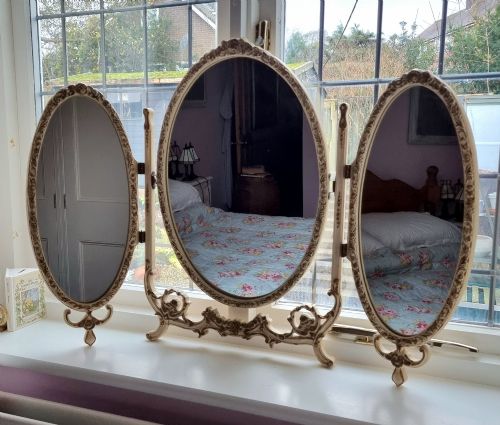
- A three-panel dressing mirror where the outer two hinged wings can angle inward to reflect different angles of the user.
- Gentleman's vanity
- A specialised cabinet or table equipped with mirrors, concealed compartments, and washing facilities tailored for male grooming and shaving.
- Crossbanding
- A decorative border technique where thin strips of veneer are laid perpendicular to the grain of the main surface panel.
- Bevelled glass
- Glass mirror plates with edges ground and polished at an angle to create a framed, light-catching border.
Antique Folding Vanity: Frequently Asked Questions
What is a campaign vanity?
A campaign vanity is a portable grooming station or washstand built with folding elements and durable woods designed for military officers or travellers on the move.
These pieces typically feature brass corners and collapsible stands that pack down compactly without sacrificing utility.
How do triptych mirrors work?
Triptych mirrors use hinged side panels attached to a central fixed glass plate, allowing the user to adjust the angle of reflection.
This three-way view proved essential for detailed grooming and dressing in Edwardian and early twentieth-century chambers.
Where were ship washstands used?
Ship washstands were installed aboard yachts, passenger liners, and naval vessels where floor space was strictly limited.
Their enclosed basins and folding tables prevented water from spilling during rough seas while providing necessary washing facilities.
How do I identify Georgian pieces?
Georgian pieces are identified by their use of solid mahogany, restrained classical proportions, and understated brass hardware.
Makers of this era focused on functional cabinetry with clever mechanical compartments rather than heavy surface ornamentation.