
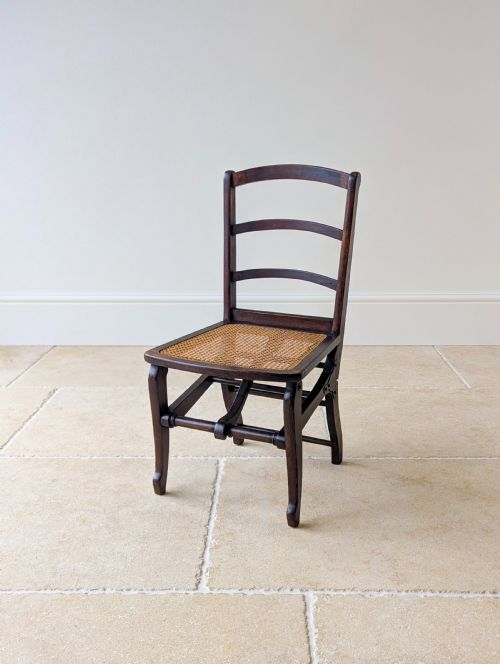


Antique Folding Ladder
These antique folding ladder pieces are ingenious double-duty designs that save space and add character to a room.
Antique Folding Ladder
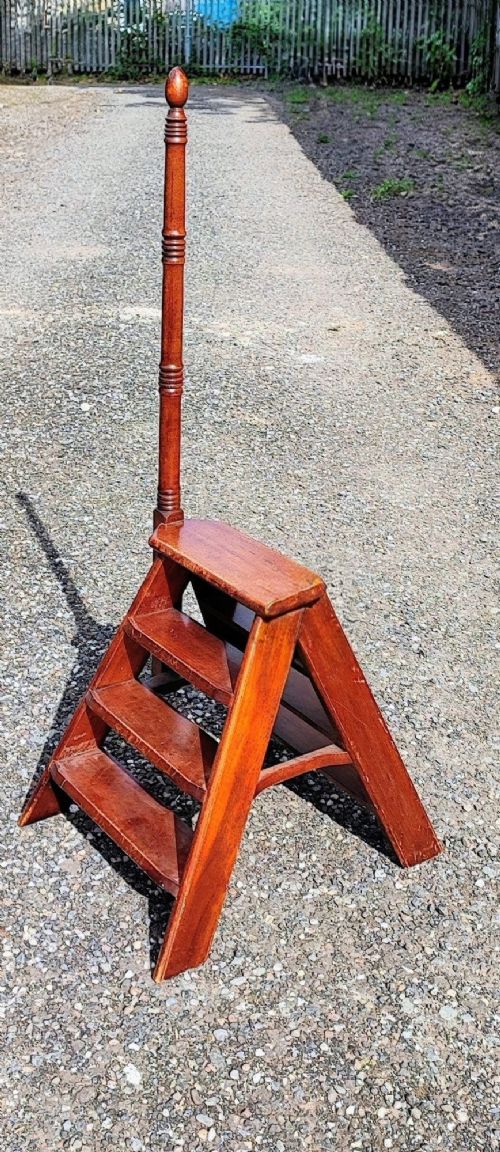
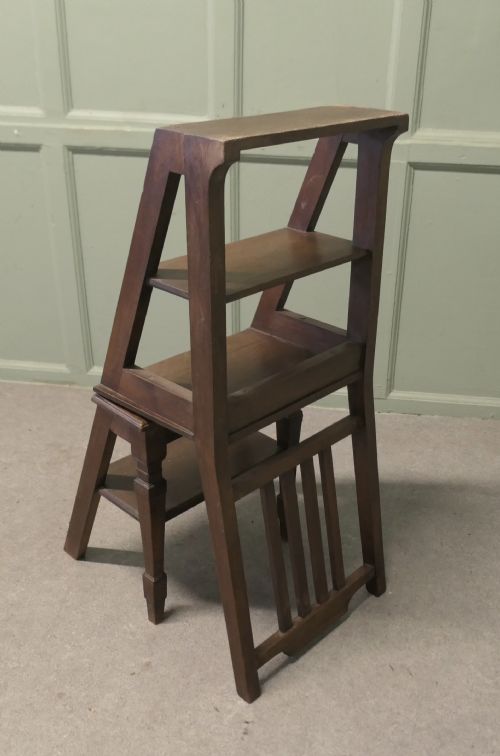
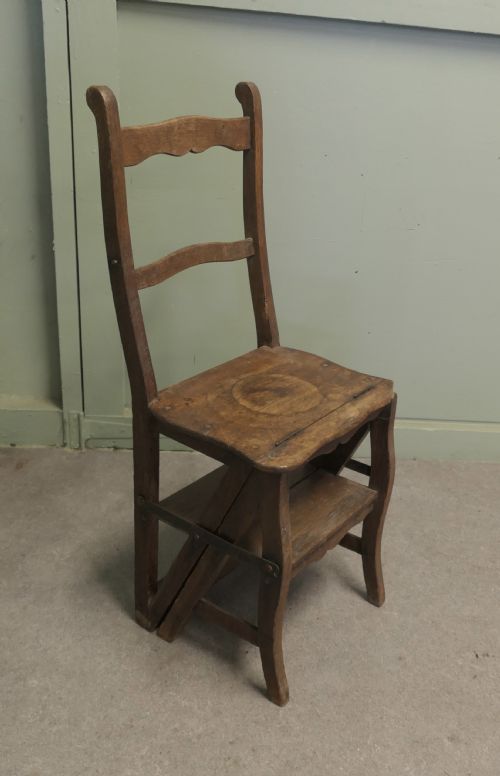
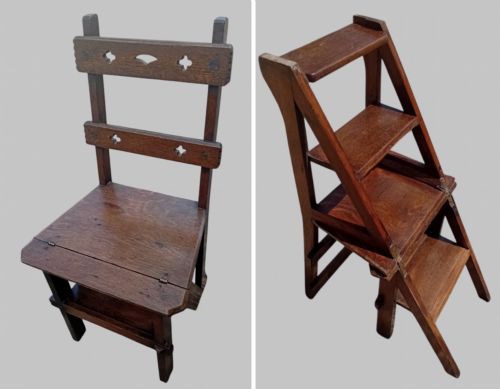
An antique folding ladder serves a practical purpose while bringing traditional craftsmanship into a modern interior. These pieces range from utilitarian step ladders in pine and fruitwood to sophisticated metamorphic furniture that transforms from a chair into a set of library steps.
Sturdier variants include railway steps and folding ships ladders, built for heavier daily use. Whether you need a compact step stool or a tall wooden loft ladder, these items combine functional engineering with period charm.
How they were made
Cabinetmakers and joiners built these pieces using durable timbers such as oak, mahogany, pine, and fruitwood. Structural stability relied on tight joinery, iron brackets, and brass hinges that allowed smooth movement without compromising strength.
Metamorphic designs required intricate pivot mechanisms and clever catches to lock securely into either chair or step configurations. Secondary materials like leather, cane, and iron added traction, comfort, and reinforcement to high-wear areas.
What varies in quality
The distinction between standard utility items and superior examples lies in the refinement of the timber and the complexity of the mechanism. Finer pieces employ figured mahogany or quarter-sawn oak with hand-cut joints, whereas utilitarian steps prioritize raw functional durability in pine or painted surfaces.
The smoothness of the folding action marks the standard of the original workshop engineering. Sophisticated metamorphic library chairs demand precise hardware integration to ensure safe transition between seating and climbing positions.
The Antique Folding Ladder Glossary
- Metamorphic furniture
- Pieces designed to transform from one functional form into another, such as an armchair that unfolds into library steps. This clever engineering allowed homeowners to maximise space in period rooms.
- Library steps
- Freestanding stair structures used to reach high bookshelves in domestic or institutional libraries. They appear in forms ranging from simple A-frames to elaborate folding campaigns.
- Campaign chair
- Portable folding seating designed for travel and military use during the nineteenth century. These items incorporate sturdy hinges and collapsible frames for easy transport.
- A-frame
- A self-supporting structural configuration where two ladder sides meet at the top to form a stable triangle. This design prevents tipping during domestic climbing tasks.
- Gothic Revival
- A nineteenth-century design style drawing inspiration from medieval architecture, often seen in pointed arches and heavy carved oak. Pieces in this manner show dramatic vertical lines and rich surface detailing.
Antique Folding Ladder: Frequently Asked Questions
How do metamorphic library chairs work?
These clever designs use concealed pivots and sliding catches to transform a standard armchair into a sturdy set of steps. Users simply lift and rotate the backrest section downward to lock the treads into position.
Such dual-purpose pieces were popular in grand Georgian and Regency libraries where floor space was at a premium. They allowed readers to reach high shelves without needing a separate bulky ladder.
Are antique folding ladders safe to use?
Most antique wooden ladders retain their structural integrity if constructed from dense hardwoods like oak or mahogany. However, buyers should assess the original iron hinges and brass fittings for stability before climbing.
Utilitarian pine step ladders built for heavy trade use often remain robust. Lighter decorative pieces require careful weight distribution and suit occasional domestic tasks.
What is the difference between library steps and step ladders?
Library steps are typically designed for domestic or institutional interiors, utilising fine cabinet timbers like mahogany or oak with polished finishes. They prioritize aesthetic integration alongside climbing utility.
Step ladders serve a purely functional role, often constructed from utility pine or painted woods. Their design focuses on robust industrial deployment rather than refined parlor display.
How do I date an antique folding ladder?
Dating relies on wood selection, fastener types, and stylistic cues from periods like the Georgian, Regency, or Victorian eras. Hand-cut joinery and turned spindles point towards nineteenth-century craftsmanship.
Industrial models from the early twentieth century often show utilitarian iron bracing and simpler softwood construction. Comparing the form against dated regional archives helps confirm the decade of manufacture.