


Antique Flower Pot Stand
An antique flower pot stand lifts living greenery to eye level, combining structural utility with decorative refinement.
Antique Flower Pot Stand
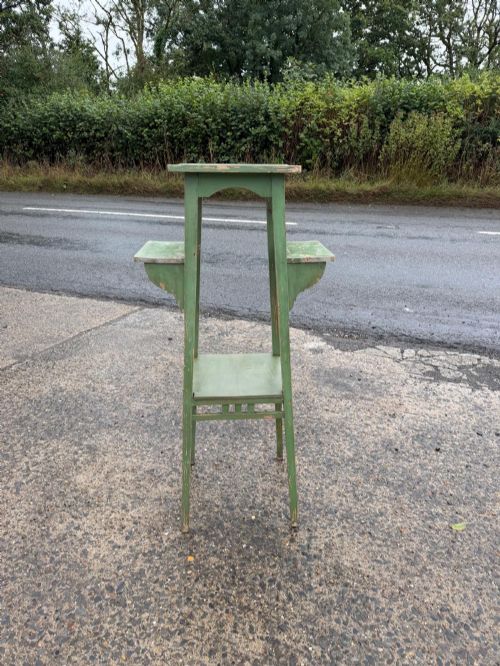
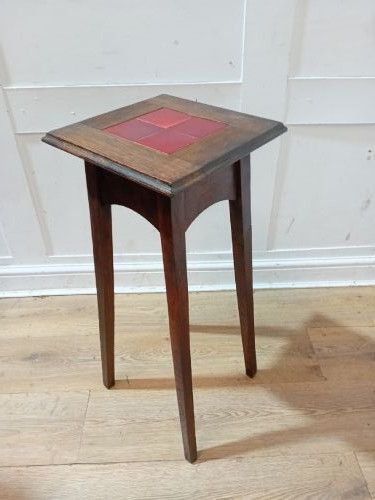
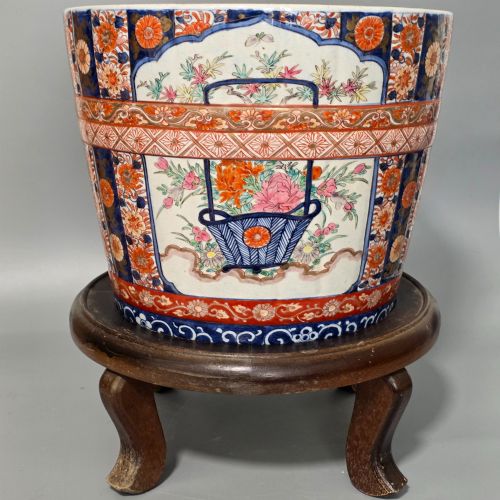
An antique flower pot stand serves to elevate plants, cachepots, and jardinieres within a domestic interior, fulfilling a practical horticultural role while acting as a decorative furnishing. These pieces appear in forms such as tall plant stands, low pot tables, and specialised jardinieres fitted with their own distinct bases.
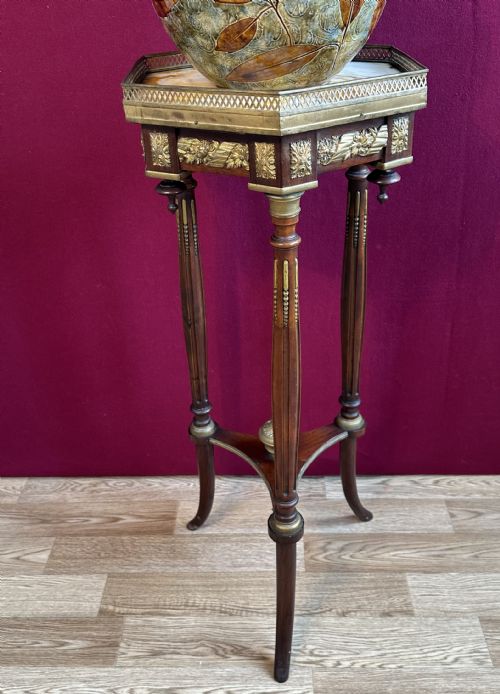
The selections span multiple periods, with Victorian and Edwardian examples appearing alongside pieces from the eighteenth century, the nineteenth century, and the early twentieth century. Materials range from traditional hardwoods and ebonised wood to marble, brass, porcelain, earthenware, and silver plate.
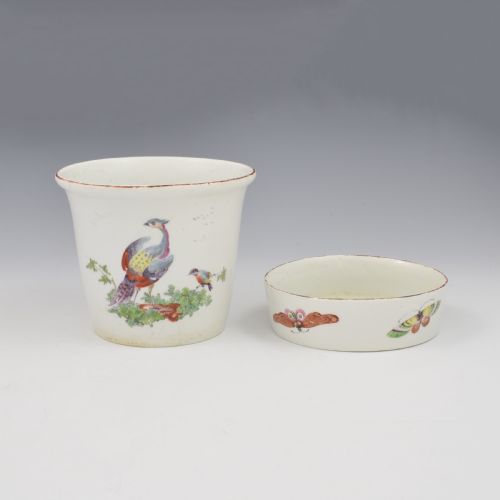
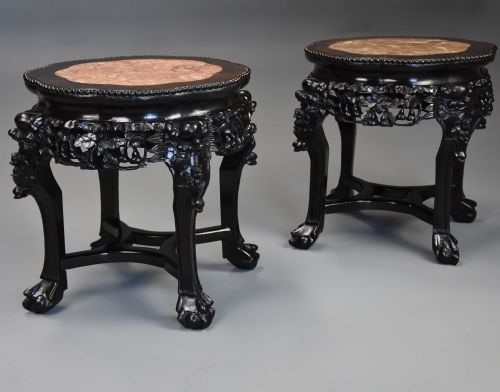
Stylistic diversity is prominent, encompassing Arts and Crafts designs, Chinese Export pieces, Japanese hand-carved items, Louis XVI Revival work, and Dutch Art Nouveau. Buyers encounter everything from simple wrought iron supports to intricately carved hardwood stands and ceramic cachepots complete with matching saucers.
Assessing Quality and Execution
Quality rests in the precision of the carving, the integrity of the joinery, and the purity of the materials employed, whether solid hardwood, genuine marble, or heavy gauge brass. Superior examples exhibit crisp detail in hand-carved floral or geometric motifs and stable, well-balanced construction.
The relationship between the pot and its original stand determines the cohesion of the piece, particularly in ceramics, porcelain, and metal combinations. Original paint surfaces, patination on metals, and untouched maker or factory marks elevate the standing of an individual piece.
Materials represented across the inventory include marble, hardwood, brass, ebonised wood, mahogany, porcelain, earthenware, and silver plate.
Liberty of London·Enoch Wood & Sons·Royal Worcester
The Antique Flower Pot Stand Glossary
- Cachepot
- A decorative flower pot used to conceal a plain inner flower pot. This French term translates literally as hide-pot.
- Jardiniere
- An ornamental pot or stand for holding plants or flowers, usually manufactured from ceramic, metal, or wood. Larger versions often rest upon dedicated floor-standing pedestals.
- Ebonised
- Wood finished to resemble ebony through the application of a dark stain or black lacquer. This treatment gained popularity during the Victorian era for formal furnishings.
- Imari
- A style of Japanese porcelain decorated in underglaze blue, iron red, gold, and supplementary colours. These wares were widely exported to Europe from the late nineteenth century onward.
- Arts and Crafts
- A design movement advocating traditional craftsmanship using simple forms and medieval, folk, or romantic styles of decoration. Pieces from this tradition emphasise honest material expression.
Antique Flower Pot Stand: Frequently Asked Questions
What is an antique flower pot stand?
An antique flower pot stand is a piece of furniture designed to support and display plants, pots, or jardinieres above floor level. They range from tall pedestals to low tables and integrated ceramic vessel combinations.
These pieces allowed Victorian and Edwardian households to introduce greenery into interior spaces while protecting flooring and furniture surfaces from moisture.
How were flower pot stands used?
Historically, these stands held potted plants, ferns, and flowering specimens in drawing rooms, conservatories, and hallways. They positioned plants near windows to receive adequate sunlight.
Many designs doubled as decorative display surfaces for lamps or wine coolers when not holding live botanical arrangements.
What materials are common?
Common materials include hardwoods such as mahogany, oak, and walnut, alongside ebonised wood and bamboo. Metals like brass, silver plate, and wrought iron appear frequently.
Additionally, many stands incorporate marble tops, porcelain bodies, and earthenware cachepots produced by notable potteries.
How do I identify the period?
Period identification relies upon stylistic indicators, such as the flowing lines of Art Nouveau and Arts and Crafts pieces, or the heavier ornamentation of Victorian designs. Construction techniques and material choices also signal specific eras like the eighteenth or early twentieth century.
Maker marks, factory stamps, and original surface finishes provide further chronological evidence.