
Antique Flower Art
Antique flower art brings botanical studies, still life oil paintings and delicate jewellery motifs together across centuries of craftsmanship.
Antique Flower Art
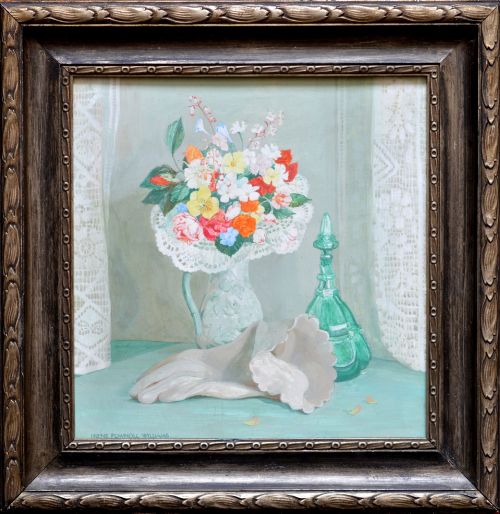
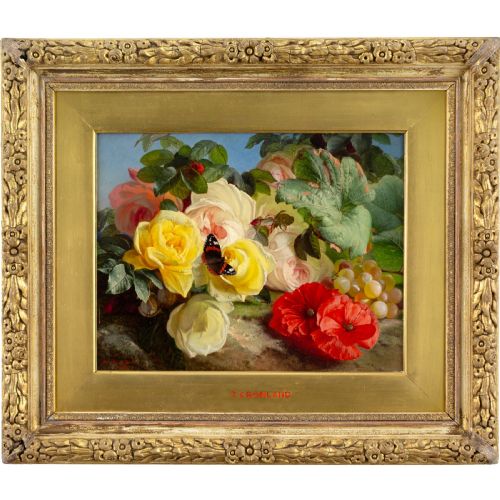
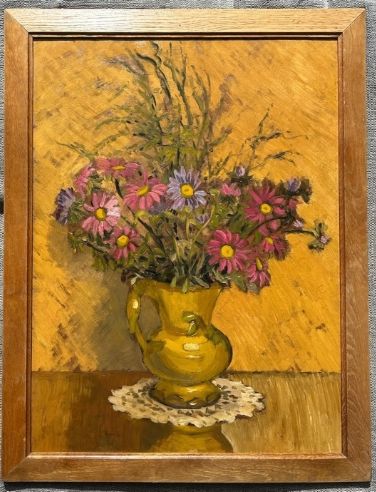
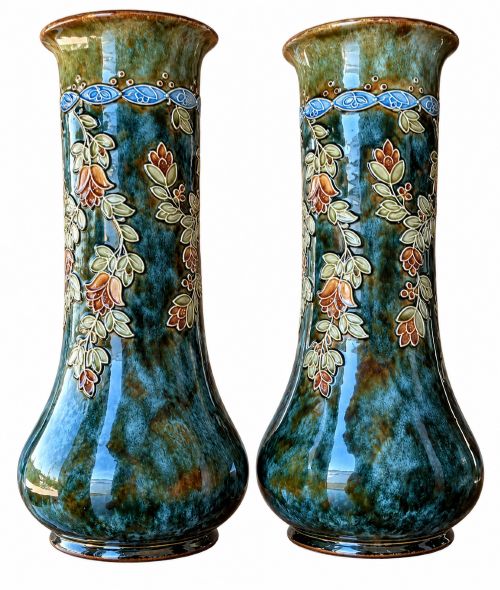
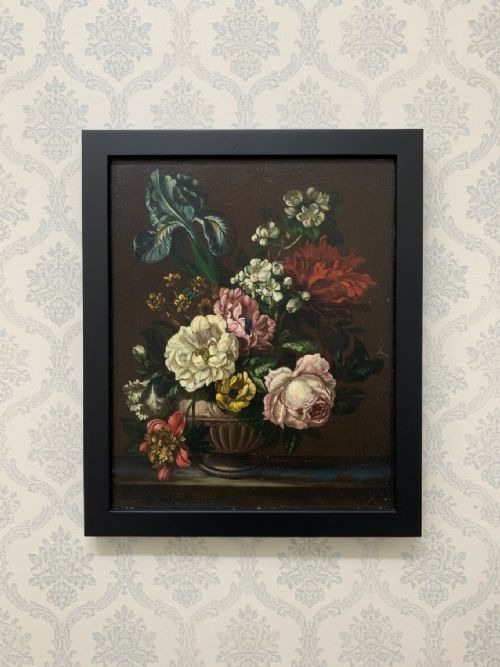
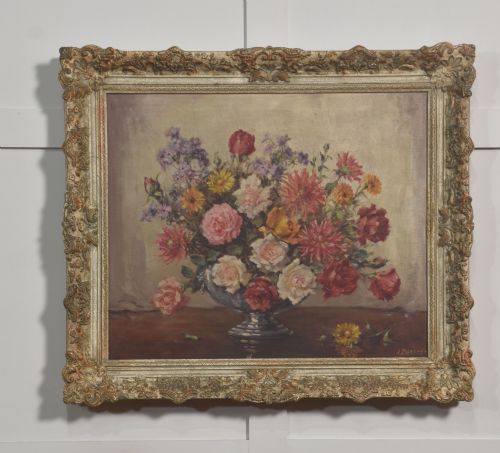
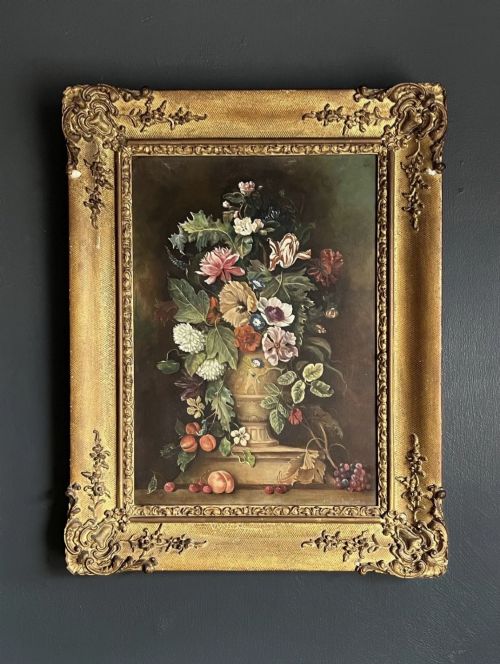
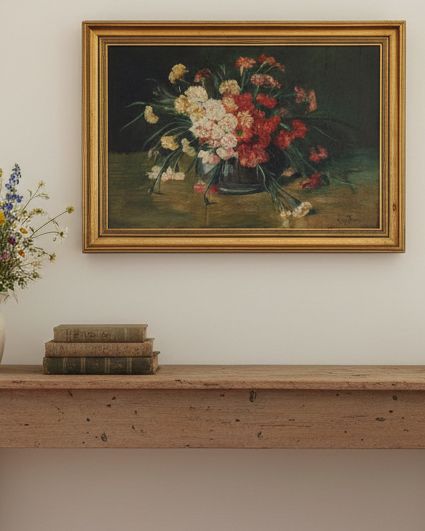
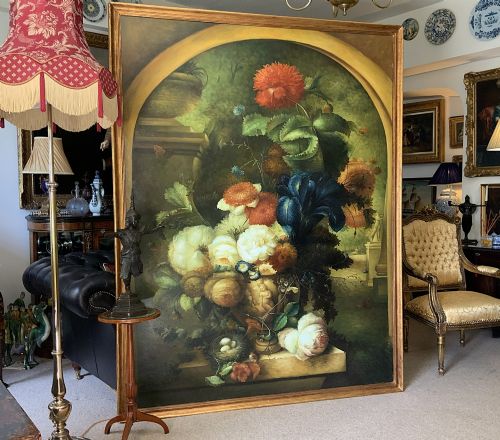
When searching for antique flower art, collectors encounter a diverse selection of objects spanning oil paintings, watercolours, ceramics and jewellery. These pieces range from monumental floral still lifes on canvas to botanical watercolours and decorative items bearing floral motifs.
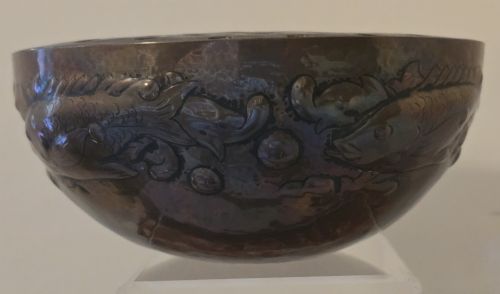
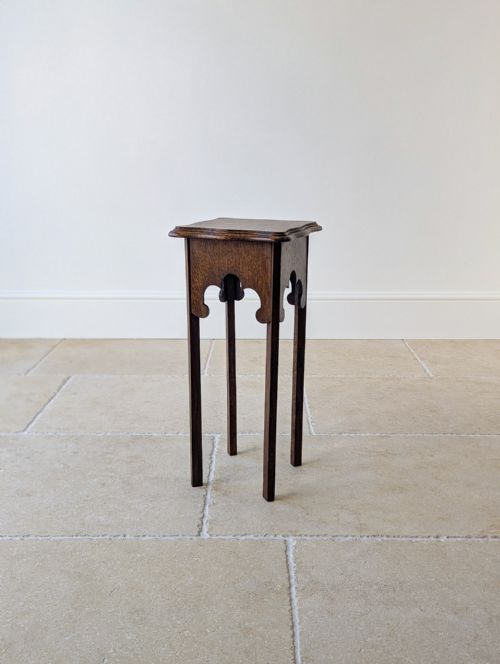
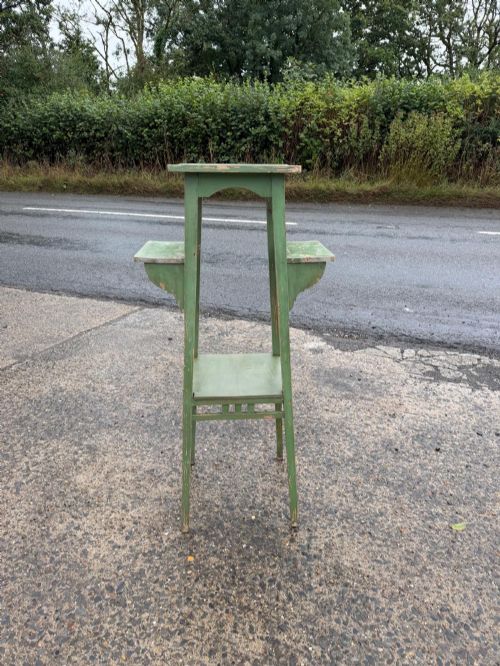
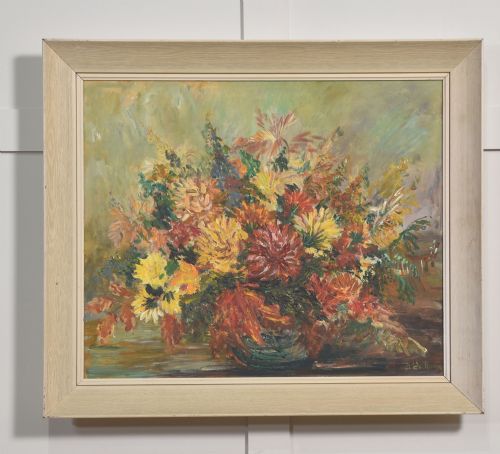
Oil paintings from Dutch and Impressionist traditions appear alongside delicate works on paper depicting roses, fuchsias and wild flowers. Three-dimensional forms include stoneware vases, plant stands and silver pieces decorated with plant designs.
The items date across the nineteenth and twentieth centuries, encompassing Victorian, Edwardian, Art Nouveau and Art Deco movements. Buyers find both intimate botanical illustrations and large-scale decorative paintings designed for interior display.
How They Were Made
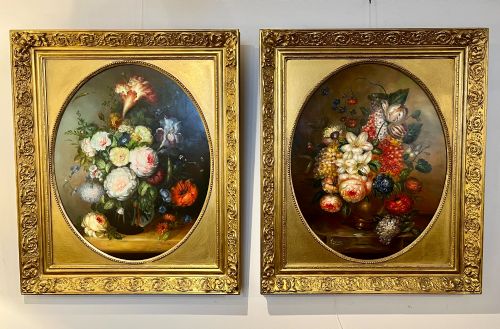
Painters utilised oil on canvas, panel or board, often framing their botanical subjects in ornate gilt wood or gesso surrounds. Watercolourists applied delicate pigments to paper to capture precise details of garden flowers and wild specimens.
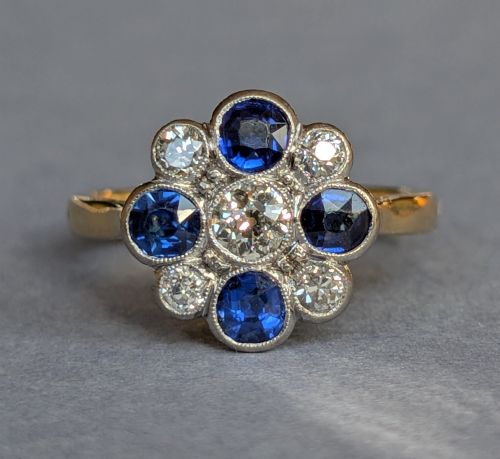
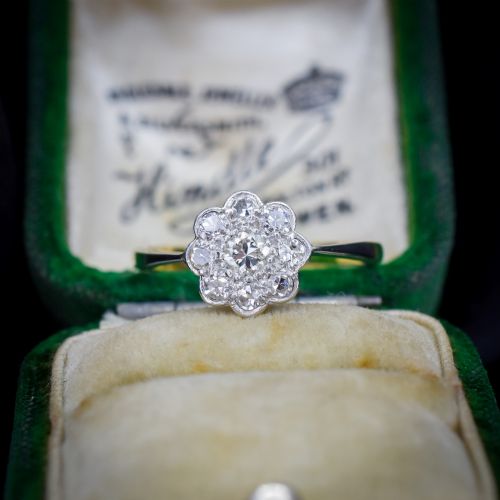
Craftsmen shaped ceramics, glass and metals using techniques such as cameo carving, stoneware throwing and silver smithing. Jewellers set diamonds, sapphires and rubies into gold and platinum to form intricate floral cluster rings and brooches.
What Varies in Quality
The standard of execution in paintings appears in the subtlety of tonal gradation, brushwork precision and the lifelike arrangement of petals and stems. Master artists achieved depth and realism through careful management of light and shadow.
In decorative objects and jewellery, quality is evident in the crispness of casting, the purity of precious metals and the careful selection of matched gemstones. Pieces retaining original mounts, frames or surface finishes command greater appreciation.
Royal Doulton·Emile Gallé·Loetz Witwe·Moorcroft McIntyre
The Antique Flower Art Glossary
- Still life
- An artwork depicting inanimate subject matter, typically featuring vases of cut flowers, baskets of fruit or botanical arrangements. These compositions allowed artists to study light, colour and texture closely.
- Botanical illustration
- A scientific and artistic depiction of plant species, focusing on accurate structural details rather than decorative effect. Such works record the precise characteristics of leaves, stems and blossoms.
- Art Nouveau
- A decorative art style prevalent around nineteen hundred, characterised by flowing, organic lines inspired by natural plant forms. Artists and makers utilised undulating stems, flower buds and leaf motifs extensively.
- Cluster ring
- A ring design featuring a central gemstone surrounded by a cluster of smaller stones, frequently arranged to resemble a daisy or flower head. This configuration maximises sparkle and visual impact.
- Impressionism
- An art movement focused on capturing the visual impression of a moment, paying attention to light and shifting colours. Flower paintings in this style emphasise loose brushwork over rigid academic precision.
Antique Flower Art: Frequently Asked Questions
How do I care for antique oil paintings?
Keep painted canvases away from direct sunlight and fluctuating humidity levels to prevent the canvas or panel from warping. Dust gently with a soft, dry brush without applying pressure to the pigment surface.
Avoid using liquid cleaners or household products on antique oil on canvas or wood surfaces. Professional conservators should handle any deep cleaning or structural repairs.
What periods do these pieces cover?
The items span from the seventeenth century through the Victorian, Edwardian, Art Nouveau and Art Deco eras up to the mid twentieth century. Earlier works often reflect Dutch schools, while later pieces showcase modernist and geometric aesthetics.
Each period brought distinct materials and artistic conventions to botanical representation. Recognising these stylistic shifts helps in dating individual artworks and objects accurately.
How were botanical watercolours used?
Botanical watercolours served as scientific records, study pieces for naturalists and decorative domestic art. Artists rendered specific flowers like fuchsias, roses and wild specimens with high precision on paper.
These works were often framed for display in drawing rooms and parlours during the nineteenth century. Their preservation depends on protective glass and minimal exposure to bright light.
Are floral jewellery pieces durable for daily wear?
Jewellery featuring gold, platinum and diamonds offers good durability, but delicate settings require careful handling. Cluster rings and brooches from the Edwardian and Art Deco periods feature intricate metalwork that can catch on fabrics.
Regular inspection by a jeweller ensures that precious stones remain secure in their original mounts. Removing fine antique rings before heavy manual tasks prevents unnecessary wear.