



Botanical Illustration on Paper
Botanical illustration on paper brings the quiet detail of natural history into a room through delicate washes and sharp engraved lines.
Botanical Illustration on Paper
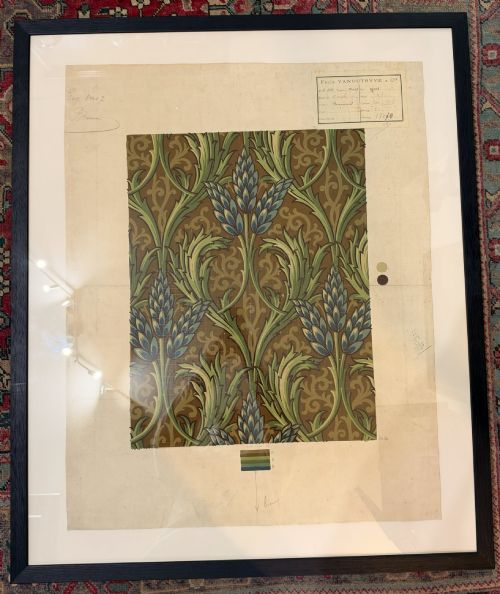
A botanical illustration on paper captures plants, flowers and natural specimens through watercolours, gouache, lithographs and hand-coloured engravings. These works record the structure of flora and fauna with scientific precision alongside artistic skill.
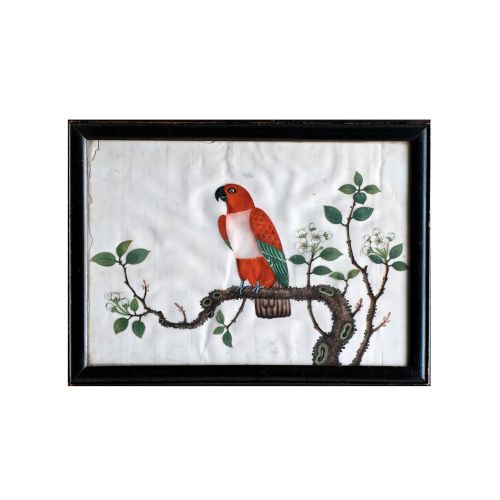
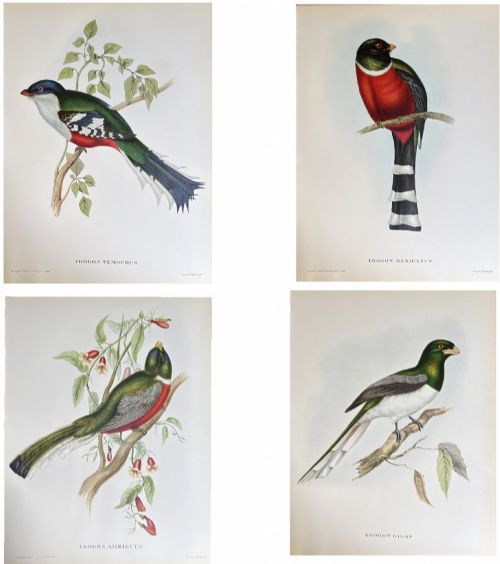
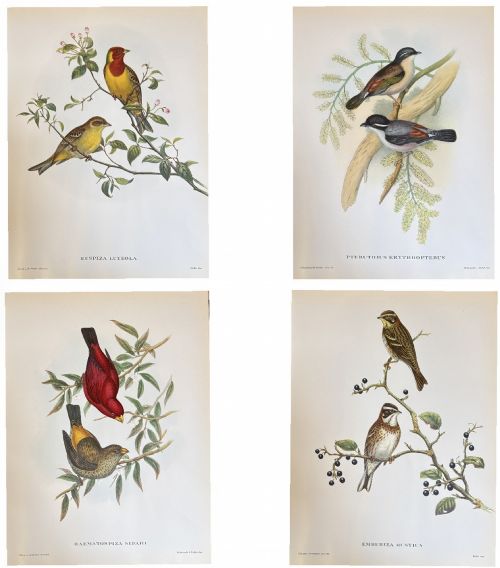
The pieces on this page span from the Georgian period through the Victorian and Edwardian eras into the mid-twentieth century. Buyers encounter original watercolours, framed prints and hand-coloured plates depicting roses, pelargoniums, azaleas and tropical birds.
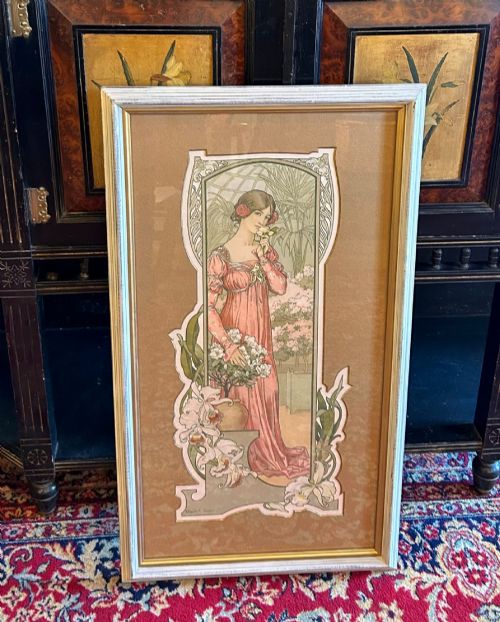
Many examples arrive framed with glass and wood surrounds, whilst others remain as unframed sets of prints or individual sheets. The subjects range from floral still lifes to detailed studies of insects and plants.
Materials and methods
Artists and naturalists worked primarily with watercolour pigment, ink and gouache applied directly to paper sheets. Many early plates began as engraved lines before receiving careful hand-colouring.
Publishers utilised lithography for later botanical plates, allowing for mass production of detailed prints. Final works often found protection behind glass within wooden frames, sometimes accented with gilt or gold leaf.
Botanical Illustration on Paper Retail Price Guide 2026
Typical asking prices for botanical illustration on paper among the pieces listed under this phrase on Sellingantiques today, from the lower quarter to the upper quarter. They describe what is for sale here now, not the wider market.
Listings feature works executed in watercolour, ink, gouache and lithography across paper supports.
Markers of quality
Quality rests in the precision of the draughtsmanship and the preservation of the paper support. Crisp lines in the original engraving or confident brushwork in the watercolour separate superior studies from simpler decorative works.
The vibrancy of the pigment matters greatly, as prolonged exposure to light fades delicate watercolours. Intact margins and original hand-colouring elevate the standing of antique plates.
Elisabeth Sonrel·Henrietta Creswell·William Hough·Jabez Bligh·Charlotte Isa James·Alice Macallan Swan·John Curtis·Edith Alice Andrews·John Sherrin·Minnie Smythe·George Dionysius Ehret
The Botanical Illustration on Paper Glossary
- Lithography
- A planographic printing process using a flat stone or metal plate to produce images on paper. This technique enabled accurate reproduction of botanical drawings for publication.
- Engraving
- A printmaking method where an artist cuts lines into a metal plate to hold ink. The resulting impressions display fine, exact details suitable for scientific study.
- Gouache
- An opaque watercolour medium composed of pigment mixed with a binding agent and white filler. It provides solid blocks of colour and heavy highlights in floral paintings.
- Hand-coloured
- A finished print enhanced with manual application of watercolour pigments. This method combines the precision of an engraving with the vibrant hues of painting.
Botanical Illustration on Paper: Frequently Asked Questions
How should I hang these works?
Keep framed pieces away from direct sunlight to prevent the watercolour pigments and paper from fading over time.
Use stable interior walls where humidity and temperature remain relatively constant.
Are these works original paintings or prints?
The selection includes both unique hand-painted watercolours on paper and published prints such as engravings and lithographs.
Check individual listings to determine whether a piece is a one-off painting or part of an engraved series.
How do I identify the period of a botanical print?
Examine the paper quality, the printing technique, and any accompanying inscriptions or dates noted by the artist or publisher.
Georgian and Victorian pieces often feature heavier handmade papers and distinct hand-colouring methods compared to later twentieth-century works.
Can I buy these pieces in sets?
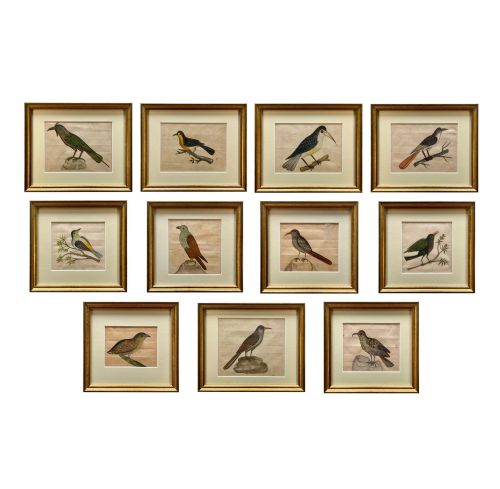
Several listings offer grouped series of plates, such as sets of tropical bird prints or botanical studies with insects.
These sets usually share uniform framing or originate from the same historical publication or portfolio.