

Antique Floral Wall Hanging
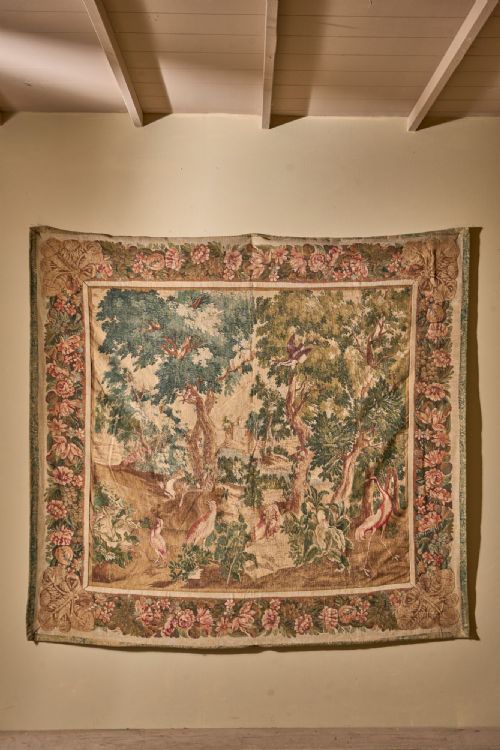
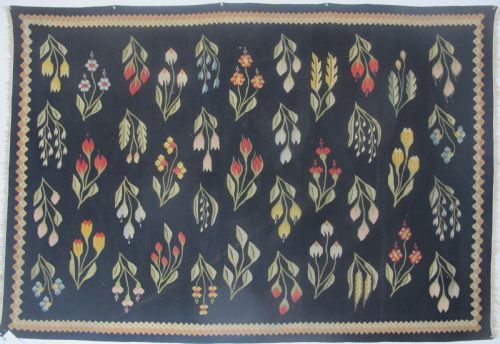
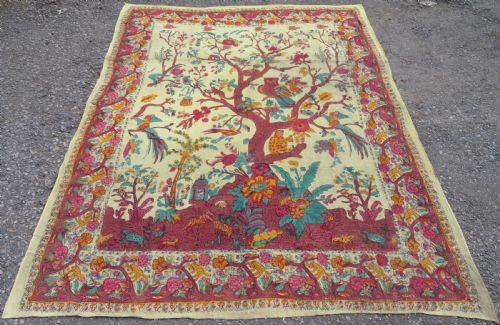
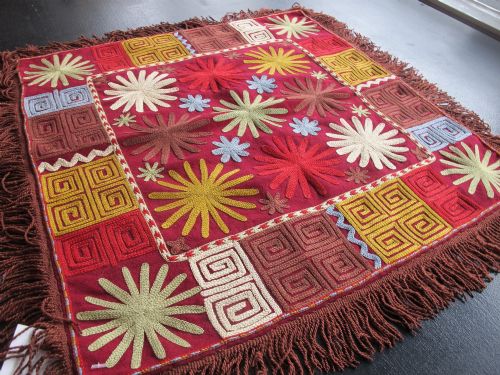
When you search for an antique floral wall hanging, you are looking at textile panels, tapestries, and embroidered covers woven or stitched with botanical motifs across centuries.
Antique Floral Wall Hanging
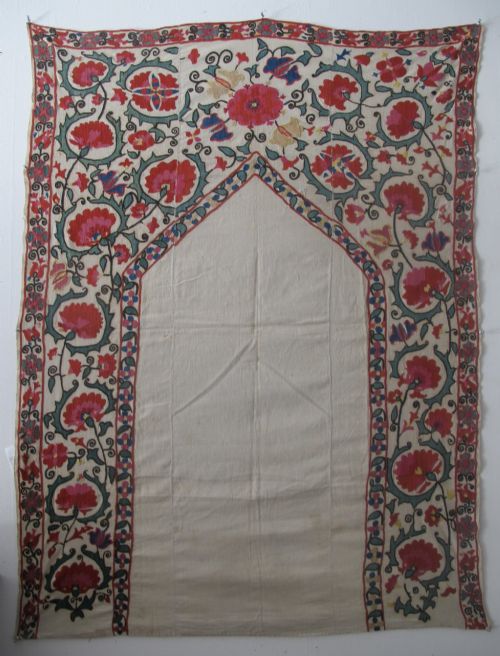
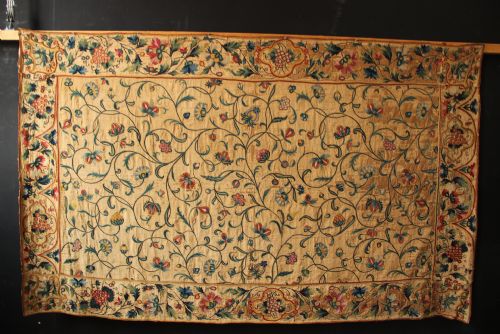
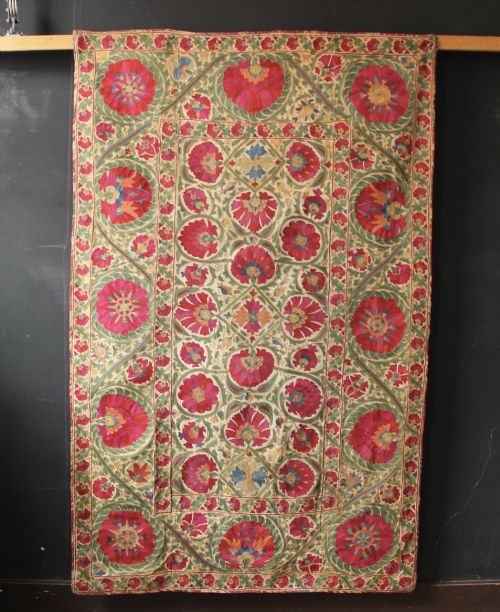
An antique floral wall hanging encompasses textile panels, tapestries, and embroidered covers originating from regions such as Central Asia, Europe, and the Middle East. These pieces range from 17th-century English crewelwork to 19th-century Uzbek suzanis and French floral tapestries.
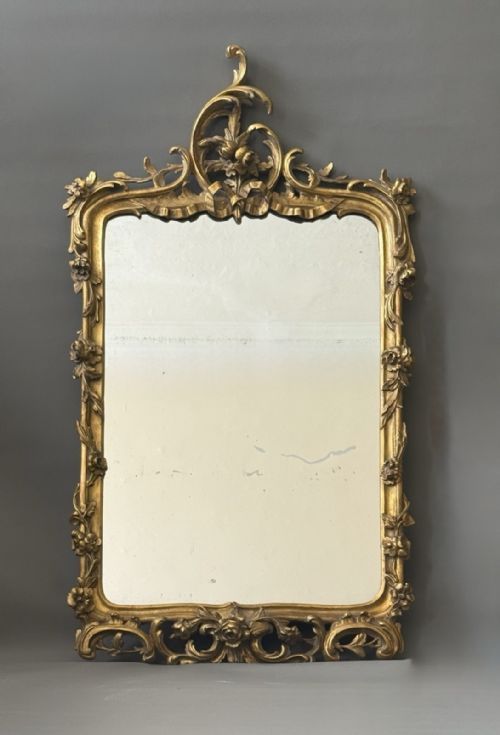
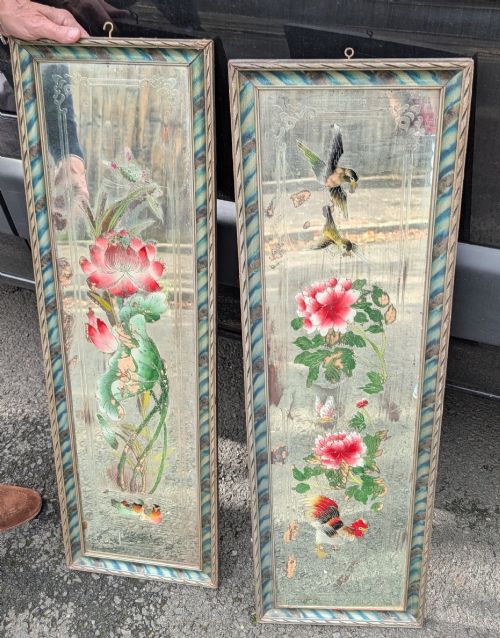
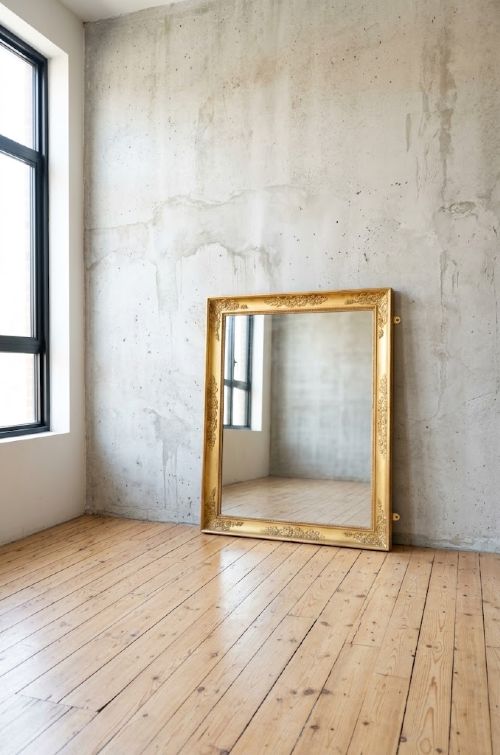
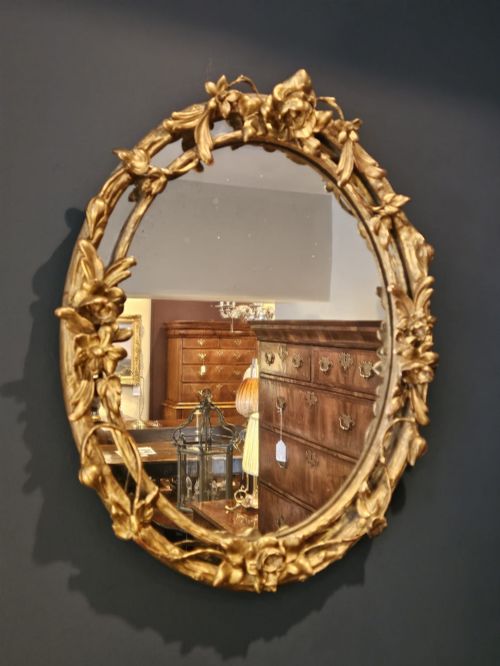
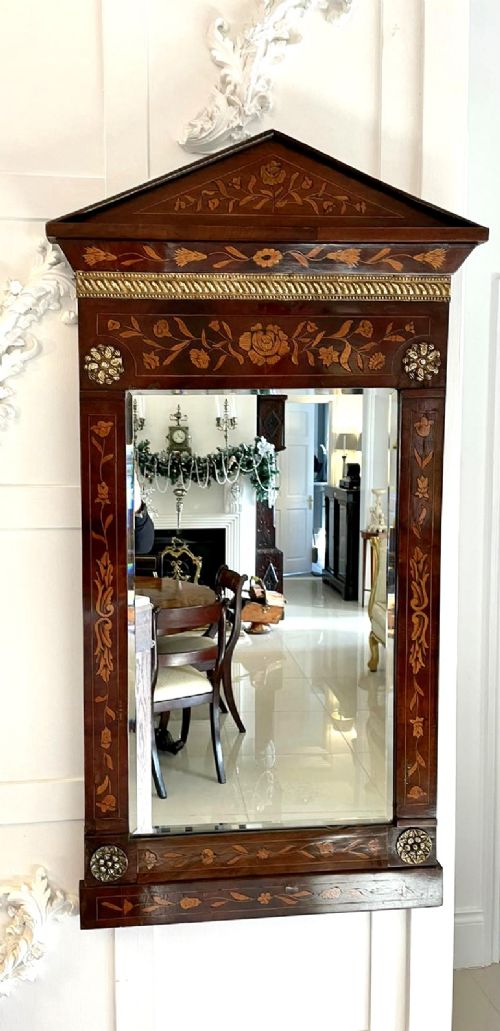
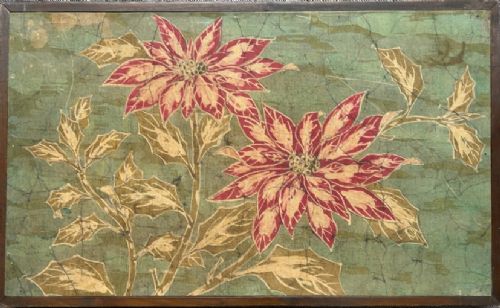
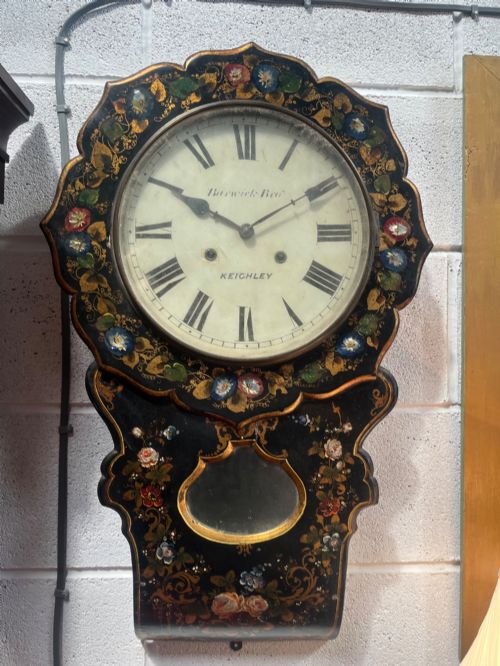
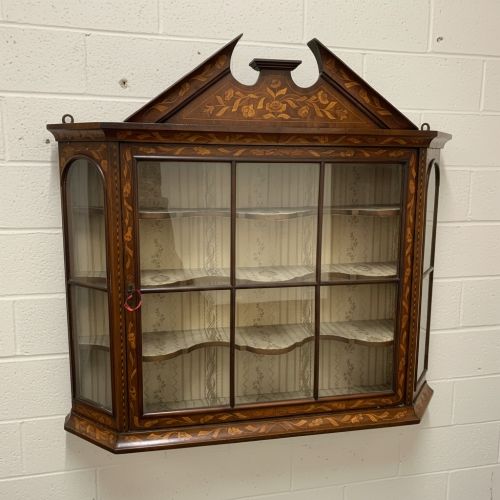
The category also includes carved wooden mirrors, cabinets, and painted objects decorated with floral motifs, though woven and embroidered textiles form the core of the selection.
Buyers meet examples spanning the 18th, 19th, and early 20th centuries, reflecting diverse cultural traditions in needlework and loom weaving.
How they were made
Makers utilised natural fibres including silk, cotton, wool, and linen as the ground materials for embroidery and tapestry weaving. Silk thread on silk or cotton foundations appears frequently in Central Asian suzanis, while European pieces often employ wool and silk on linen.
Techniques combine hand embroidery, such as chain stitch and appliqué work, with traditional loom weaving and needlework. Wooden frames and carved supports utilise walnut, oak, and gesso for items incorporating mirrors and panels.
Some Central Asian suzanis include intentional 'imfection' stitches to ward off the evil eye, ensuring the maker's perfection is left to the divine.
What varies in quality
The fineness of the stitchwork and the density of the silk or wool embroidery determine the standard of textile pieces. Tightly executed needlework and well-preserved natural dyes distinguish finer examples from simpler provincial work.
For wooden or framed pieces, the crispness of the hand-carved floral details and the integrity of the gilding or plate set the upper tier apart from standard production.
The Antique Floral Wall Hanging Glossary
- Suzani
- A type of embroidered tribal textile from Uzbekistan and surrounding regions, typically featuring large botanical and floral medallions worked in silk on a cotton or linen ground.
- Crewelwork
- A form of surface embroidery using wool yarn on a heavy linen or cotton fabric, common in early English textile panels.
- Giltwood
- Wood that has been treated with a thin layer of gold leaf, frequently seen on carved 18th and 19th-century frames and wall mirrors.
- Tapisserie
- Woven textile panels produced on a loom, depicting pictorial or floral scenes for hanging on interior walls.
- Appliqué
- A sewing technique where smaller pieces of fabric, such as felt or silk, are sewn onto a larger foundation material to create a pattern.
Antique Floral Wall Hanging: Frequently Asked Questions
How were antique wall hangings displayed?
Historical interiors utilised these textiles to insulate stone walls, decorate bedchambers, or serve as ceremonial covers before being mounted for display.
Today, collectors mount them on tension rods or backing boards to protect the fragile fibres from tension and weight damage.
What is the difference between a suzan and a tapestry?
Suzanis are hand-embroidered silk panels traditionally stitched by brides in Central Asia, featuring distinct botanical motifs and geometric layouts.
Tapestries are woven structural fabrics created on a loom, depicting elaborate pictorial scenes or repeat floral patterns common in European workshops.
How do I care for silk embroidery?
Silk textiles require protection from direct sunlight to prevent the natural dyes and fibres from fading and degrading over time.
Keep them away from high humidity and avoid harsh cleaning methods, consulting a specialist textile conservator for maintenance.
How can I tell the age of a textile?
Age is determined by examining the type of ground fabric, the composition of the threads, and the characteristics of the natural dyes used in the stitching.
Stylistic conventions, regional design motifs, and stitch density also provide clear indicators of the period of manufacture.