






Botanical Needlepoint Picture
A botanical needlepoint picture brings the quiet detail of flora and fauna into a room through hand-stitched threads.
Botanical Needlepoint Picture
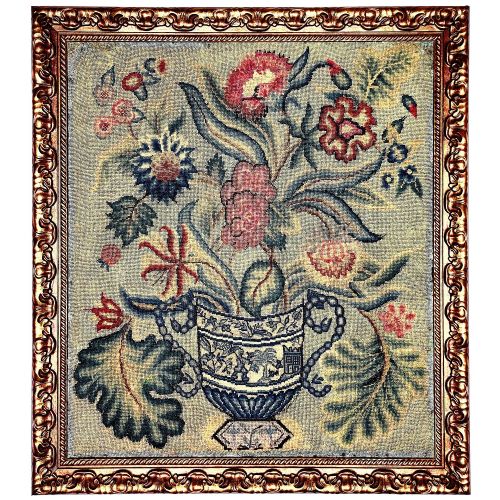
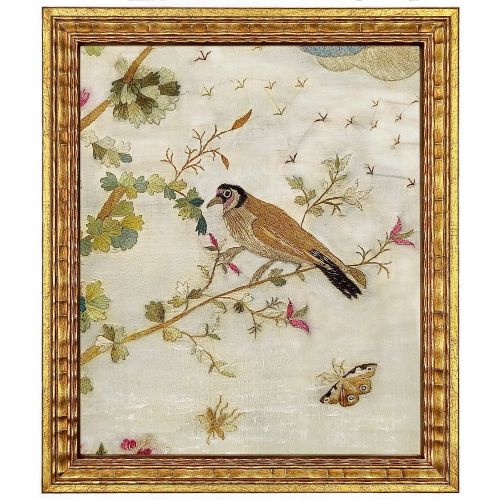
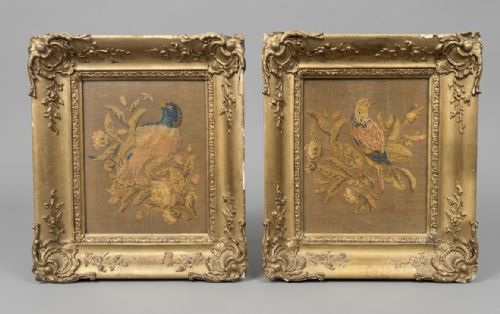
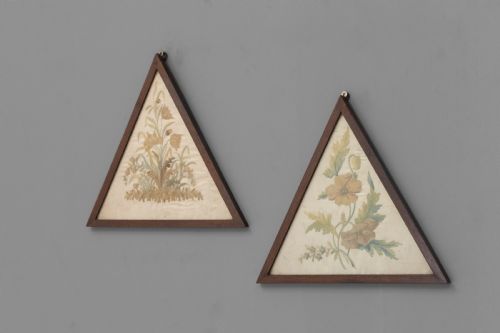
A botanical needlepoint picture is a framed textile artwork depicting natural subjects such as birds, flowers, and garden scenes. These pieces span from the eighteenth century through to the Victorian era and the nineteen hundreds, capturing botanical and avian subjects in stitch.
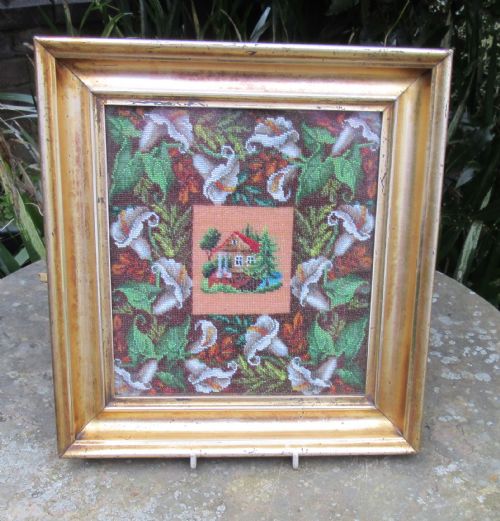
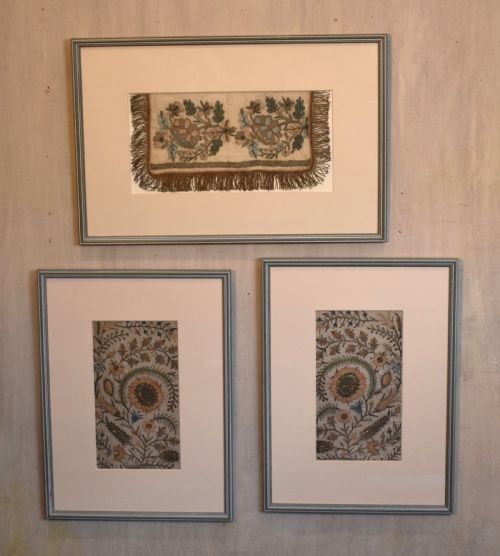
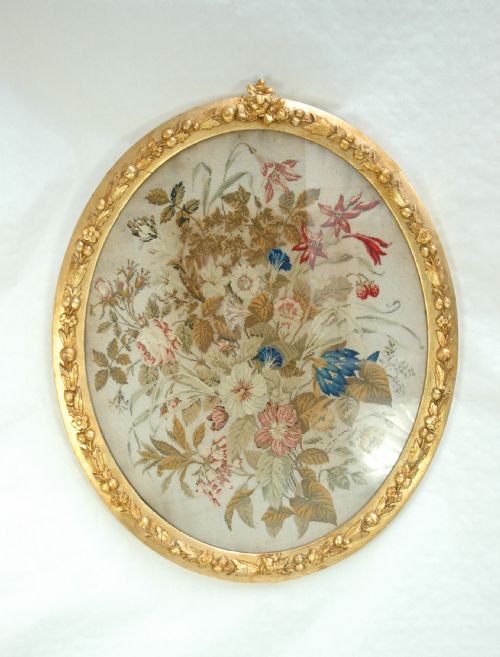
The format typically appears as a framed wall art piece, often housed in giltwood, gilt wood, or wooden frames, sometimes protected beneath glass. You are most likely to encounter nineteenth-century and eighteenth-century examples on this page, alongside Chinese embroideries and American beadwork variants.
These works function primarily as wall art and textile art, reflecting periods from Georgian and Victorian Rococo Revival to English Country House and French Chateau styles. They bring historical domestic craftsmanship directly onto the wall in a decorative framed format.
How they were made
Makers stitched wool and silk threads onto a foundational canvas or linen support to build up the pictorial surface. The selection of these textiles determined the texture and longevity of the finished picture.
Finished embroideries were mounted into wooden or giltwood frames, occasionally behind glass to protect the delicate threads and beadwork from dust and handling.
Botanical Needlepoint Picture Retail Price Guide 2026
Typical asking prices for botanical needlepoint picture among the pieces listed under this phrase on Sellingantiques today, from the lower quarter to the upper quarter. They describe what is for sale here now, not the wider market.
Listings feature items spanning the eighteenth century, nineteenth century, and the year nineteen hundred, utilising silk, wool, canvas, linen, and giltwood.
What varies in quality
The finesse of the stitching and the handling of shading separate standard examples from finer works. Earlier eighteenth-century panels often demonstrate meticulous detail in thread placement and subject arrangement.
The preservation of the original frame, whether gilt wood or plain wood, contributes significantly to the integrity of the piece. Intact glass and stable canvas supports maintain the condition of the textile over centuries.
The Botanical Needlepoint Picture Glossary
- Giltwood
- Wood carved and coated with a thin layer of gold leaf or gold paint. This finish was commonly applied to frames during the Georgian and Victorian periods to add brightness.
- Canvas
- A heavy woven fabric used as a firm foundation for needlework and tapestry. It supports the tension of wool and silk threads during stitching.
- Tapestry picture
- A wall-hanging or framed textile artwork created by weaving or stitching pictorial scenes. These pieces often depict garden birds, flowers, or figurative subjects.
- Beadwork picture
- An artwork constructed primarily by stitching small glass or ceramic beads onto a fabric ground rather than using traditional thread. American examples often utilise this technique.
Botanical Needlepoint Picture: Frequently Asked Questions
How old are these needlework pictures?
The pieces span from the eighteenth century through the nineteenth century and into nineteen hundred. Dating relies on the materials, framing styles, and stitching techniques characteristic of each period.
Earlier works from the eighteen hundreds and before often display distinct Georgian or early Victorian stylistic traits that separate them from later items.
How should I hang a textile picture?
Protect the needlework from direct sunlight to prevent the silk and wool threads from fading over time. Hang the framed artwork on an interior wall away from excessive moisture.
Ensure the wooden or giltwood frame is securely hung using appropriate fixings to support the weight of the glass and backing.
Are these pieces glazed with glass?
Many framed textile artworks feature protective glass to shield the delicate threads and canvas from environmental dust and damage. Glass helps preserve silk and wool elements over long periods.
Some panels may be unglazed depending on the depth of the embroidery or the original framing choice of the maker.
What subjects do the embroideries show?
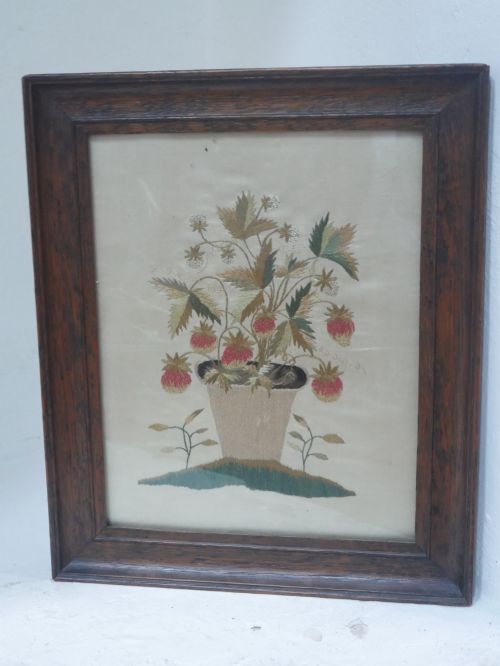
The designs frequently feature garden birds, mandarin ducks, pots of strawberries, and general botanical arrangements. These natural history motifs reflect the popular aesthetic interests of Georgian and Victorian makers.
Regional variations also include Chinese embroidered panels and American beadwork depicting similar natural subjects.