


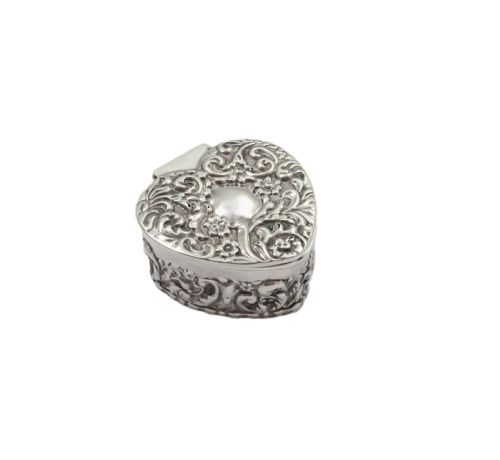
Antique Floral Trinket Dish
An antique floral trinket dish holds small personal items and displays hand-painted botanical motifs from past centuries.
Antique Floral Trinket Dish
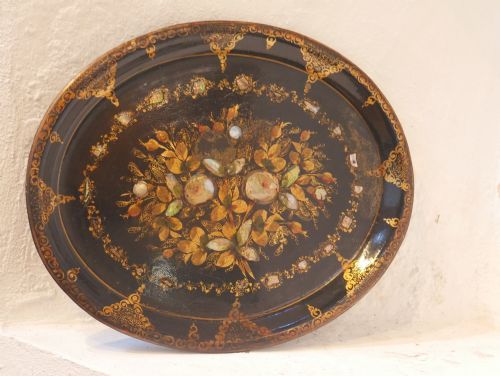
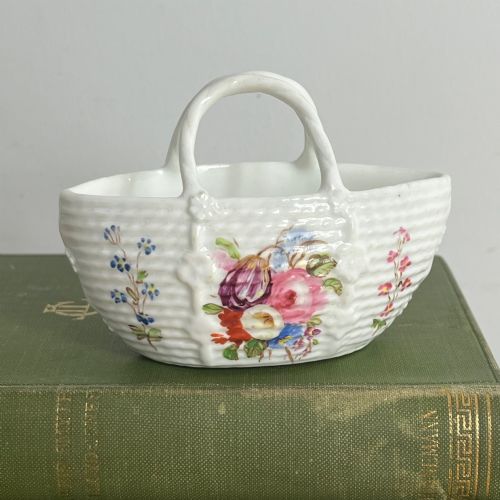
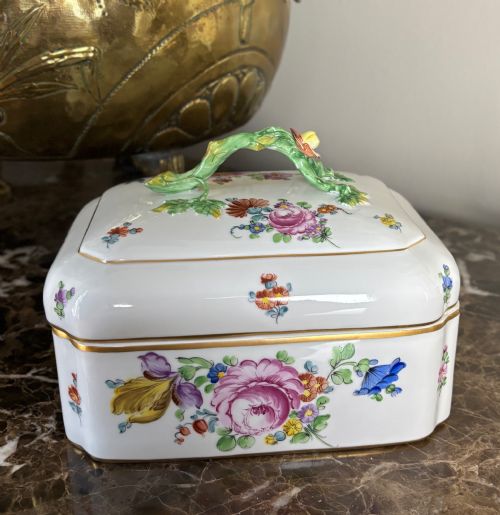
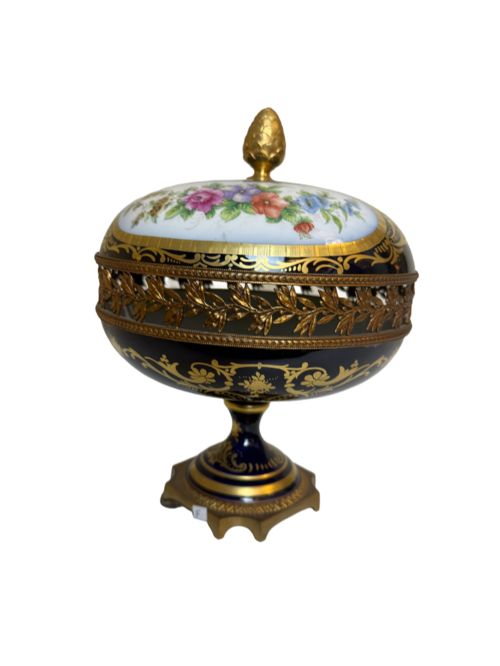
An antique floral trinket dish serves to hold small valuables like rings and pins on dressing tables and desks. These items take many forms, including lidded boxes, shallow bowls, trays, and miniature baskets.
The pieces span the eighteenth, nineteenth, and early twentieth centuries, encompassing Victorian, Edwardian, Rococo Revival, and Art Nouveau styles. English, French, German, and Japanese workshops produced them for domestic use.
Porcelain and enamel appear frequently among the listings, alongside sterling silver, glass, and metal wares. Hand-painted botanical decoration unites these diverse ceramic and metal objects.
Materials and construction
Porcelain serves as a primary base for hand-painted botanical decoration, shaped into bowls, dishes, and lidded boxes often finished with gilt edges. Enamel on metal creates smooth, brightly coloured surfaces for patch boxes and dressing table jars.
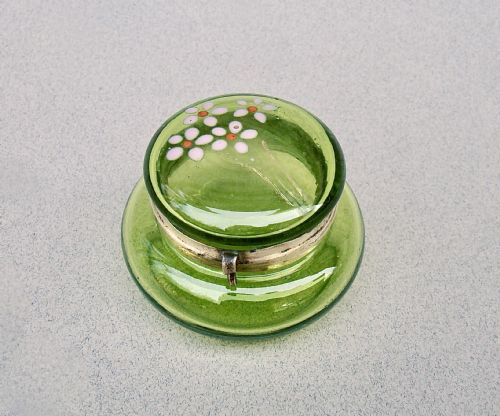
Silver and Britannia metal provide durable structures for repoussé trays and jewellery boxes featuring raised floral patterns. Glass vessels utilise enamelling and overlay techniques to display floral motifs across coloured backgrounds.
Some nineteenth century patch boxes were originally sized precisely for tiny court beauty spots.
Qualities that set pieces apart
The crispness of hand-painted floral details distinguishes finer pieces from standard production wares. Precision in gilding and the delicacy of applied ceramic flowers reveal the skill of the original maker.
The weight and finish of the metal mountings on glass and porcelain boxes indicate the standard of manufacture. Well-preserved enamel without loss and crisp repoussé work in silver define superior examples.
Flight Barr And Barr·Paul Muller Selb·Royal Worcester·Royal Crown Derby·Wedgwood·Meissen·Josef Margold
The Antique Floral Trinket Dish Glossary
- Repoussé
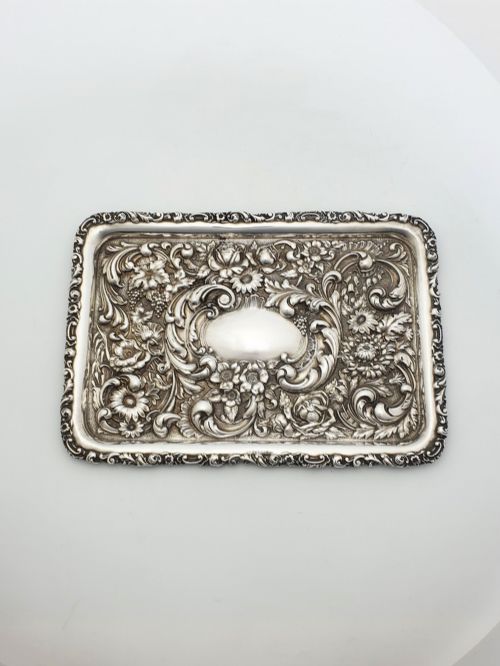
- Metalwork shaped by hammering from the reverse side to form raised designs. This technique creates high-relief floral patterns on silver trays and boxes.
- Bonbonniere
- A small ornamental container made for holding sweets or small trinkets. These lidded boxes often feature enamel or porcelain construction.
- Faience
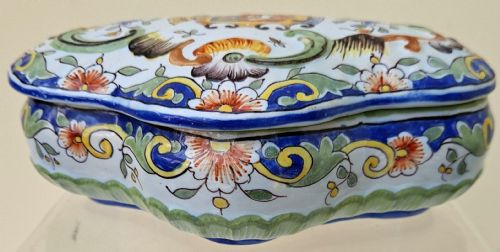
- Tin-glazed earthenware produced in Europe. French workshops created decorative boxes using this ceramic technique.
- Cloisonné
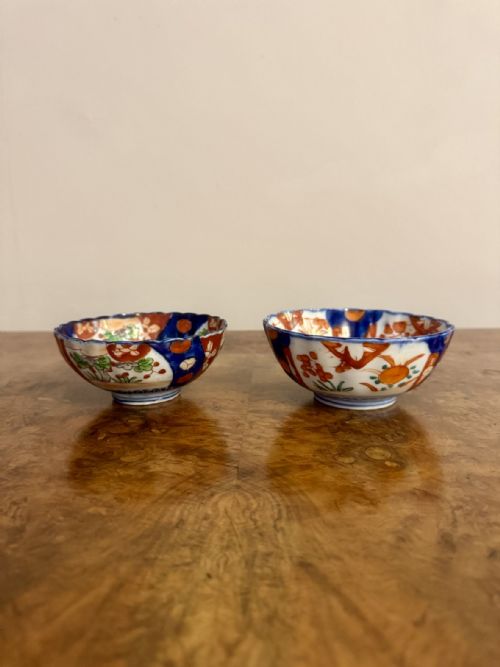
- Enamel work in which coloured pastes are separated by thin metal wires soldered to a metal base. Japanese bowls employ this method to form detailed patterns.
- Tazza
- A small ornamental cup or shallow bowl raised on a stem and foot. Metal versions often incorporate figural or botanical motifs.
Antique Floral Trinket Dish: Frequently Asked Questions
What were antique floral trinket dishes used for?
These small dishes and boxes held rings, pins, and small personal valuables on dressing tables and mantelpieces. Wealthy households utilised them in bedrooms and parlours for daily convenience.
Over time, their decorative appeal surpassed their utilitarian function, leading to preservation in display cabinets. Today, collectors value them for their varied forms and botanical decoration.
How do I care for antique enamel and porcelain?
Gentle dusting with a soft dry cloth removes surface particles without risking fragile gilt edges or hand-painted surfaces. Avoid using harsh cleaning agents or submerging enamel and silver pieces in water.
Keep these items away from direct sunlight to prevent fading of the painted floral colours. Display them on stable surfaces where they will not suffer knocks.
How can I tell Victorian pieces apart from Edwardian ones?
Victorian items frequently exhibit heavy ornamentation, ornate Rococo Revival curves, and rich gilt work. Sterling silver pieces from this era often feature deep repoussé floral relief.
Edwardian designs tend toward lighter proportions and distinct stylistic influences such as Art Nouveau. Silver hallmarks and registration numbers on the base provide precise dates of manufacture.
Are Japanese and European pieces different?
Japanese items from the nineteenth century display distinct regional styles such as Kutani ware and cloisonné enamels. Their botanical motifs follow traditional Eastern aesthetic principles.
European pieces draw on classical, Rococo, or secessionist traditions using porcelain, faience, and glass. The material and glazing techniques immediately signal the geographic origin of each piece.