

Antique Floral Table
An antique floral table brings together centuries of timber, brass, and hand-worked marquetry into a practical centrepiece for any room.
Antique Floral Table
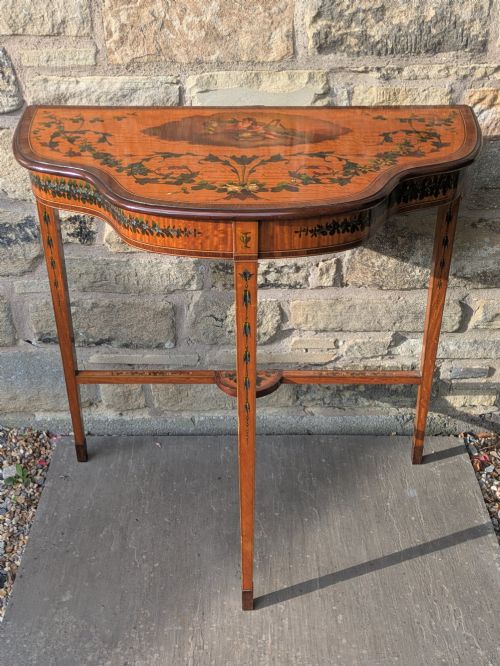
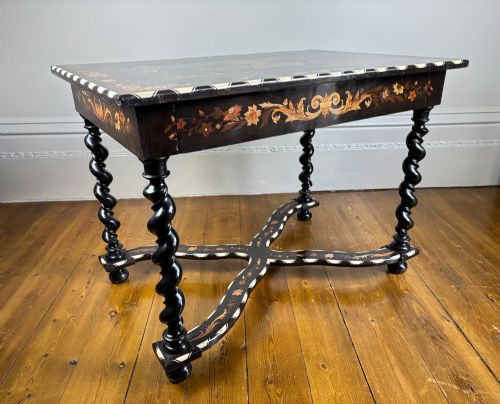
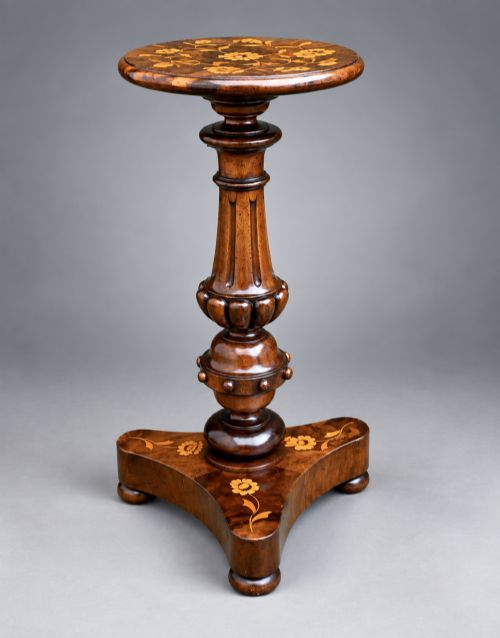
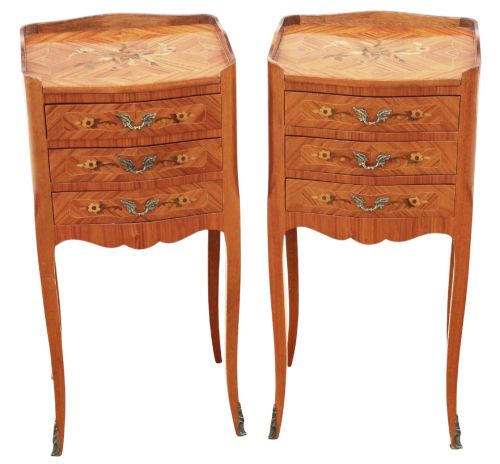
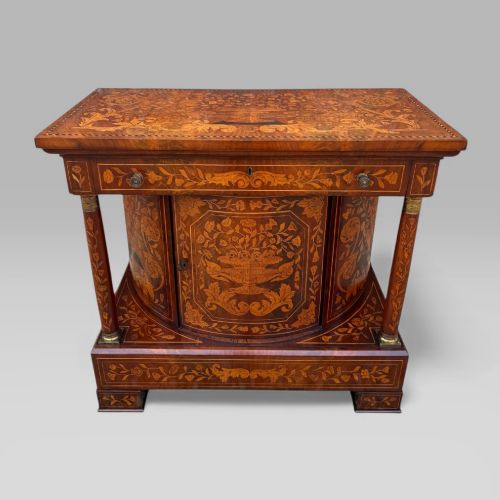
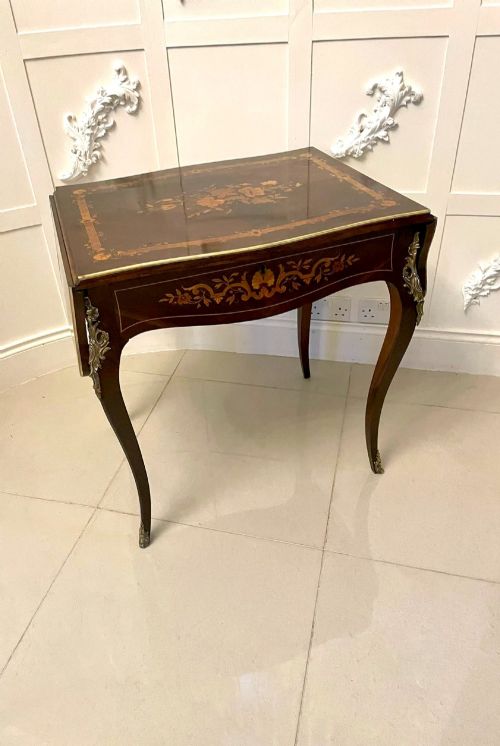
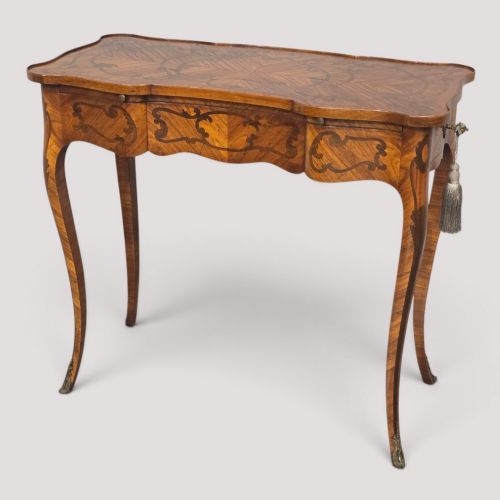
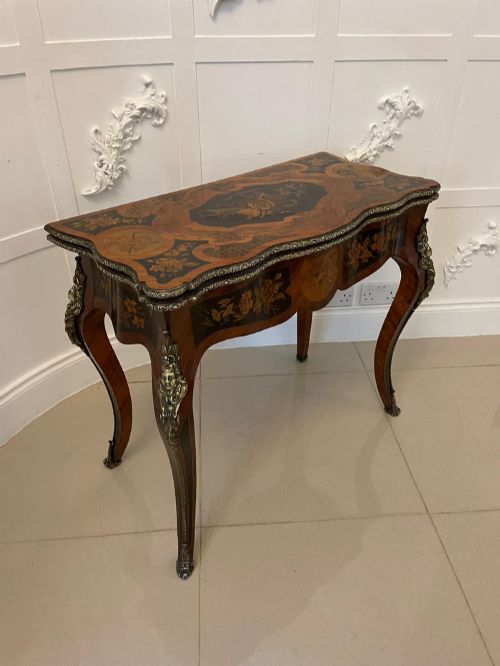
An antique floral table covers a wide range of domestic forms, from Victorian walnut centre tables and Edwardian satinwood occasional pieces to Dutch marquetry console tables. Buyers seeking this phrase encounter surfaces enriched with floral marquetry, hand-painted botanical decoration, or carved foliage motifs across various historical periods.
The selection on this page relies heavily on nineteenth-century craftsmanship, alongside eighteenth-century Dutch examples and early twentieth-century interpretations. Centre tables, side tables, and card tables dominate the forms, frequently combining structural utility with ornamental floral detail.
Materials and construction methods
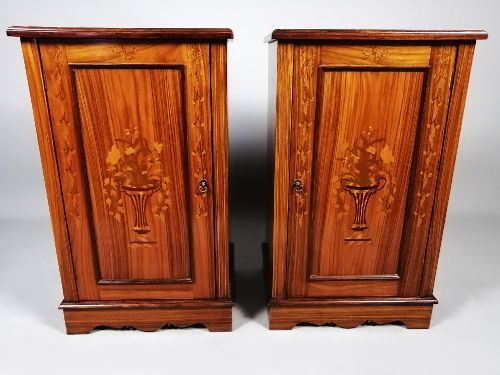
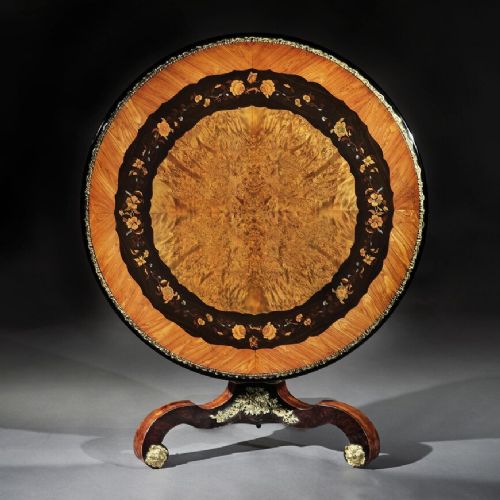
Cabinetmakers utilised dense hardwoods such as walnut, mahogany, kingwood, and satinwood to build the foundational carcasses and tabletops. These timbers provided stable grounds for intricate marquetry panels composed of contrasting woods that depicted floral sprays.
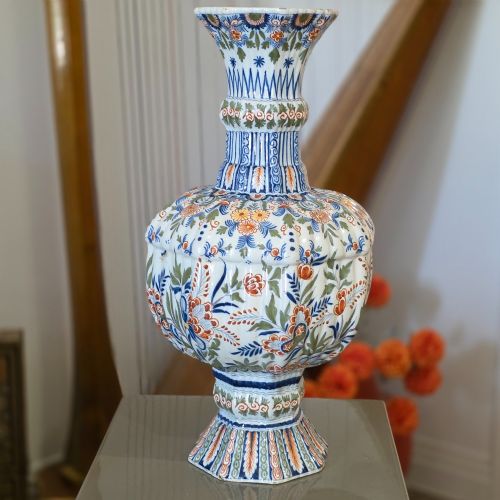
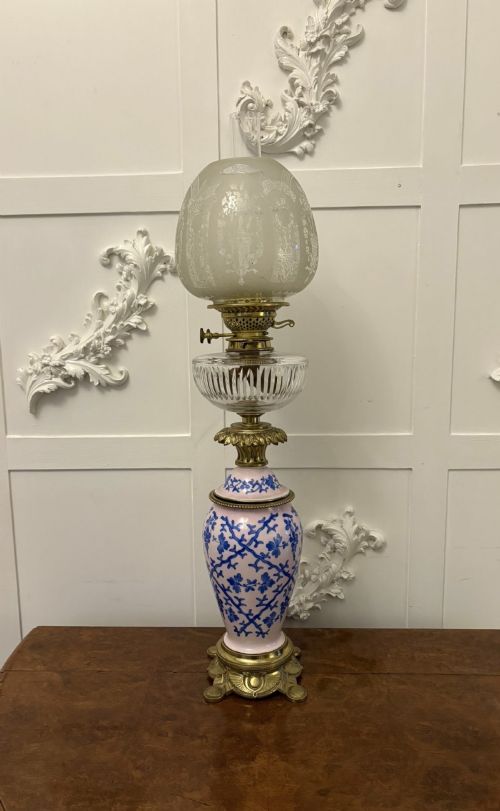
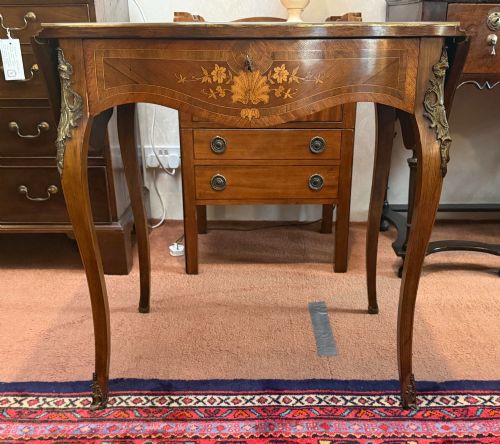
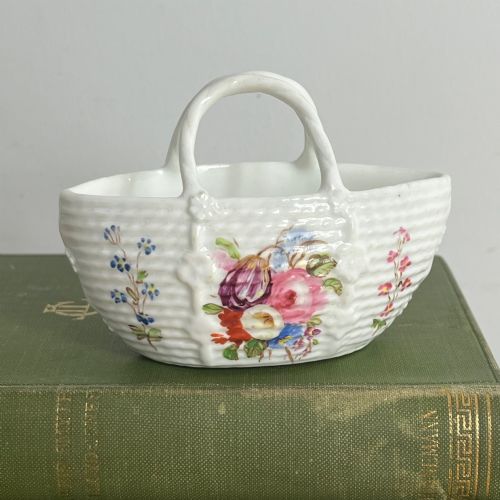
Many examples incorporate cast or chased ormolu mounts, brass inlays, and hand-painted elements directly onto the timber or porcelain inserts. The interplay between figured wood grains and delicate floral ornamentation defines the technical execution of these pieces.
Several pieces feature floral marquetry so detailed that individual tulip petals appear composed of distinct wood grains chosen to mimic natural shadows.
Judging the quality of floral tables
Quality rests upon the precision of the marquetry cutter and the natural figuring of the chosen veneers. Superior examples display tightly fitted wood varieties with subtle shading in the floral petals and leaves, avoiding heavy reliance on ink or stain to create depth.
The structural integrity of the frame, the crispness of any ormolu mounts, and the balance of the proportions relative to the decorative scheme separate standard production items from exceptional workshop creations.
Edward Holmes Baldock·Flight Barr And Barr·Emile Galle·Ollivant And Botsford
The Antique Floral Table Glossary
- Marquetry
- Decorative veneer work applied to a furniture structure to form pictorial patterns or floral designs. Craftsmen cut contrasting pieces of wood, shell, or ivory to fit precisely into a prepared ground.
- Ormolu
- Gilded bronze mounts applied to furniture edges, corners, and legs for decorative accent. This technique was widely practiced by French and English cabinetmakers during the eighteenth and nineteenth centuries.
- Satinwood
- A durable timber featuring a lustrous, golden-yellow sheen frequently utilised in eighteenth and nineteenth-century English furniture. It served as an ideal pale background for painted floral motifs or dark wood marquetry.
- Console Table
- A table designed to stand against a wall, traditionally supported by wall brackets or console legs. Many surviving antique specimens feature elaborate floral marquetry tops.
Antique Floral Table: Frequently Asked Questions
How do I care for antique marquetry surfaces?
Keep wooden tables away from direct sunlight and steady heat sources to prevent the veneers from drying out or lifting. Apply a microcrystalline wax periodically and buff gently with a soft cloth to protect the finish.
Avoid using modern liquid polishes or silicone-based sprays, as these can penetrate hairline cracks in the old polish and damage the underlying timber and floral inlays over time.
What is the difference between a centre table and a side table?
A centre table is finished on all four sides because it was historically intended to stand free in the middle of a room. Side tables are generally finished primarily on the front and long sides to sit flat against a wall.
Both forms frequently feature floral marquetry or painted decoration, but centre tables often command more intricate detail across the entire perimeter of the top.
How can I tell Victorian floral tables from Edwardian ones?
Victorian pieces usually employ heavier timbers like burr walnut and mahogany, accompanied by deep, rich tones and robust carving or dense marquetry. The floral motifs tend to be lush, naturalistic sprays covering the central tabletops.
Edwardian furniture often favours lighter woods such as satinwood, displaying airier Sheraton Revival painted floral garlands and more restrained, elegant proportions suited to brighter drawing rooms.
Were these tables meant for everyday use?
Most antique tables served specific domestic functions, such as holding lamps, displaying porcelain, or accommodating card games and letter writing. While sturdy enough for light daily tasks, their aged surfaces require sensible precautions against moisture and heavy impacts.
Using coasters and felt pads helps preserve the delicate floral veneers and polished finishes while allowing the furniture to remain an active part of a modern interior.