



Antique Floral Punch Bowl
An antique floral punch bowl brings centuries of hand-painted tradition to the table, offering a striking centrepiece for entertaining or display.
Antique Floral Punch Bowl
An antique floral punch bowl is a large vessel traditionally used for serving mixed drinks at gatherings, though many examples function primarily as decorative centrepieces today. These pieces appear in porcelain, earthenware, ceramic, and silver plate, spanning periods from the eighteenth century through the twentieth century.
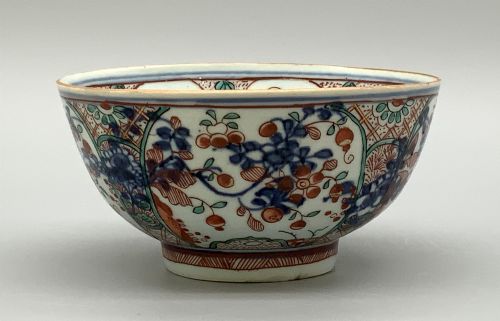
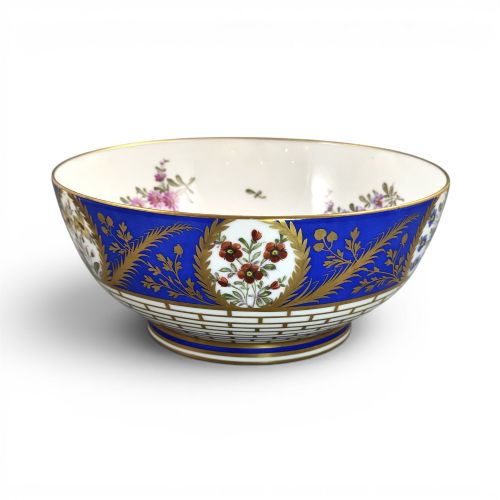
The versions most commonly met on this page include Chinese export porcelain, Japanese Imari ware, and European interpretations from makers such as Samson. Forms range from scalloped edge bowls to massive centrepieces and wine coolers decorated with birds, flowers, and armorial motifs.
Originating across Asian export markets and European kilns, these bowls reflect global trade and shifting aesthetic tastes. Eighteenth-century pieces often feature intricate hand-painted floral panels, whilst nineteenth-century examples lean towards vibrant Imari palettes and Rose Medallion designs.
How they were made
Potters shaped these vessels using traditional ceramic and porcelain bodies, frequently applying white glaze as a base for hand-painted decoration. Many nineteenth-century and earlier pieces incorporate detailed hand-painted pigments, sometimes enhanced with gold leaf highlights.
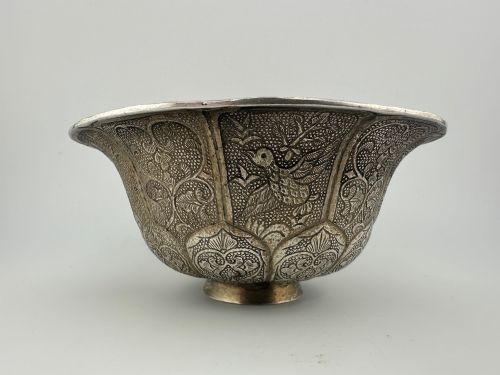
Metal alternatives utilise copper or white metal foundations finished with silver plate or repoussé floral and bird decoration, requiring skilled smithing and chasing techniques to achieve high-relief ornamentation.
Listings feature periods spanning from the 18th century to the mid-20th century, encompassing materials such as porcelain, earthenware, silver plate, and white metal.
What varies in quality
Quality rests in the precision and complexity of the hand-painted decoration, where crisp botanical lines and balanced composition distinguish superior artistic output from standard production. Early Chinese Kangxi pieces and fine Japanese Satsuma work demonstrate a level of brushwork control that elevates the object.
The weight, proportion, and stability of the ceramic body or metal foundation dictate overall integrity. Well-thrown porcelain with smooth glazing and substantial silver-plated copper vessels represent the upper tier of surviving examples.
Ryuzan·Edm'e Samson·Samson Paris
The Antique Floral Punch Bowl Glossary
- Imari
- A style of Japanese export porcelain characterised by a palette of underglaze blue, iron red, and gilt. It gained immense popularity in Europe during the seventeenth and eighteenth centuries.
- Repoussé
- A metalworking technique where the metal is hammered from the reverse side to form a raised design in relief on the front. This method creates tactile floral and bird ornamentation on silver items.
- Rose Medallion
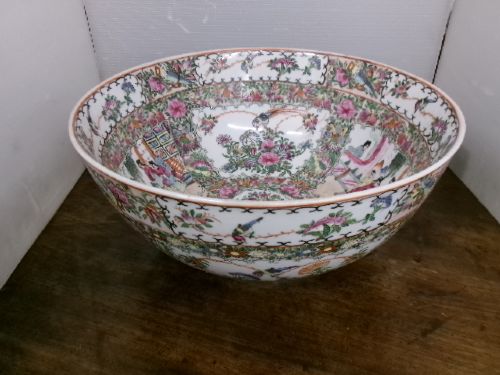
- A distinct pattern of Chinese export porcelain featuring alternating panels of figures, birds, and flowers in vibrant pink and green enamel. These large bowls date predominantly to the nineteenth century.
- Armorial
- Decoration featuring family coats of arms or crests painted onto porcelain or ceramic wares, typically commissioned by European elites. These bespoke pieces hold particular historical interest for collectors.
Antique Floral Punch Bowl: Frequently Asked Questions
What is an antique floral punch bowl used for?
Historically, these large vessels served alcoholic punches at large social gatherings, holding substantial volumes of liquid for communal sharing.
Today, owners typically utilise them as striking dining table centrepieces, floral arrangements holders, or standalone decorative items on sideboards.
How do I date an antique porcelain bowl?
Dating relies on examining the ceramic body, glaze characteristics, style of hand-painted decoration, and any base marks present. Eighteenth-century pieces often show different potting weights and iron-foot rings compared to nineteenth-century export wares.
Comparing stylistic elements against documented periods like the Meiji era or Kangxi reign provides a reliable chronological framework.
Are these bowls safe for serving food?
Most antique bowls are intended primarily for display or gentle domestic use rather than modern food service. Older glazes and enamels may contain trace elements that react with acidic liquids or modern dishwashers.
Hand washing with mild soap is essential to preserve the delicate hand-painted pigments and any gold leaf detailing.