


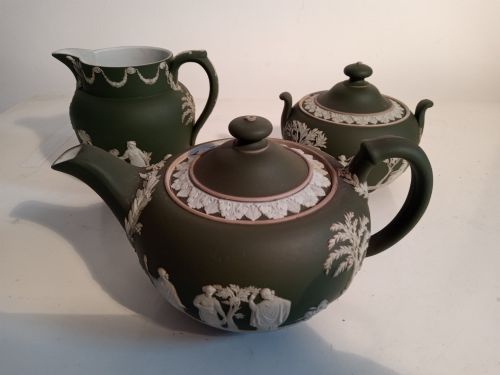


Vintage Porcelain Sugar Bowl
These vintage porcelain sugar bowl pieces offer the classic forms and fine ceramics that collectors prize for everyday display.
Vintage Porcelain Sugar Bowl
A vintage porcelain sugar bowl brings traditional ceramic forms into the home, spanning periods from the mid 1700s to the 1920s. Buyers searching for a vintage porcelain sugar bowl will find lidded sucriers, two handled sugar bowls, and pieces forming part of larger tea sets or coffee services.
The origin of these pieces varies across English and continental European traditions, including works from Worcester, Spode, and Richard Ginori. Forms range from simple bowls to elaborate vessels influenced by Regency, Victorian, and French Rococo Revival styles.
Materials and construction
These items utilise various porcelain bodies recorded as hard-paste porcelain, soft-paste porcelain, felspar porcelain, stoneware, and jasperware. Artisans shaped these ceramic materials into functional vessels designed for table service.
Decoration relies upon applied enamel work and delicate gold leaf detailing. Some pieces feature hand painted fruit motifs or patterned surfaces characteristic of their respective periods.
Vintage Porcelain Sugar Bowl Retail Price Guide 2026
Typical asking prices for vintage porcelain sugar bowl among the pieces listed under this phrase on Sellingantiques today, from the lower quarter to the upper quarter. They describe what is for sale here now, not the wider market.
Several bowls feature painted fruit so vivid you might reach for a napkin.
Assessing quality
The standard of execution in painting and gilding separates ordinary vessels from finer examples. Precision in the application of enamel and gold leaf indicates the skill of the maker.
The complexity of the ceramic body and form also influences the piece, distinguishing standard sugar bowls from elaborate two-handled sucriers and matched tea service components.
Wedgwood·Spode·Royal Davenport·Worcester·Richard Ginori·Royal Worcester
The Vintage Porcelain Sugar Bowl Glossary
- Sucrier
- A sugar basin or bowl with a lid, commonly used in tea services. This French term appears frequently in descriptions of antique porcelain.
- Flight Period
- A specific era in the history of the Worcester porcelain factory, associated with identifiable factory marks and stylistic traits. Pieces from this time are valued by ceramic historians.
- Hard-paste porcelain
- A durable ceramic composition fired at high temperatures, made from kaolin and petuntse. It resists scratching and provides a smooth base for enamel decoration.
- Jasperware
- A type of vitreous stoneware developed by Josiah Wedgwood, notable for its matte finish and raised classical decoration. It frequently appears in contrasting colours.
- Felspar porcelain
- A ceramic body incorporating felspar into the paste, developed during the nineteenth century to improve translucency and strength. Spode utilised this material for various tea wares.
Vintage Porcelain Sugar Bowl: Frequently Asked Questions
What is a vintage porcelain sugar bowl?
A vintage porcelain sugar bowl is a ceramic vessel designed for holding sugar during tea or coffee service. These items date from various historical periods and include both lidded sucriers and open bowls.
Many of these pieces were originally manufactured as part of larger tea sets or coffee services rather than as standalone items.
How do I date an old sugar bowl?
Dating relies on identifying factory marks, stylistic indicators, and the specific type of porcelain body used. Reference materials and manufacturer histories help narrow down the period of production.
Stylistic shifts from Georgian neoclassical designs to Victorian or Rococo revival forms provide further chronological clues.
What is the difference between a sucrier and a sugar bowl?
A sucrier is specifically a sugar bowl equipped with a matching lid, a term derived from French terminology common in ceramic descriptions. Standard sugar bowls may lack a lid or feature handles.
Both forms served the same practical function on the tea table across the eighteenth and nineteenth centuries.
Can I use these antique bowls daily?
While these pieces were originally intended for functional use, age and delicate materials like gold leaf and enamel require careful handling. Many collectors prefer to use them for display or occasional gentle service.
Hand washing is generally recommended to preserve the painted decoration and ceramic body over time.