




Antique Floral Porcelain Tray
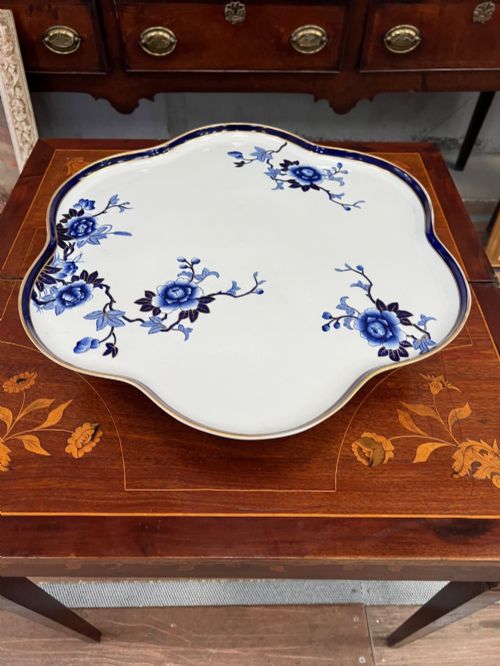
An antique floral porcelain tray brings handpainted botanical charm to a table, combining utility with delicate ceramic artistry.
Antique Floral Porcelain Tray
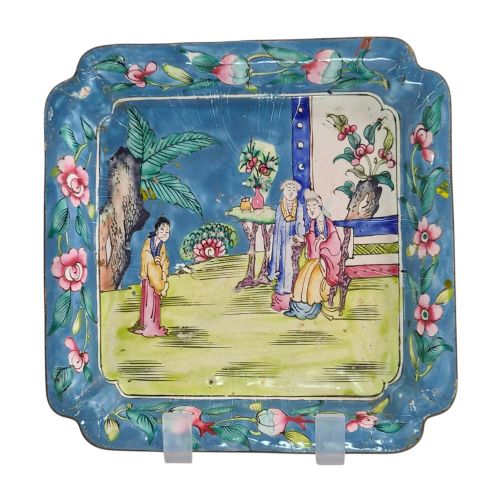
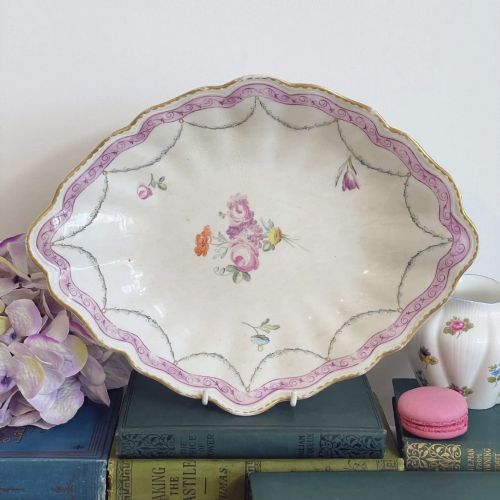
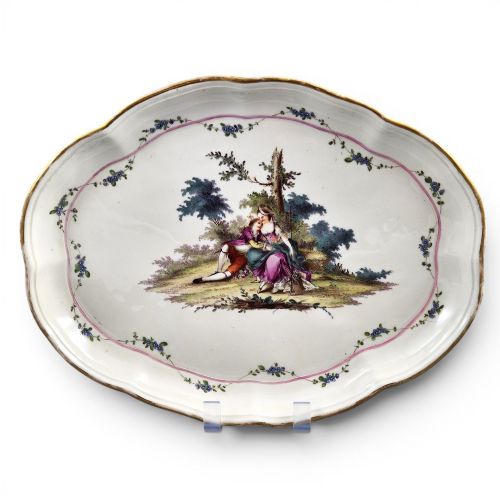
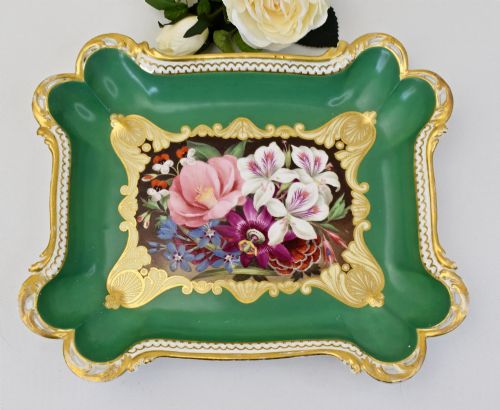
An antique floral porcelain tray encompasses serving dishes, cabinet pieces, and decorative platters adorned with painted botanical motifs. The pieces span multiple eras, including Georgian, Regency, Victorian, and Edwardian periods, alongside continental and Asian export wares.
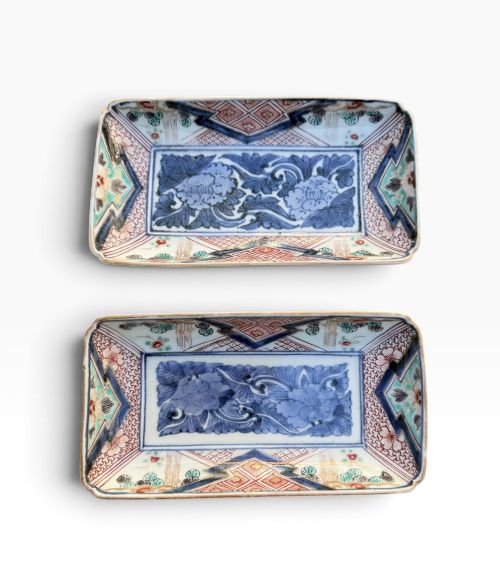
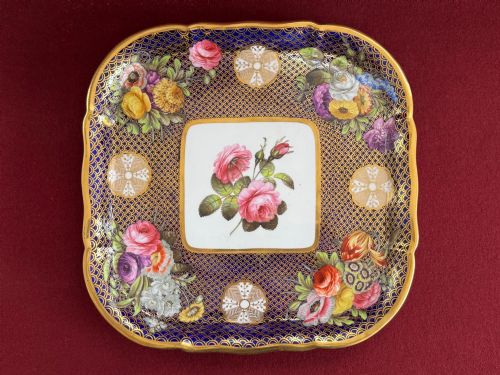
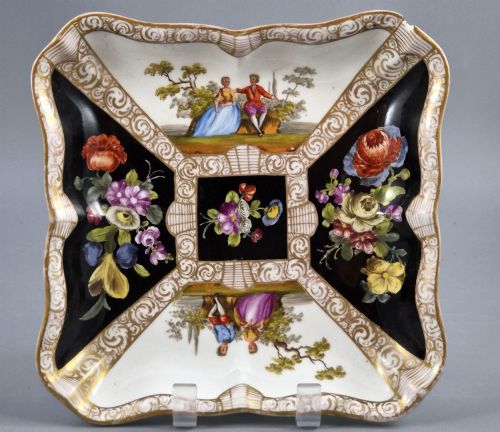
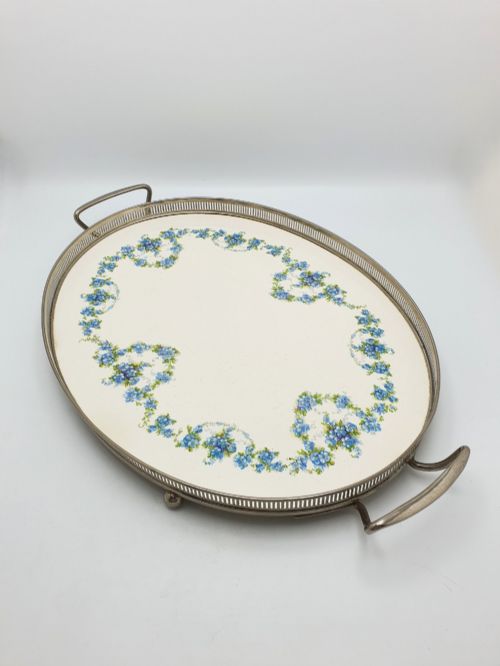
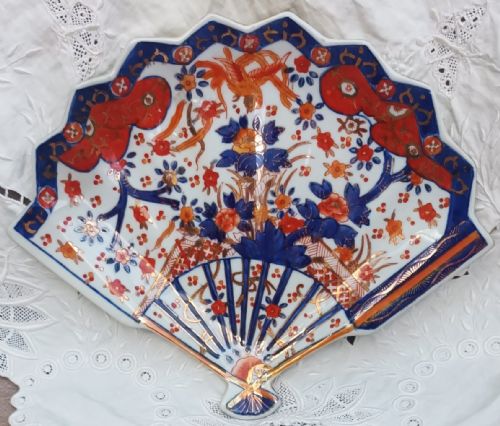
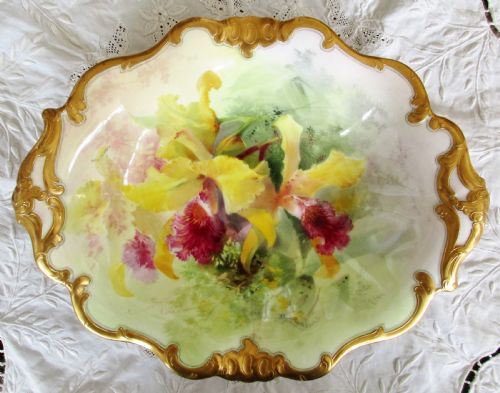
Buyers will encounter various ceramic forms ranging from rectangular platters and oval serving dishes to square cabinet dishes and shell-shaped vessels. Many examples feature delicate painted flower centres, polychrome sprays, or blue floral decoration.
Originating from renowned English factories, continental European manufactories, and Japanese periods, these items reflect diverse regional aesthetics applied to functional and decorative surfaces.
Materials and Technique
The foundation of these items relies on porcelain, ceramic, and earthenware bodies shaped into trays, dishes, and platters. Artisans applied polychrome pigments, enamel, and underglaze blue to create intricate floral designs and pictorial scenes.
Many surfaces incorporate gold leaf, gilding, and gilt edges to highlight moulded contours and borders. Certain continental pieces integrate porcelain elements with supportive brass bases.
Firing techniques and handpainting methods varied by workshop, allowing for distinct glaze depths, crisp moulding, and precise brushwork across English, European, and Asian pieces.
Antique Floral Porcelain Tray Retail Price Guide 2026
Typical asking prices for floral porcelain tray among the pieces listed under this phrase on Sellingantiques today, from the lower quarter to the upper quarter. They describe what is for sale here now, not the wider market.
Listings feature porcelain, ceramic, earthenware, and brass materials across multiple centuries.
Factors of Quality
The standard of a piece rests heavily on the precision of the handpainting and the crispness of the porcelain moulding. Finely executed botanical detail, such as individually rendered orchids or bouquets, elevates a work above standard transfer-printed wares.
The application of gilding and gold leaf contributes significantly to the distinction between ordinary production and superior craftsmanship. Intact, burnished gold accents and well-preserved enamel colours demonstrate higher workshop standards.
Association with documented makers, specific pattern numbers, or recognised artists adds interpretive depth to an object. The finesse of the ceramic body and the balance of the composition further separate notable cabinet pieces from utilitarian tableware.
Derby·Meissen·Royal Doulton·Worcester·Minton·Carlton Ware·Royal Worcester·Kutani·Ridgway·Spode·KPM·Sevres·Wedgwood
The Antique Floral Porcelain Tray Glossary
- Polychrome
- Decoration executed in multiple colours. This technique allows for vibrant, multi-hued floral sprays across the ceramic surface.
- Gilding
- The application of gold leaf or powdered gold onto porcelain. It provides metallic outlines and highlights along the rims and borders of dishes.
- Cabinet dish
- A decorative plate intended for display in a cabinet rather than functional table use. These pieces often showcase superior artistic execution.
- Imari
- A style of Japanese porcelain featuring a distinct palette of underglaze blue, iron red, and gold. It frequently appears on imported dishes from the Meiji period.
- Armorial
- A ceramic design incorporating a family coat of arms or heraldic crest. These bespoke motifs were often commissioned for export markets.
Antique Floral Porcelain Tray: Frequently Asked Questions
Are these trays suitable for food?
Many of these pieces were originally created as serving dishes or platters for dining use. However, age, historic glaze composition, and delicate overglaze enamels often make modern display preferable.
Using them for dry presentation is generally safer than washing them repeatedly with acidic or greasy foods.
How do I identify the period?
Examine the base for factory marks, pattern numbers, and impressed stamps. Stylistic indicators such as Regency moulding or Aesthetic Movement details also point toward specific eras.
Comparing the paste, weight, and painting style with documented examples helps narrow down the decade of manufacture.
What is a cabinet dish?
A cabinet dish is a decorative ceramic piece meant for visual appreciation rather than heavy dining use. These items often feature intricate handpainted scenes or botanical studies.
They were typically displayed on stands or within furniture cabinets to showcase fine craftsmanship.