
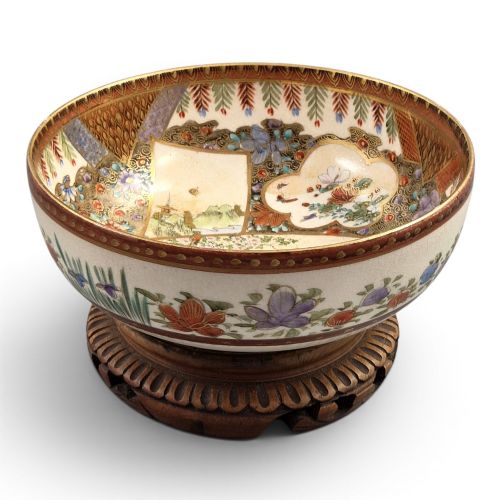


Antique Floral Enamel Dish
An antique floral enamel dish brings vibrant botanical motifs and rich vitreous colour to a table, combining enduring metallic or ceramic forms with meticulous hand-painted details.
Antique Floral Enamel Dish
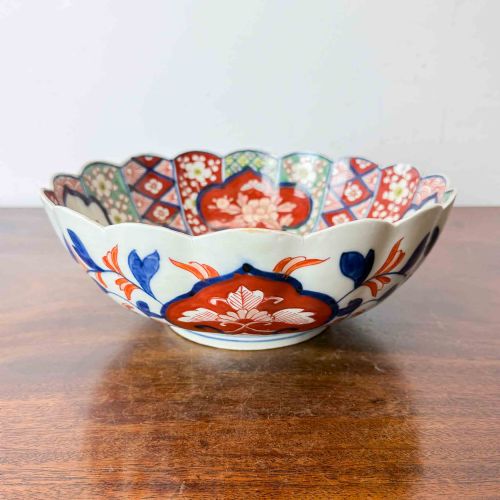
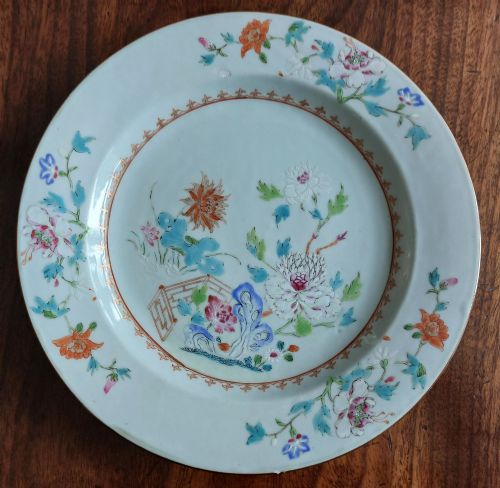
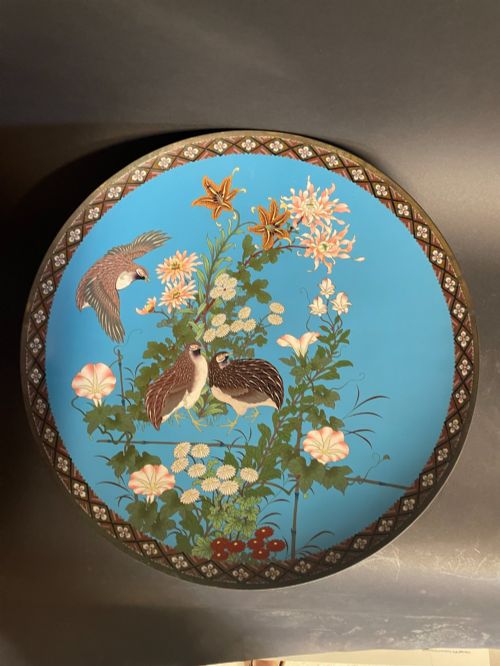
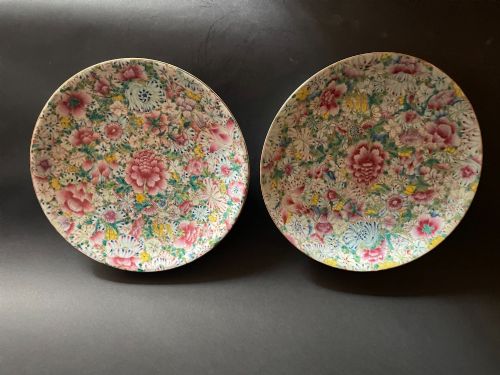
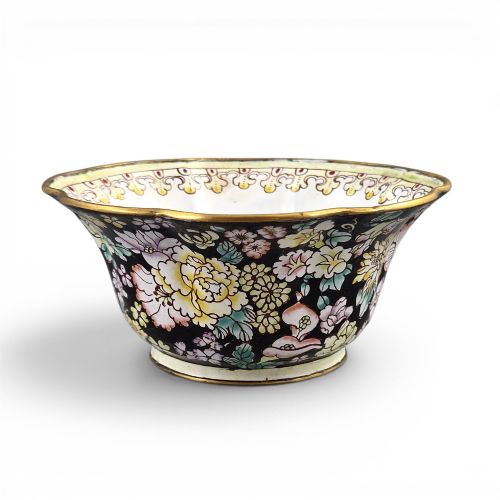
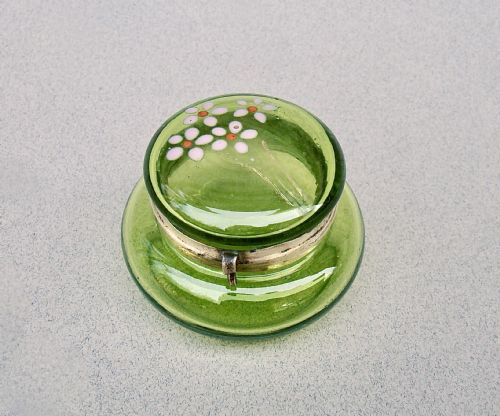
When searching for an antique floral enamel dish, collectors encounter a diverse array of objects spanning the eighteenth to the twentieth centuries, originating primarily from workshops in Japan, China, and Europe. These pieces manifest as large chargers, decorative bowls, trinket boxes, and trays, frequently displaying botanical subjects such as chrysanthemums, peonies, and irises.
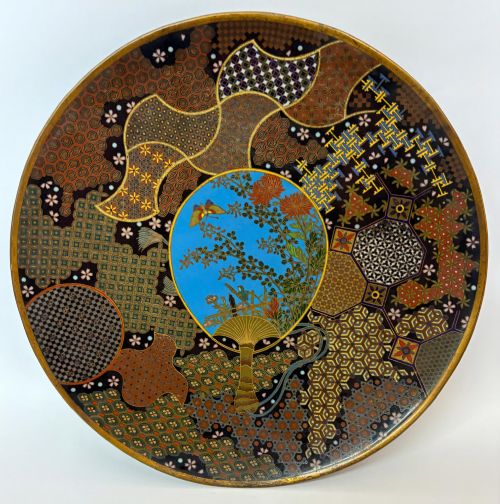
Japanese Meiji period cloisonne enamel dishes and Chinese export porcelain plates dominate the selection, alongside English and continental enamelled glassware and copper patch boxes. Forms range from miniature bowls and lidded vessels to eighteen-inch chargers, reflecting varied domestic and export traditions across distinct global centres.
Materials and construction techniques
Manufacturing methods rely heavily on the fusion of glass powder to a solid substrate through kiln-firing, utilising copper, brass, porcelain, and glass as foundations. Cloisonne pieces incorporate thin metal wires soldered to a metal base to create compartments which are subsequently filled with coloured enamel pastes before firing and polishing.
Porcelain and earthenware vessels employ hand-painted enamel pigments, sometimes augmented with gold leaf, moriage relief work, or ormlu mounts, whilst glass items utilise direct surface enamelling techniques as seen in nineteenth-century Bristol blue and green vessels.
Materials represented across the inventory include porcelain, copper, brass, earthenware, glass, and gold leaf.
Distinctions in execution and finish
Quality in these pieces rests upon the precision of the enamel work, the clarity of the colour palette, and the fineness of the underlying metal or ceramic body. Superior examples display intricate, densely populated floral and avian motifs executed with disciplined symmetry and controlled firing free from surface pitting or cloudiness.
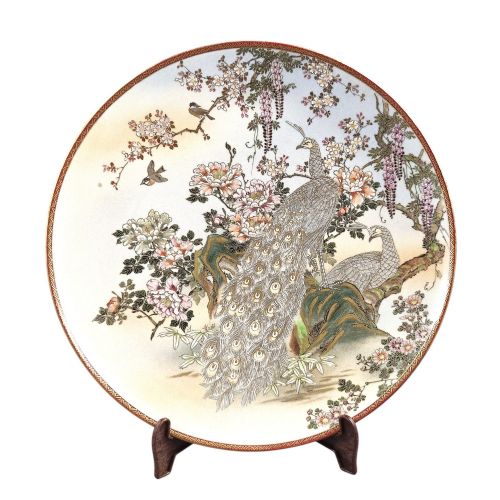
The sophistication of wirework spacing in cloisonne, the complexity of hand-painted detail in famille rose or satsuma wares, and the inclusion of artist signatures separate standard production items from master-class creations.
Kozan·Kinkozan·Rene Lalique·Hannah Walton
The Antique Floral Enamel Dish Glossary
- Cloisonne Enamel
- A decorative technique where metal wires form raised cells on a metal body to hold coloured glass paste before firing. This method allows for intricate multi-coloured pictorial designs across chargers and bowls.
- Famille Rose
- A prominent palette of Chinese ceramic enamels introduced in the eighteenth century, distinguished by opaque pink or purple hues derived from colloidal gold. It typically depicts delicate botanical and avian scenes.
- Satsuma Ware
- Japanese earthenware featuring a crackled ivory-coloured glaze, frequently heavily decorated with polychrome enamels and gilt highlights. Pieces often showcase complex floral and figural compositions.
- Imari
- A style of Japanese export porcelain characterised by underglaze blue and overglaze red, gold, and green pigments. These items traditionally display rich geometric and floral arrangements.
- Patch Box
- A small decorative container utilised in the eighteenth century for storing cosmetic patches, commonly fashioned from enamelled copper with a hinged mirror fitted inside the lid.
Antique Floral Enamel Dish: Frequently Asked Questions
How do I date a cloisonne dish?
Dating relies on examining the substrate metal, the thickness and composition of the separating wires, and the chemical tone of the enamel colours. Earlier pieces often display heavier copper bases and softer, less uniform enamel hues compared to later standardised production.
Stylistic shifts in floral motifs also offer chronological markers, transitioning from rigid geometric borders to more naturalistic asymmetric compositions by the late nineteenth century.
What is the difference between cloisonne and champleve?
Cloisonne involves soldering flat metal wires onto a solid metal base to form individual compartments for enamel paste. This creates a raised linear grid across the entire surface of the dish.
Champleve, by contrast, involves carving or recessing troughs directly into the thick metal plate to receive the enamel, leaving solid metal walls between the coloured areas.
Are signed pieces more valuable?
Signed items bearing the marks of recognised artists or distinguished workshops generally command greater interest among collectors due to documented provenance and superior craftsmanship. Signatures on Japanese Meiji wares or European art glass indicate individual authorship rather than factory output.
Verification of marks requires comparison against established historical corpora, as signatures were occasionally imitated in contemporary production.