



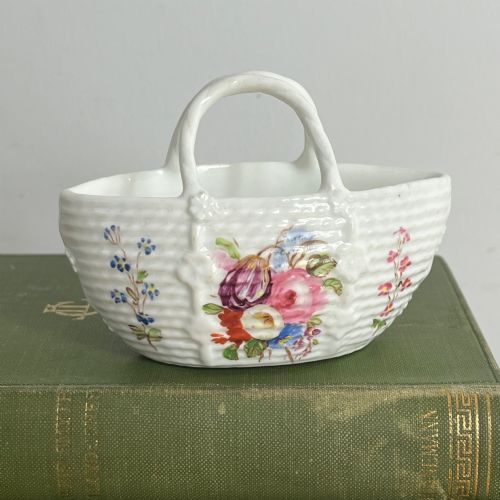

Antique Floral China Dish
An antique floral china dish brings painted botanical detail to the table, uniting 18th-century ceramics with rich Regency and Victorian colour.
Antique Floral China Dish
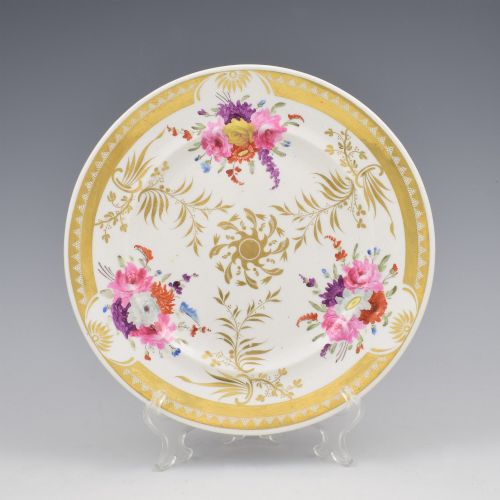
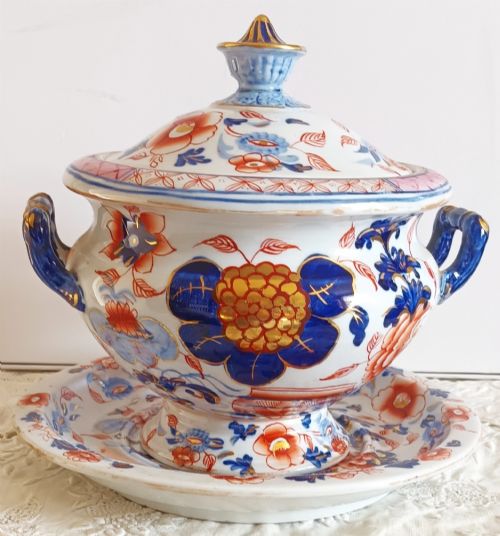
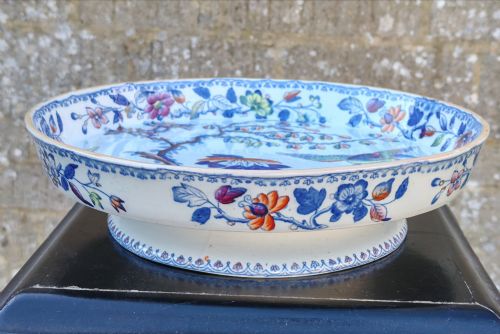
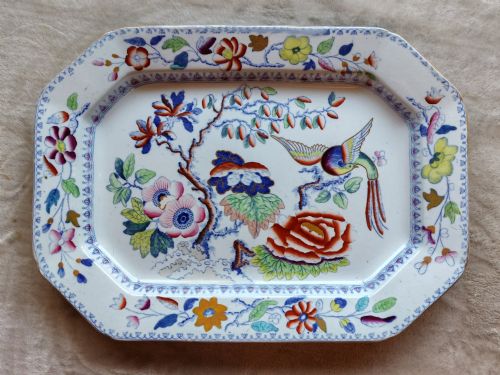
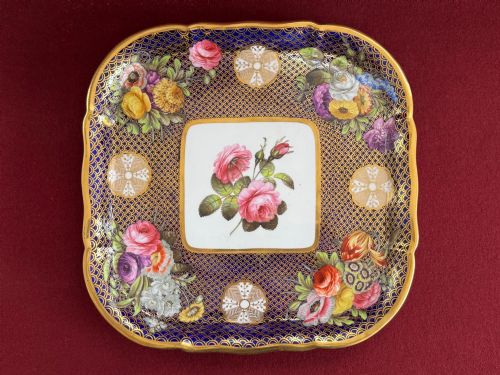
An antique floral china dish spans serving platters, cabinet plates, tureens, and bowls created across the 18th, 19th, and early 20th centuries. Buyers searching for an antique floral china dish encounter porcelain, ironstone, and earthenware pieces decorated with hand-painted botanicals, garden flowers, and exotic patterns.
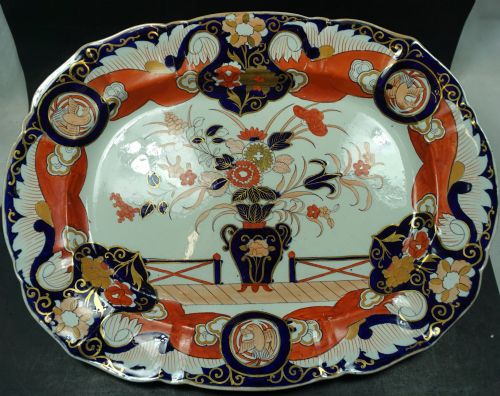
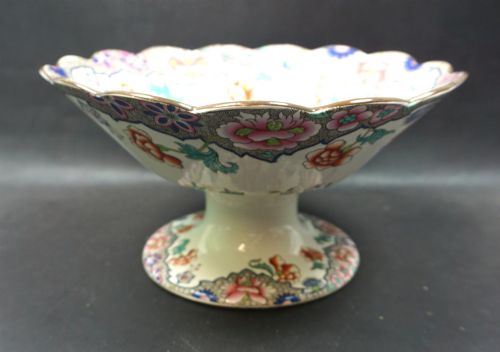
The selections on this page lean heavily towards English porcelain and ironstone factories of the Georgian and Regency periods, alongside Chinese export porcelain and continental European wares. Forms range from simple dessert plates and footed comports to large display trays and covered vegetable tureens.
Makers and potteries from Worcester, Derby, Coalport, and Spode appear frequently, often carrying specific pattern numbers or armorial crests. Whether selecting a delicate cabinet plate or a heavy ironstone serving dish, collectors find functional kitchenware elevated to fine art.
How they were made
Potters shaped these vessels using fine porcelain, stone china, or dense ironstone bodies, fired at high temperatures to ensure durability. Glaze was then applied to seal the ceramic body, providing a smooth surface for hand-painted botanical motifs and polychrome enamels.
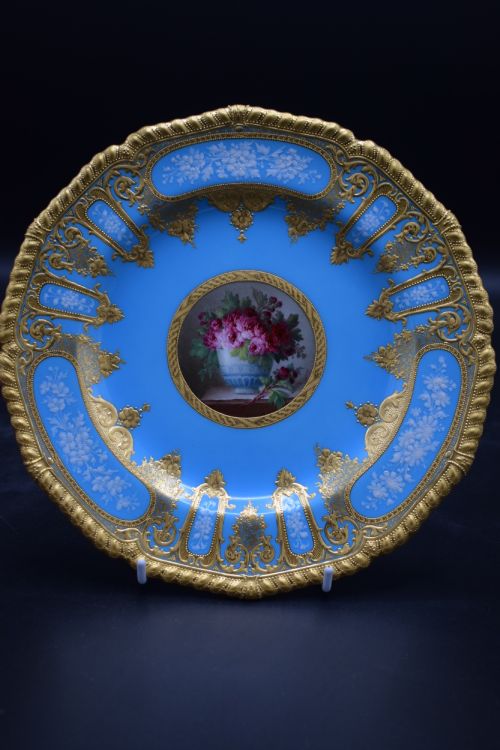
Many items incorporate applied gold leaf and gilt highlights around the rims and handles, framing the central floral compositions. Transfer printing sometimes laid down the initial outlines before skilled artists added the final hand-painted colour by brush.
Antique Floral China Dish Retail Price Guide 2026
Typical asking prices for floral china dish among the pieces listed under this phrase on Sellingantiques today, from the lower quarter to the upper quarter. They describe what is for sale here now, not the wider market.
Cabinet plates once served as edible canvases, though today nobody dares risk a fork on those hand-painted orchids.
What varies in quality
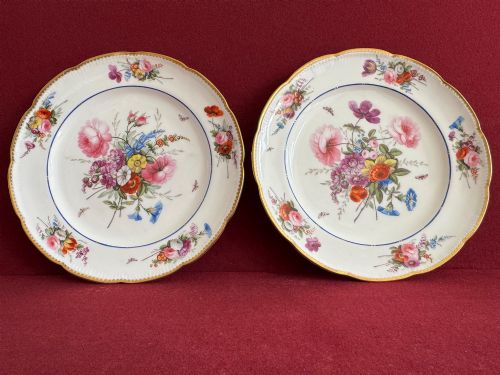
The distinction between standard utility wares and top-tier cabinet pieces lies in the precision and artistry of the hand painting. Botanical accuracy, brushwork detail, and the richness of the polychrome palette elevate certain dessert plates and comports far above basic factory production.
The application of gilding and the clarity of the underlying porcelain or ironstone paste also dictate the standing of a piece. Early factory marks, specific pattern numbers, and documented commissions for named individuals or aristocratic houses add considerable weight to a ceramic object.
Mason's Ironstone·Spode·Davenport·Royal Crown Derby·Flight Barr and Barr·Chamberlains Worcester·Royal Doulton·Coalport·Minton·New Hall
The Antique Floral China Dish Glossary
- Ironstone china
- A durable type of earthenware patented in the 19th century, designed to resist chipping while mimicking true porcelain. It provides a heavy, robust body for large platters and tureens.
- Imari
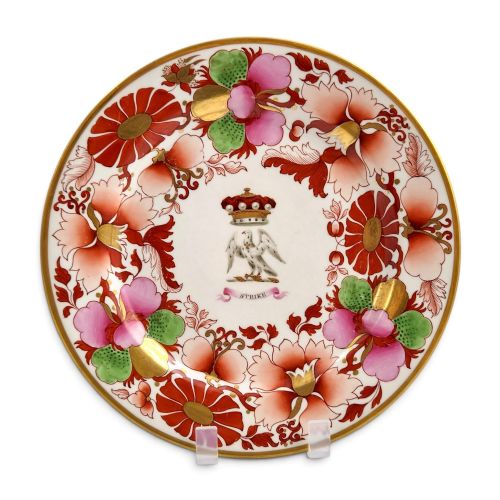
- A decorative style inspired by Japanese export wares, featuring rich iron red, underglaze blue, and gilt. It frequently appears on 19th-century English ironstone and porcelain dishes.
- Comport
- A raised pedestal dish or bowl used for serving fruit or sweets at dessert. These pieces stand on a fixed base above the table surface.
- Armorial
- A ceramic design bearing a family crest, coat of arms, or noble insignia. These bespoke commissions were painted specifically for landed gentry.
- Felspar porcelain
- An innovative ceramic body introduced by Spode in the early 19th century. It incorporates feldspar minerals to create a bright, strong white porcelain.
- Millefleur
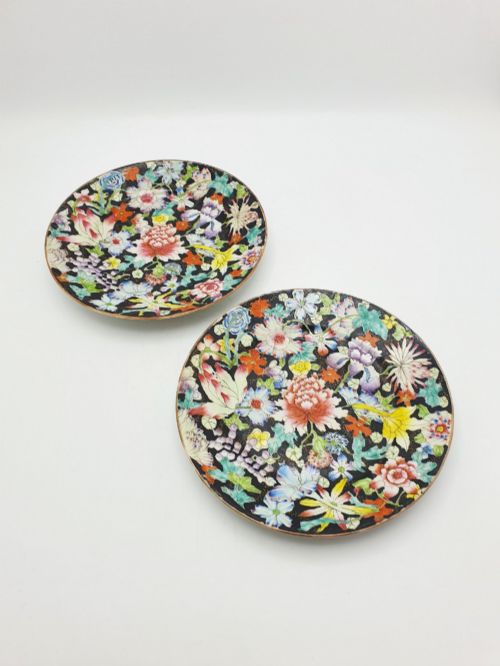
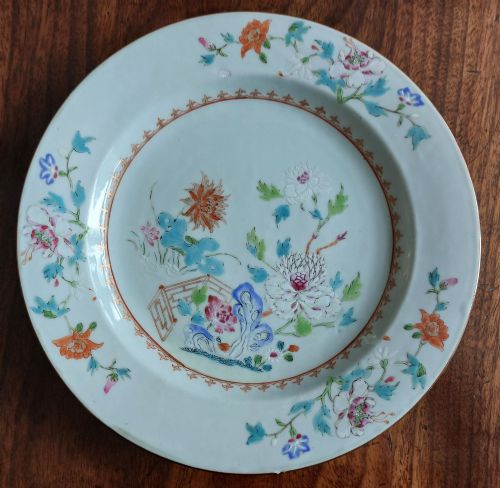
- A dense decorative pattern composed of numerous small flowers covering the entire surface. This technique appears on fine Chinese porcelain plates.
Antique Floral China Dish: Frequently Asked Questions
How were antique floral dishes used?
These pieces served practical roles during formal dining, particularly for the final course of a meal. Dessert plates, comports, and pedestal bowls held fruit, sweetmeats, and delicate pastries.
Larger items like tureens and serving platters brought meats and vegetables directly to the dining table. Many were also displayed in cabinets as status symbols rather than used for daily dining.
How do I identify the period?
Dating relies on factory marks, paste composition, and stylistic clues stamped or painted on the underside. Georgian and Regency pieces often feature handwritten pattern numbers or early factory script.
Victorian and later items frequently use impressed ceramic marks, registration diamonds, or printed factory stamps. Comparing the floral painting style to known pattern archives helps narrow down the exact decade of manufacture.
What is ironstone china?
Ironstone is a heavy, durable ceramic material patented in the 19th century to compete with imported Chinese porcelain. It combines earthenware clay with slag iron, feldspar, and china stone.
This mixture created a robust body that resisted chipping, making it ideal for heavy family dinners and large serving platters. Despite its strength, it accepted colourful Imari patterns and floral enamels brilliantly.