

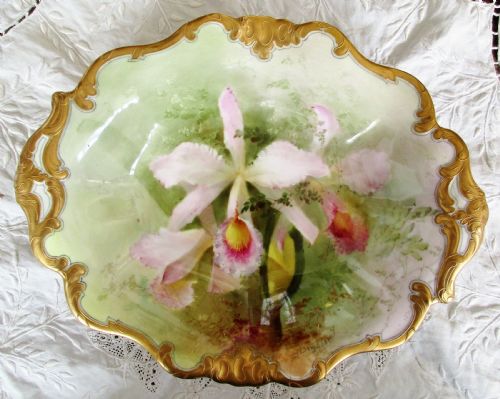
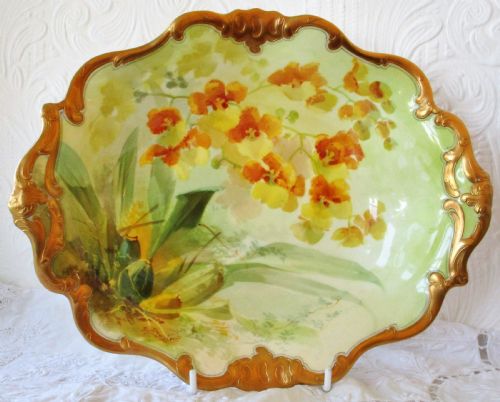
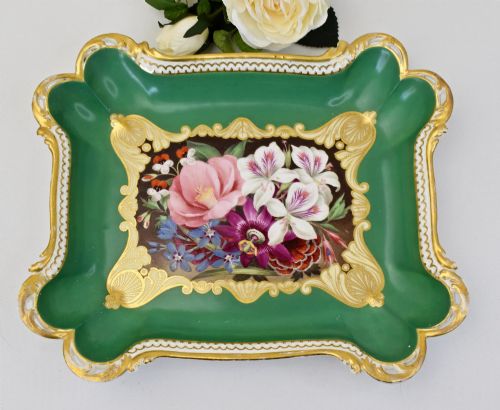

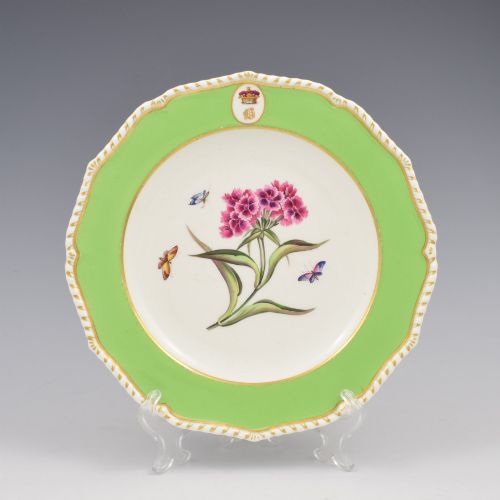

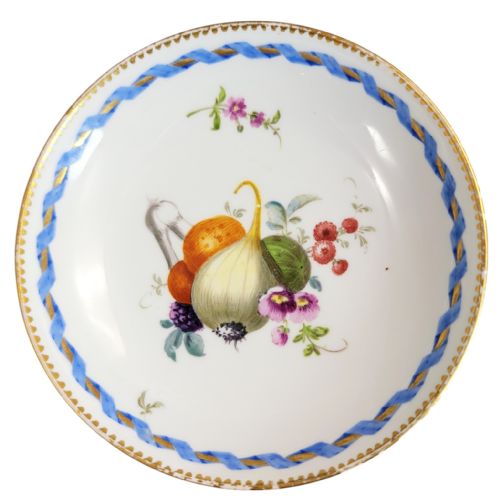

Hand Painted Botanical Dish
Hand painted botanical dish selections bring together centuries of natural history study and skilled ceramic artistry.
Hand Painted Botanical Dish
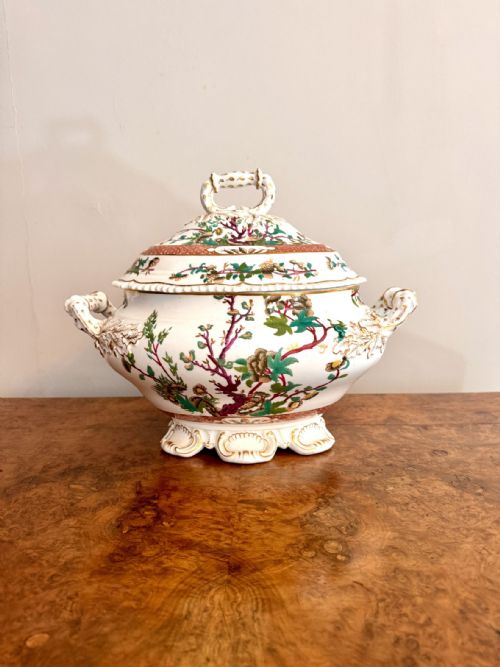
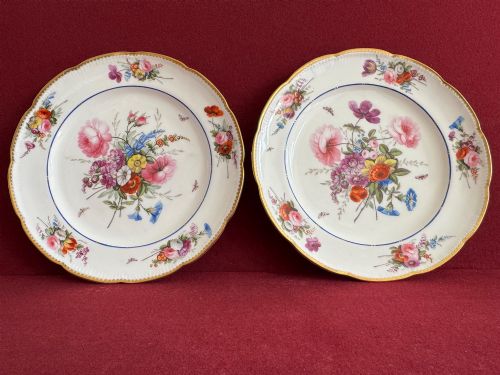
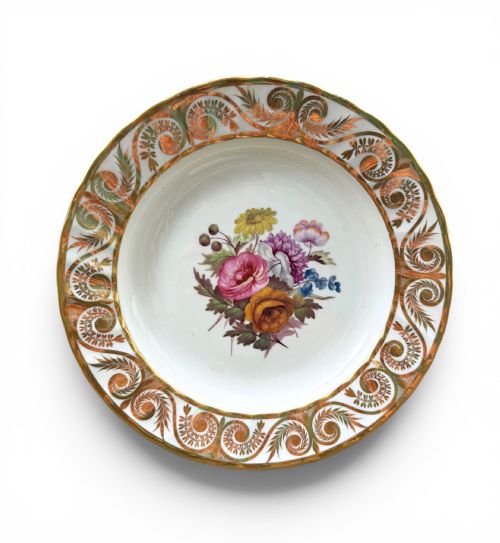
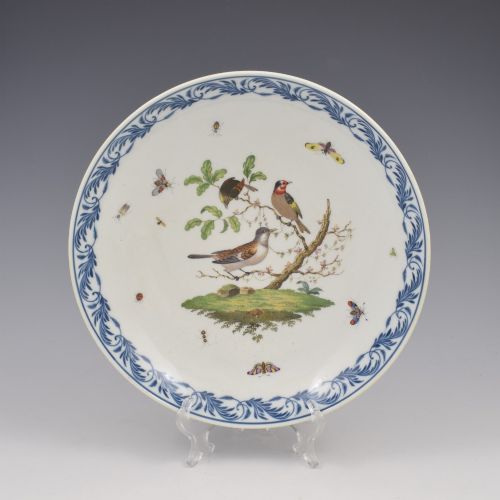
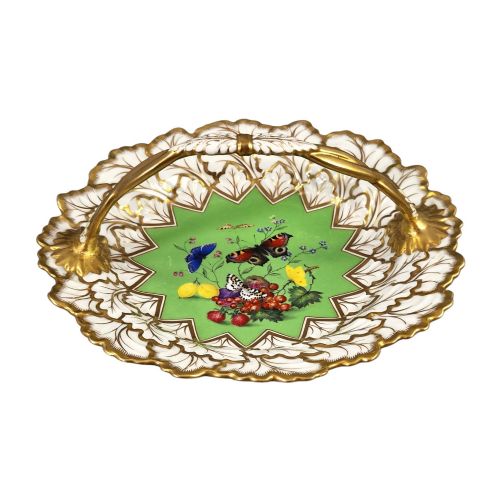
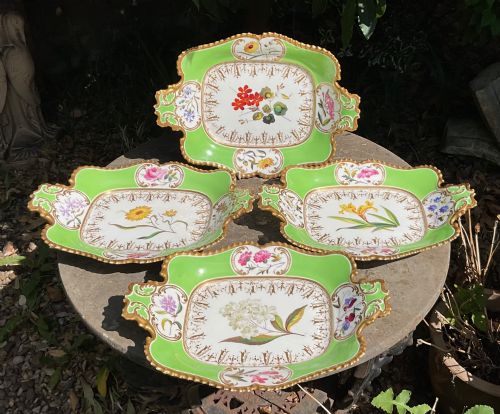
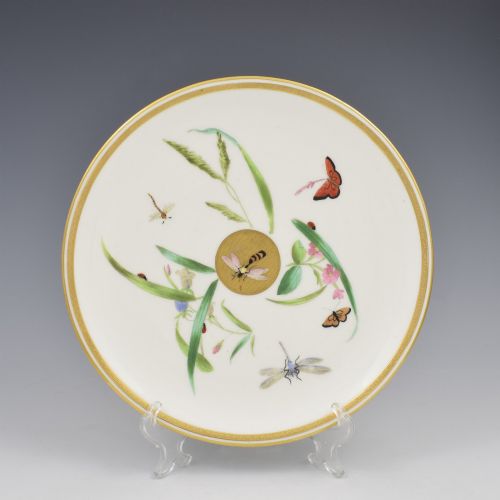
A hand painted botanical dish serves as a canvas for detailed studies of flowers, plants, and natural subjects. Buyers encounter items ranging from Georgian sauce tureens to Victorian cabinet plates and serving dishes.
The selections span English, continental European, and Asian manufactories, appearing in forms such as dessert plates, comports, and trays. Georgian and Regency pieces dominate the available range.
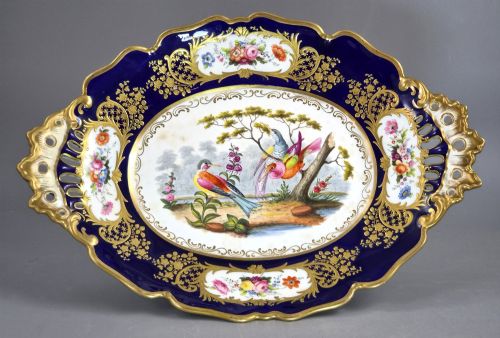
Makers recorded in the evidence applied botanical, ornithological, and armorial designs directly onto hard-paste porcelain, bone china, and pearlware.
Materials and methods
Craftsmen utilised porcelain, bone china, earthenware, and pearlware as the primary ceramic bodies for these items. Potters shaped these materials into plates, bowls, dishes, and tureens before decoration.
Artisans applied enamel colours by hand, often incorporating gold leaf, gilding, and gilt accents to highlight borders and motifs. Factories then fired the pieces to set the pigments permanently into the glaze.
Hand Painted Botanical Dish Retail Price Guide 2026
Typical asking prices for hand painted botanical dish among the pieces listed under this phrase on Sellingantiques today, from the lower quarter to the upper quarter. They describe what is for sale here now, not the wider market.
Materials recorded across the inventory include bone china, hard-paste porcelain, pearlware, earthenware, enamel, and gold leaf.
Evaluating craftsmanship
Quality rests upon the precision of the hand painting and the botanical accuracy of the floral or avian subjects. Superior pieces display finely delineated brushwork, vibrant enamel retention, and delicate gilding.
The crispness of the porcelain moulding and the sophistication of the factory blank dictate the overall standing of an item. Pieces bearing documented painting attributions or armorial details command greater interest.
Wedgwood·Coalport·Flight, Barr and Barr·Meissen·Chamberlains Worcester·Derby·Minton·Royal Doulton·Doe and Rogers·Bloor Derby·Furstenberg·Spode·Copeland·Sevres·Royal Worcester·Kornilov Brothers·Chelsea-Derby·Ridgway·Thomas Moorcroft·Nantgarw·New Hall·KPM
The Hand Painted Botanical Dish Glossary
- Cabinet plate
- A decorative ceramic plate intended for display in a cabinet rather than for dining use. These items frequently feature elaborate hand painted scenes or botanical studies.
- Bone china
- A type of porcelain incorporating bone ash, developed in England to create a strong, bright white body. It allows for thinner walls and delicate forms.
- Pearlware
- An earthenware body perfected by Josiah Wedgwood with a bluish glaze that mimics Chinese porcelain. It provides a smooth surface for hand painted underglaze and overglaze decoration.
- Gilt
- A thin layer of gold applied to the surface of ceramics for ornamentation. It often frames hand painted botanical centres or rims.
- Tureen
- A deep serving vessel with a cover, used originally for soups or sauces. Botanical examples feature painted floral or ornithological motifs across the body.
Hand Painted Botanical Dish: Frequently Asked Questions
How were these dishes used?
These pieces functioned as tableware for desserts, fruit courses, or sauces during formal dining occasions. Cabinet plates and decorative dishes were also displayed in rooms to showcase wealth and taste.
Over time, many surviving examples transitioned from functional dining items into decorative cabinet pieces preserved for their artwork.
What ceramics are used?
Makers employed bone china, hard-paste porcelain, earthenware, and pearlware to form these dishes. Each material offers a different weight, translucency, and glaze texture.
English factories frequently utilised bone china, while continental workshops relied heavily on hard-paste porcelain bodies.
How do I identify periods?
Period identification relies upon ceramic body composition, factory marks, and decorative style markers. Georgian and Regency pieces often show neoclassical influences and fine hand painted botanical names on the reverse.
Victorian and later items introduce bolder gilding, Aesthetic Movement styles, and more varied factory stamps.
Are these pieces hand painted?
The items featured here display hand painted decoration executed over the ceramic glaze. Artisans painted individual flowers, birds, and butterflies directly onto the fired surface.
Brushstroke variations and minute details distinguish these hand-decorated works from mass-produced transfer-printed ceramics.