

Antique Floral Art Glass
Antique floral art glass brings organic plant motifs into vessels and decorative objects through skilled manipulation of colour and form.
Antique Floral Art Glass
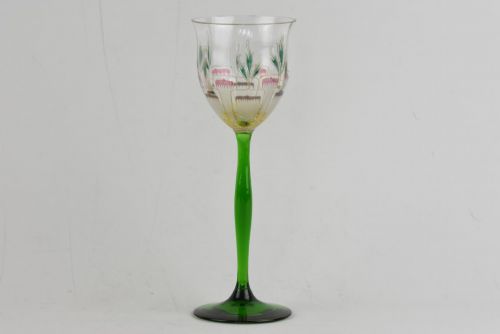
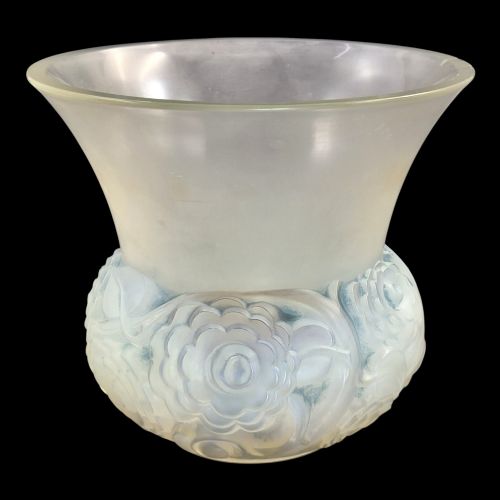
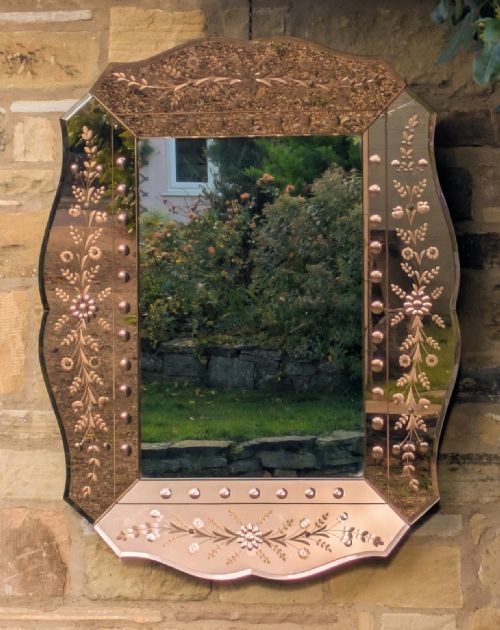
When searching for antique floral art glass, buyers encounter vessels and decorative objects shaped by the aesthetic movements of the late nineteenth and early twentieth centuries. These pieces display botanical motifs inspired by nature, translating flowers and stems into tactile glass forms.
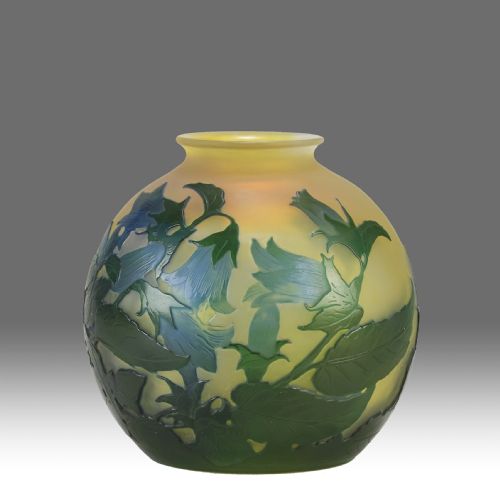
The items most frequently met on this page date from the Edwardian era and the early decades of the nineteen-hundreds, particularly reflecting Art Nouveau and Art Deco design principles. Vases, scent bottles, and bowls dominate the selection, often bearing specific floral depictions such as poppies, cornflowers, and iris.
Makers from this period utilised specialised glass-working methods to create depth and texture, resulting in pieces that capture botanical subjects with distinct artistic flair. The survival of these fragile items demonstrates the enduring appeal of floral ornamentation executed in glass.
Materials and production techniques
The making of these pieces relies on advanced glass-working techniques such as cameo carving, acid-etching, and enamelling, which allow artisans to build complex layered designs. Cameo glass involves fusing multiple layers of coloured glass and carving away the outer strata to reveal floral patterns in relief.
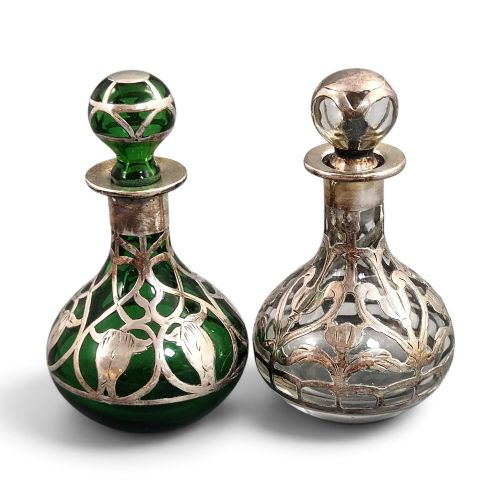
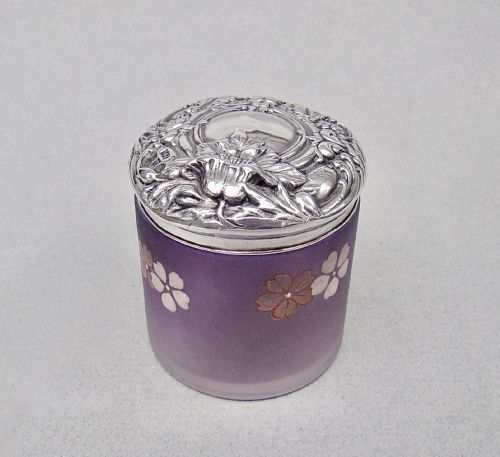
Enamelling and gilding add surface colour and metallic highlights to frosted or clear glass bodies, bringing botanical illustrations into three dimensions. Artisans also employed silver overlays and bronze mounts to frame and support the delicate glass structures.
Listings feature glass, cameo glass, frosted glass, enamel, brass, wood, gold leaf, and acid-etched glass across Victorian, Edwardian, and mid-twentieth-century periods.
Assessing quality in decorative glass
Quality rests upon the depth of the carving, the precision of the enamel work, and the harmony between the glass body and its decorative plant motif. Superior examples display crisp, undercut cameo relief and subtle colour gradients that mimic natural botanical specimens.
The integration of metal mounts, such as sterling silver overlays or gilt bronze frames, also distinguishes finer pieces. Master workshops maintained strict standards in chemical formulation and annealing, producing glass with exceptional clarity and resonant tone.
Emile Gallé·Daum Frères·Johann Loetz·Argy Rousseau·Schneider
The Antique Floral Art Glass Glossary
- Cameo Glass
- A vessel formed of multiple layers of differently coloured glass fused together and carved to create a raised design. This technique requires considerable skill to maintain even thickness across the layers.
- Acid-Etched Glass
- Glass treated with hydrofluoric acid to eat away the surface, producing frosted textures or low-relief patterns. It became widely used in the late nineteenth century for efficient surface decoration.
- Enamelled Glass
- Glass decorated with powdered glass pigments suspended in an oily medium and fired in a kiln to fuse permanently. This method introduces vibrant polychrome floral details to the vessel exterior.
- Silver Overlay
- Sterling silver applied directly to the exterior of a glass object in intricate patterns, often secured by chemical bonding or mechanical grip. It serves to reinforce the glass while adding decorative contrast.
Antique Floral Art Glass: Frequently Asked Questions
What is cameo glass?
Cameo glass is formed by fusing layers of contrasting glass colours together before carving away the surface to leave a raised design. In floral pieces, this technique allows petals and stems to stand out in sharp relief against a background of a different hue.
Artisans used small wheel-cutters and acid baths to achieve these detailed botanical layers. The method demands immense precision to avoid cutting through the thin outer stratum.
How do I date art glass?
Dating art glass involves examining the signature, the manufacturing technique, and the stylistic markers associated with specific periods like Art Nouveau or Art Deco. Etched signatures and cameo signatures often correspond to specific working decades of the makers.
Structural elements such as metal mounts and silver overlays also provide clues, as hallmark stamps on precious metals record exact assay years. Comparing the floral style to contemporary painting and design helps narrow the production window.
Where were these pieces made?
The pieces originate primarily from European workshops and studios active during the late nineteenth and early twentieth centuries. France and Austria were major centres for innovative glass production, housing prominent ateliers that experimented with new chemical formulations.
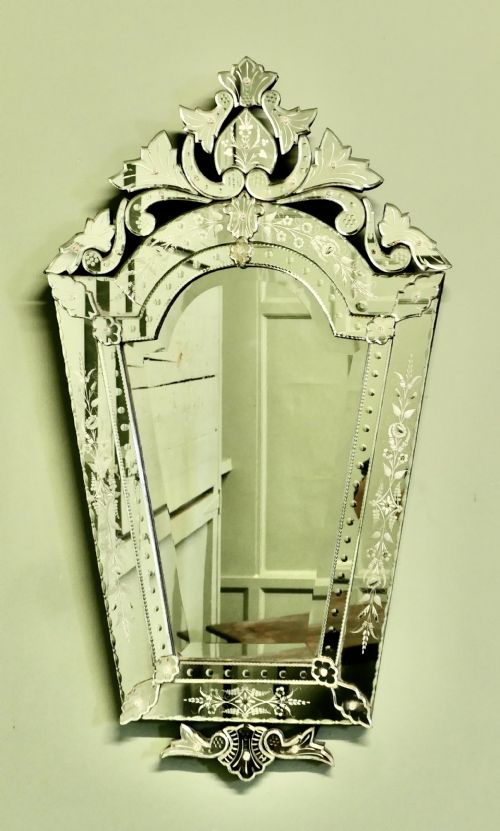
Venetian and German makers also contributed significantly to the variety of glassware seen in this category. Each region developed distinct approaches to colour mixing, surface finishing, and floral ornamentation.
How should I display art glass?
Art glass benefits from placement near natural light sources that illuminate the colours and translucency of the material. Display cabinets with glass shelves allow light to pass through transparent and frosted vessels from multiple angles.
Positioning pieces away from direct, harsh sunlight prevents potential fading of enamel pigments and protects fragile rims from accidental knocks. Stable surfaces safeguard items that feature heavy metal mounts or uneven bases.