


Antique Floor Candlesticks
Antique floor candlesticks are tall vertical stands designed to hold large candles, bringing architectural height and warm illumination to grand interiors.
Antique Floor Candlesticks
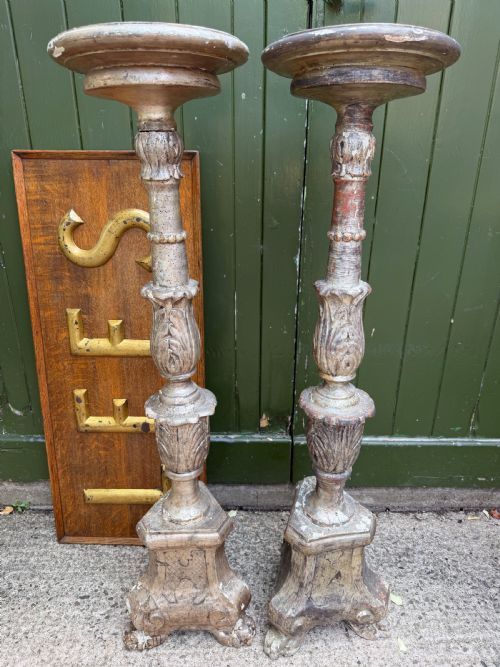
When you search for antique floor candlesticks, you encounter tall, freestanding supports intended to elevate light well above ground level. These pieces include torcheres, standard lamps, and floor candelabra originating from various European workshops.
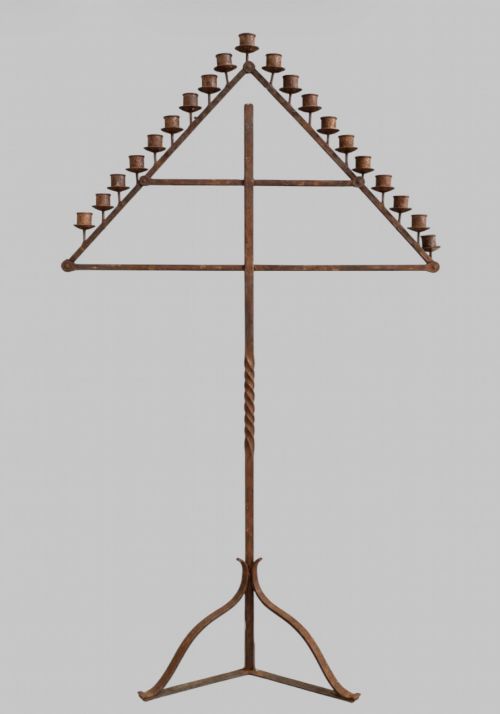
Formations vary from slender Corinthian columns to heavy wrought iron tripods and elaborately turned wooden standards. Many display stylistic influences such as Italian Baroque or French chateau designs.
How they were made
Wood serves as a primary structural material, worked through hand-carving and turning before receiving finishes of giltwood, silvered mecca, paint, or gesso. Artisans built these tall stands to bear significant weight while maintaining stability.
Metal versions utilise brass, bronze, and wrought iron, often cast or forged into architectural columns and multi-candle branches. Combinations of metal and marbleized or painted surfaces appear across nineteenth-century examples.
Masonic candlesticks within the selection hint at secretive rituals conducted entirely by the steady glow of tall brass columns.
What varies in quality
The distinction between ordinary and exceptional examples rests in the depth and crispness of the hand-carving or the precision of the metal casting. Original surface treatments, such as genuine period gilding or authentic polychrome paint, elevate the standing of a piece.
Proportion and scale dictate the visual impact, with taller, well-balanced matched pairs commanding greater presence than single stands or assembled groups. The integrity of the original structure determines how successfully the piece withstands height and weight.
The Antique Floor Candlesticks Glossary
- Torchere
- A tall decorative stand or candlestick designed to support a light source. They frequently take the form of slender columns or pedestals.
- Pricket
- A sharp metal spike atop a candlestick designed to secure a large wax candle. This form is common on ecclesiastical and altar pieces.
- Giltwood
- Wood that has been coated with a thin layer of gold leaf or gilt composition. It is often found on decorative Italian and French stands.
- Mecca
- A warm translucent varnish applied over silver leaf to simulate the rich tone of gold. It creates a distinctive aged metallic finish.
- Standard lamp
- A tall floor-standing lighting support adapted from traditional candle standards. These share similar turned wooden or metal profiles.
Antique Floor Candlesticks: Frequently Asked Questions
How do I clean an antique wooden candlestick?
Dust gently with a dry, soft cloth to remove surface particles without disturbing delicate giltwood or painted finishes. Avoid water, harsh chemical cleaners, or modern polishes that can strip aged surfaces.
Preserving the original patina requires minimal intervention and careful handling of fragile carved details.
Are these stands stable enough for daily use?
Most floor candlesticks feature sturdy bases, often with tripod or weighted configurations designed to support tall candles securely. However, their significant height means they require careful placement away from busy walkways.
Heavier metal and carved wooden examples offer reliable stability when placed on even flooring.
How can I tell an eighteenth-century stand from a nineteenth-century copy?
Eighteenth-century examples typically display hand-carved joinery, heavier timber shrinkage, and layered gesso and gilding that show natural age-related wear. Tool marks and construction methods offer clear indicators of period manufacture.
Nineteenth-century revival pieces often employ more uniform turning and different base structures reflective of later workshop practices.