



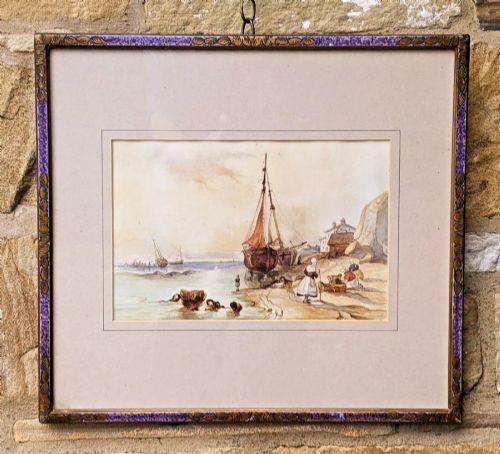
Antique Fish Painting
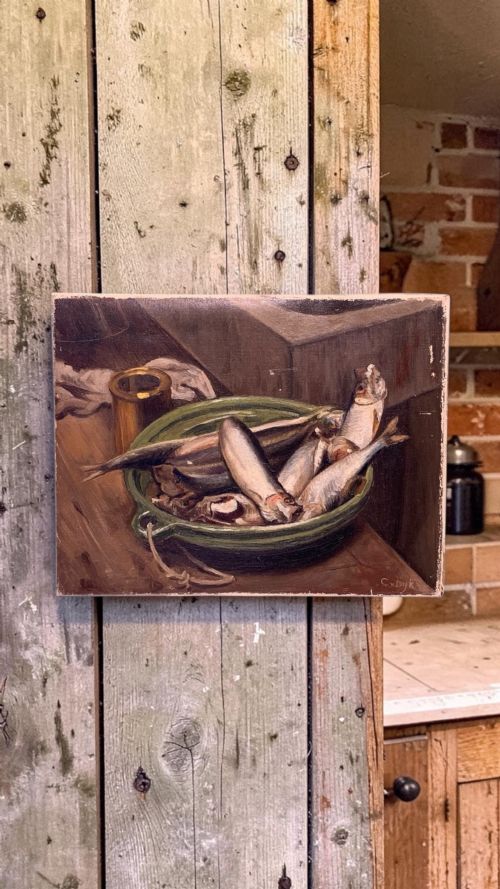
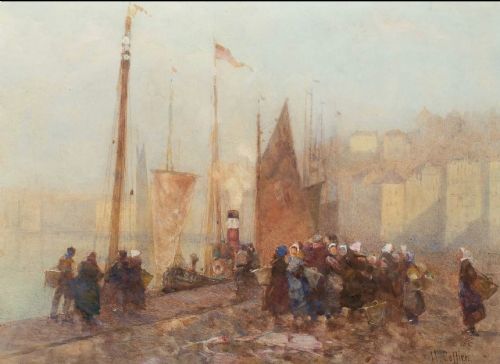
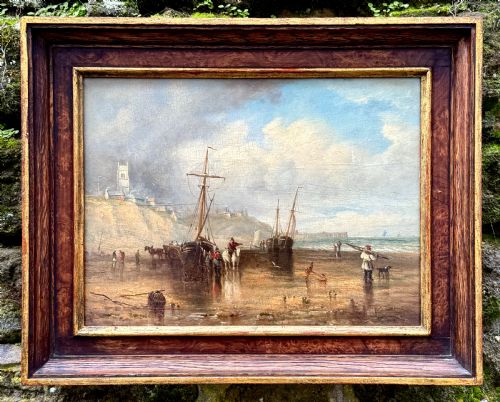
These antique fish painting works capture maritime life and marine subjects across Victorian and Edwardian periods.
Antique Fish Painting
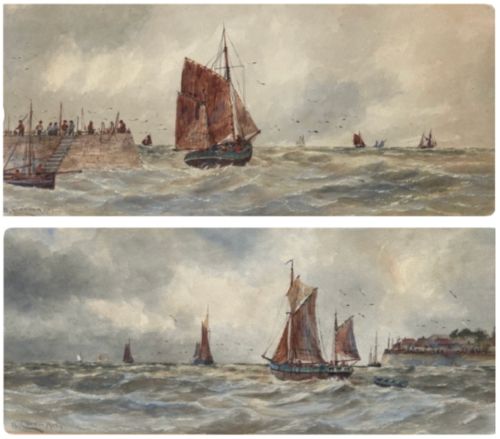
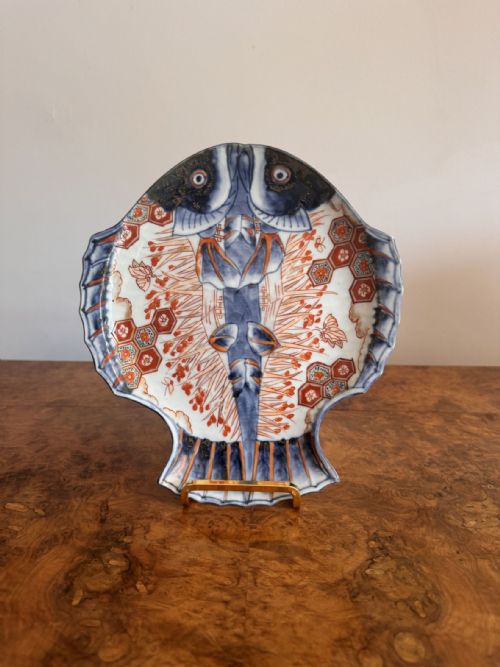
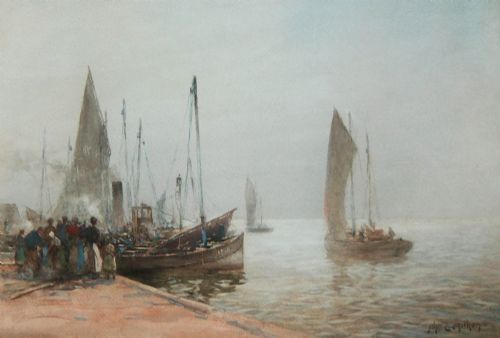
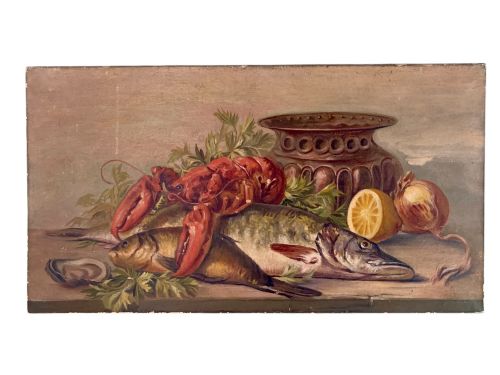
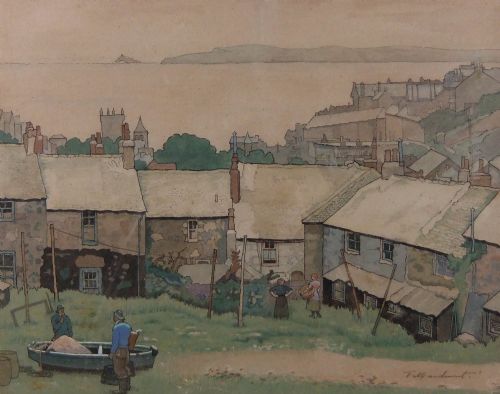
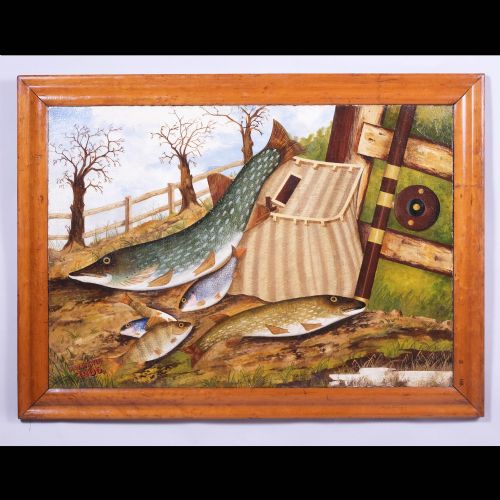
When exploring this category, buyers encounter a diverse range of artwork and decorative objects that centre on fishing scenes, coastal harbours, and marine life. The selection spans nineteenth-century British watercolours, early twentieth-century oil paintings on canvas, and porcelain plates featuring aquatic motifs.
The material record demonstrates that artists utilised paper, wood panels, oil paint, and watercolour pigments to record maritime communities and quiet riverbanks. These pieces reflect distinct regional British and French schools, capturing everything from bustling coastal docks to solitary figures fishing by rivers.
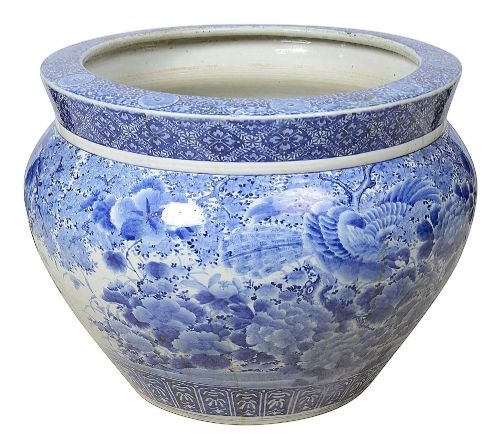
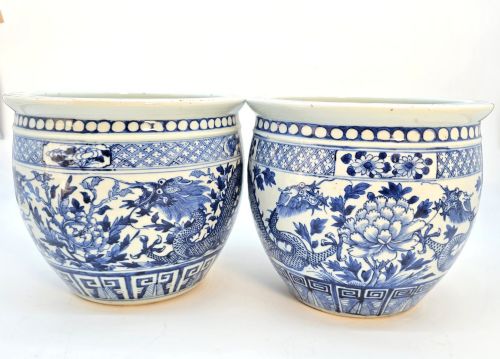
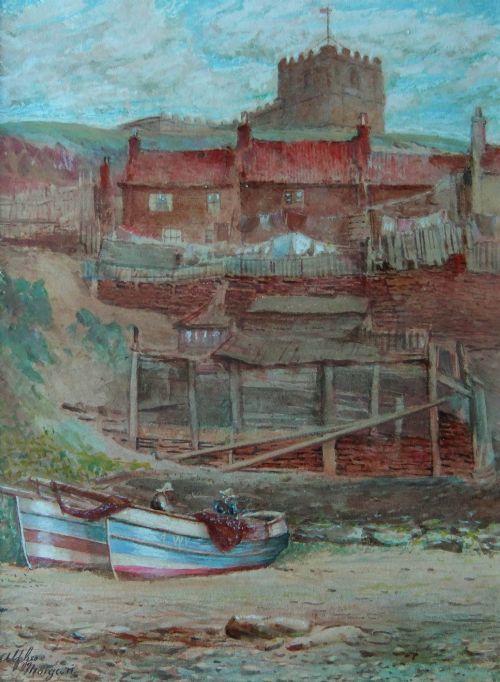
Buyers will frequently discover framed watercolours depicting coastal villages alongside robust oil paintings of fishing boats weathering stormy seas. The collection also includes ceramic jardinieres and decorative plates adorned with fish designs from various international kilns.
How They Were Made
The physical evidence reveals that painters relied primarily upon oil paint on canvas or board, alongside delicate watercolour pigment applied to paper supports. These techniques allowed artists to capture both the translucent quality of water and the heavy textures of wooden fishing vessels.
Ceramic pieces in the collection display traditional glazing and painting methods, utilising blue and white pigments on porcelain bodies as well as lustre finishes. Skilled artisans shaped clay into plates and jardinieres before firing and hand-painting aquatic subjects directly onto the surfaces.
Some Victorian artists clearly spent hours watching tiny boats bob about just so they could paint a very small fisherman smoking a pipe.
What Varies in Quality
The distinction between standard works and exceptional pieces rests upon the artist's handling of light, atmospheric depth, and compositional balance within the maritime scene. Master painters achieved a remarkable sense of movement in water and weather conditions that lesser hands failed to capture.
Material preservation and the clarity of artist signatures or inscriptions heavily influence the standing of each piece. Works that retain their original framing and undisturbed paint surfaces on canvas or paper command greater appreciation from collectors.
James Orrock·William Cannon·GEORGE GRAHAM·James E. Aitken·HECTOR CAFFIERI·Thomas Creswick·Thomas Maidment·Alfred G. Morgan·William Henry Williamson·Florence Adelina Hess·John Holland·George Stanfield Walters·HENRY BARLOW CARTER·Joseph Birbeck Senior·Edward Matthew Elliott·Charles Napier Hemy·William Lee Hankey·Sir David Murray·Gustave De Bréanski·Pieter Cornelis Dommersen·James Kyd·Robert Leslie Howey·TOM CLOUGH·George SHAW·Walter Slater
The Antique Fish Painting Glossary
- Watercolour
- A painting method where fine pigment is suspended in a water-based solution and applied to paper. This medium creates translucent washes that were widely utilised for coastal and marine sketches.
- Seascape
- A work of art depicting the sea, coastal views, or maritime activity. These compositions frequently feature fishing boats, harbours, and tidal shores.
- Jardiniere
- A large decorative ceramic pot or stand designed to hold plants or flowers. Examples in this category often feature hand-painted fish or marine motifs.
- Oil on Canvas
- A traditional painting technique utilising pigments bound in a drying oil medium spread over a stretched canvas support. This combination allowed artists to build rich, textured surfaces.
- Coble
- A traditional type of open fishing boat used historically on the northeast coast of England. These distinctive craft appear frequently in regional marine watercolours and oils.
Antique Fish Painting: Frequently Asked Questions
What subjects appear in these paintings?
The artworks predominantly depict coastal harbours, fishing boats at sea, and tranquil riverbanks with figures angling. Artists recorded both the industrious daily labour of fishermen and quiet pastoral waterways.
These scenes offer a direct window into nineteenth and early twentieth-century maritime life across British and European coastal communities.
How do I care for watercolour fish paintings?
Watercolour works on paper require careful framing behind protective glass to prevent atmospheric moisture damage. Keeping them away from direct sunlight preserves the original pigments.
Regular inspection of the backing board ensures the paper remains free from environmental pollutants and humidity.
Are these oil paintings on canvas or panel?
The collection includes both traditional oil on canvas supports and works executed directly on wooden panels or card. Each substrate was chosen by the artist to achieve specific textural effects for maritime scenes.
Canvas works often display visible weave textures beneath the paint layers, whilst panel paintings provide a rigid, smooth ground.
Where were these maritime scenes painted?
The locations span various British coastal spots such as Whitby, St Ives, Scarborough, and Brighton Beach, alongside continental European ports. Artists travelled directly to working fishing docks to capture authentic local vessels.
Inscribed titles on the artworks frequently identify specific bays, rivers, and coastal landmarks.