


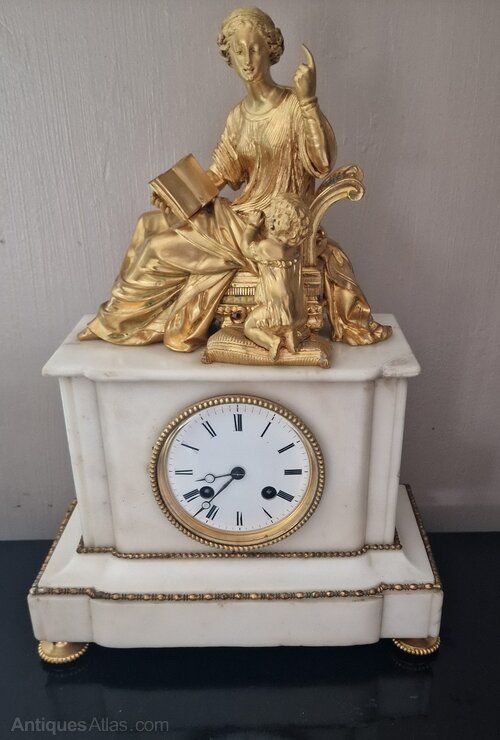


Antique Figure Clock
When collectors seek an antique figure clock, they encounter sculpted bronzes, marble cases and mythical subjects paired with precision timekeeping.
Antique Figure Clock
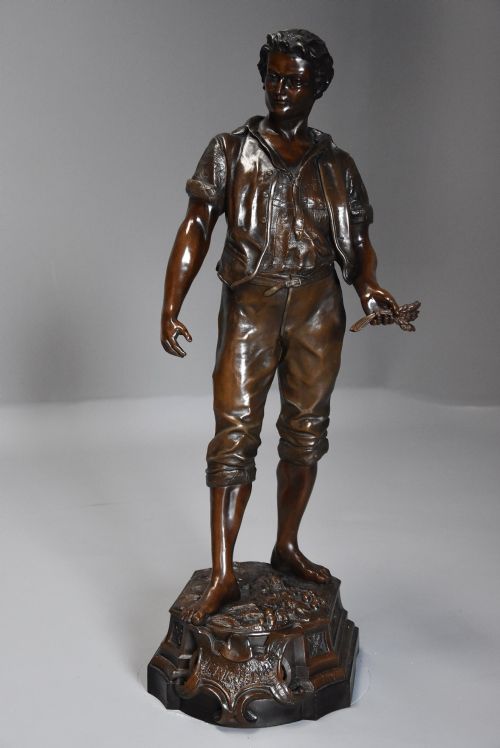
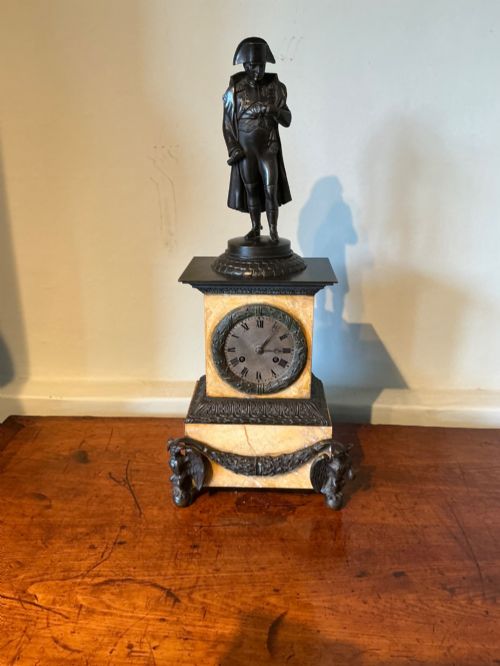
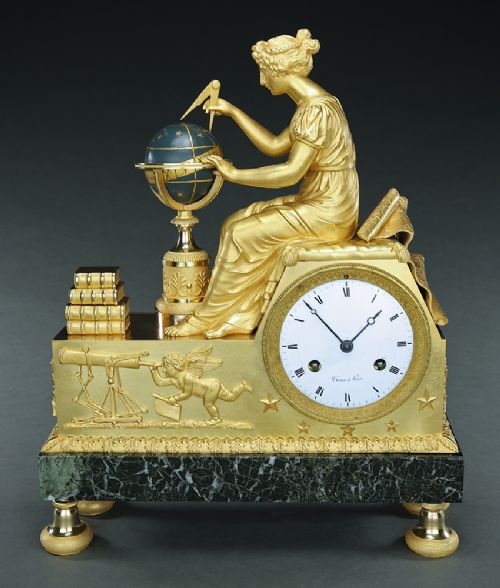
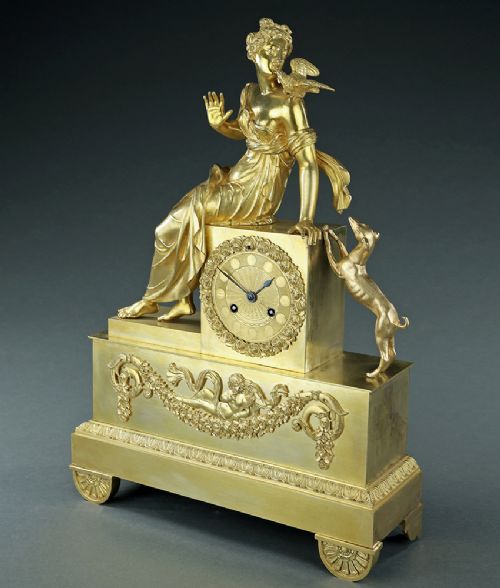
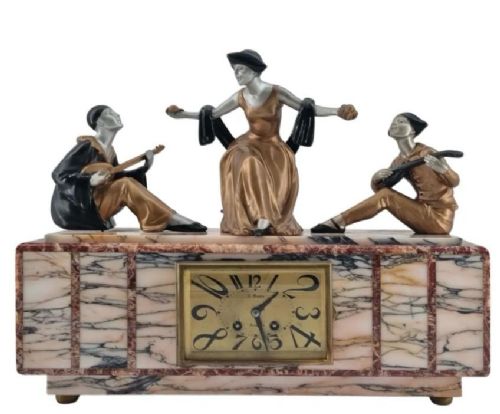
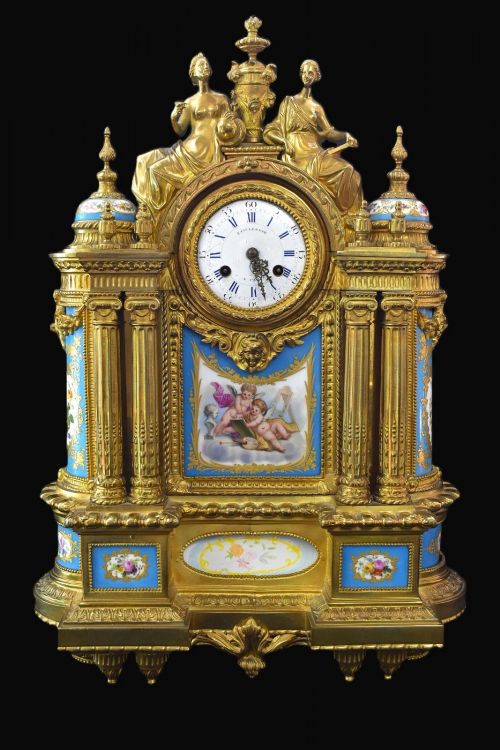
An antique figure clock combines timekeeping with sculptural bronze, spelter, porcelain or marble figures depicting historical personages, mythological characters or allegorical scenes. These timepieces take the form of mantel clocks, garniture sets and bracket clocks produced across the nineteenth and early twentieth centuries.
Continental workshops dominate the selections here, particularly French makers creating neoclassical, empire and rococo designs. English Victorian examples and Staffordshire pottery groups also appear, bridging decorative sculpture and functional horology.
How they were made
Foundry casting utilised bronze, brass and spelter to shape human and animal figures, which were subsequently gilded with ormolu or given dark patinations. Marble and figured woods provided heavy, stable plinths and cases to house the brass clock movements.
Enamel dials with painted numerals sat behind glass bezels, while porcelain plaques from factories like Sèvres added colour and ornamentation to the metal cases.
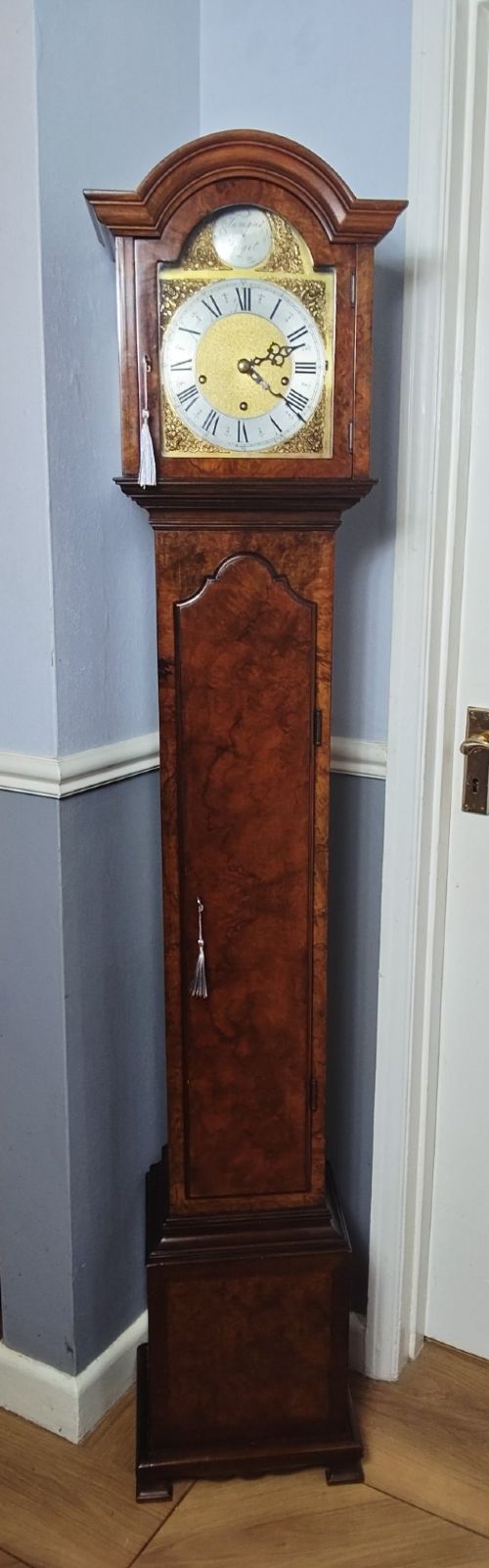
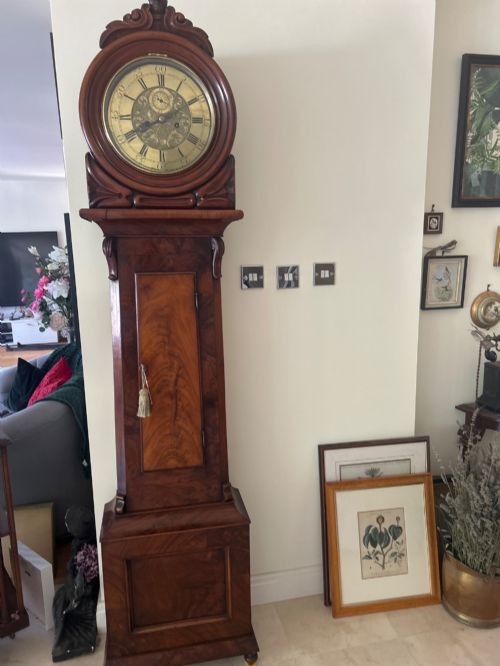
Napoleon, Pierrot, Columbine and farm labourers share mantel space with chiming grandfather clocks and taxidermy domes.
What varies in quality
The precision of the cast sculpture dictates much of the visual merit, with hand-chased bronze details and fire-gilt ormolu standing apart from simpler spelter castings. Original matching garniture sets and signed movements by known Parisian makers elevate the standing of a piece.
Case materials range from basic timber to heavily figured walnut and deep veined marble, paired with movements that measure time through pendulum control or fusee mechanisms.
F.Milliot·Etienne Lenoir·Berger Paris·Charpentier Paris·Lemerle Charpentier·Ferdinand Priess
The Antique Figure Clock Glossary
- Ormolu
- Gilded bronze produced by applying a mercury and gold amalgam to a bronze casting and heating it. This technique creates a durable, golden surface common on French decorative items.
- Spelter
- An alloy of zinc and lead used as a cheaper alternative to bronze. It takes paint and patination well but lacks the weight and crisp detail of true bronze.
- Garniture set
- A clock accompanied by matching decorative objects, such as urns or candelabra, designed to sit together on a mantelpiece.
- Fusee
- A conical pulley used in clock and watch movements to maintain equal force on the gear train as the mainspring unwinds. It represents a mark of higher mechanical quality.
Antique Figure Clock: Frequently Asked Questions
What is an antique figure clock?
These objects combine a functional timekeeping movement with a sculptural human or allegorical figure mounted on the case or dial.
They serve as both working clocks and decorative mantel sculptures originating mostly in the nineteenth century.
How do I care for my clock?
Keep the clock away from direct sunlight and damp environments to protect the marble, wood veneer and delicate enamel dials.
Professional servicing every few years ensures the brass movement remains clean and functions accurately.
Are garniture sets complete?
Garniture sets include the central clock alongside matching side pieces such as vases, urns or candelabra.
Displaying them together maintains the symmetry intended by the original maker.
What materials were used?
Cases incorporate bronze, spelter, marble, ormolu and figured woods like mahogany and walnut.
Faces often feature white enamel with painted numeric markings protected by glass.