

Antique Figurative Painting
When you search for antique figurative painting, you encounter centuries of human representation captured in oil, pastel and watercolour.
Antique Figurative Painting
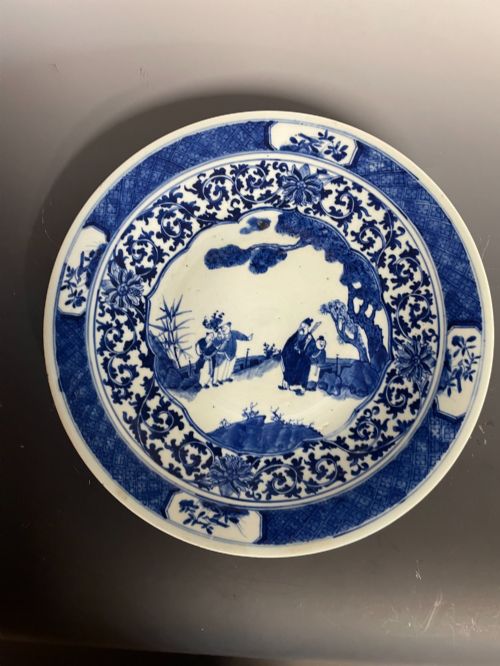
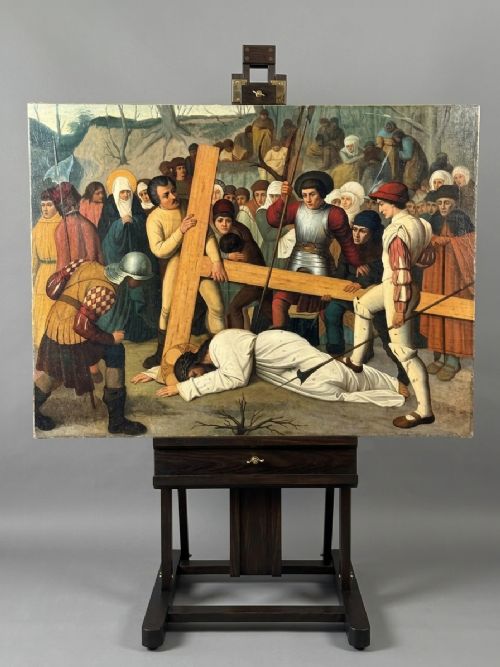
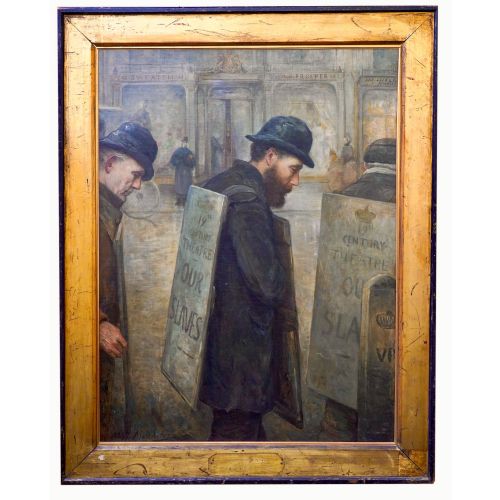
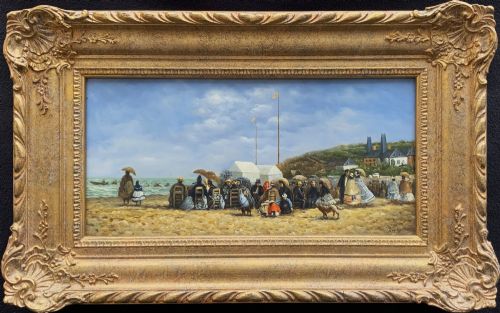
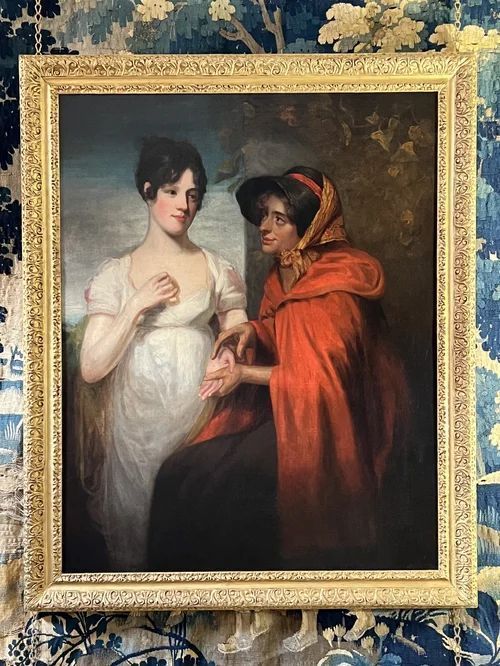
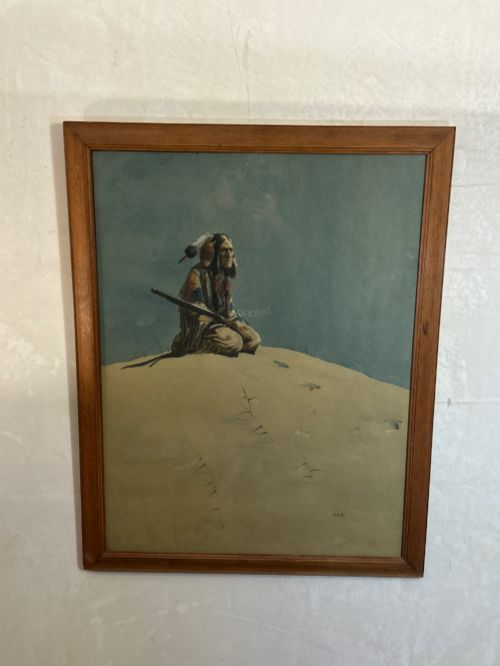
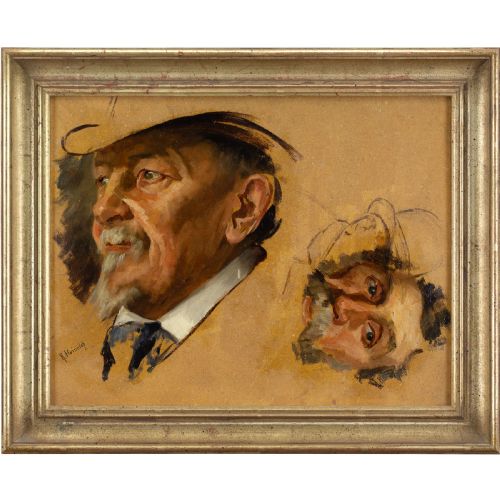
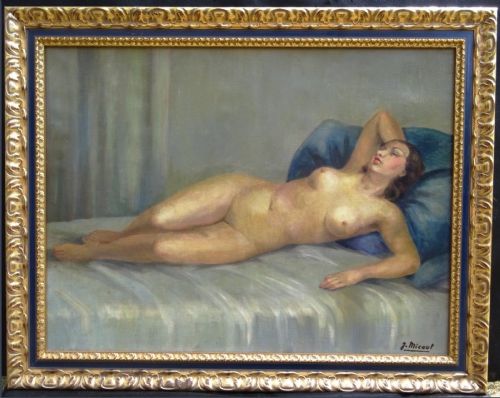
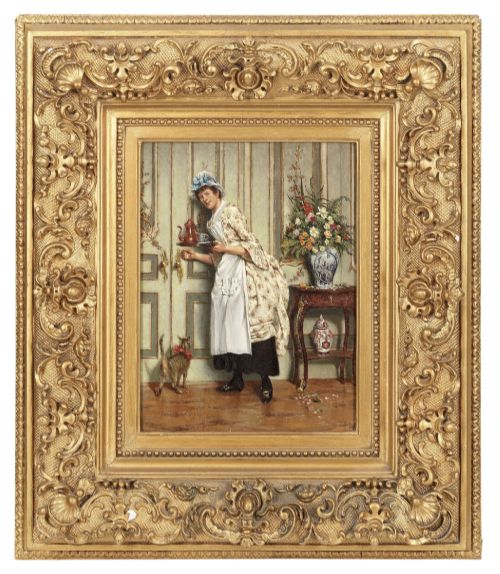
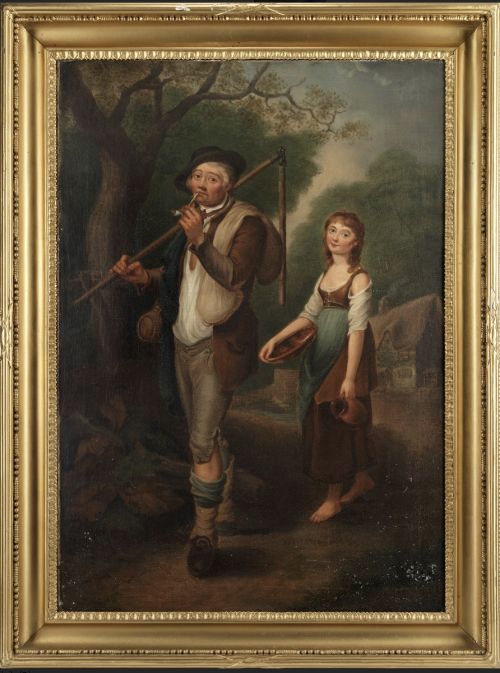
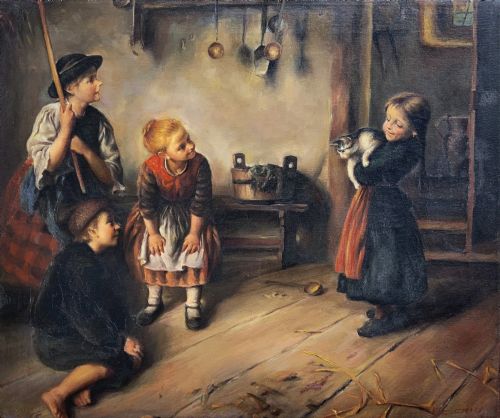
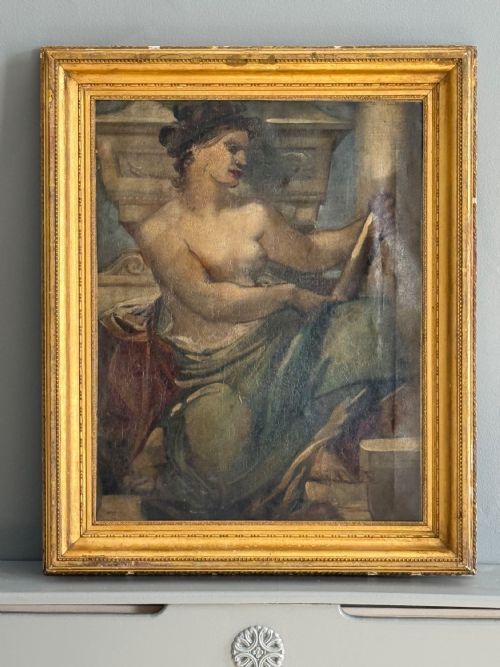
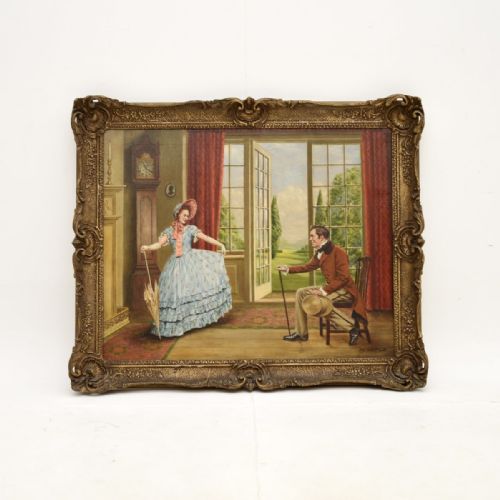
An antique figurative painting depicts human subjects, ranging from solitary portraits of gentlemen and servants to lively genre scenes of card players, tea times and seaside gatherings. These works capture the likeness, character and social context of individuals from past centuries.
The versions most frequently met on this page date from the nineteenth century and the early twentieth century, spanning Victorian, Edwardian and Post-Impressionist movements. They appear primarily as oil on canvas, framed in wood and gesso, alongside occasional works on paper.
Materials and construction
Painters applied oil paint, pastel and gouache onto stretched canvas, wood panels and paper supports, building up rich colour and texture. Many canvases remain housed in their original giltwood frames, which often incorporate ornate gesso moulding.
Artists relied on traditional hand-mixed pigments and linseed oils applied with bristle brushes, creating depth through layered glazes and visible impasto. Supporting frames were constructed from seasoned timber and finished with carved or moulded gilt decoration.
Antique Figurative Painting Retail Price Guide 2026
Typical asking prices for figurative painting among the pieces listed under this phrase on Sellingantiques today, from the lower quarter to the upper quarter. They describe what is for sale here now, not the wider market.
Keep an eye out for canine companions tucked into forest clearings and domestic interiors, proving that dogs have photobombed fine art for centuries.
Distinctions in quality
Quality rests upon the artist's ability to render anatomy, expression and light convincingly, distinguishing masterly handwork from mechanical or formulaic studio copies. A strong composition demonstrates confident brushwork and precise draughtsmanship in the hands and faces of the subjects.
The integrity of the original canvas, the stability of the paint layer and the preservation of the matching giltwood frame contribute significantly to the standing of a piece. Works by listed artists with documented exhibition histories carry greater art-historical weight than anonymous school pieces.
Felix Stone Moscheles·John Opie·John Hassall·Robert Heinrich·Constantyn Netscher·Stephen Samuel Lewin·Thomas Barker of Bath·Alfred Lyndon Grace·Howard Helmick·Adelaïde Salles-Wagner·Joseph H Barnes·Francisco Sancha·Herbert Ashwin Budd·Louis Charles Verwee·Charles Stuart Forbes·James Hamilton·Henry Windsor Fry·William Oliver·William Jones of Bath·J A Grant·Charles James McCall·Umberto Volpato·Valdemar Magaard·Renato Moretti·Jacob Akkersdijk
The Antique Figurative Painting Glossary
- Genre painting
- A style that depicts scenes from everyday life, such as domestic interiors, market stalls or leisure activities. These works provide visual records of social history and common occupations.
- Impasto
- Paint applied thickly to a canvas, standing out in relief from the surface. This technique adds tactile dimension and captures light dynamically.
- Giltwood
- Timber carved and coated with a thin layer of gold leaf or metallic powder. It is commonly found on traditional picture frames.
- Gesso
- A white paint mixture consisting of a binder mixed with chalk, plaster or pigment. It was used to prepare wood and canvas surfaces or to mould decorative details on frames.
- Academic realism
- A style of painting produced under the influence of European academies of art, emphasising precise drawing, smooth finishes and classical subjects.
Antique Figurative Painting: Frequently Asked Questions
What is a figurative painting?
A figurative painting is an artwork that derives its inspiration from the real world, specifically focusing on the human figure. These pieces portray identifiable people, crowds or narrative characters engaged in daily activities.
Unlike abstract art, figurative works tell visual stories and preserve human likenesses across generations. They serve as historical windows into past fashions, domestic settings and social interactions.
How do I identify the period of a painting?
Dating a painting involves examining the subject's clothing, hairstyle and accessories alongside the artistic style and framing materials. Signatures, dates and inscriptions on the reverse of the canvas or frame offer direct clues.
Material analysis of the canvas weave, stretcher bars and pigments further helps specialists narrow down the decade of creation. Comparing the technique to known works by documented artists or schools confirms the era.
How should I care for an oil painting?
Oil paintings require stable indoor environments away from direct sunlight, extreme temperature fluctuations and high humidity. Displaying them on interior walls protects the canvas and paint layers from environmental stress.
Dusting should be done gently with a dry, soft, non-abrasive brush without applying pressure to the surface. Professional conservators should handle any cleaning or structural repairs to prevent damage to the original pigment.
What is a genre painting?
A genre painting depicts aspects of everyday life by portraying ordinary people occupied in common scenes. Common subjects include market sellers, children playing, domestic chores and indoor gatherings.
These artworks gained significant popularity in the nineteenth century as artists moved away from purely mythological or historical subjects. They offer contemporary viewers an intimate look at the daily routines and social structures of past eras.