



Antique Figural Jar
These antique figural jars unite utility and sculpture, bringing character and storage to a room through modelled ceramics, wood and metal.
Antique Figural Jar
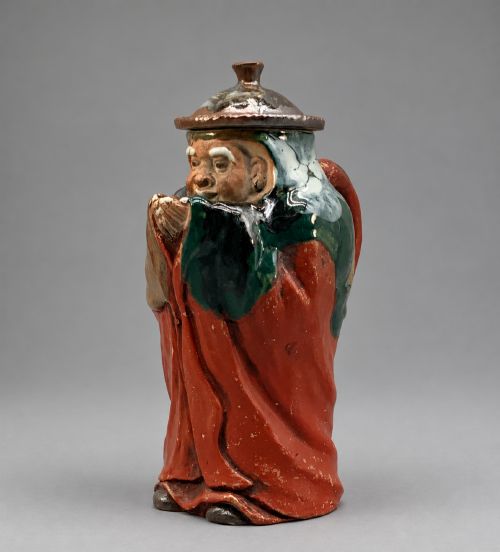
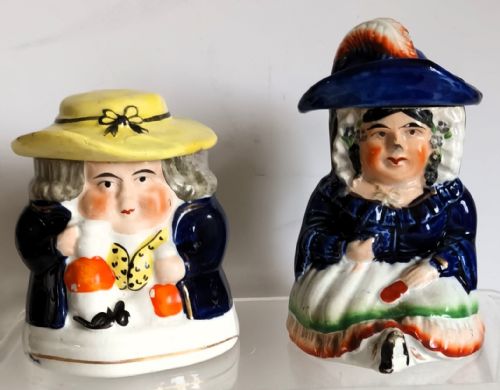
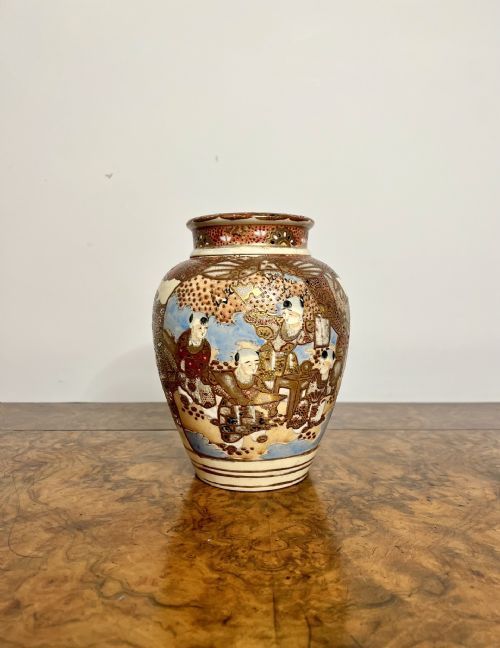
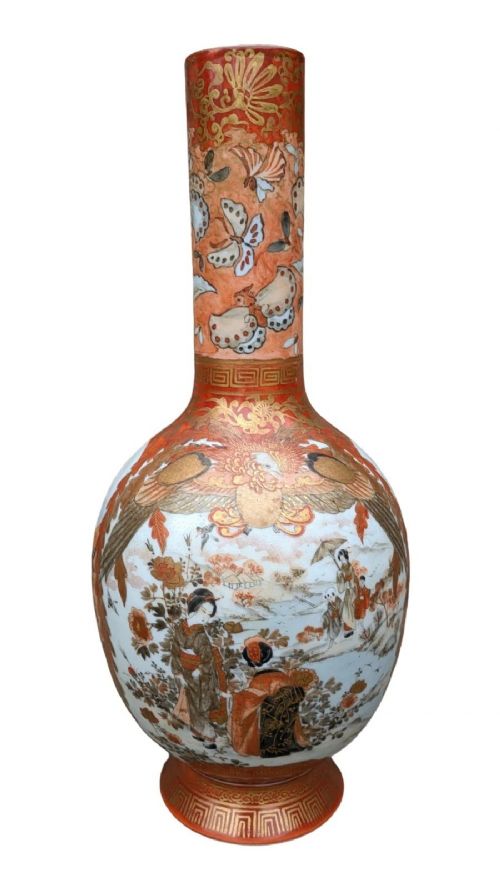
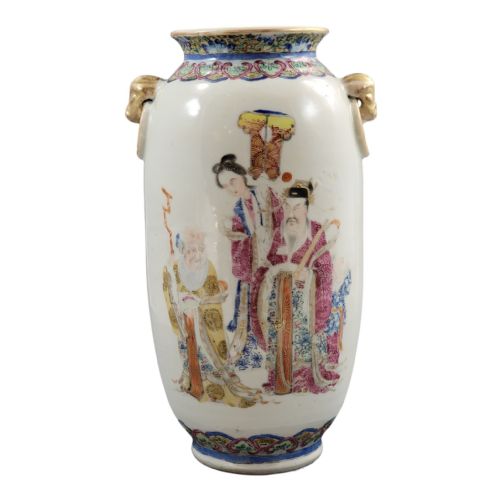
An antique figural jar combines functional storage, such as tobacco jars or powder boxes, with sculptural human, animal or symbolic forms. The selection here spans Victorian English earthenware and treen alongside continental porcelain and oriental ceramics.
You will regularly encounter tobacco jars shaped as dogs or human figures alongside lidded ginger jars and powder bowls from the nineteenth and early twentieth centuries. These pieces served practical domestic purposes while displaying decorative modelling on desks, dressers and mantelpieces.
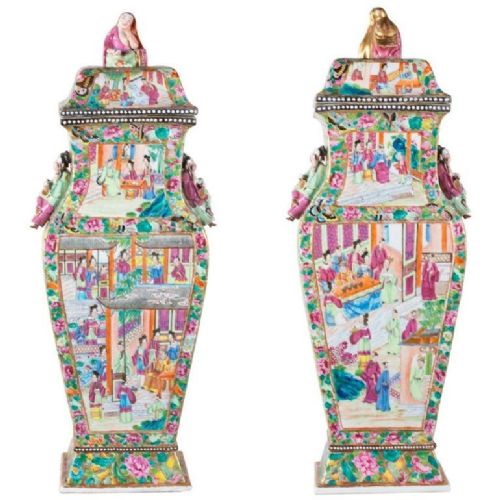
Originating from English, continental European and Asian workshops, these vessels range from modest domestic treen and pottery to elaborate Japanese Satsuma and Chinese famille rose wares. Each piece reflects the specific material traditions and aesthetic preferences of its period of origin.
Materials and construction
Pottery forms rely upon ceramic, porcelain, earthenware and stoneware bodies shaped by hand or in moulds, then finished with detailed glazes, enamel colours and gold leaf highlights. Continental and Asian pieces frequently employ intricate hand-painted palettes alongside blue and white underglaze designs.
Woodwork examples utilise carved fruitwood, demonstrating traditional treen techniques where the natural grain forms the texture of the animal or subject. Metal elements such as brass appear alongside enamel and cloisonné work on oriental vessels to build complex surface patterns.
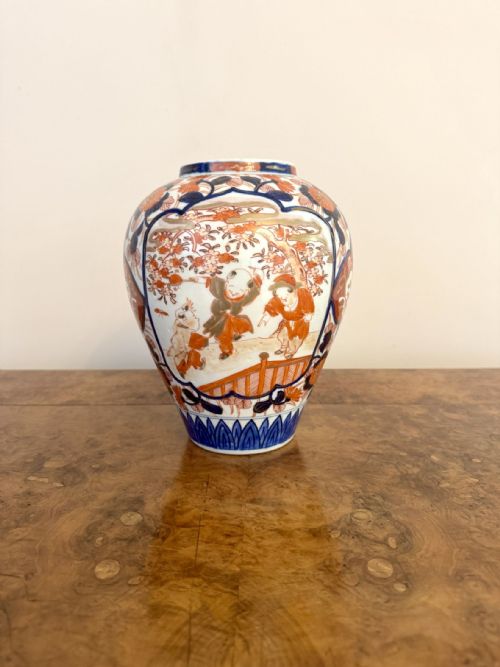
Firing techniques determine the durability and finish of the glaze, while subsequent enamel painting requires precise brushwork and secondary kiln firings. Gilt details are applied over glazes to catch the light on Satsuma and Imari surfaces.
Antique Figural Jar Retail Price Guide 2026
Typical asking prices for figural jar among the pieces listed under this phrase on Sellingantiques today, from the lower quarter to the upper quarter. They describe what is for sale here now, not the wider market.
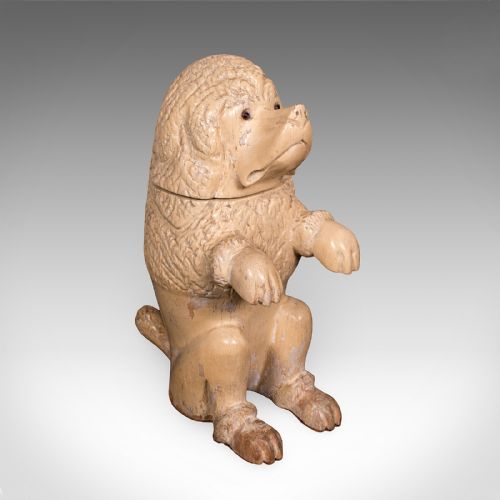
An inquisitive wooden poodle stands ready on a Victorian desk, guarding your tobacco beneath a removable wooden head.
Judgements of quality
The refinement of the modelling dictates the visual success of the piece, separating stiffly moulded copies from spirited, lifelike figures and animals. Finer examples display crisp detail in facial expressions, clothing folds and carved textures.
Surface decoration reveals the skill of the painter through steady, confident brushstrokes and harmonious enamel colour placement. Superior pieces maintain crisp alignment in transfer-printed or hand-painted patterns across the lid and body joints.
Albert Carrier·Limoges·Mason·Minton·Shizan
The Antique Figural Jar Glossary
- Treen
- Small handmade wooden objects for domestic use. This term covers carved wooden tobacco jars and animal figures.
- Majolica
- A type of earthenware coated with an opaque tin glaze and painted with bright metal oxide colours. This technique produces rich, glossy surfaces found on nineteenth-century continental and English figural pieces.
- Satsuma
- A style of Japanese earthenware featuring a crackled ivory glaze decorated with enamels and gilt. These wares frequently depict figures, historical scenes and botanical motifs.
- Famille rose
- A Chinese porcelain palette dominated by opaque pink enamel introduced during the Qing dynasty. The style allows for subtle tonal gradations in floral and figural painting.
- Cloisonne
- Enamelwork created by soldering thin metal wires to a metal base to form compartments filled with paste. Firing vitrifies the paste into colourful patterns across vases and vessels.
Antique Figural Jar: Frequently Asked Questions
What were figural jars used for?
These lidded vessels served primarily to store dry goods while adding a decorative sculptural element to domestic interiors. Common contents included tobacco, powder and incense.
Larger versions stood on sideboards and tables as display pieces, while smaller powder boxes sat upon dressing tables. Their dual purpose made them popular across various European and Asian households.
How do I date a porcelain jar?
Dating relies upon examining the ceramic body, glaze characteristics, base marks and painting styles associated with specific nineteenth and early twentieth-century periods. Stylistic cues such as Art Deco geometric forms or Victorian Chinoiserie motifs provide clear chronological markers.
Factory marks and character stamps on the underside offer additional verification. Comparing the hand-painting technique to documented examples from periods like the Meiji era helps narrow the timeframe.
Where were Satsuma jars made?
Satsuma ware originated in Satsuma Province on the southern Japanese island of Kyushu, later expanding production to urban centres like Kyoto and Tokyo. These decorative vessels were widely exported to Western markets during the Meiji period.
Artisans produced them specifically for international taste, combining traditional Japanese iconography with forms suited to European interiors. Signature panels often name the master painter or studio responsible for the decoration.
How should I clean my ceramic jar?
Dust ceramic and porcelain surfaces gently with a soft, dry brush to prevent accumulation in recessed carved areas or around lids. Avoid submerging antique pieces with exposed enamel or gilt work in water.
Harsh cleaning agents can damage delicate gold leaf and overglaze enamel paints. Professional conservation advice should be sought for any piece showing instability in the glaze or body.