




Antique Fereghan Rug
An antique fereghan rug brings the disciplined artistry of nineteenth-century Persian weaving into a room.
Antique Fereghan Rug
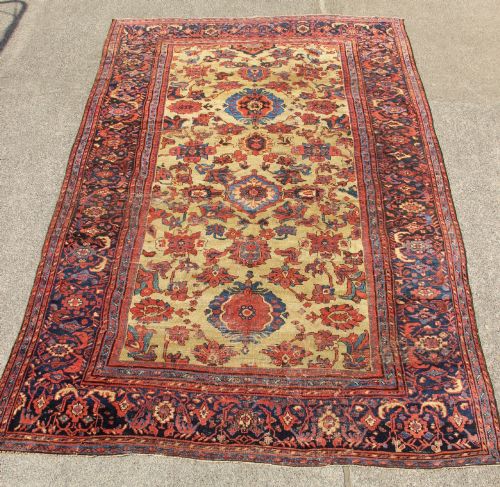
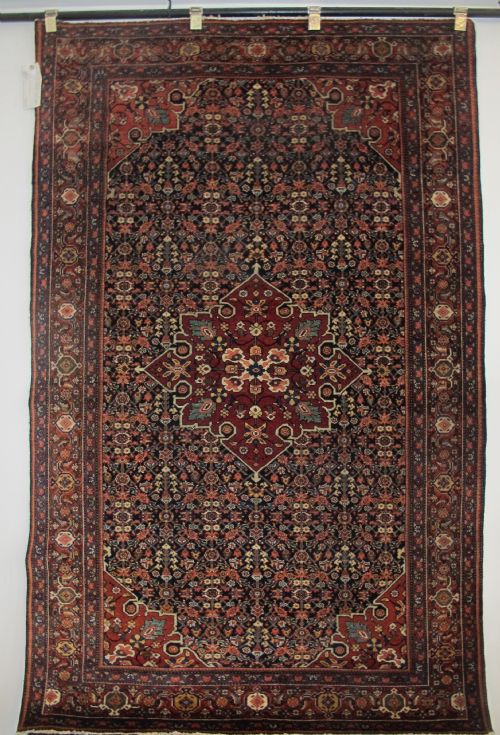
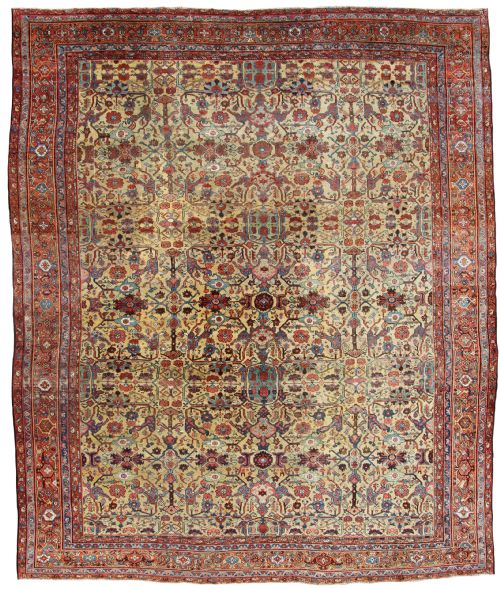
When you search for an antique fereghan rug, you encounter hand-knotted floor coverings originating from Western Persia during the nineteenth and early twentieth centuries. These pieces encompass various formats, from compact area pieces to expansive carpets and long hallway runners.
The selections span different decades of the nineteenth century, including examples from around 1850, 1870, 1880, 1890, and 1900, alongside early twentieth-century pieces. Certain examples display specific village attributions or distinctive pictorial elements such as pomegranates and birds.
Buyers frequently find traditional formats featuring patterned fields, though variations exist with plain fields or golden fields. The weaving traditions of this Persian region produce robust textiles suited to sustained domestic use.
Distinctions in Quality
Quality in these textiles rests upon the fineness of the knotting and the crispness of the design execution. Denser knotting allows for sharper delineation of motifs within the field and border systems.
The depth and consistency of the wool pile further differentiate examples, alongside the preservation of the original outer edges and fringe areas. Pieces retaining their full dimensions and balanced proportions command greater attention.
Current listings feature materials restricted to wool and cotton across pieces dated from the mid-nineteenth century to the early twentieth century.
The Antique Fereghan Rug Glossary
- Warp
- The stationary vertical threads stretched upon a loom that form the skeletal foundation of the textile. These cotton threads support the entire knotted structure.
- Weft
- The horizontal threads passed alternately over and under the warp threads to bind the rows of knots in place. They stabilise the width of the piece.
- Pile
- The upright cut ends of yarn that rise from the foundation to create the soft surface of the rug. This wool or silk layer receives the wear during daily use.
- Field
- The central background area of the rug enclosed by the surrounding borders. It often displays repeating motifs, medallions, or remains plain.
- Runner
- A long, narrow format designed specifically for corridors, hallways, and staircases. These pieces accommodate restricted spatial dimensions.
Antique Fereghan Rug: Frequently Asked Questions
How were antique fereghan carpets used?
These textiles served primarily as floor coverings in formal reception rooms, country houses, and substantial hallways. Their robust wool construction provided warmth and comfort underfoot.
Larger formats anchored the seating arrangements in main rooms, while narrow runners protected high-traffic circulation spaces within a property.
How do I live with a fereghan rug?
Placing a suitable underlay beneath the piece prevents unnecessary slipping and cushions the cotton foundation against hard flooring. This simple step reduces internal friction between the wool pile and the subfloor.
Positioning the textile away from prolonged, direct sunlight preserves the natural dyes used in the wool. Regular, gentle vacuuming without a rotating brush bar keeps the pile clear of dust.
What defines a plain field carpet?
A plain field version dispenses with the intricate all-over repeating patterns typically found in traditional Persian weaving. Instead, the central area remains largely unadorned, allowing the colour of the wool to dominate.
This minimalist expanse focuses attention on the detailed border systems that frame the perimeter of the piece.
How do I distinguish regional Persian types?
Distinctions rely upon observing specific design vocabulary, colour palettes, and structural characteristics unique to particular weaving centres like Fereghan. Certain pieces incorporate distinctive motifs such as specific floral arrangements, birds, or pomegranates.
Examining the tightness of the cotton weave and the handling of the wool pile provides further guidance on origin and period.