

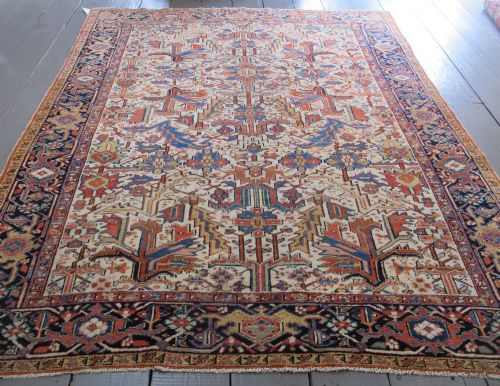
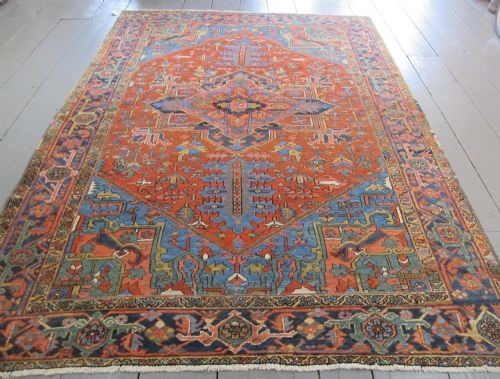
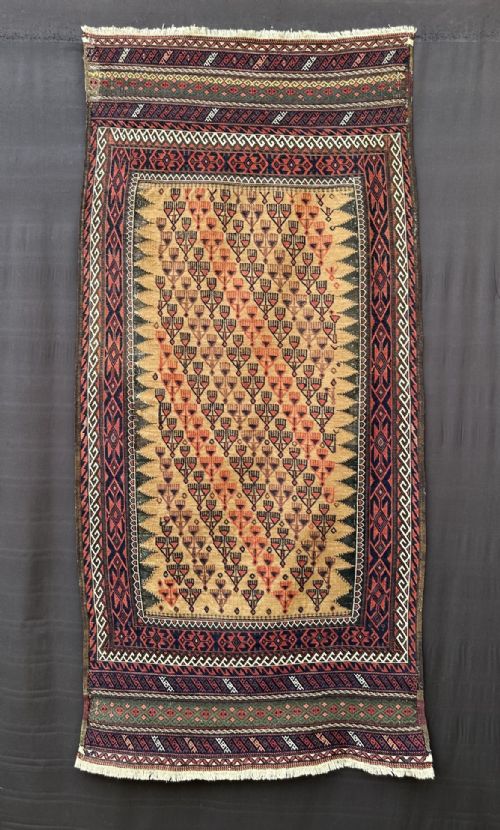
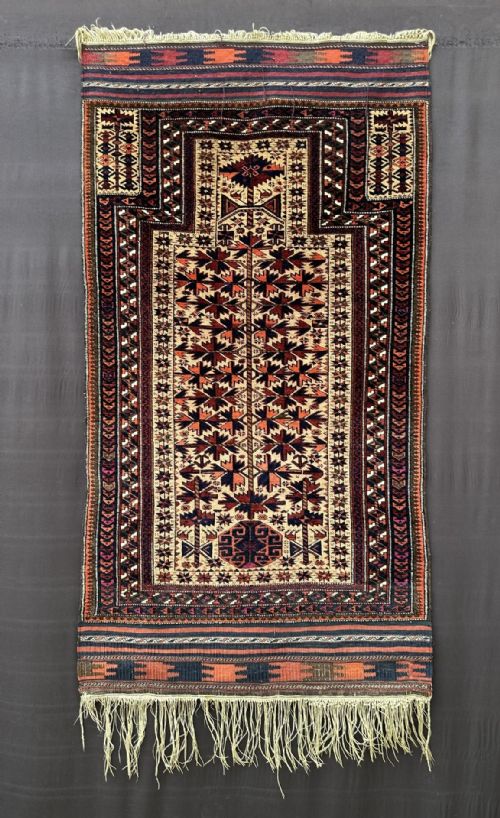
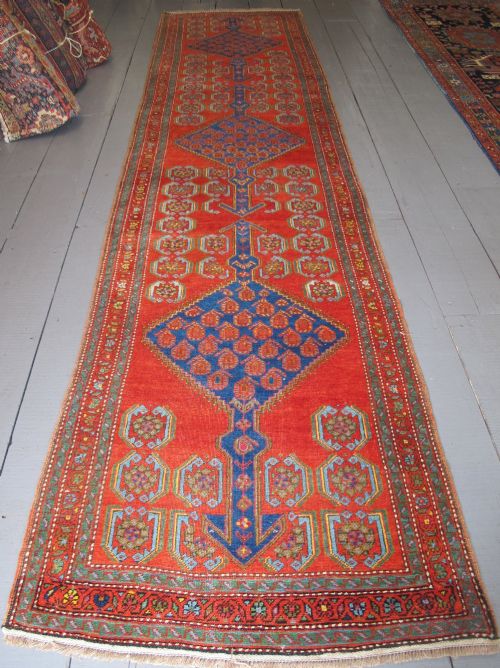


West Persia Wool Rug
When you explore a west persia wool rug, you encounter centuries of tribal and village weaving traditions passed down through generations.
West Persia Wool Rug
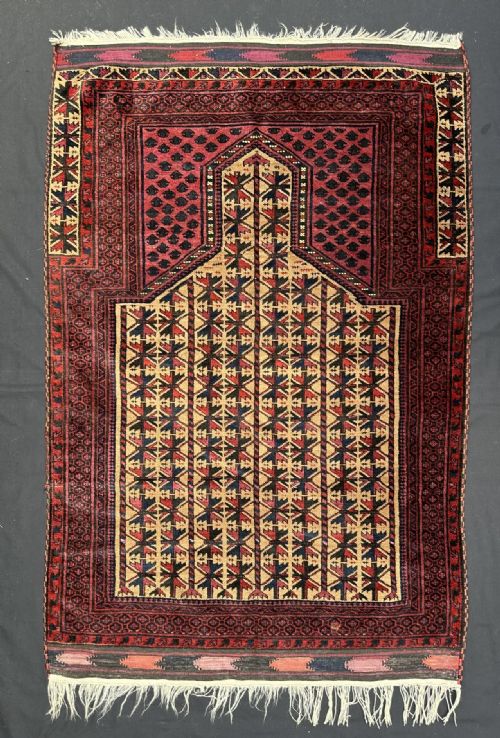
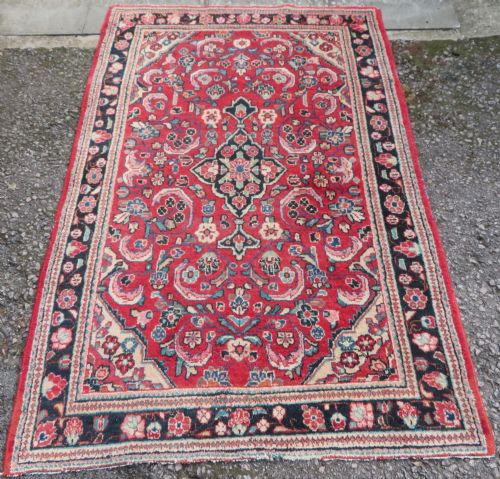
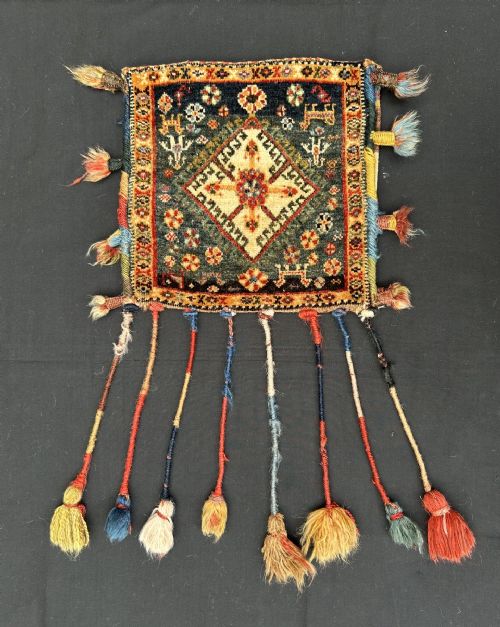
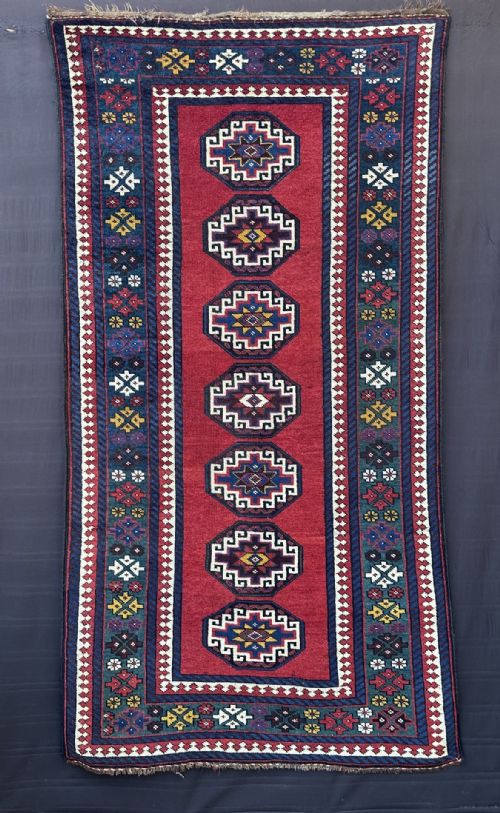
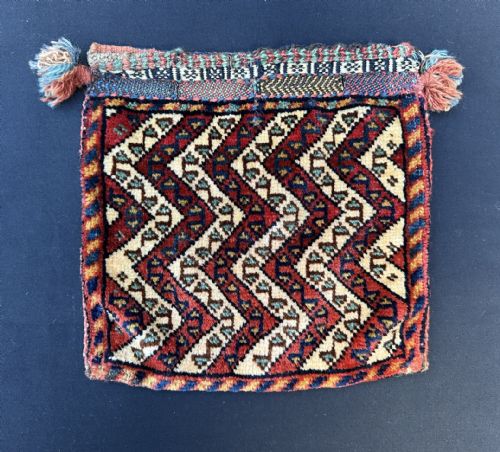
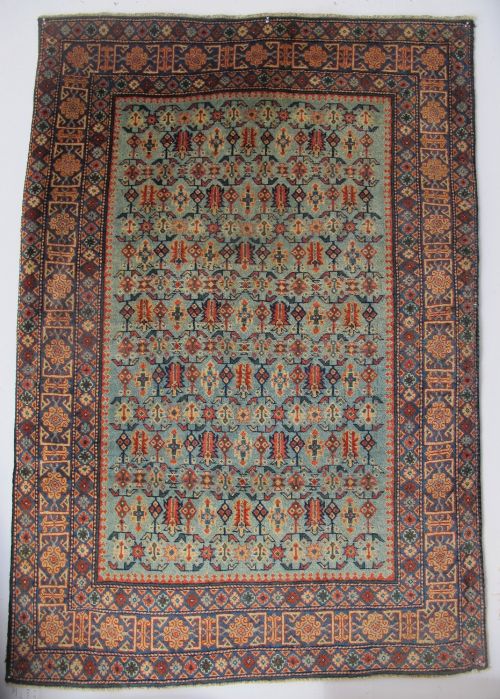
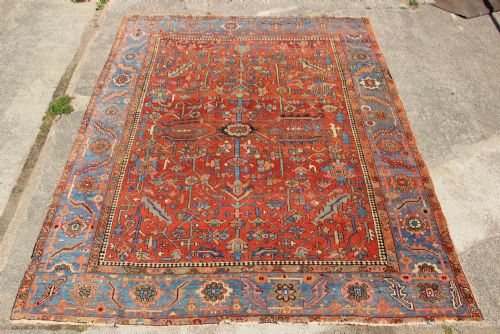
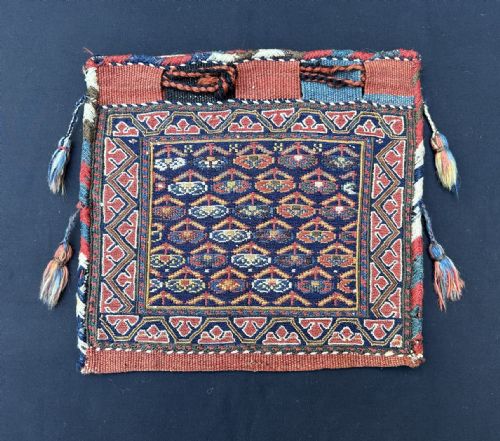
A west persia wool rug represents the practical and artistic output of diverse tribal confederacies, nomadic groups, and village communities across the region. These textiles range from large floor carpets to smaller utility items such as saddle-bags, salt-bags, and sofreh dining cloths.
The pieces available typically originate from the late nineteenth century through to the early decades of the twentieth century, reflecting traditional patterns tied to specific tribal origins like the Qashqa'i, Bakhtiari, and Kurdish groups. Buyers find everything from room-sized village carpets to finely knotted city workshop productions from regions such as Sarouk and Tabriz.
Materials and Construction
Weavers utilised locally sourced wool, often hand-spun, combined with cotton foundations for warp and weft threads to ensure structural stability. Leather, wood, and goat hair occasionally appear in nomadic utility items and bag assemblies.
Natural dyes provide the foundational palette for these textiles, yielding deep reds, blues, and earthy tones that age gracefully over time. The knotting and weaving techniques vary according to whether the piece was produced in a sedentary village workshop or a nomadic tent.
Judging Quality
The handle and density of the wool pile determine much of the tactile appeal, with softer, lustrous wool often indicating superior pastoral conditions and careful washing. Knot count and structural tightness dictate the longevity and crispness of the geometric or curvilinear motifs.
Dye consistency and the clever juxtaposition of contrasting hues separate standard utility pieces from exceptional tribal examples. The integrity of the original side cords and end finishes also contributes significantly to the overall standing of the textile.
Benlian Tabriz
The West Persia Wool Rug Glossary
- Sofreh
- A flatwoven or piled spread used for communal dining or food preparation. These cloths often display striking tribal iconography.
- Khorjin
- A traditional double saddle-bag utilised by nomadic peoples for transport. They were constructed to carry personal possessions across rugged terrain.
- Boteh
- A stylised floral motif resembling a almond or curved shrub. It appears frequently across Persian textile traditions.
- Herati
- A repeating geometric pattern composed of a central floral rosette enclosed by leaves and flanked by fish-like motifs. It forms the backbone of many classic village designs.
West Persia Wool Rug: Frequently Asked Questions
How were these rugs originally used?
Nomadic and village groups utilised these textiles for daily living, including floor coverings, tent dividers, and storage containers for salt, grain, or personal items.
Larger carpets served domestic functions in village homes, while specialised bags travelled across regions on animal backs.
How do I care for an old wool rug?
Gentle vacuuming without a rotating brush helps remove surface grit without damaging the fragile wool pile or foundation threads.
Professional specialist cleaning is recommended for deep maintenance to protect natural dyes and historical fibres.
What distinguishes village rugs from nomadic ones?
Village productions generally rely on fixed looms inside permanent settlements, resulting in more standardised dimensions and structured floral layouts.
Nomadic items originate from portable horizontal looms, yielding spontaneous tribal designs and utilitarian forms.
How can I tell the age of a piece?
Material analysis of the wool, structural wear patterns, and the chemical composition of natural dyes provide clear chronological indicators.
Stylistic markers and historical attribution to specific tribes further anchor pieces within late nineteenth or early twentieth-century windows.