





Persian Farahan Weaving
These Persian farahan weaving pieces are enduring textiles offering intricate traditional patterns and historic character for your floor.
Persian Farahan Weaving
When you search for persian farahan weaving, you encounter historic carpets, rugs, and runners originating from Persian traditions. The selection predominantly includes nineteenth-century pieces alongside works from the early twentieth century.
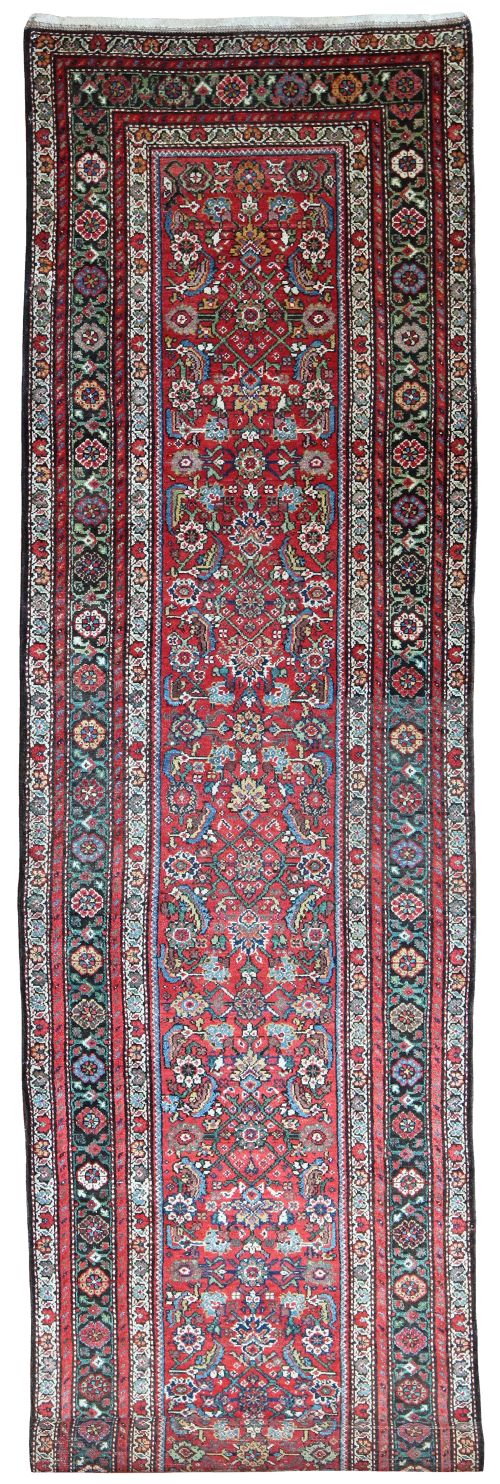
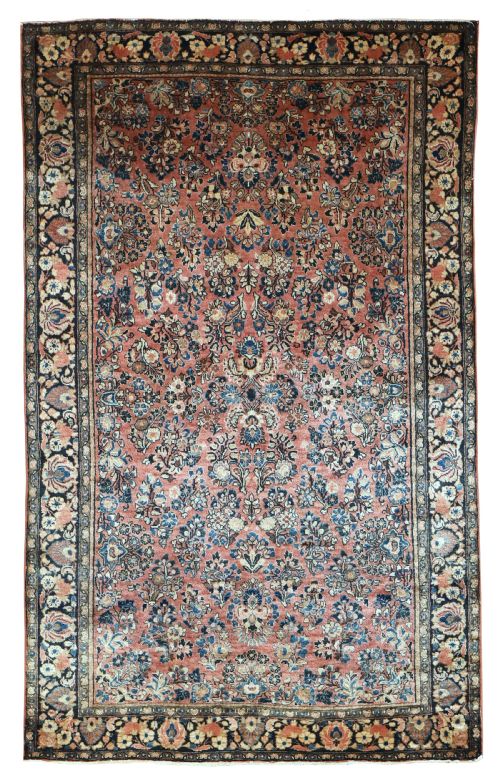
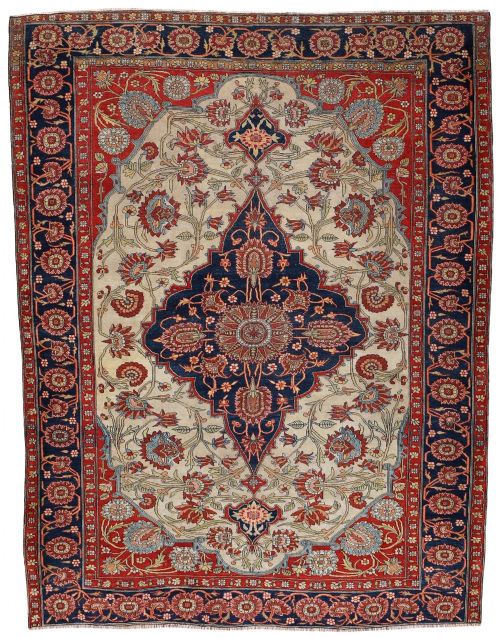
The inventory on this page showcases formats ranging from small roomsize square carpets and area rugs to elongated runners. These examples span regional styles including classic Farahan, Ferahan, and associated Sarouk designations.
Collectors and interior decorators seek these textiles to anchor traditional rooms with authentic period provenance. Each rug brings distinct historical weave characteristics shaped by its nineteenth or early twentieth-century origins.
How they were made
Makers constructed these rugs utilising wool for the soft pile and cotton for the foundational structure. This combination provided the necessary durability and structural stability for large carpets and runners.
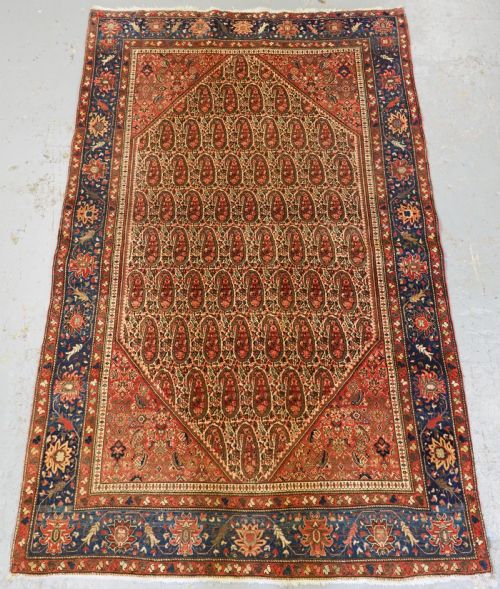
Weavers executed traditional Persian knotting techniques, sometimes achieving a very fine weave depending on the specific workshop and period. Artisans incorporated classical motifs such as the boteh design using soft colours.
Persian Farahan Weaving Retail Price Guide 2026
Typical asking prices for persian farahan weaving among the pieces listed under this phrase on Sellingantiques today, from the lower quarter to the upper quarter. They describe what is for sale here now, not the wider market.
Listings feature pieces dated across the nineteenth century, 1900, 1910, and 1920, utilising wool and cotton materials.
What varies in quality
The density and tightness of the knotting separate standard pieces from finer examples. A very fine weave demonstrates greater technical skill and allows for sharper definition in traditional patterns.
Preservation of the pile and the integrity of the cotton foundation determine the physical grade of each textile. Pieces retaining their original soft colour palette and structural soundness command higher regard among collectors.
The Persian Farahan Weaving Glossary
- Farahan
- A regional designation for rugs produced in the central region of Iran. These pieces are celebrated for their sophisticated drawing and fine materials.
- Ferahan
- An alternative spelling for Farahan weaving. It denotes the same provenance and traditional stylistic characteristics.
- Sarouk
- A neighbouring Persian weaving centre whose style often overlaps with Farahan production. Sarouk rugs are known for robust construction and balanced compositions.
Persian Farahan Weaving: Frequently Asked Questions
How do I clean an antique rug?
Professional specialist cleaning is essential for nineteenth-century textiles. Household water and harsh chemicals damage the wool pile and cotton foundations.
Gentle surface vacuuming without a beater bar removes everyday dust safely. Specialist conservators handle deeper restoration to preserve the historical integrity.
Can I place these rugs in hallways?
Runners fit narrow corridors and transitional spaces effectively. Their elongated format accommodates foot traffic while displaying traditional patterns.
Placing a quality underlay beneath the rug prevents slipping and reduces friction against the floor. This extra layer protects the cotton foundation from premature wear.
How do I date a carpet?
Stylistic indicators, knot density, and dye palettes help approximate the production era. Nineteenth-century examples often display vegetable dyes and distinct regional drawing.
Comparing structural details with documented pieces provides a reliable timeframe. Professional appraisal confirms specific origin decades when visual markers overlap.
Are these rugs suitable for daily use?
Historic textiles handle moderate domestic traffic when maintained properly. Placing them in low-impact areas preserves the wool pile over decades of enjoyment.
Rotating the carpet periodically ensures even exposure to light and wear. Proper placement away from direct strong sunlight protects the soft colours.