




Fereghan Area Rug
These fereghan area rug pieces bring Persian craft into a room, offering rich historical design and robust woven wool.

Fereghan Area Rug
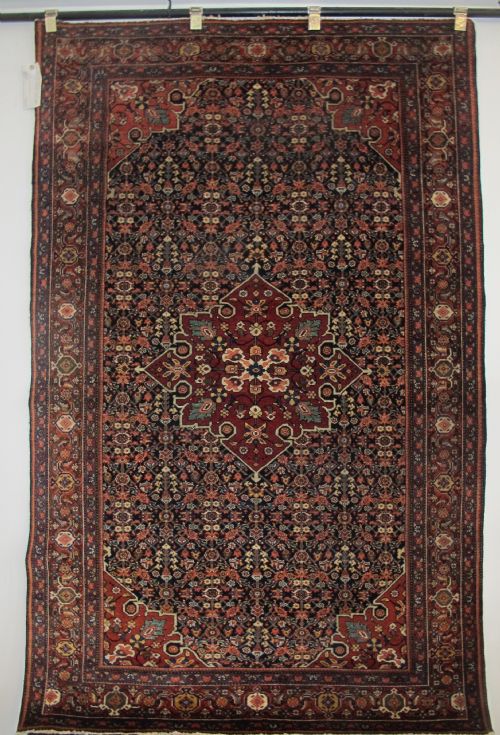
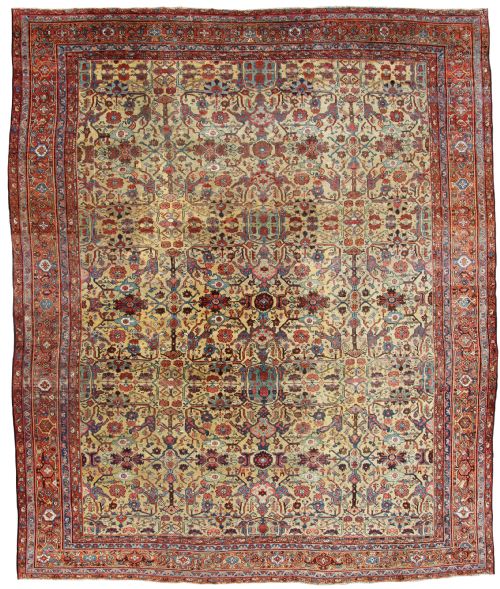
A fereghan area rug is a distinct type of Persian carpet typically originating from the nineteenth century, including examples dated across the 1850s, 1870s, 1880s, and 1890s. Buyers searching for this phrase seek traditional woven floor coverings that display characteristic Persian patterns, sometimes featuring notable motifs like pomegranates or birds.
The selections available here range from smaller village rugs measuring around two metres in length to large country house carpets exceeding five metres. These larger formats, along with pieces bearing specific designations like Ziegler or Sarouk, represent the main varieties encountered in this category.
What varies in quality
Knot density and the precision of the woven pattern separate finer examples from standard commercial productions, influencing how sharply the design renders. Superior pieces demonstrate exceptional fineness in the execution of intricate motifs across the field.
The consistency of the wool and the depth of the natural colour palette also define the hierarchy of these carpets. Examples featuring unusual fields, such as a clear golden ground or a plain field, command attention for their distinct visual impact.
Fereghan Area Rug Retail Price Guide 2026
Typical asking prices for fereghan area rug among the pieces listed under this phrase on Sellingantiques today, from the lower quarter to the upper quarter. They describe what is for sale here now, not the wider market.
Listings for this phrase focus exclusively on nineteenth and early twentieth-century examples utilising wool and cotton.
The Fereghan Area Rug Glossary
- Fereghan
- A style of Persian carpet originating from the Fereghan district, known for fine knotting and classical designs. These rugs often incorporate intricate floral or Herati patterns.
- Sarouk
- A village and regional style associated with Persian rug production, occasionally linked with Fereghan weaving traditions. Sarouk pieces frequently display robust floral sprays and substantial durability.
- Ziegler
- A nineteenth-century commercial carpet type produced in Persia to Western design specifications. Ziegler pieces usually feature softened palettes and large-scale open fields.
- Pile
- The upright yarn loop surface of a carpet that forms the tactile face of the textile. Hand-knotted wool pile provides both comfort underfoot and protection for the foundation.
- Foundation
- The underlying structure of warps and wefts that supports the knotted wool pile. Cotton forms the stable base for the majority of these antique Persian carpets.
Fereghan Area Rug: Frequently Asked Questions
How do I clean a fereghan area rug?
Professional specialist cleaning is essential for antique wool carpets to protect the delicate natural fibres and dyes. Regular gentle vacuuming without a beater bar helps remove surface dust.
Avoid excessive moisture and harsh chemical detergents, as these can permanently damage the vintage cotton foundation and wool pile.
Where were fereghan rugs made?
These rugs were produced in the Fereghan district and surrounding regions of West Persia during the nineteenth and early twentieth centuries. Local weavers utilised traditional techniques passed down through generations.
The regional workshops supplied both local markets and international buyers with sophisticated floor coverings.
How do I date an antique fereghan carpet?
Dating relies on examining the specific weave structure, material characteristics, and stylistic traits typical of periods like the 1850s or 1890s. Stylistic shifts between classical village patterns and later commercial variants offer further chronological clues.
Expert dealer assessment of the wool and dyes helps confirm the approximate decade of production.