



Antique Fars Province Weaving
These antique fars province weaving pieces are tribal textiles created by nomadic groups in south-west Persia, offering rich patterns and authentic hand-spun materials.
Antique Fars Province Weaving
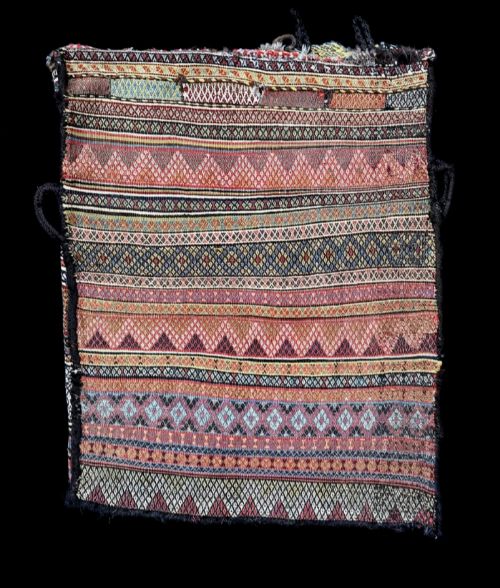
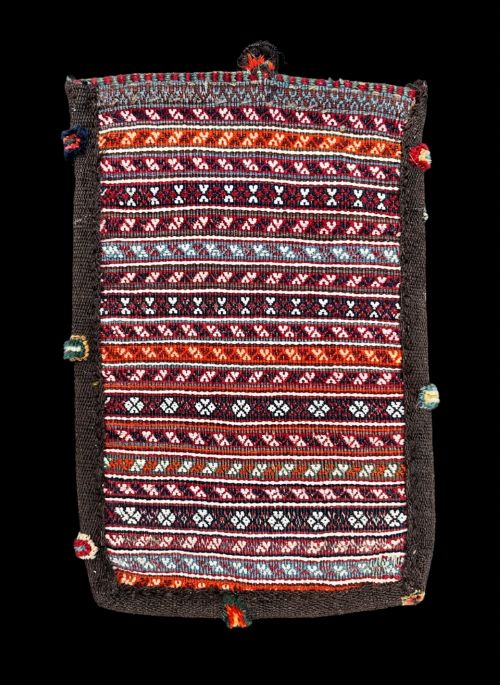
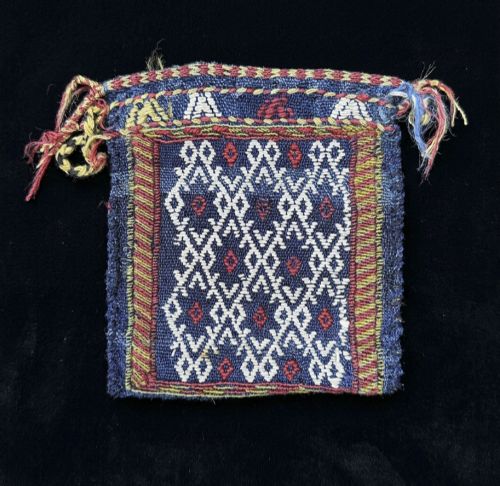
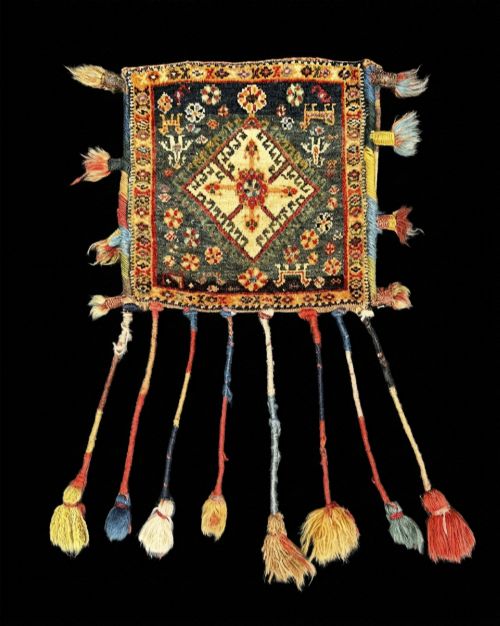
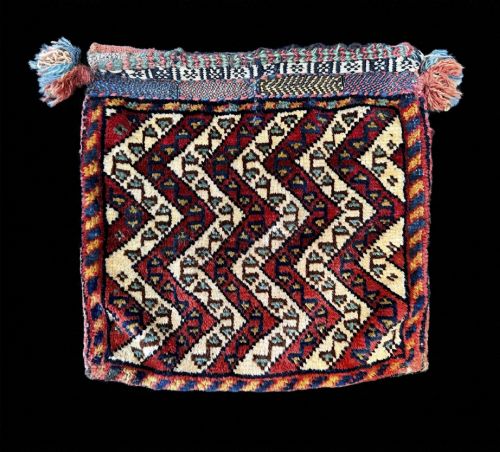
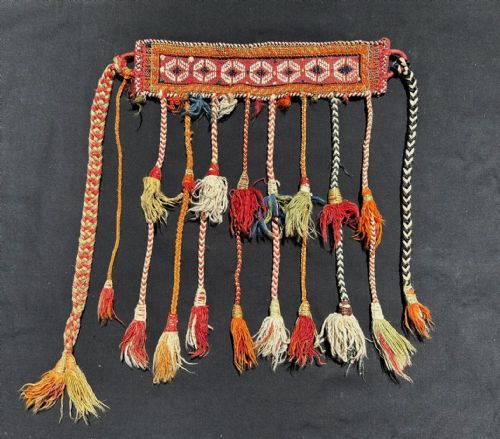
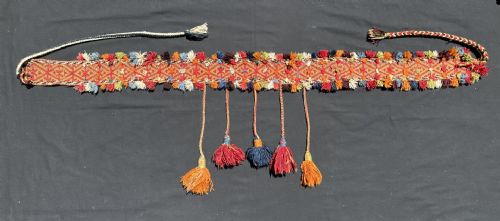
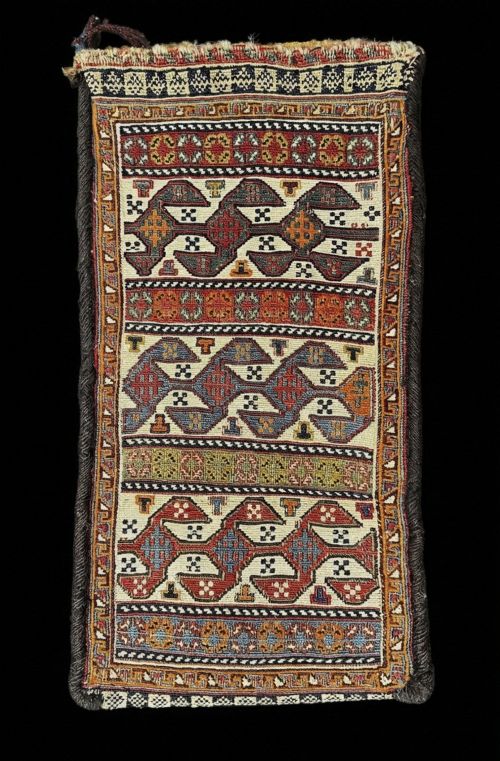
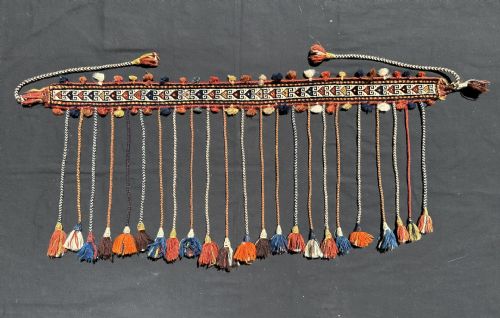
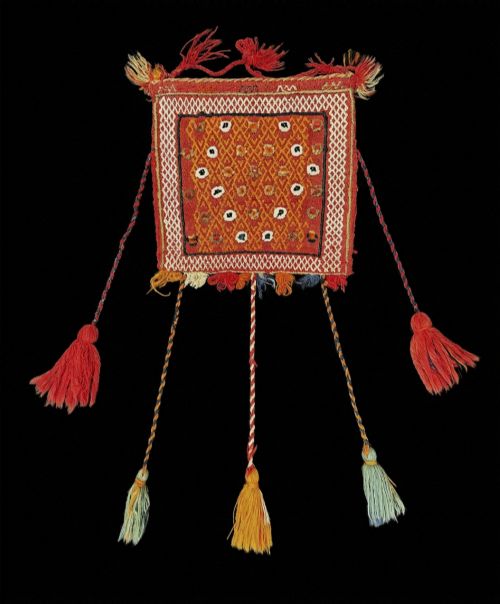
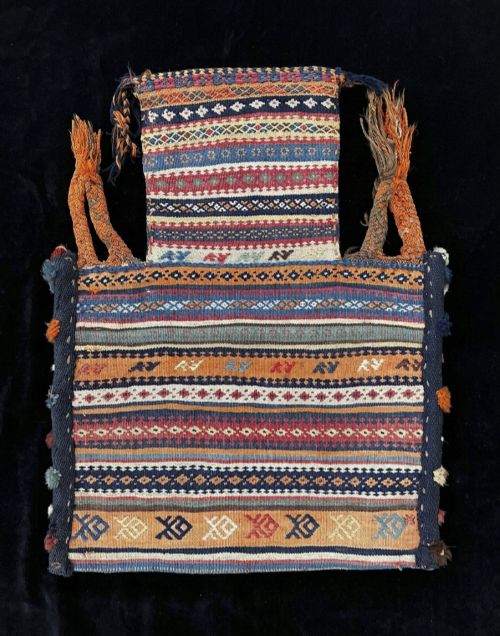
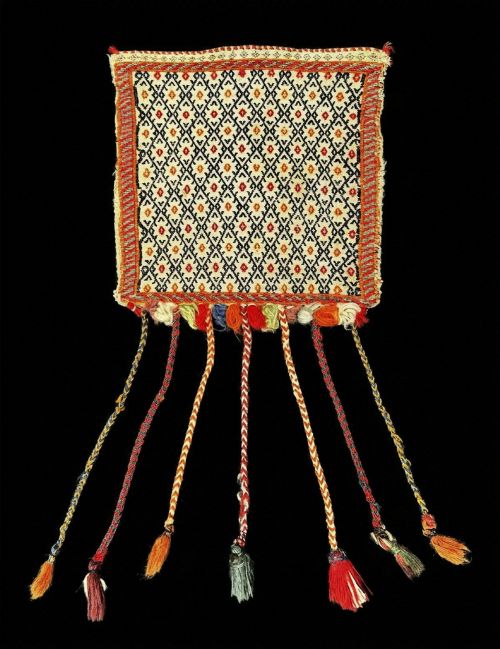
When you search for antique fars province weaving, you encounter utilitarian tribal textiles originating from south-west Persia. These pieces include vanity-bags, spoon-bags, saddle-bags, animal trappings, and baby cradles made by nomadic groups.
The objects stem from the Qashqa'i confederacy and its various sub-tribes or tayefehs, spanning the late nineteenth and early twentieth centuries. Small containers and animal decorations dominate the selection, reflecting the practical nomadic lifestyle.
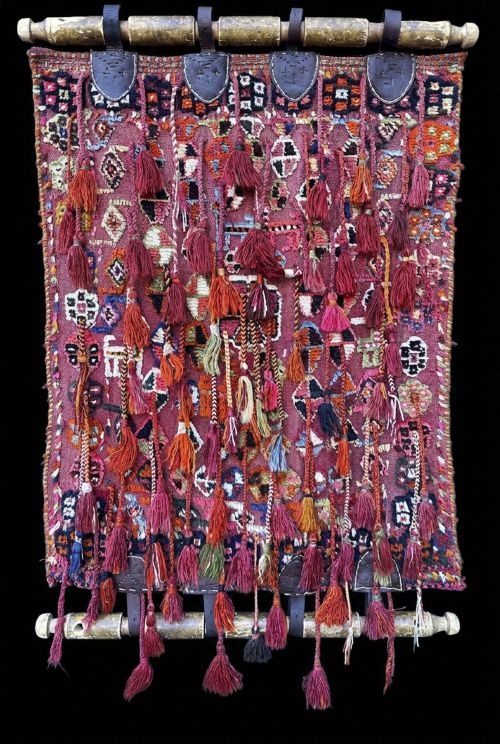
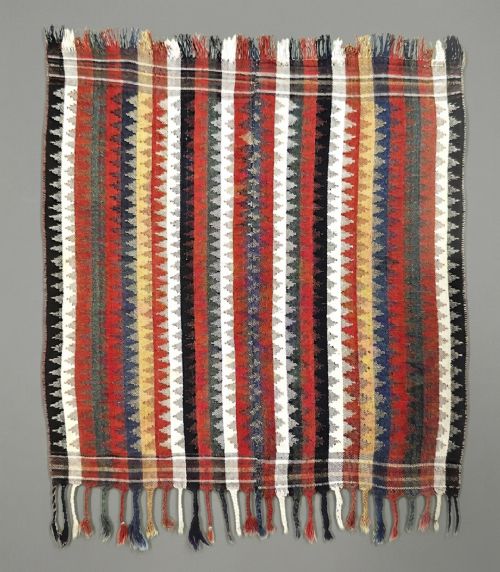
Forms range from complete saddle-bags and storage-bags to single saddle-bag faces and wall hangings like the Moj. Each piece carries traditional tribal designs rooted in the heritage of the region.
Materials and construction
Weavers utilised hand-spun wool alongside standard wool and cotton foundations to create durable, dense structures suitable for nomadic transport and daily use. Natural dyes provided the deep colour palette characteristic of these textiles.
Certain items incorporate additional elements such as wood, leather, and natural dyes to reinforce handles, edges, and structural components of bags and cradles. The interplay of hand-spun fibres and natural dye variations gives each item a tactile, organic quality.
Antique Fars Province Weaving Retail Price Guide 2026
Typical asking prices for fars province weaving among the pieces listed under this phrase on Sellingantiques today, from the lower quarter to the upper quarter. They describe what is for sale here now, not the wider market.
Assessing quality and origin
Quality rests in the fineness of the wool preparation, the clarity of the natural dyes, and the precision of the tribal motifs. Tightly spun hand-spun wool and complex patterning distinguish finer examples within the group.
The specificity of tribal attribution also influences the character of a piece, with named sub-tribes like the Kashkuli or Darrehshuri offering distinct design signatures. Condition and the preservation of original leather or wooden elements complete the evaluation.
The Antique Fars Province Weaving Glossary
- Tayefeh
- A clan or sub-tribe within the Qashqa'i confederacy. These groupings often maintained distinct stylistic traditions in their weaving.
- Saddlebag Face
- The visible front portion of a utilitarian riding bag, preserved as an independent textile. These sections often display the most intricate work.
- Natural Dyes
- Colourants derived from plant and mineral sources rather than synthetic chemicals. They yield rich, fading tones over decades of use.
Antique Fars Province Weaving: Frequently Asked Questions
What are these tribal bags?
These items are functional containers woven by nomadic groups in south-west Persia for storing personal belongings, salt, or utensils during migration.
They reflect the domestic and travelling needs of families moving through the region with their herds.
How do I date these textiles?
Dating relies on stylistic analysis, material assessment, and structural evidence pointing to the late nineteenth and early twentieth centuries.
Changes in dye saturation and wool spinning techniques help narrow the period of origin within this timeframe.
How were animal trappings used?
Animal trappings adorned horses, donkeys, or camels during tribal ceremonies, migrations, and daily camp life.
They served both a decorative purpose and a protective function for working animals.
How should I display a bag face?
Bag faces make excellent wall hangings due to their flat format and concentrated decorative patterns.
Mounting them with a padded support preserves the textile structure without placing undue stress on the historic wool.