




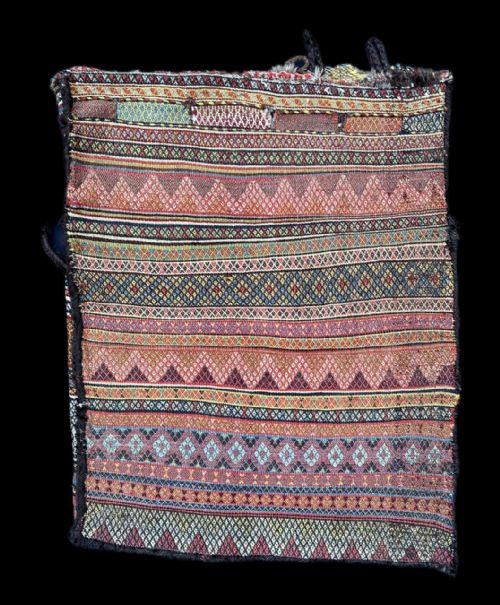


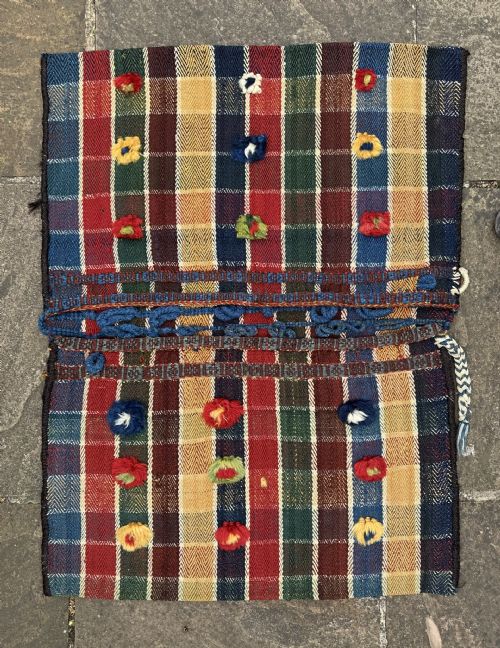
South West Persian Bag
These south west persian bag examples are nomadic wool weavings from the Fars province, prized for their rich tribal patterns and authentic village character.
South West Persian Bag
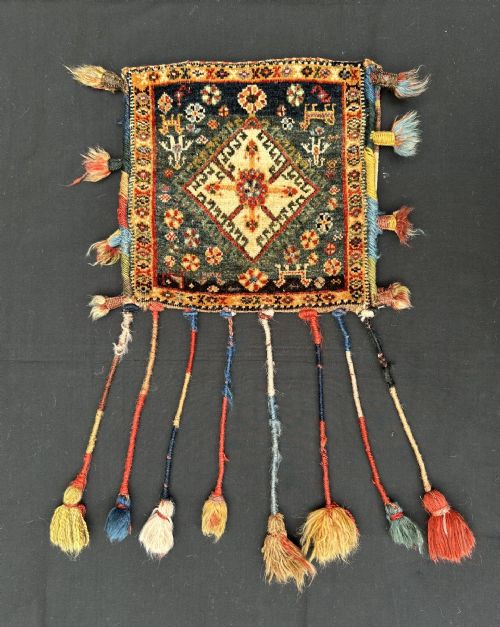
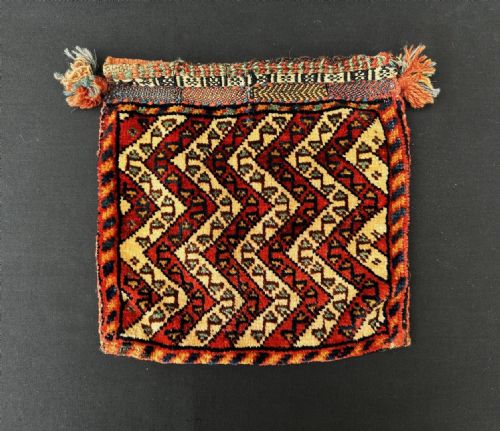
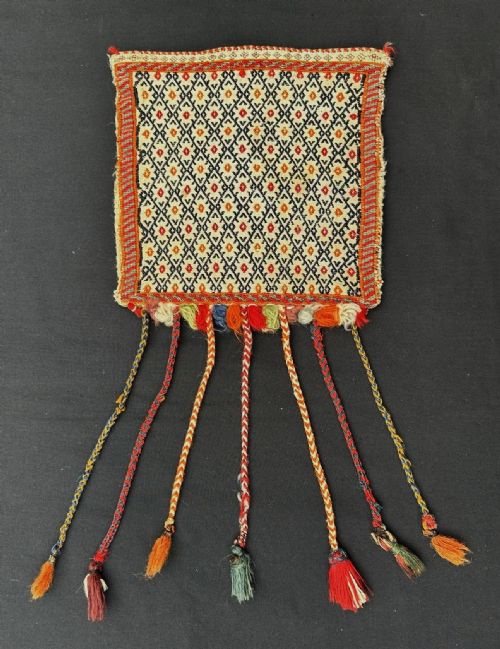
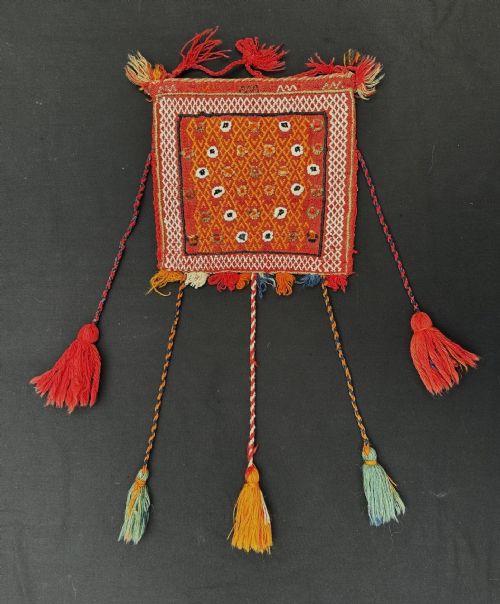
When searching for a south west persian bag, one encounters genuine nomadic tribal textiles originating from the Fars province and associated confederacies. These pieces include utilitarian items such as vanity bags, salt bags, storage bags, and saddle-bag faces produced by specific sub-tribes.
The most common version met here is the antique vanity bag or saddle-bag face linked to the Qashqa'i confederacy. These functional objects served practical nomadic purposes while displaying distinct regional designs.
The objects date from the late nineteenth century through to the early twentieth century, spanning periods such as 1880, 1900, and 1930. Each textile connects directly to pastoral nomadic traditions of south-west Persia.
What varies in quality
The finesse of the knotting and the handling of the wool dictate the textural distinction between examples. Tighter construction and finer hand-spun wool elevate a piece within the range.
The depth and complexity of the natural dye palette also separate standard examples from superior ones. Variations in tribal design execution reflect the individual skill of the weaver.
South West Persian Bag Retail Price Guide 2026
Typical asking prices for south west persian bag among the pieces listed under this phrase on Sellingantiques today, from the lower quarter to the upper quarter. They describe what is for sale here now, not the wider market.
Listings span the periods 1880, 1900, and 1930, focusing entirely on Qashqa'i tribal textiles from the Fars province.
Bolvardi Sub-Tribe·Kashkuli Tayefeh·Shekarlu Tayefeh·Darrehshuri Tayefeh·Ard Kapan Taifeh
The South West Persian Bag Glossary
- Confederacy
- A political and social grouping of nomadic tribes. In this context, groups like the Qashqa'i confederacy comprise multiple sub-tribes and clans.
- Tayefeh
- A Persian term denoting a tribe or clan within a larger confederacy. Specific tayefeh names appear in the attribution of these nomadic textiles.
- Saddle-bag face
- The decorative front panel of a larger transport bag used on pack animals. These faces are frequently preserved independently as decorative panels.
- Natural dyes
- Colourants derived from plant, insect, or mineral sources rather than synthetic chemicals. These materials yield the characteristic tones found in older nomadic weavings.
- Hand-spun wool
- Fleece processed and spun by hand into yarn rather than by industrial machinery. This imparts irregular character and durability to the textile.
South West Persian Bag: Frequently Asked Questions
What is a south west persian bag?
A south west persian bag is a nomadic textile piece originating from the Fars province, historically used for storage, personal items, or animal transport.
These weavings reflect the cultural traditions of the Qashqa'i confederacy and its various sub-tribes.
How were these bags used?
Nomadic groups utilised these textiles for practical storage during seasonal migrations, carrying salt, vanity items, or personal possessions.
Saddle-bags and their surviving faces served to transport goods on horses, donkeys, or camels across the region.
How do I live with a tribal bag?
These small textiles suit display as wall hangings or flat surfaces where foot traffic is absent.
Keeping them away from direct sunlight helps preserve the natural dyes used in their construction.
How do I tell periods apart?
Dating relies on recorded production eras such as 1880, 1900, and 1930, alongside structural characteristics.
Earlier examples tend to display specific natural dye palettes and hand-spun wool textures associated with nineteenth-century nomadic production.