



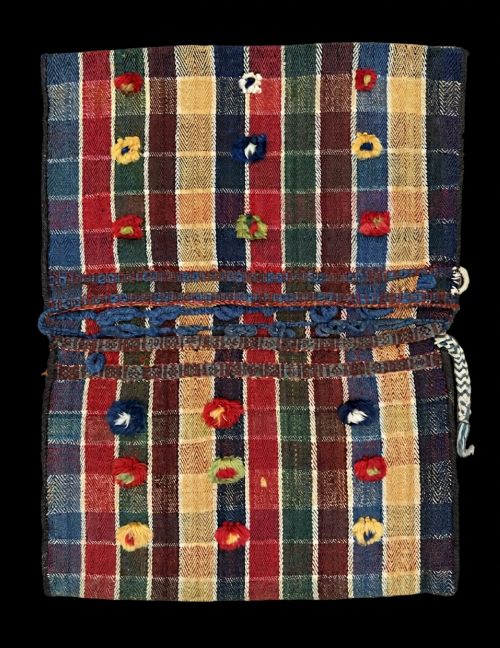
Handwoven Qashqai Textile Bag
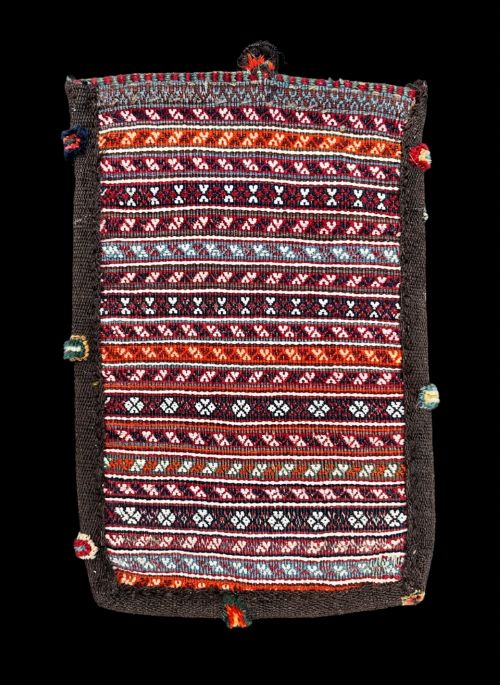
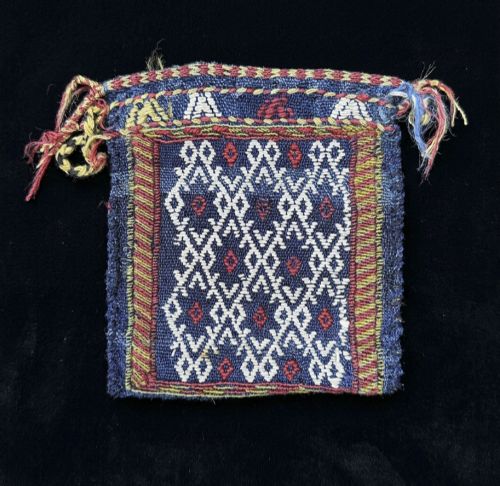
These handwoven qashqai textile bag examples are nomadic wool containers created in south-west Persia by tribal weavers seeking durable daily storage.
Handwoven Qashqai Textile Bag
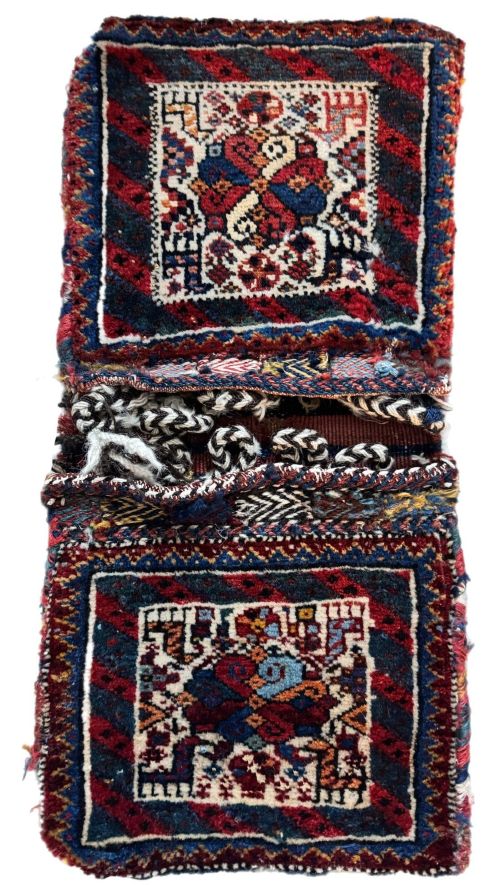
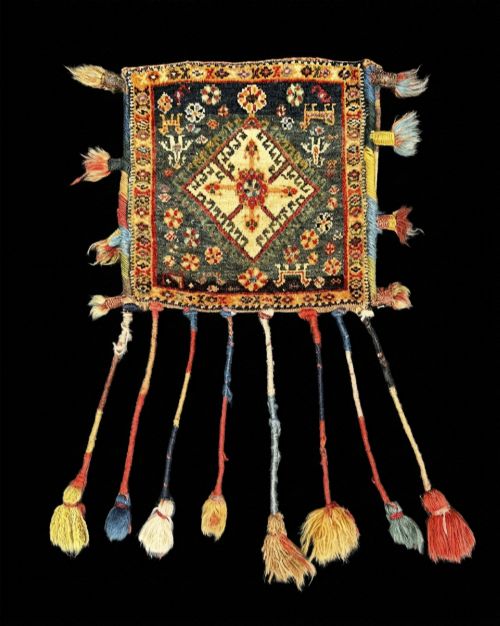
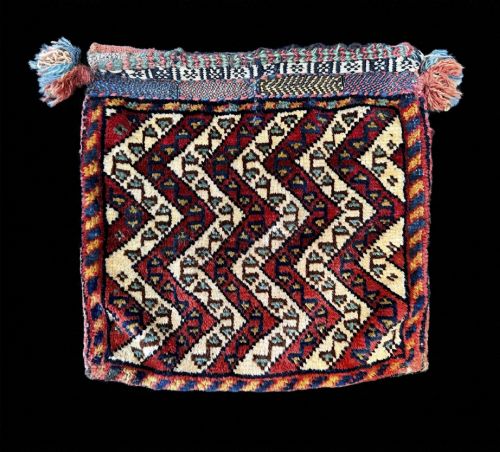
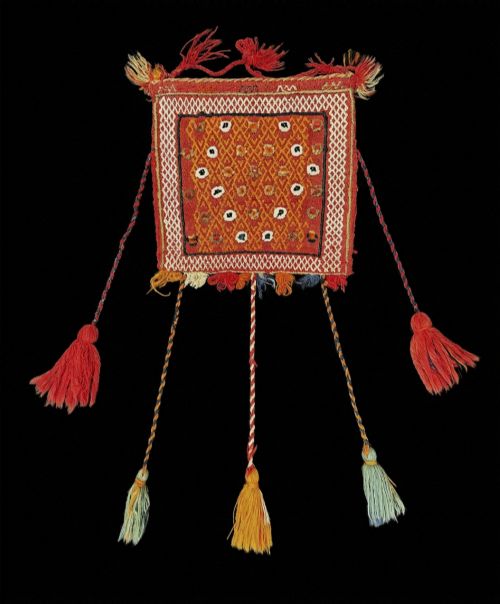
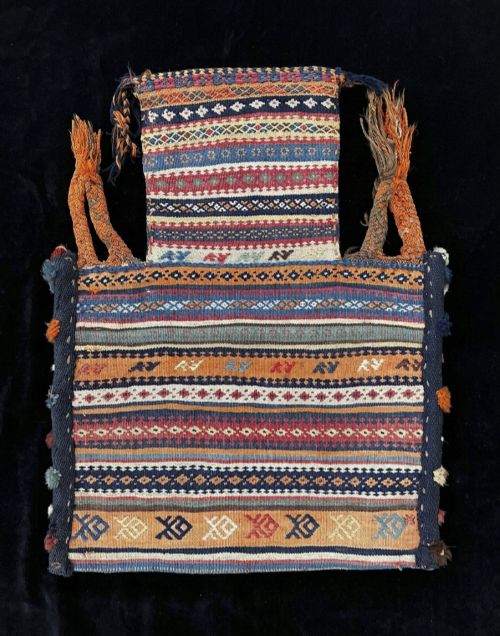
A handwoven qashqai textile bag represents the nomadic weaving traditions of the Fars province in south-west Persia, produced by various sub-tribes and confederacies. Buyers examining this category encounter specific forms designed for practical nomadic life, including vanity-bags, salt-bags, spoon-bags, and complete or single-faced saddlebags.
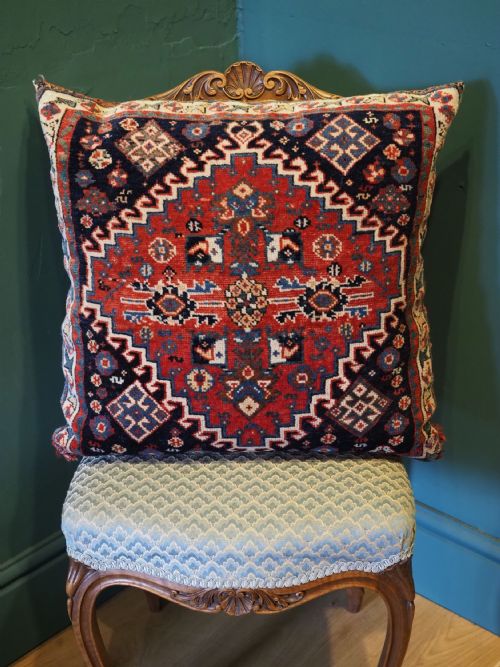
The objects span the late nineteenth century and the early twentieth century, reflecting a period when tribal groups such as the Darrehshuri, Kashkuli, Bolvardi, and Shekarlu still produced utilitarian textiles for transport and camp use. Most items seen on this page arrive as single faces or adapted cushions, preserving the geometric iconography originally tied to horse, donkey, or camel transport.
What varies in quality
Quality in a handwoven qashqai textile bag rests upon the density of the weave and the precision of the geometric layout executed by the tribal weaver. Pieces demonstrating finer knot counts and sharper drawing display a higher command of the medium.
The depth and vibrancy of the natural dyes also divide standard utility pieces from exceptional tribal examples. Surviving wool condition and the integrity of the original edges further separate robust specimens from those heavily worn by camp use.
Handwoven Qashqai Textile Bag Retail Price Guide 2026
Typical asking prices for handwoven qashqai textile bag among the pieces listed under this phrase on Sellingantiques today, from the lower quarter to the upper quarter. They describe what is for sale here now, not the wider market.
The Handwoven Qashqai Textile Bag Glossary
- Khorjin
- A traditional double-sided saddlebag used by nomadic tribes for transporting belongings on animals. These items were constructed to hang across the backs of horses, donkeys, or camels.
- Fars Province
- The historical region in south-west Persia where the Qashqai confederacy and associated sub-tribes traditionally camped and wove. This area forms the geographical centre of this textile tradition.
- Tayefeh
- A specific sub-tribe or clan within the larger Qashqai tribal confederacy. Identifying the tayefeh helps locate the origin of individual weaving styles.
- Natural Dyes
- Colourants derived from plants, insects, and minerals rather than synthetic chemical processes. These materials produce the varied, organic tones observed in older nomadic textiles.
Handwoven Qashqai Textile Bag: Frequently Asked Questions
What is a qashqai textile bag?
It is a handwoven wool container made by nomadic weavers in south-west Persia for practical camp and transport use.
These items include vanity-bags, salt-bags, and saddlebag faces featuring traditional tribal motifs.
How were these bags used?
Nomadic families utilised them to carry salt, spoons, personal vanity items, or general goods during seasonal migrations.
They were fastened to saddles or kept inside tents for storage before surviving as decorative textile fragments.
How do I care for a textile bag?
Keep the wool item away from direct sunlight to protect the natural dyes from fading over time.
Gentle surface cleaning or professional textile attention preserves the hand-spun fibres and structural integrity.
How can I tell the age?
Dating relies on material analysis, examining the use of hand-spun wool and natural dye palettes typical of the late nineteenth and early twentieth centuries.
Tribal attributions and construction traits also point toward specific production decades between 1880 and 1910.