

Antique Farmhouse Chairs
Antique farmhouse chairs bring sturdy vernacular character to a kitchen, combining utilitarian design with generations of domestic history.
Antique Farmhouse Chairs
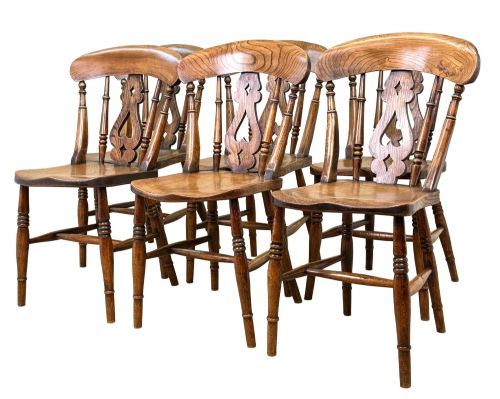
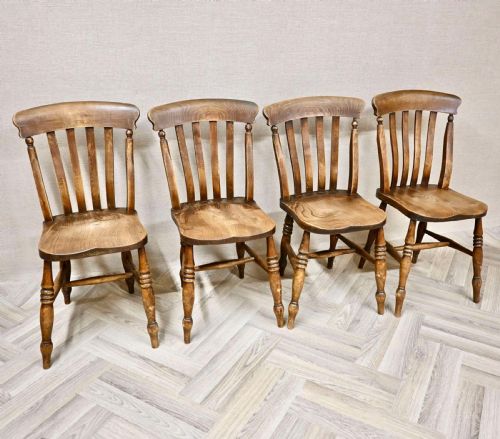
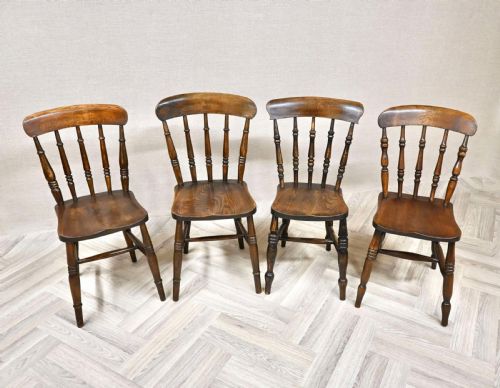
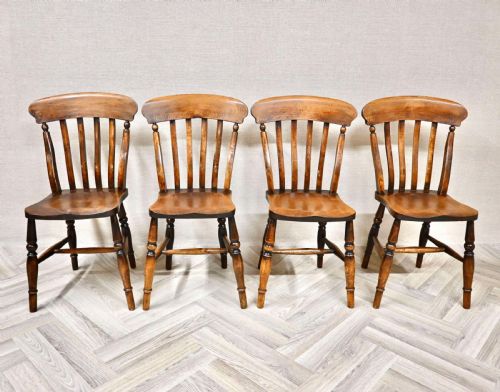
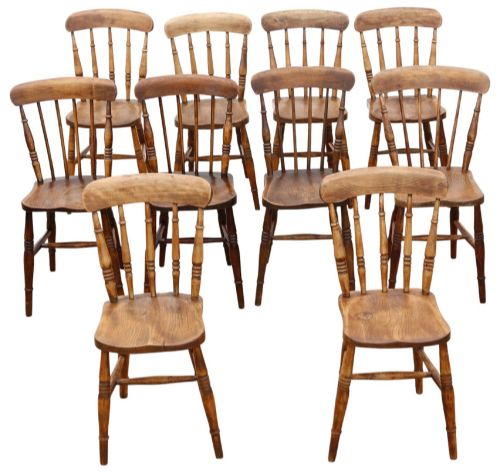
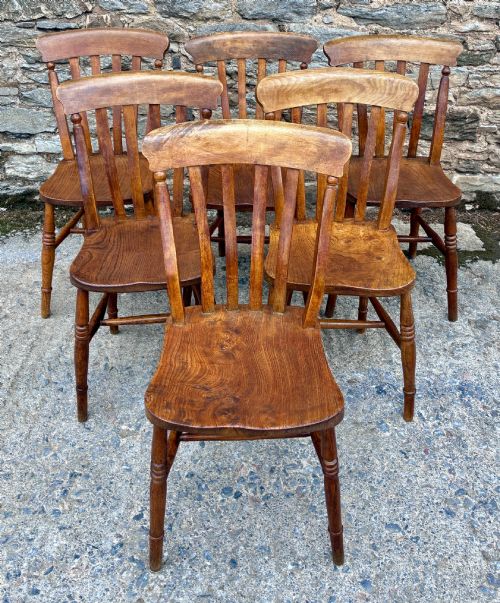
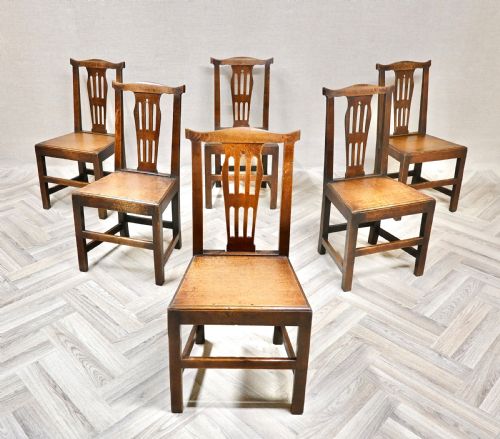
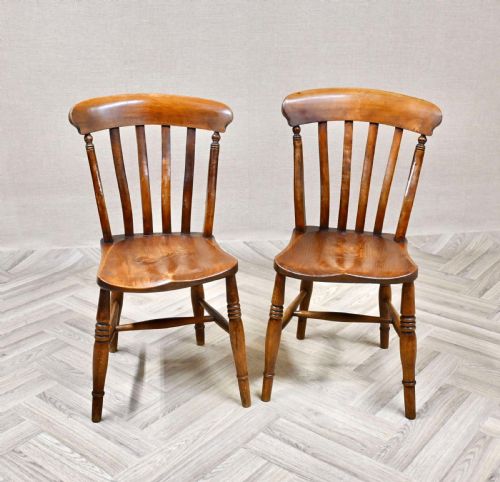
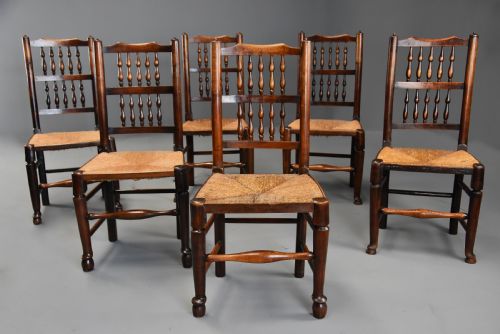
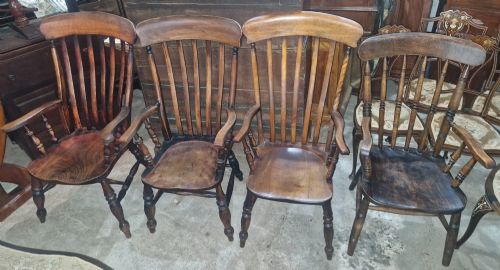
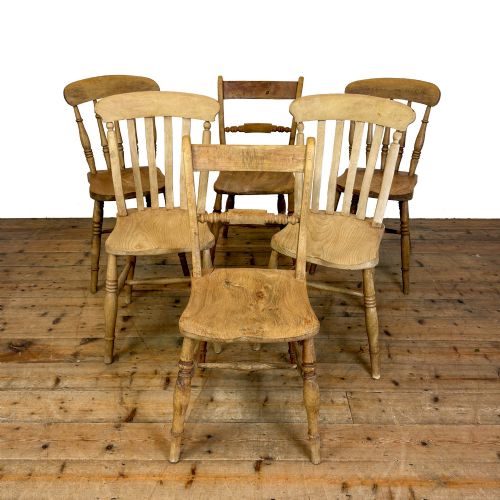
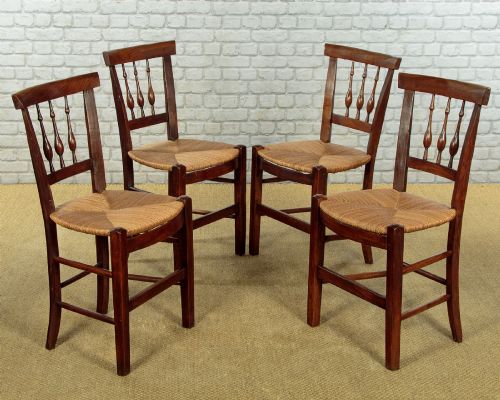
Antique farmhouse chairs encompass robust domestic seating created for everyday use in kitchens, sculleries, and country houses across Britain. When searching for antique farmhouse chairs, buyers frequently encounter Windsor designs, ladder-backs, and spindle-backs originating from the nineteenth century and the Victorian era.
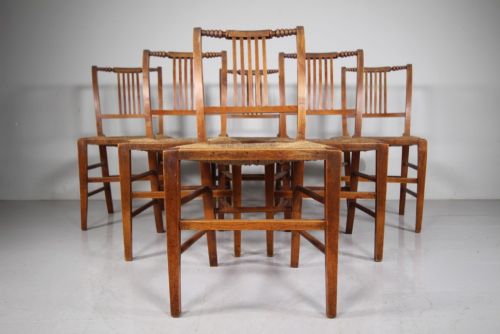
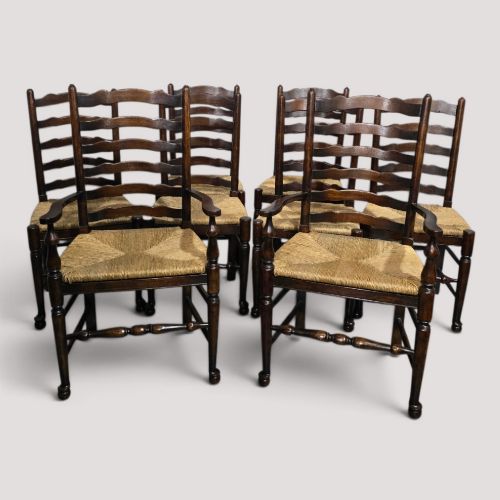
The inventory ranges from single armchairs and rocking chairs to large matched or harlequin sets intended for dining tables. Common configurations include elm and beech Windsor chairs featuring distinctive bentwood hoops, alongside sturdy oak ladder-backs fitted with rush seats.
What varies in quality
The survival of matching sets, particularly in harlequin groupings that maintain consistent proportions and wear, elevates the desirability of the seating. Structural honesty, minimal replacement parts, and deep, unvarnished wax finishes distinguish finer examples from heavily restored alternatives.
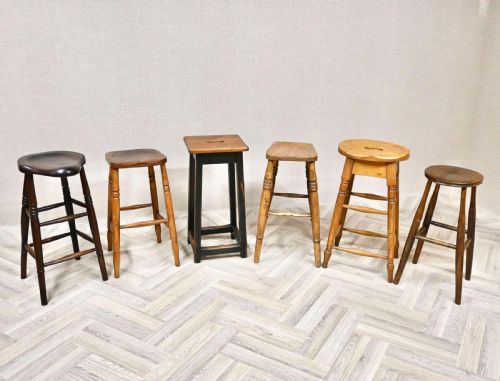
Seating styles span Windsor armchairs, spindle-backs, ladder-backs, and Thames Valley variations.
Worksop
The Antique Farmhouse Chairs Glossary
- Windsor
- A chair built with a solid wooden seat into which the legs and back spindles are directly inserted. This design relies on distinct bentwood components to form the upper back and arm support.
- Harlequin set
- A collection of dining chairs that match in general style, period, and material but vary slightly in minor details or proportions. These groupings were often assembled over time from individual pieces.
- Patina
- The deep surface sheen and mellow colour developed by timber over decades of handling, cleaning, and exposure to light. A good patina indicates genuine age and continuous use.
- Ladder-back
- A chair back constructed with horizontal slats or rails between two upright posts. This traditional form was frequently paired with woven rush seating.
- Spindle-back
- A seating design featuring numerous vertical turned wooden rods supporting the backrest. These members are typically tapered and shaped on a lathe.
Antique Farmhouse Chairs: Frequently Asked Questions
What is a harlequin set?
A harlequin set is a group of chairs that share a common style, period, and timber but exhibit slight individual variations in design. These collections were typically gathered together gradually rather than manufactured as a single batch.
They offer a relaxed aesthetic for dining spaces, allowing buyers to acquire larger seating arrangements while retaining distinct vernacular character in each chair.
How do I identify elm timber?
Elm is characterised by an interlocking, interwoven grain pattern that creates a distinctive wavy figure across the surface of the wood. It ranges in tone from warm honey brown to deeper golden hues.
Because elm resists splitting and bears heavy use, makers selected it for solid saddle seats where strength was paramount.
Were these chairs painted originally?
Many country chairs were finished with plain scrubbed surfaces, oil, or beeswax to highlight the natural grain of woods like oak, ash, and elm. However, some utilitarian pieces received coats of dark paint or varnish during their working lives.
Surviving traces of early paint beneath later layers often add historical interest and verify the utilitarian origins of the seating.
How do I care for rush seats?
Rush seats require a dry environment and regular gentle dusting to prevent the natural sedge fibres from becoming brittle. Avoiding direct sunlight and excessive moisture helps preserve the flexibility of the woven material.
Applying a light, neutral wax to the wooden frame while keeping moisture away from the rush ensures the longevity of the seat.