


Antique Faience Vessel
An antique faience vessel brings tin-glazed earthenware into a room, offering colourful painted decoration across centuries of ceramic history.
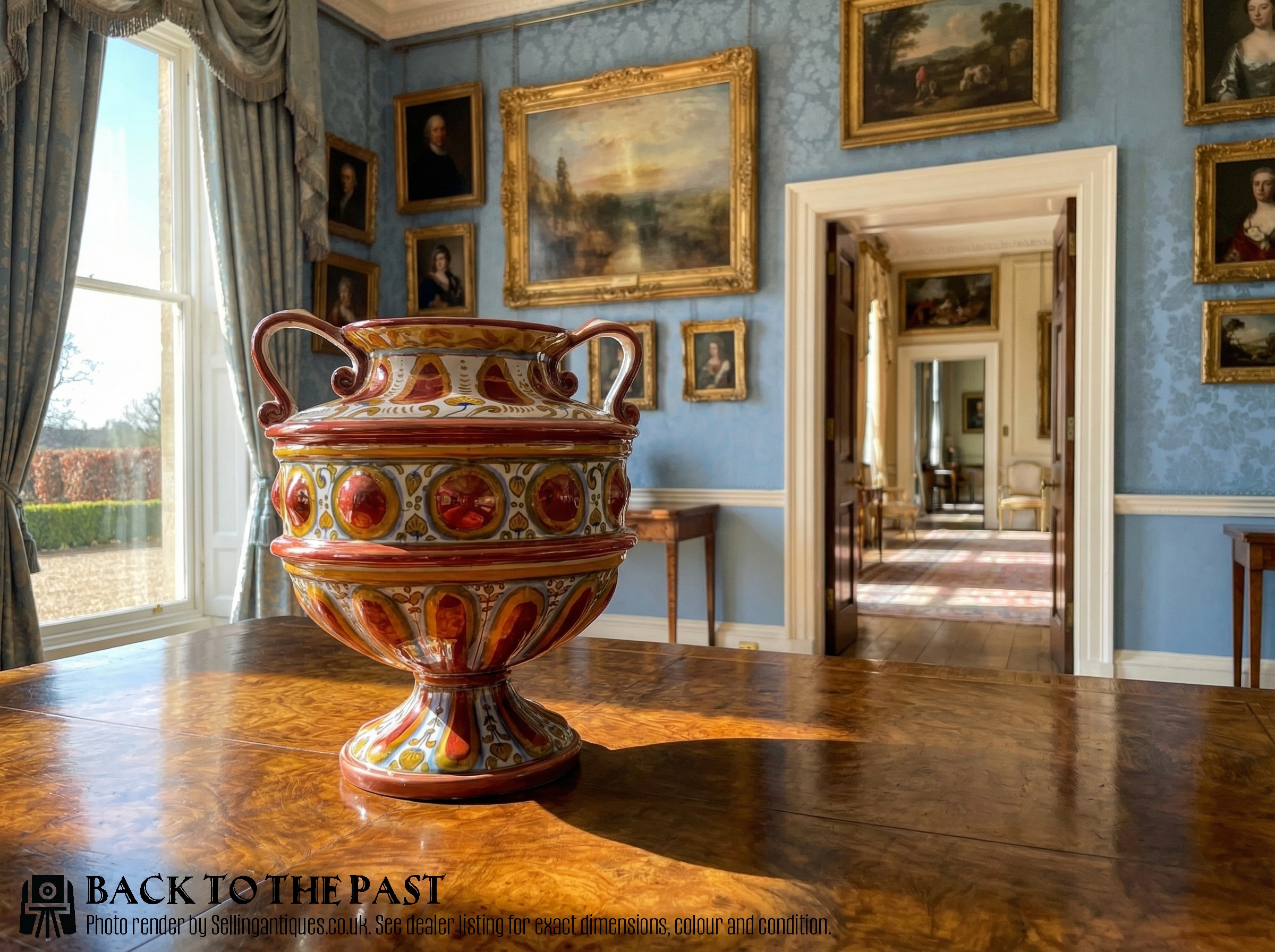
Antique Faience Vessel
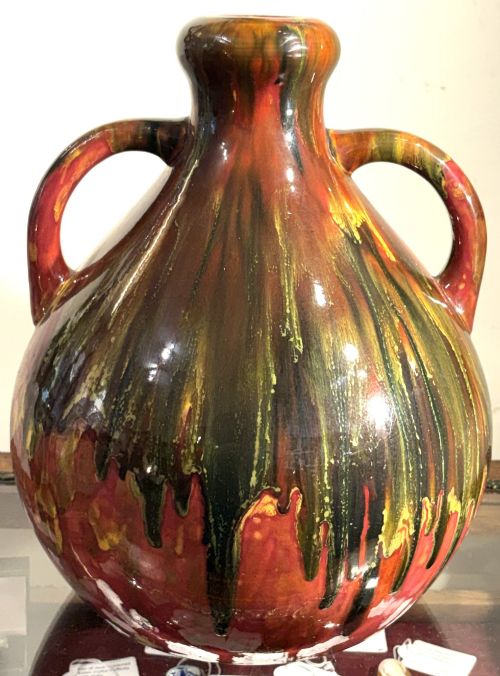
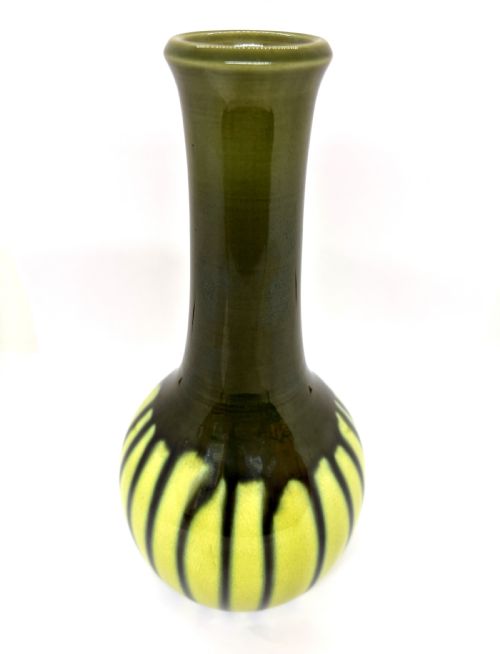
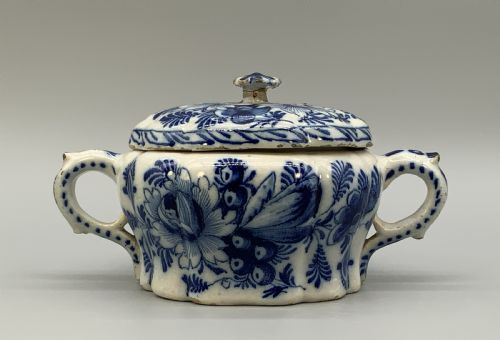
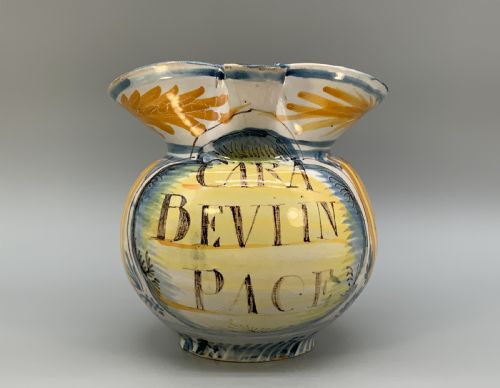
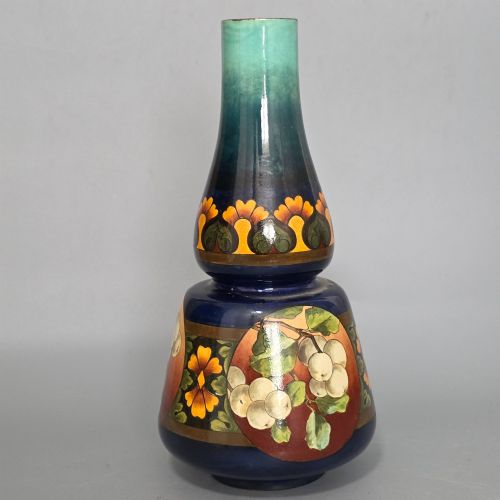
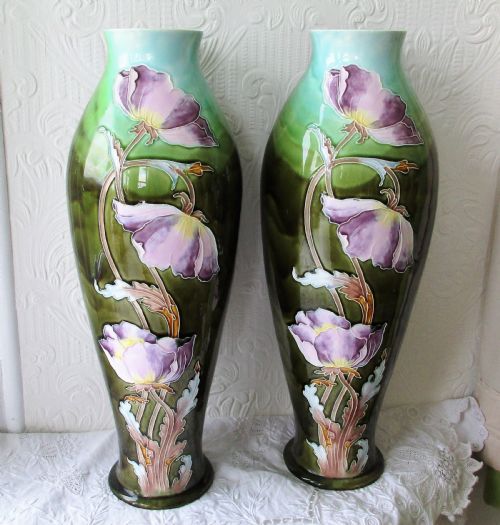
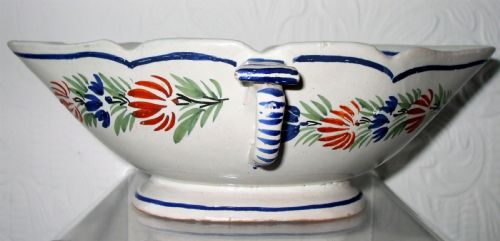
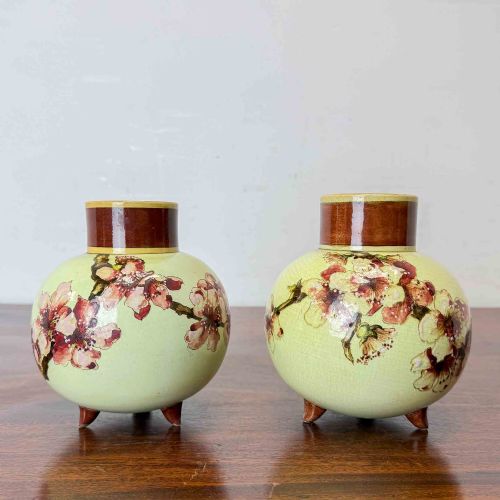
An antique faience vessel covers a broad range of tin-glazed earthenware objects spanning from the seventeenth century to the twentieth century. These items include domestic tablewares, pharmacy jars, and decorative vases shaped by various regional traditions.
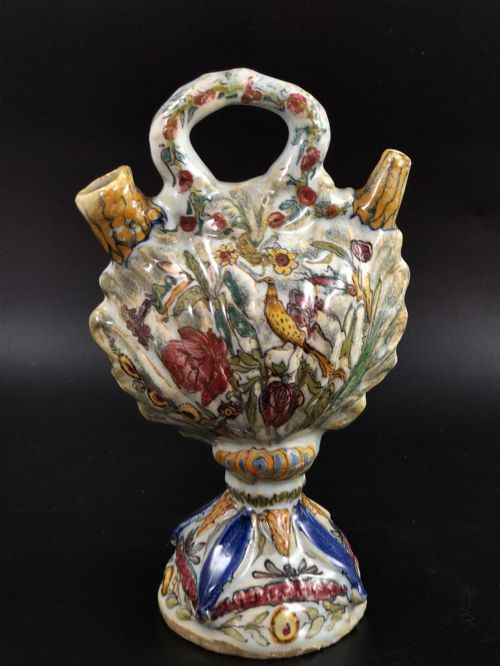
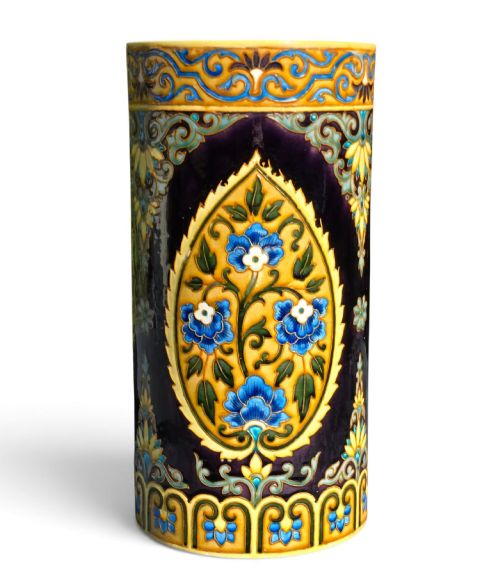
The pieces appearing most frequently originate from English, French, Dutch, and Italian potteries. Forms range from utilitarian apothecary wet drug jars and sauceboats to decorative umbrella stands and pilgrim flasks.
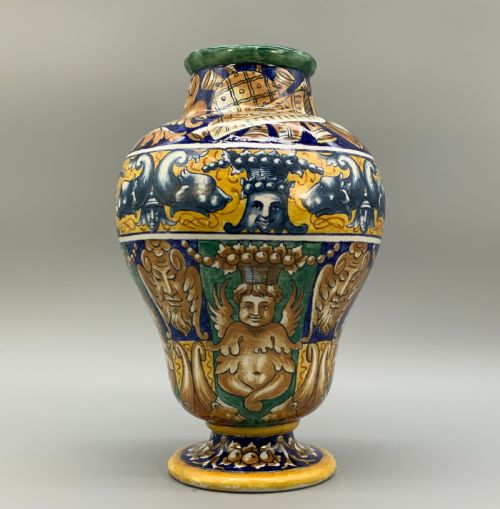
Stylistic influences stretch from traditional Dutch and Italian Baroque designs to later Arts and Crafts, Art Nouveau, and Renaissance Revival movements. Each period imprints its specific aesthetic onto the porous ceramic body underneath the glaze.
Materials and production methods
Makers formed these items using earthenware clay, which was shaped on a potter's wheel or pressed into moulds to create complex forms such as pilgrim flasks and albarelli. This earthenware body required a preliminary firing to create a stable biscuit base.
The porous body received an opaque white tin glaze that provided a smooth surface for painting. Artisans applied metallic oxide pigments directly onto this unfired or partially fired glaze before a final high-temperature kiln firing fused the colours permanently.
Object forms span domestic tableware, pharmacy jars, umbrella stands, and decorative vases.
Distinctions in quality and execution
Execution of the painted decoration determines the distinction between standard utilitarian items and masterworks. Precision in brushwork, depth of the polychrome or blue-and-white palette, and clarity of the tin glaze separate ordinary domestic wares from exceptional studio pieces.
Complexity of form and ambition of design also govern the hierarchy of these ceramics. Elaborate mouldings, sculptural additions, and successful adherence to revivalist styles reflect the skill of the original workshop.
Burmantofts·Théodore Deck·Doulton Lambeth·Quimper·Cantagalli·Pieter Verburg
The Antique Faience Vessel Glossary
- Faience
- Tin-glazed earthenware produced in France, England, and other European regions outside Italy. The term generally describes tin-glazed ceramics with painted decoration over an opaque white ground.
- Majolica
- Tin-glazed earthenware originating in Italy and associated with Renaissance and revival styles. The glaze incorporates tin oxide to create a white, opaque surface suitable for detailed pigment painting.
- Albarello
- A cylindrical earthenware jar designed for holding pharmacy drugs and apothecary preparations. These containers often feature waisted sides for gripping and specific painted labels indicating their original medicinal contents.
- Pilgrim flask
- A flat-bodied vessel fitted with side lugs for suspension cords, historically carried by travellers. Ceramic versions often display elaborate pictorial or armorial decoration across their circular faces.
- Tin glaze
- An opaque white ceramic glaze produced by adding tin oxide to a lead glaze base. This coating provides the characteristic canvas for painted decoration on earthenware bodies.
Antique Faience Vessel: Frequently Asked Questions
What is an antique faience vessel?
An antique faience vessel is a tin-glazed earthenware object created for utility or display across European potting traditions. These pieces utilise opaque white glazes decorated with cobalt blue or polychrome pigments.
Production spans several centuries, encompassing utilitarian apothecary jars, decorative vases, and domestic tableware shaped by distinct regional aesthetics.
How were apothecary jars used?
Apothecary jars held dried herbs, ointments, and liquid medicines in dispensaries and pharmacies. Their glazed earthenware bodies protected contents from moisture and contamination.
Painted labels on the exterior identified specific medicinal compounds, allowing apothecaries to locate ingredients quickly during preparation.
How do I care for tin-glazed pottery?
Tin-glazed earthenware requires gentle handling due to the fragile nature of the ceramic body and surface glaze. Dusting with a dry cloth keeps the surface clean without risking moisture absorption.
Displaying pieces away from direct sunlight and areas of high humidity preserves the stability of the glaze and pigments over time.
How do I distinguish regional styles?
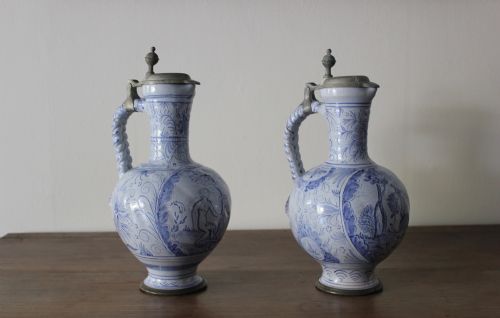
Regional styles appear through distinct colour palettes, decorative motifs, and forming techniques particular to local potting centres. Dutch pieces often favour blue-and-white motifs, whereas Italian majolica displays rich polychrome pigments.
Examining the base and glaze characteristics provides further clues regarding the geographical origin and period of manufacture.