

Antique Expandable Table
An antique expandable table brings period character and practical dining space together, offering the flexibility to seat guests comfortably.
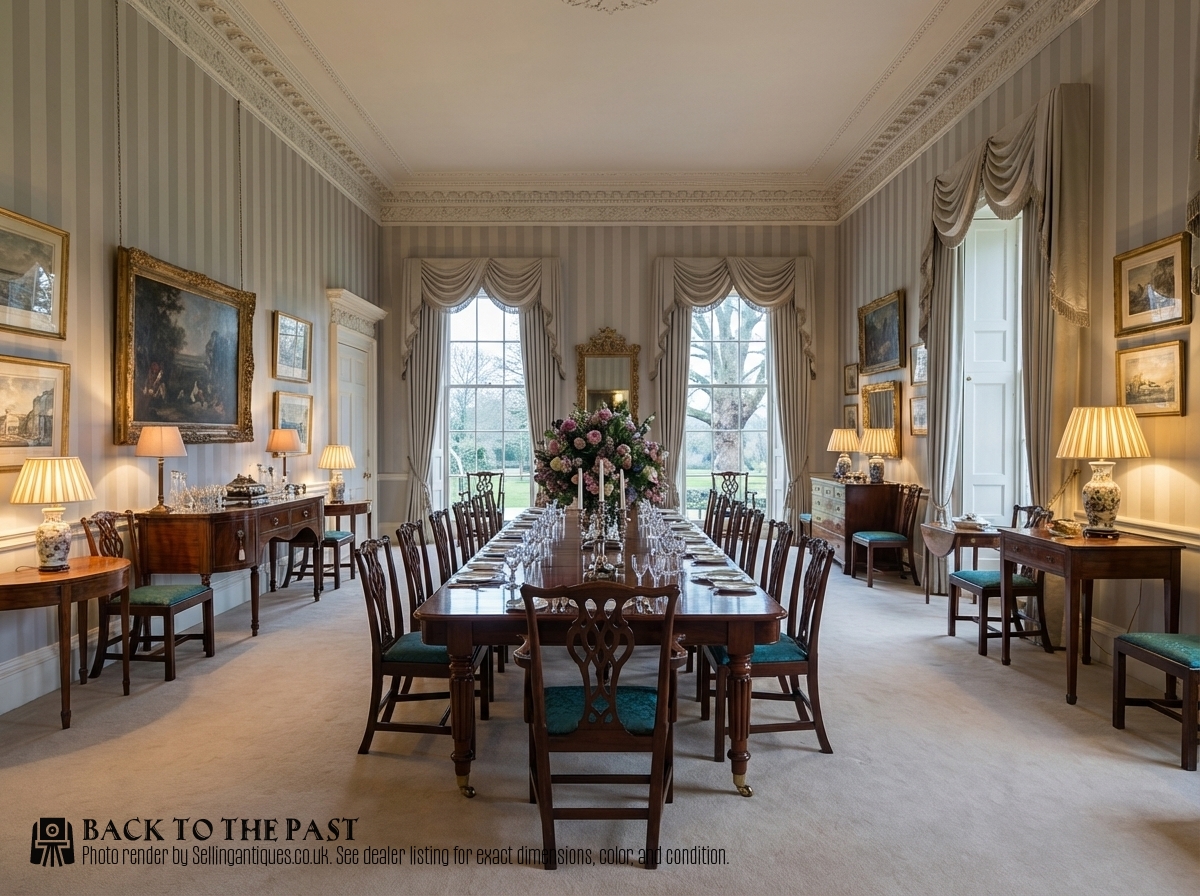
Antique Expandable Table
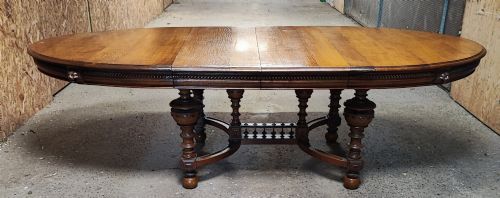
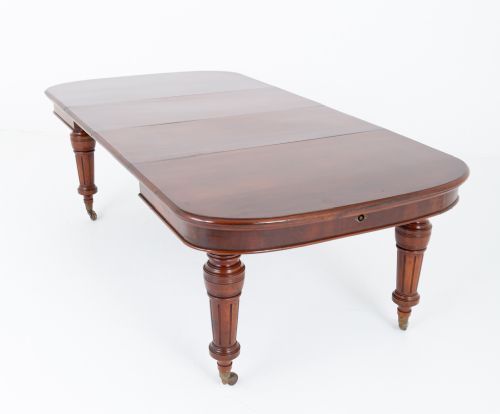
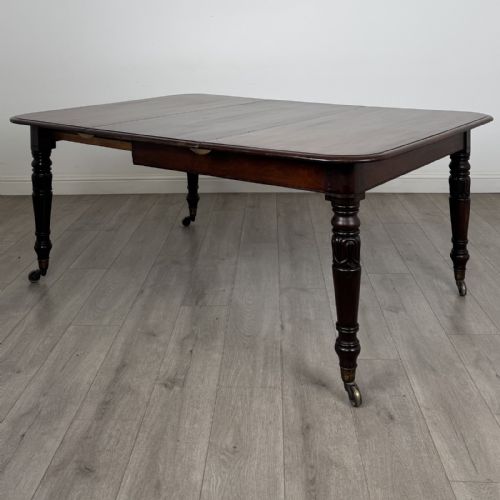
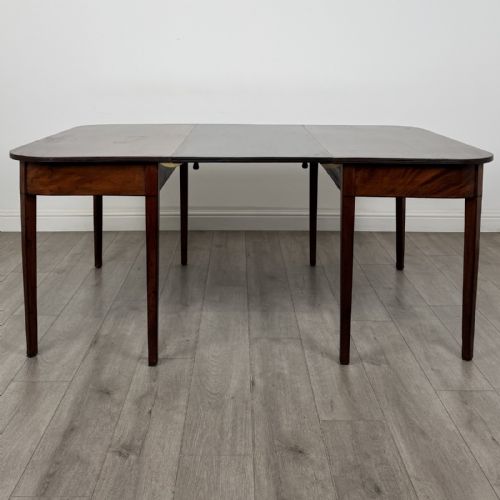
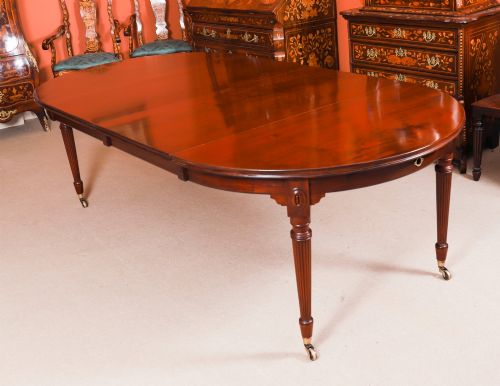
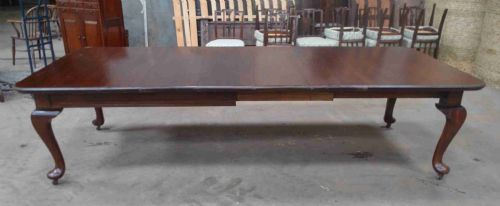
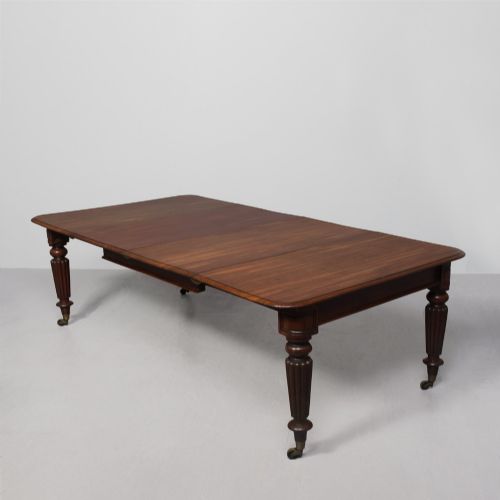
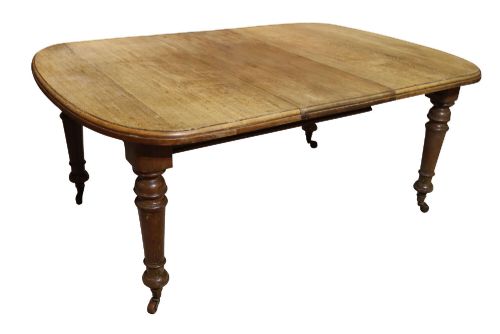
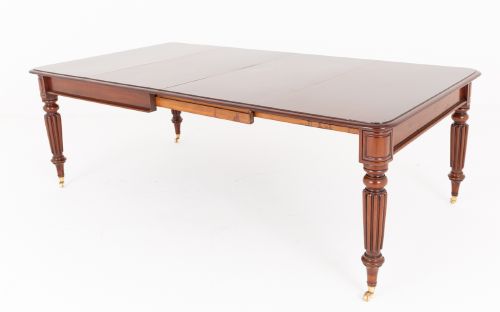
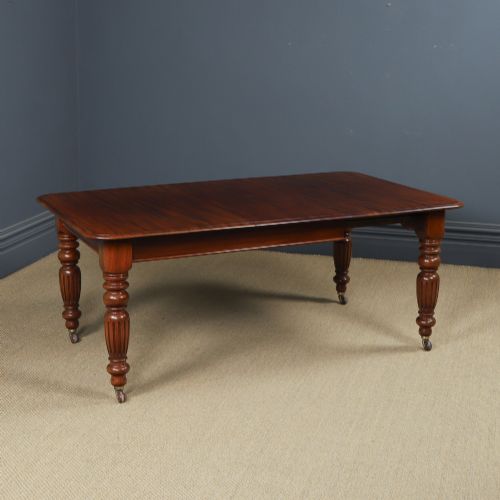
An antique expandable table provides flexible dining arrangements through ingenious mechanisms developed during the Georgian, Regency, and Victorian periods. Buyers exploring this category will most frequently encounter mahogany dining tables featuring leaf systems or wind-out mechanisms to accommodate larger gatherings.
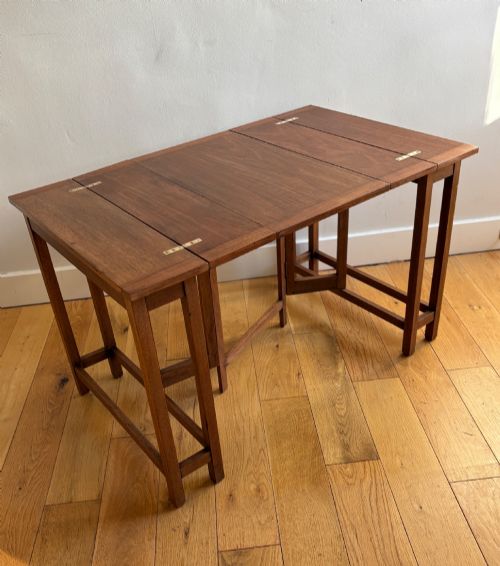
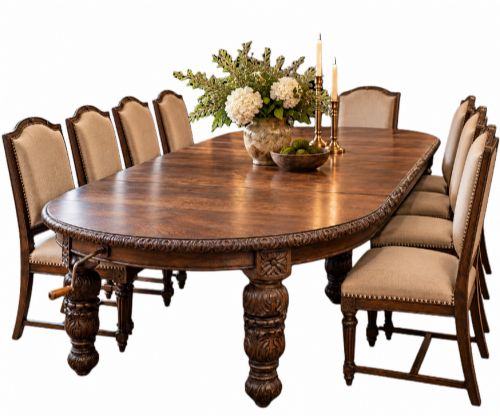
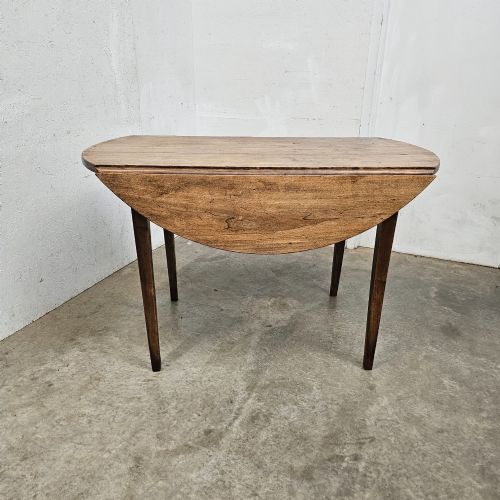
The selection ranges from intimate drop-leaf configurations suitable for smaller rooms to grand banquet tables spanning over ten feet long. Makers of these periods utilised robust timbers like oak and walnut alongside figured mahogany to construct sturdy frames that support multiple extension leaves.
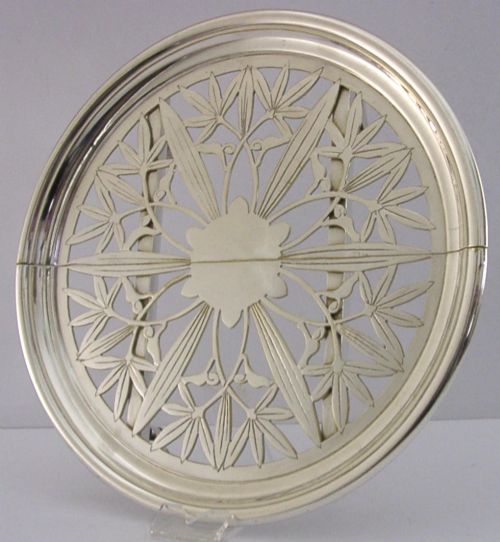
Beyond standard dining forms, related extendable pieces include specialised serving stands and reading accessories designed on similar principles of adjustment. Each piece reflects the domestic requirements of nineteenth-century households needing adaptable furniture for hosting and daily use.
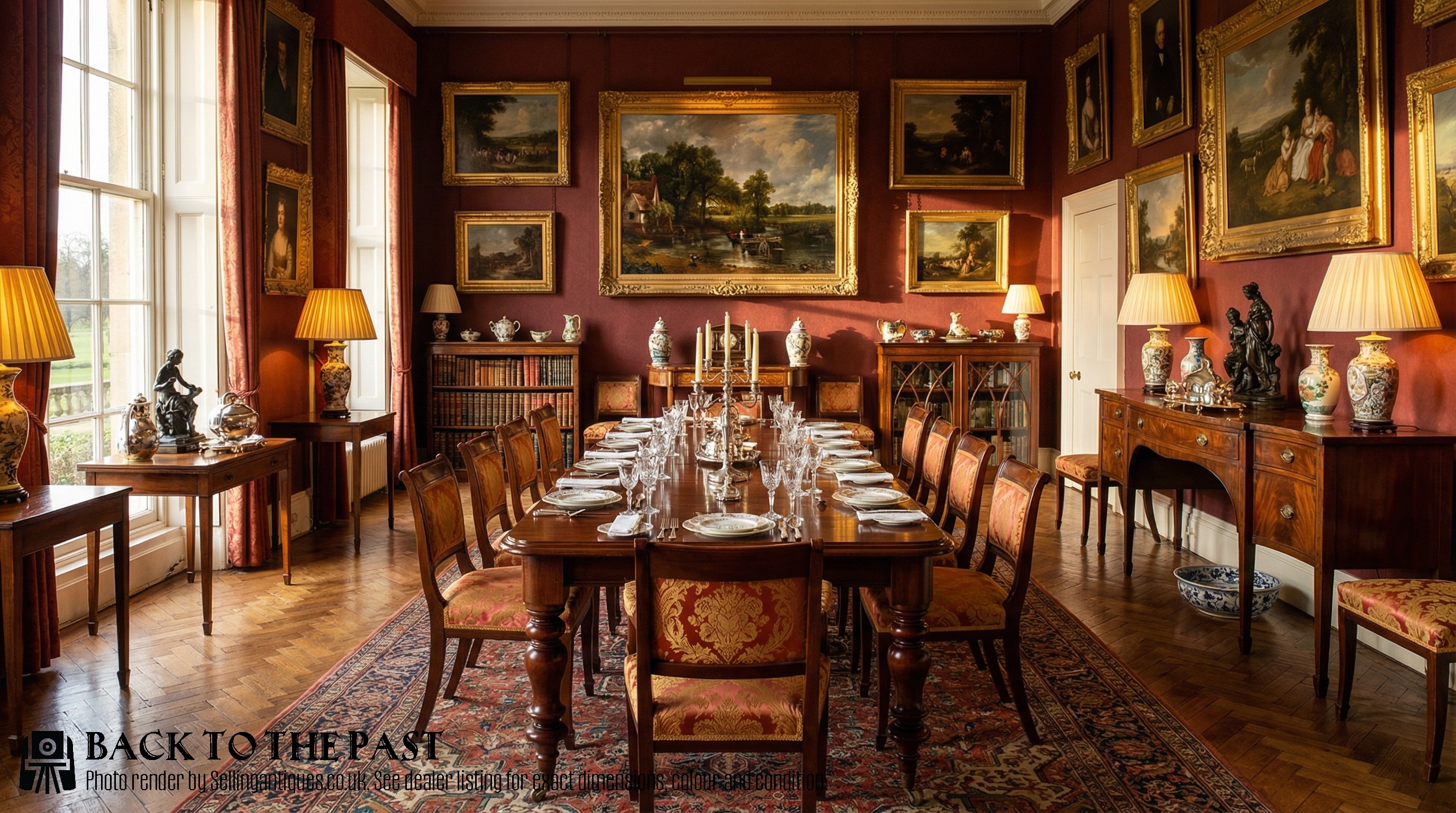
Materials and construction methods
Cabinet makers relied heavily on dense tropical hardwoods, predominantly mahogany, often selecting figured, flame, or Cuban varieties for visible table surfaces. Oak and fruitwood appear frequently in kitchen and earlier formats, providing exceptional structural durability for heavy daily use.
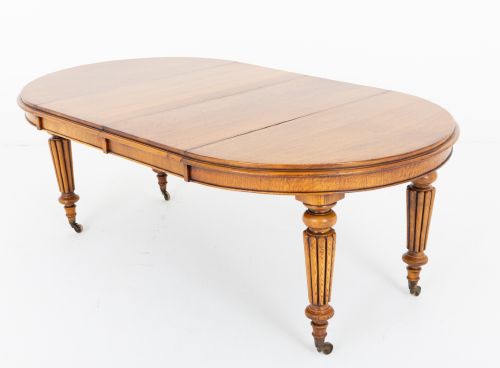
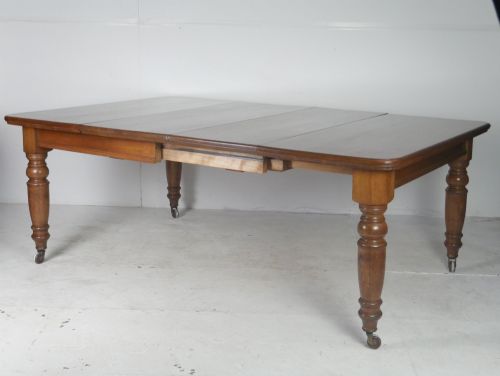
Internal mechanisms utilised brass components and iron screw threads to ensure smooth operation when widening the timber framework. Castors fitted to table legs allowed heavy dining furniture to be repositioned and expanded across floor surfaces without damaging joints.
Antique Expandable Table Retail Price Guide 2026
Typical asking prices for expandable table among the pieces listed under this phrase on Sellingantiques today, from the lower quarter to the upper quarter. They describe what is for sale here now, not the wider market.
Mahogany is the predominant wood across these listings, spanning Georgian, Regency, and Victorian periods alongside oak and walnut examples.
Evaluating craftsmanship and proportion
Superior examples demonstrate seamless grain matching across additional leaves, ensuring the surface appears unified whether fully closed or extended. The precision of the internal winding mechanism dictates how evenly the sections part and lock together under weight.
Carved detailing on table legs, such as claw and ball motifs or reeded Regency styling, indicates the level of artisan investment in the piece. Robust timber selection prevents sagging across extended lengths, maintaining structural integrity over centuries of use.
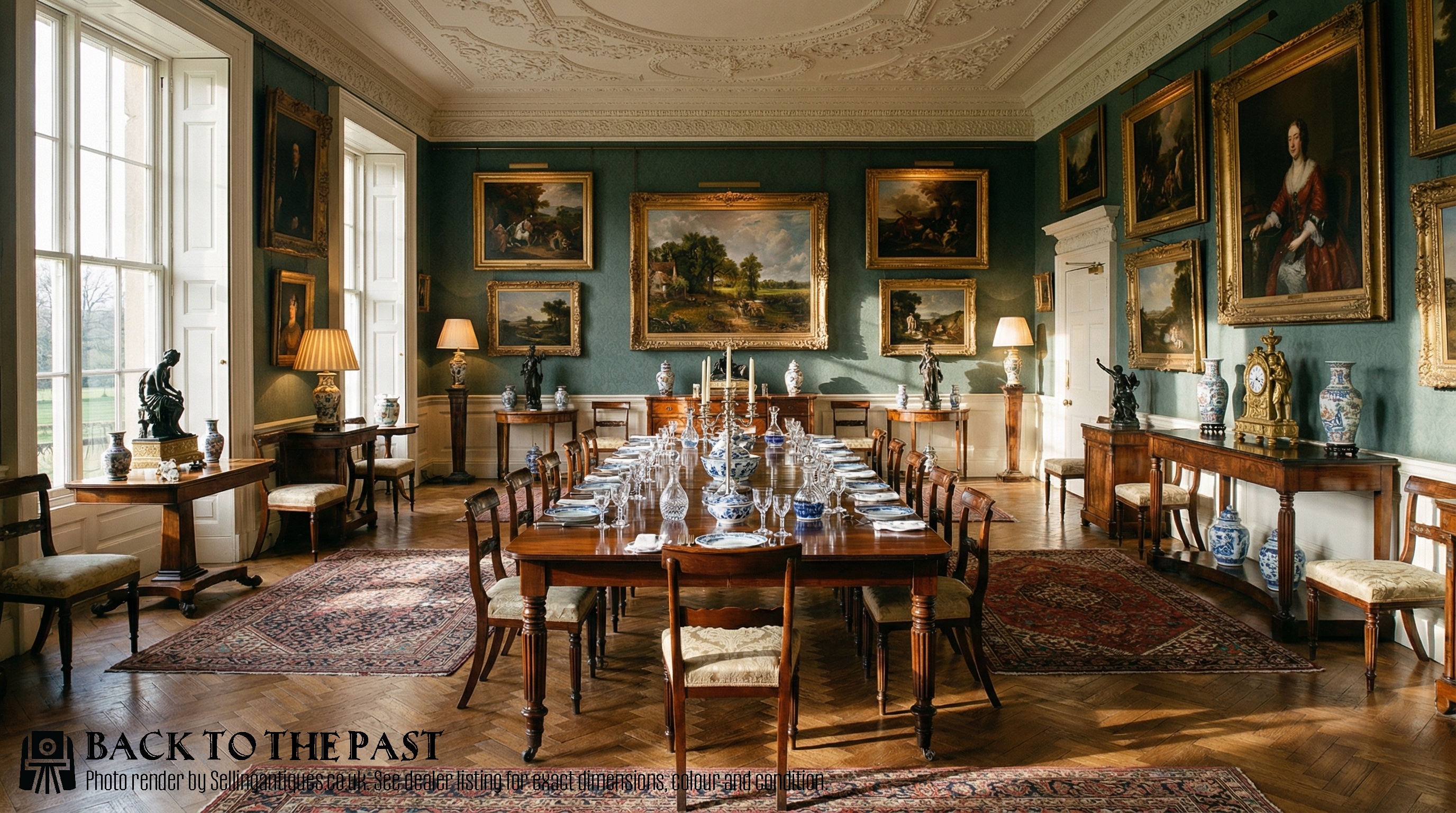
Gillows·Christofle
The Antique Expandable Table Glossary
- Wind-out mechanism
- A mechanical system operated by a detachable handle that turns a central screw thread to expand the table frame. This innovation allowed a single person to widen the table apart for insertion leaves.
- Drop-leaf table
- A table featuring hinged side flaps that fold down when not in use to save floor space. Supported by swinging wooden gates or brackets, these provide versatile surface area in compact rooms.
- Draw-leaf table
- A form containing hidden leaves stored beneath the main top that pull out from each end to extend the surface. The main surface rises slightly as the leaves slide into position.
- Old Sheffield plate
- A composite material formed by fusing a thin sheet of silver to a thicker copper base before rolling into sheets. This technique preceded modern electroplating and appears on metal accessories from the Georgian era.
- Castors
- Small wheel assemblies fitted to the bottom of table legs to ease movement. Brass socket castors are typical on nineteenth-century dining furniture.
Antique Expandable Table: Frequently Asked Questions
How do I operate a wind-out dining table?
Insert the crank handle into the socket beneath the table rim and turn clockwise to separate the two halves of the top. Once the gap is wide enough, drop the matching extension leaves into the centre.
Continue turning the handle in the reverse direction until the leaves lock tightly between the main sections. Ensure the mechanism is clean and lightly lubricated to prevent binding during operation.
Where should I place an antique expandable table?
Position the table in a dining room or large kitchen with adequate surrounding space to pull out chairs and insert leaves. Avoid placing timber furniture directly in front of heat sources or in strong direct sunlight.
Maintaining stable room humidity prevents the solid mahogany or oak timbers from drying out and splitting over time. Using protective pads underneath hot dishes preserves the polished surface finish.
How do I distinguish between Regency and Victorian tables?
Regency tables, often associated with makers like Gillows, typically display restrained classical proportions, reeded legs, and dark mahogany grains dating from the early nineteenth century. Victorian pieces from the 1850s onward frequently incorporate heavier proportions and elaborate carvings such as claw and ball feet.
Examine the secondary woods used underneath and the style of the brass castor fixings for further clues regarding the manufacturing era. Construction techniques shifted over the decades from hand-cut joinery toward early industrial standardisation.