


Antique European Wall Art
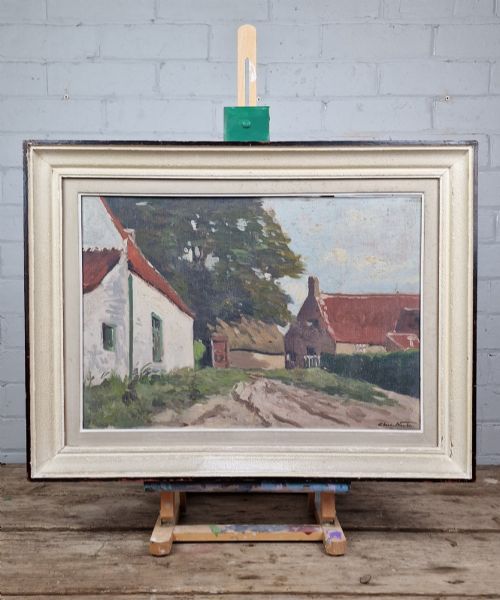
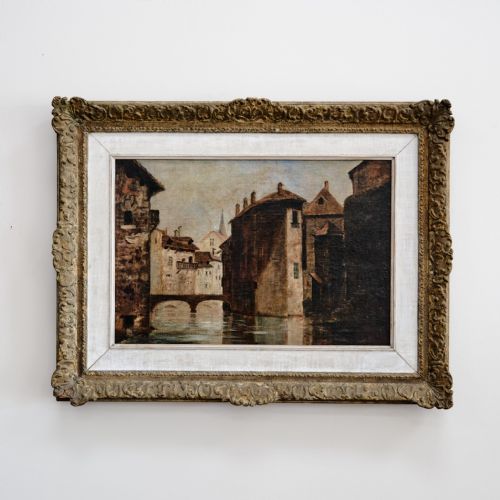
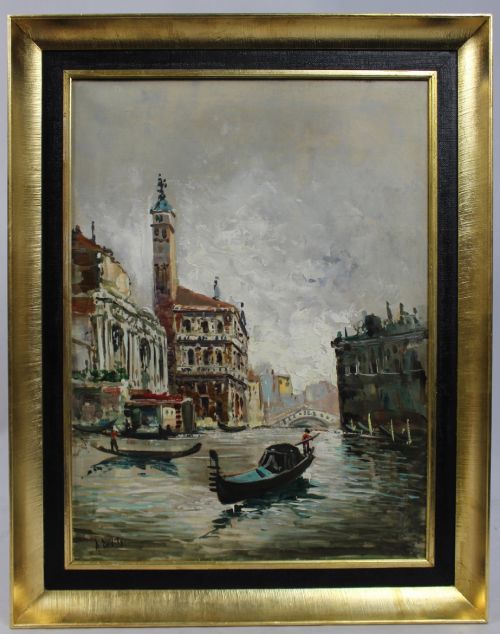
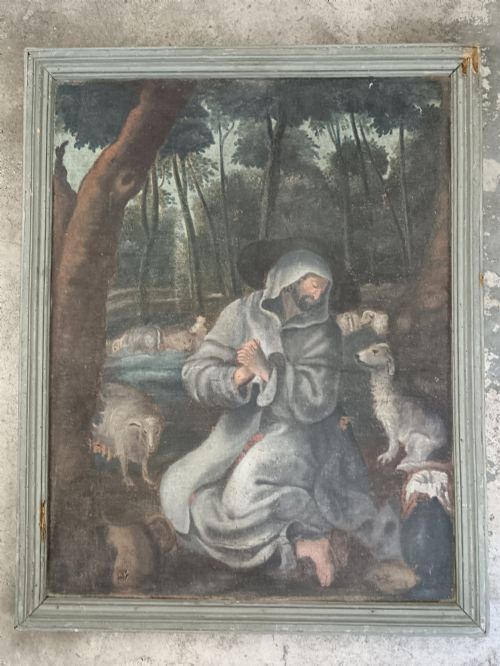
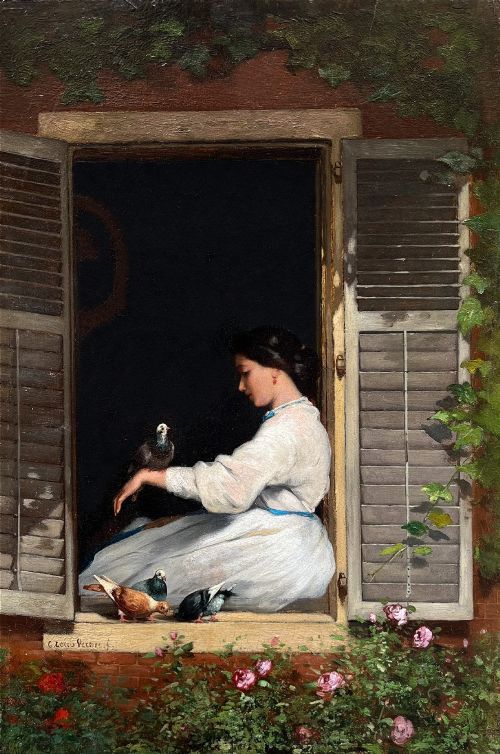
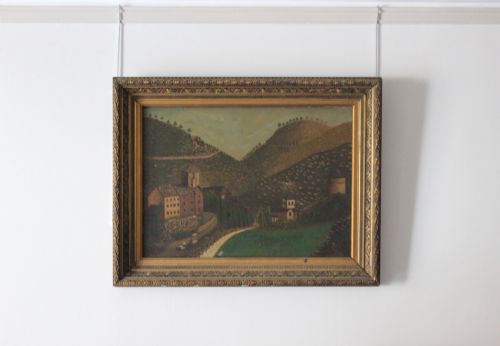
Antique european wall art spans centuries of painted canvases, wood panels, tapestries, and porcelain plaques originating across the continent.
Antique European Wall Art
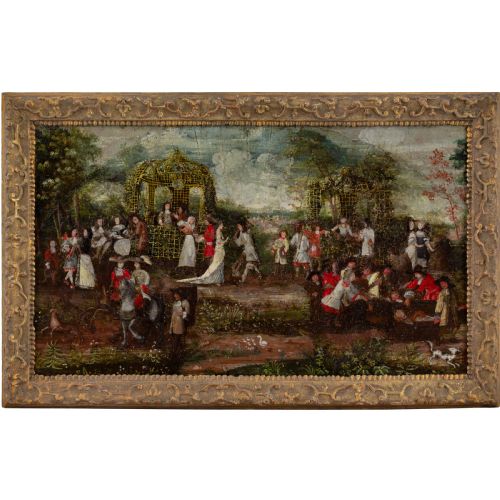
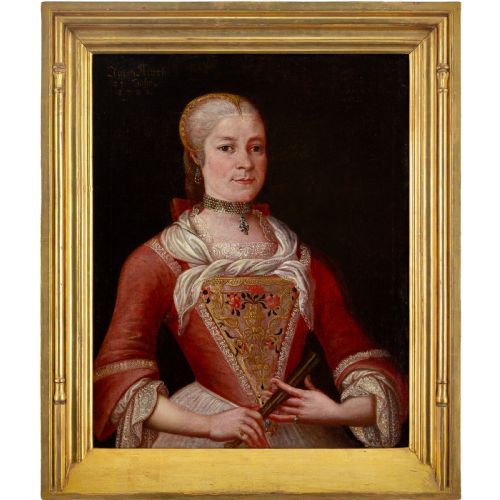
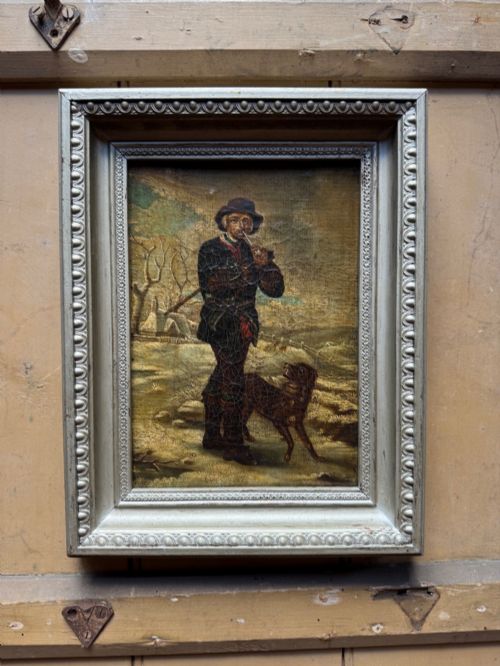
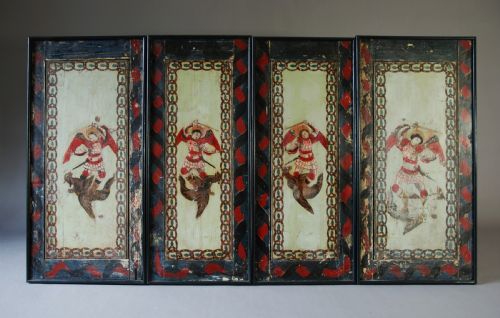
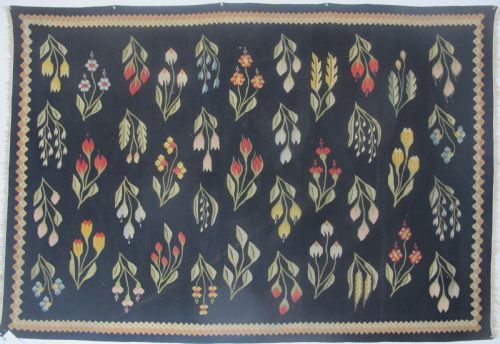
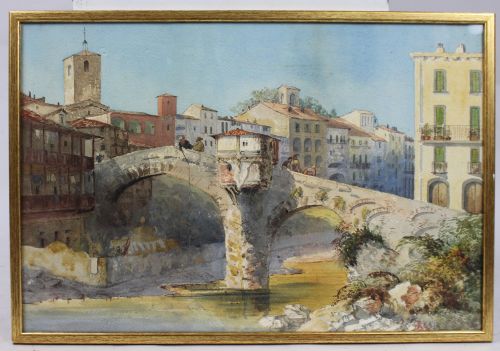
Buyers encounter numerous regional schools, including Flemish, Dutch, Italian, and German works, alongside textile pieces like French and Romanian tapestries. Portraiture, pastoral scenes, and religious subjects dominate the available forms from the seventeenth to the twentieth centuries.
How they were made
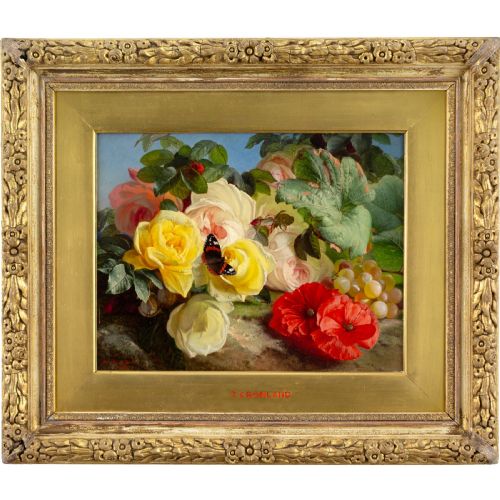
Makers utilised traditional mediums such as oil paint applied to prepared canvases, wooden panels, or copper plates, often enhanced by gesso preparation. Tapestries and needlework pieces involved woven threads of wool and silk to form large pictorial scenes.
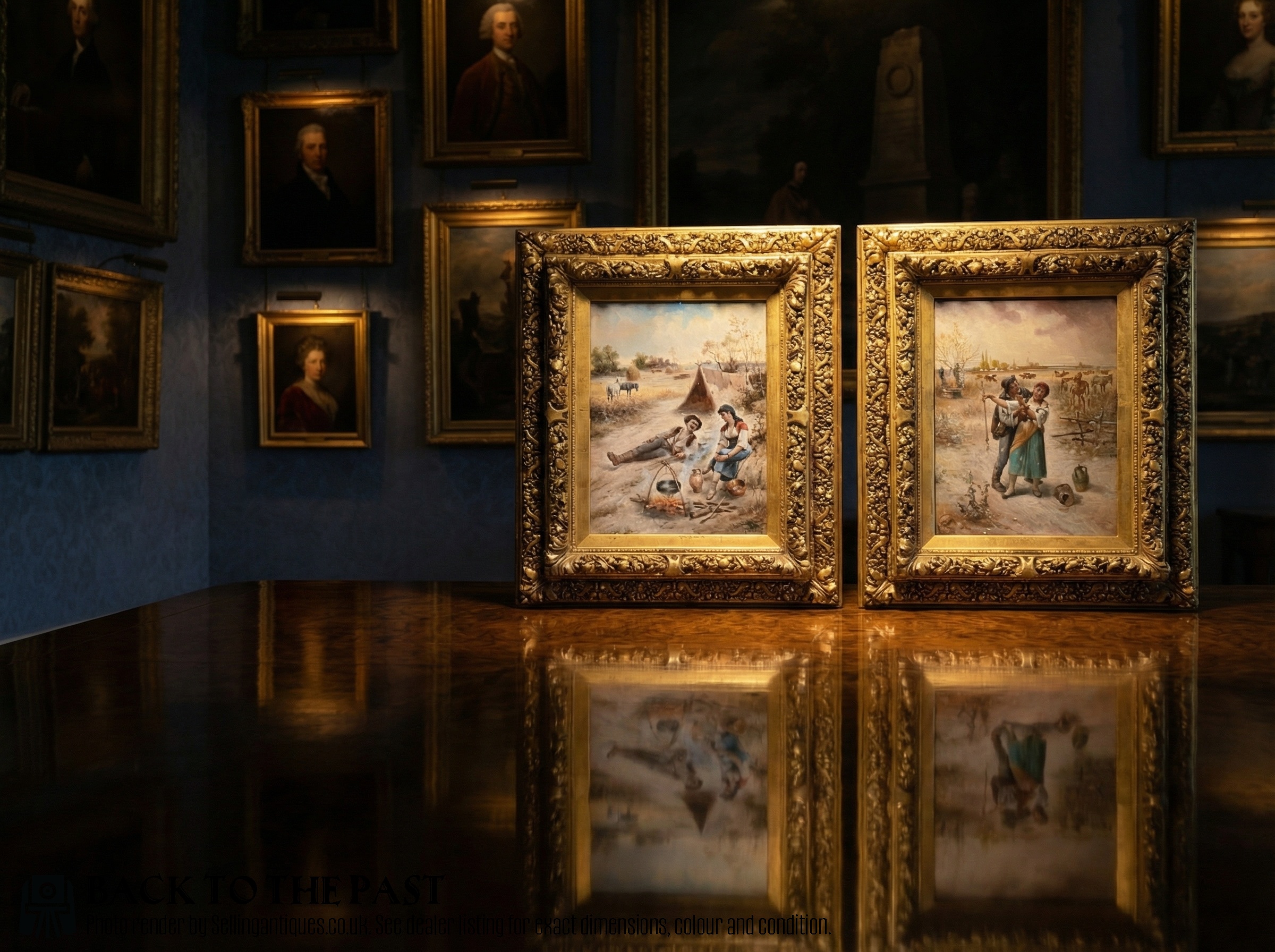
Frames frequently incorporate carved and gilded wood, known as giltwood, constructed to complement the proportions of the artwork. Hand-painted porcelain plaques demonstrate meticulous pigment application fired onto ceramic bases.
Listings include seventeenth-century Flemish school works, eighteenth-century portraits, and nineteenth-century Italianate watercolours.
What varies in quality
The sophistication of brushwork and anatomical handling distinguishes accomplished academic or regional school painting from naive or primitive execution. Depth of composition, light manipulation, and the expressive capture of portrait subjects reflect the skill of the individual artist.
Materials dictate another tier of distinction, seen in the fineness of the weave in tapestries and the preservation of original giltwood frames. Works exhibiting visible pentimenti or documented signatures by recognised continental masters carry distinct historical weight.
Theude Grönland·Charles Houben·Louis Charles Verwee·Albert Rieger·Paul-Élie Gernez·Victor Simonin·Frans Gailliard·Jules Rambo·Frederick Tully Lott·Hendricus Joseph Dillens
The Antique European Wall Art Glossary
- Pentimento
- An alteration in a painting, evidenced by previous strokes showing through the upper layer. This occurrence reveals the artist changing their composition during the creative process.
- Verdure tapestry
- A woven textile wall hanging featuring a predominant landscape design with foliage, trees, and often animals. These pieces originated primarily in Flemish and French workshops.
- Giltwood
- Wood that has been treated with a thin layer of gold leaf or gold paint. This technique appears extensively on antique picture frames.
- Flemish Baroque
- An artistic style associated with seventeenth-century Flanders characterised by vigorous movement and rich colour. Works from this movement often display dramatic contrast between light and shadow.
Antique European Wall Art: Frequently Asked Questions
What periods do these pieces cover?
The available works span from the early seventeenth century through to the mid-twentieth century, encompassing periods like the Dutch Golden Age and nineteenth-century realism.
Earlier items often feature regional European schools, while later pieces reflect impressionist and post-impressionist movements.
How do I identify a regional school?
Regional attributions are typically determined by stylistic conventions, subject matter, and historical documentation associated with the artist or workshop. Flemish and Dutch works frequently showcase distinct portraiture and landscape traditions.
Labels or signatures on the reverse of canvases and panels also point toward specific European origins.
Where were tapestries displayed historically?
Large woven tapestries hung in civic buildings, churches, and aristocratic residences to insulate stone walls and display wealth. Verdure designs brought natural foliage motifs into interior spaces.
Smaller needlework panels served similar decorative and functional insulation purposes in period rooms.
How should I care for antique oil paintings?
Protect painted canvases and wood panels from direct sunlight and dramatic fluctuations in temperature and humidity. Maintaining stable environmental conditions prevents the paint layers from cracking or warping.
Dust surfaces gently with a soft, dry brush without applying moisture or chemical cleaners.