


Antique Equine Figurine
An antique equine figurine captures the power and grace of the horse in bronze, terracotta, and hardwood across diverse global traditions.
Antique Equine Figurine
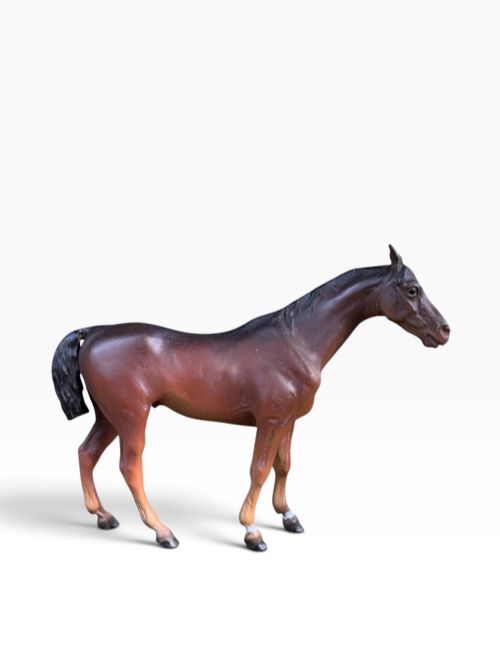
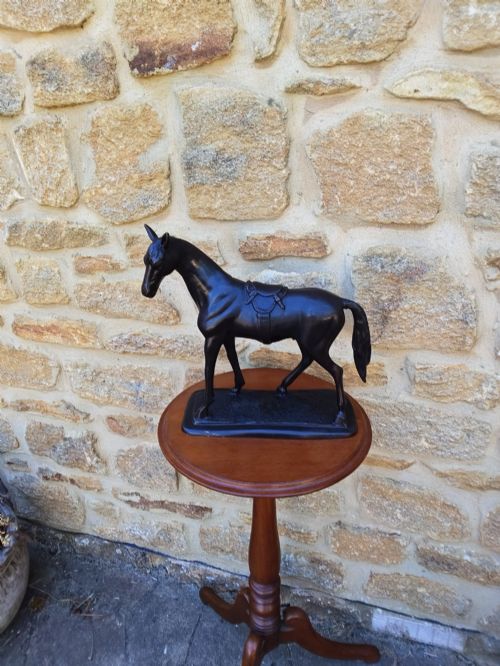
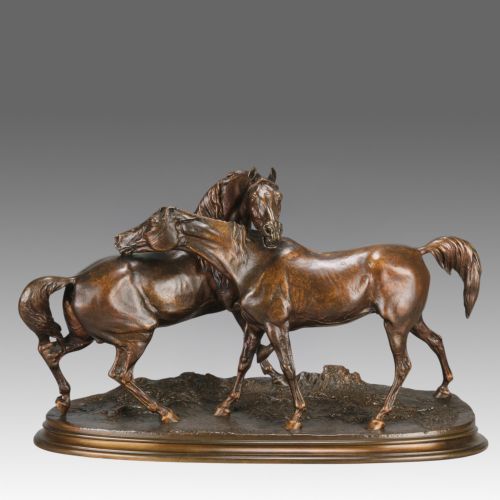
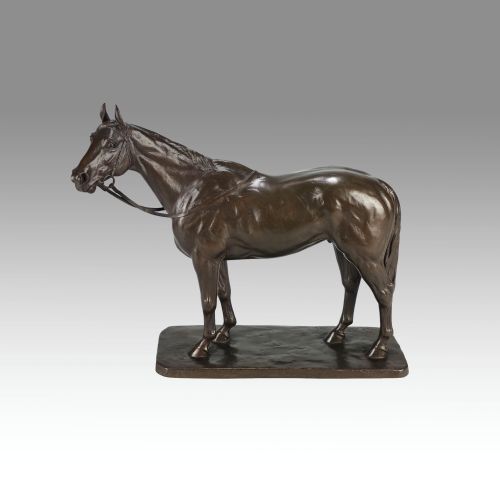
When you search for an antique equine figurine, you encounter a remarkably varied group of sculptures, statues, and doorstops spanning multiple centuries and continents. The most common examples on this page are European bronze and brass casts, alongside glazed pottery interpretations and carved wooden studies. These objects range from heavy Victorian doorstops to detailed French animalier bronzes and miniature Viennese cold-painted pieces.
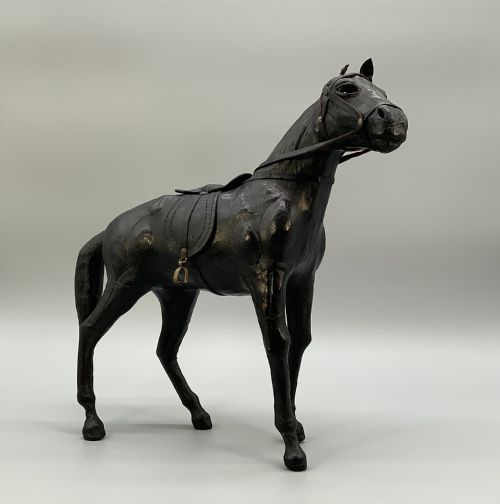
The selection extends from late nineteenth-century Western foundry work to early twentieth-century Japanese bronzes and historic Chinese pottery styles. You will find rearing stallions, working draught horses, saddled mounts, and depictions of horses with riders. Each piece reflects the specific aesthetic of its origin, whether that is the naturalistic tension of European animalier sculpture or the stylised curves of the Art Deco period.
Materials and methods of construction
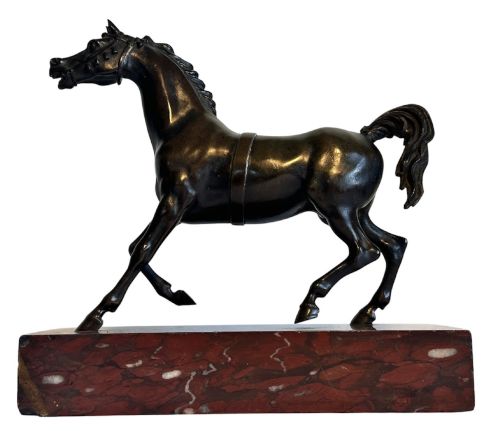
Foundry-cast bronze and brass dominate the material record, frequently finished with patination, cold-painted polychrome details, or silvering. Sculptors utilised the lost-wax method or traditional sand-casting techniques to capture muscle definition and movement in molten metal. Marble often serves as a heavy foundational base for these metal sculptures, adding stability and visual weight.
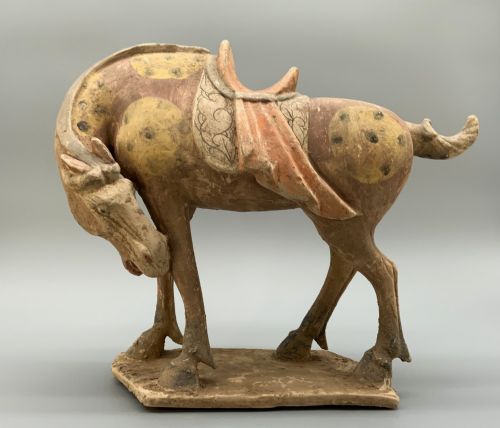
Ceramic and pottery works rely on clay bodies shaped by hand or moulded before receiving mineral pigments or coloured glazes, such as the characteristic Sancai finish. Carved pieces utilise dense hardwoods, shaped with hand tools to accentuate the natural grain across models of draught and pack horses.
The listings here span eight distinct periods, reaching from pre-sixteenth century pottery to Art Deco and 1930s works.
Assessing craftsmanship and execution
In painted and glazed items, the stability and nuance of the surface finish distinguish the work. Finely applied cold paint retains its original tones with minimal flaking, while expert ceramic glazing shows controlled run and rich colour saturation. The structural integrity of the base, whether veined marble or solid timber, further signals the care taken during assembly.
P J Mêne·Kunio Itô·Franz Bergman·Pierre Jules
The Antique Equine Figurine Glossary
- Animalier
- A nineteenth-century artistic movement dedicated to the realistic depiction of animals, particularly predators and horses. Practitioners focused on capturing authentic anatomical tension and movement.
- Cold-painted bronze
- A technique where bronze sculptures are painted with oil-based paints without the application of heat. This method allowed for vibrant polychrome finishes on small bronzes, notably from Vienna.
- Sancai
- A traditional Chinese three-colour glaze technique used on pottery, most famously during the Tang Dynasty. It typically combines amber, green, and creamy white or straw tones.
- Marly horse
- A monumental sculptural type depicting rearing horses restrained by handlers, originally created by Guillaume Coustou for the Château de Marly. Scaled-down bronze and cast metal reproductions became popular in the Victorian era.
- Doorstop
- A functional heavy object designed to keep doors open. In equine forms, these are typically cast in solid brass or iron with flat bases for stability.
Antique Equine Figurine: Frequently Asked Questions
What is an animalier bronze?
An animalier bronze is a nineteenth-century sculpture focused specifically on realistic animal forms. These works celebrate the natural anatomy and dynamic movement of subjects like horses in motion.
Fonderies produced these pieces across Europe, with French and Austrian workshops leading the movement. They remain prized for their lifelike poses and detailed surface patination.
What is a Marly horse?
A Marly horse is a reproduction of the famous French monumental sculptures depicting rearing horses and their handlers. Victorian and later foundries scaled down these iconic monuments into decorative bronze figures.
These pieces are easily recognised by the dramatic rearing posture of the horse alongside a classical attendant figure. They were widely cast in bronze and bronze-toned metals as library and mantel ornaments.
How do I distinguish pottery styles?
Pottery horses range from ancient Tang Dynasty earthenware with mineral pigment or Sancai glazes to later twentieth-century studio interpretations. Examining the clay body, weight, and glaze crackle helps indicate the likely period of production.
Earlier works show distinct signs of burial and firing characteristics unique to historic Chinese kilns. Later revival pieces employ similar stylistic vocabulary but lack the historic wear and material composition of antiquity.