
Antique Equestrian Portrait
An antique equestrian portrait captures the dignity of a prized horse and rider, rendered in oil, pastel, or print across centuries of sporting tradition.
Antique Equestrian Portrait
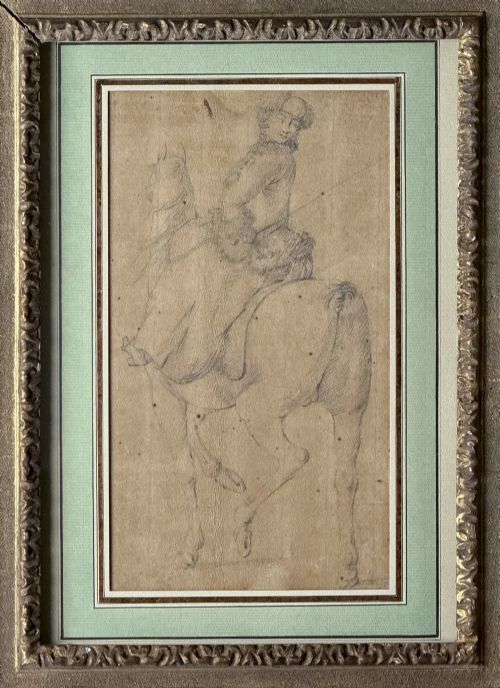
An antique equestrian portrait brings together horse and sometimes rider, recorded with an eye for anatomy and individual character.
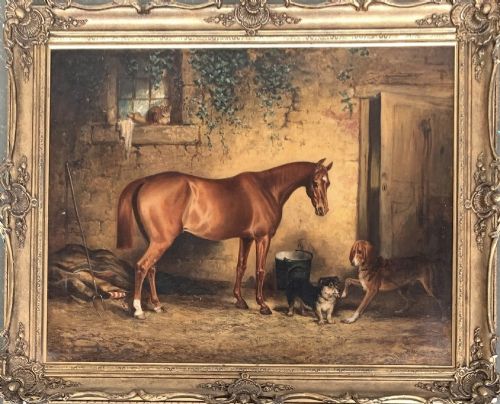
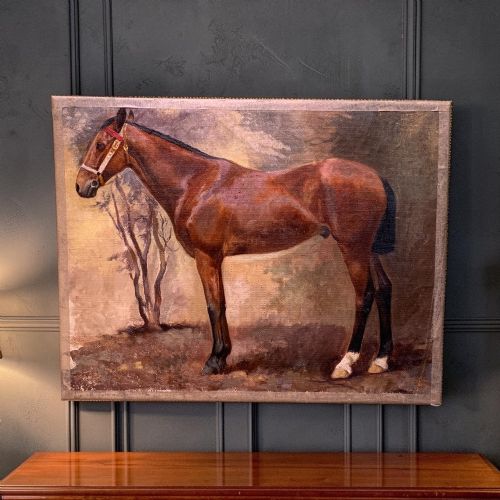
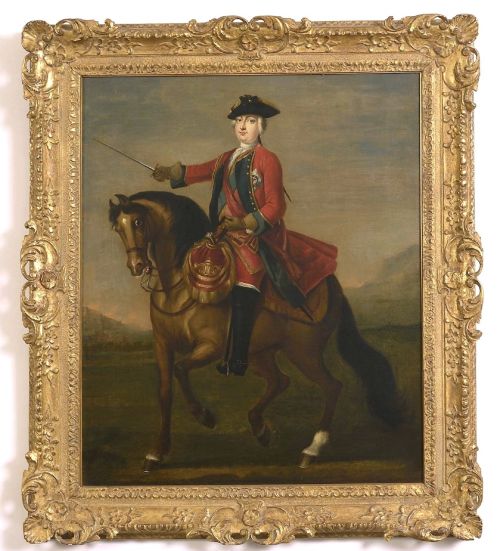
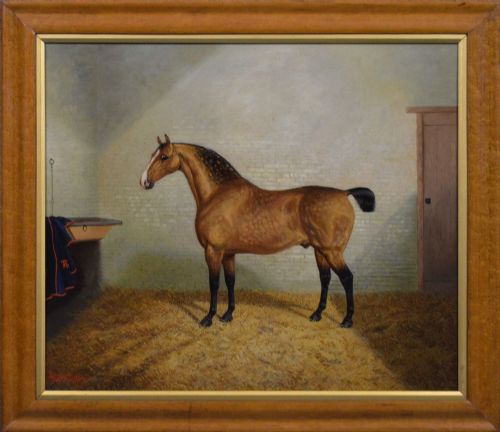
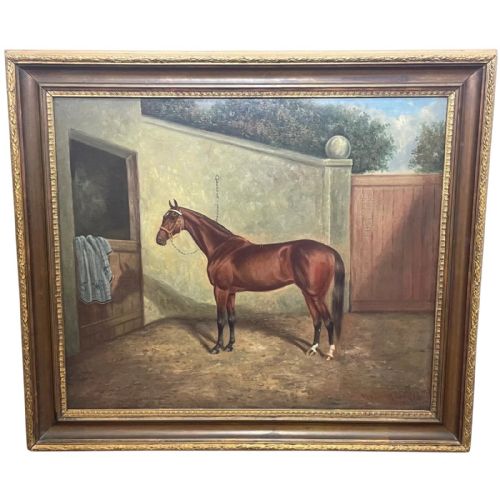
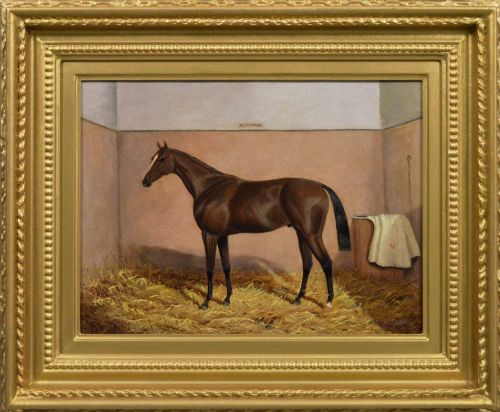
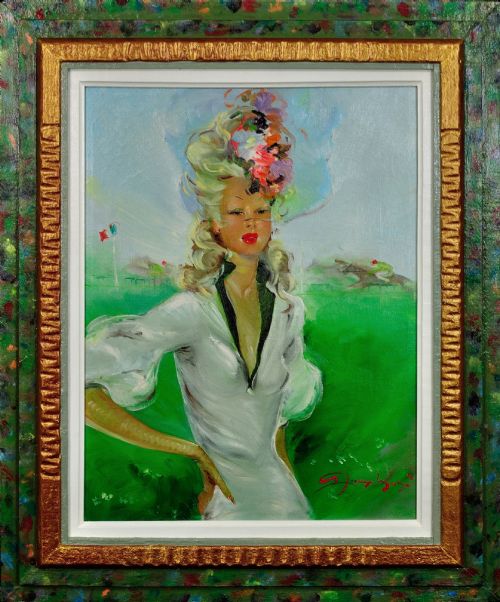
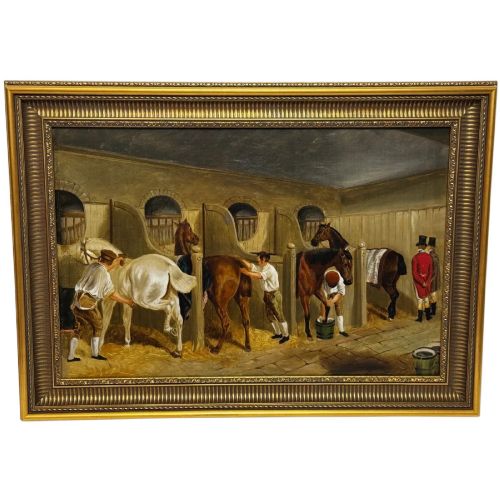
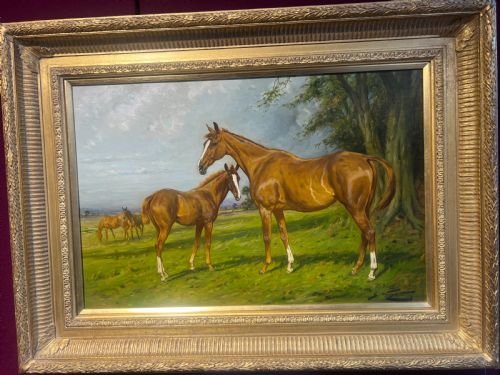
The versions most common on this page are nineteenth-century and Victorian oil paintings on canvas, often framed in giltwood.
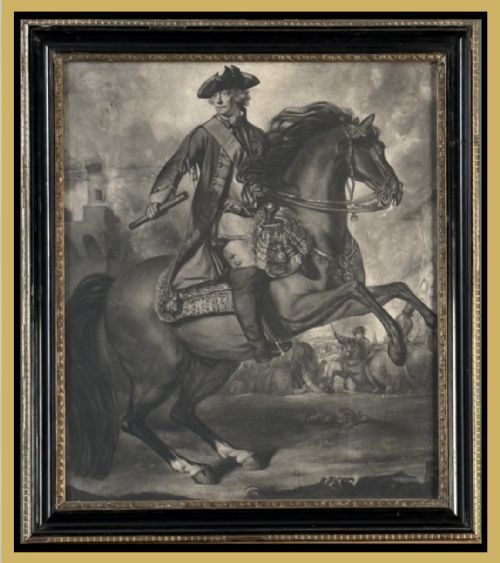
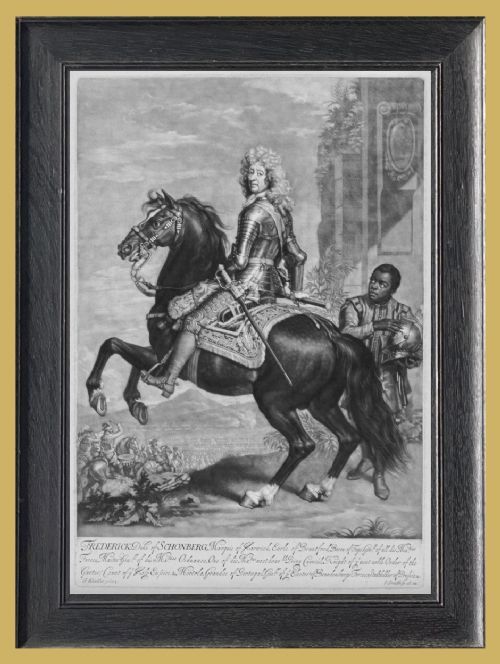
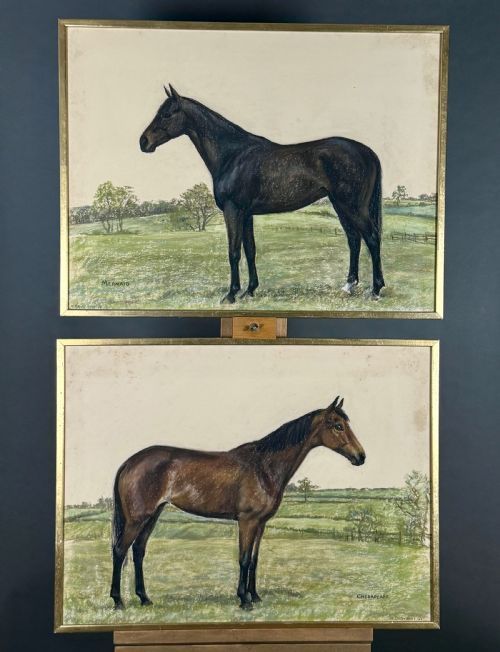
Subjects range from named racehorses and hunters in stable settings to grand military commanders on horseback.
How They Were Made
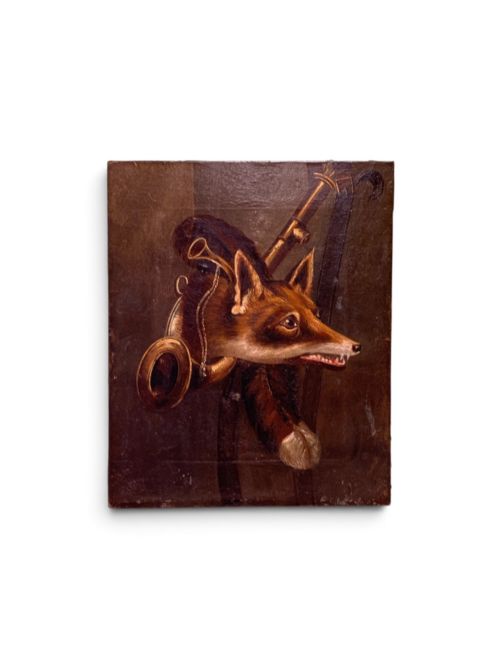
Artists painted in oil on stretched canvas or wood panels, building up rich coats of pigment to render the sheen of horsehair and leather.
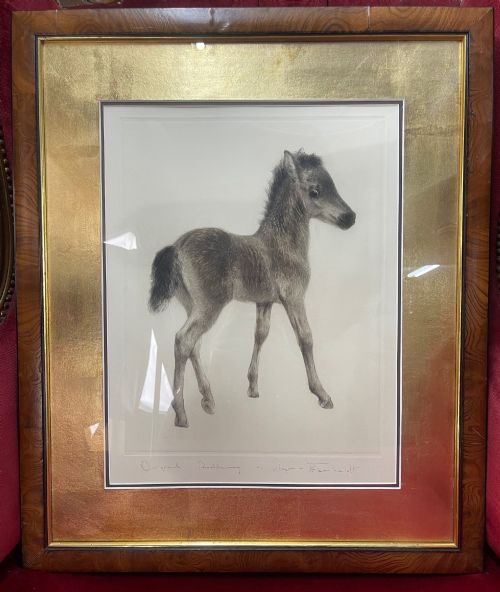
Graphic works utilise techniques like mezzotint engraving and drypoint etching on paper, capturing fine line work and tonal depth.
Frames of giltwood provide the traditional surround, complementing the warmth and dark palettes typical of these works.
Several equine sitters achieved lasting fame on the turf before stepping into the studio to immortalise their victories in oil.
What Varies in Quality
The accuracy of equine anatomy and movement marks out superior hands, as an accomplished painter understands muscle structure and stance.
Brushwork and handling of light separate master works from routine studio pieces, particularly in how the coat and landscape are rendered.
Original condition of the paint surface and the presence of period framing influence the overall standing of an individual canvas.
Henry Barraud·Edward Fisher·Sir Joshua Reynolds·John Smith·Sir Godfrey Kneller·John Wootton·Thomas Hudson·Kurt Meyer-Eberhardt·Albert Clark·George Wright·William Albert Clarke·Fred Fitzpatrick·Ernest Payne·Edward Priestley·C R Breytle·John Alfred Wheeler·Thomas Walker Bretland·F.A. Clark·John Ferneley Senior·Karl Georg Arsenius
The Antique Equestrian Portrait Glossary
- Mezzotint
- A printmaking process where the copper plate is roughened to allow deep shades and subtle tones. It was widely used for reproducing grand portraits.
- Drypoint
- An intaglio printmaking technique where a design is scratched directly onto a metal plate with a sharp needle. This leaves a distinctive velvety burr along the lines.
- Giltwood
- Wood that has been coated with a thin layer of gold leaf. It is commonly found on traditional frames from the Georgian and Victorian periods.
- Provenance
- The documented history of ownership of a work of art. It helps establish authenticity and trace the journey of a painting through time.
Antique Equestrian Portrait: Frequently Asked Questions
How do I identify a Victorian horse painting?
Look for the characteristic rich, dark palettes and detailed depictions of stables, hunting fields, or named racehorses. Canvas stamps and original giltwood frames often offer clues to the period.
Brushwork from this era tends to focus heavily on the musculature and glossy coat of the animal, reflecting the era's passion for sporting art.
Are all equestrian portraits of racehorses?
Many depict famous racehorses and their jockeys, but a significant number show hunters, military officers, or working animals in landscapes. Some capture personal mounts rather than turf champions.
Inscriptions on the canvas or stretcher often record the name of the horse, owner, or event.
What is the difference between an oil painting and a mezzotint?
An oil painting is a unique original work created with pigments suspended in oil on canvas or panel. A mezzotint is an intaglio print produced from a metal plate.
Prints allowed popular painted portraits of commanders and nobles to be replicated and shared widely during the eighteenth and nineteenth centuries.
How should I care for an antique canvas?
Keep paintings away from direct sunlight, high humidity, and rapid temperature changes to prevent the canvas from warping and the paint from cracking. Avoid using modern cleaning products on the painted surface.
Dust gently with a soft, dry brush and consult a professional conservator for any deep cleaning or repairs.