



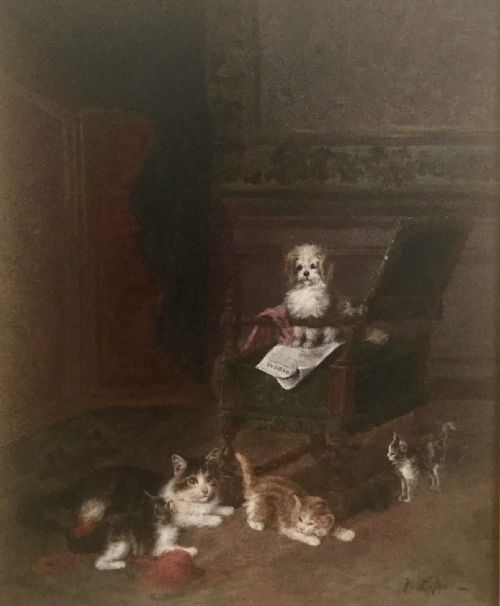


Antique French Portrait Print
An antique french portrait print brings character to a room through historical likenesses and fine framing.
Antique French Portrait Print
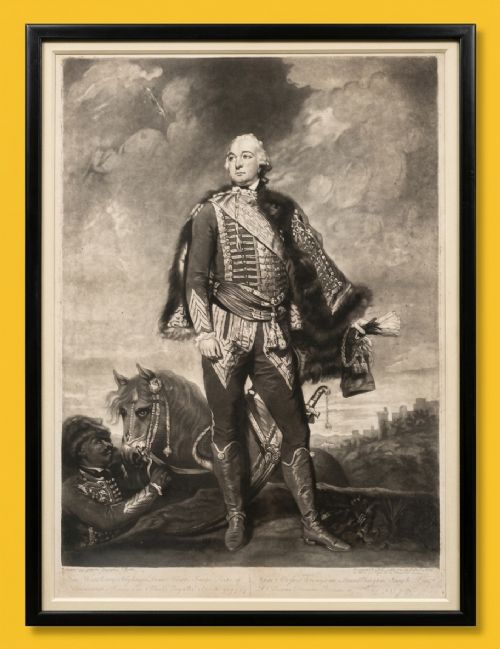
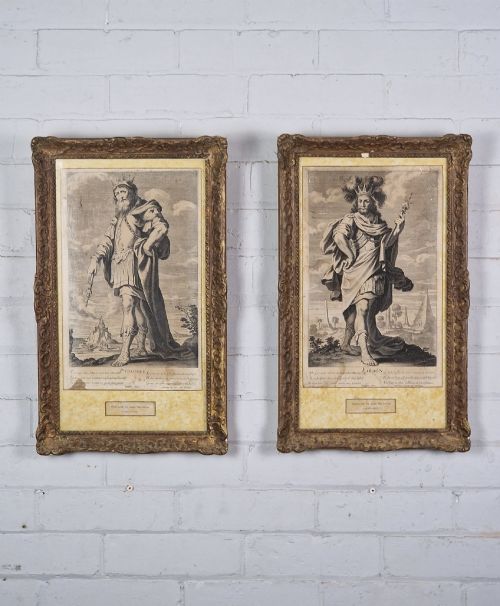
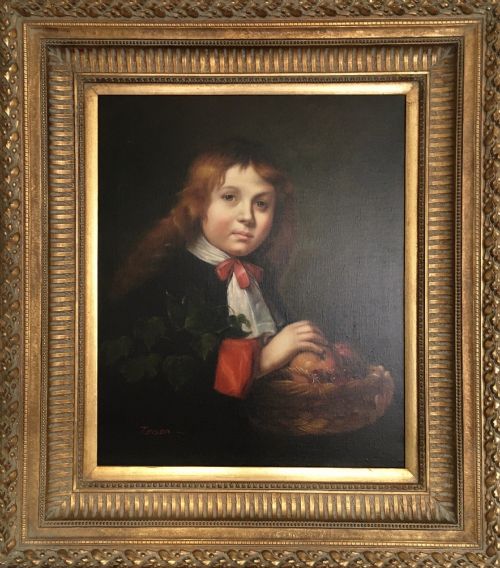
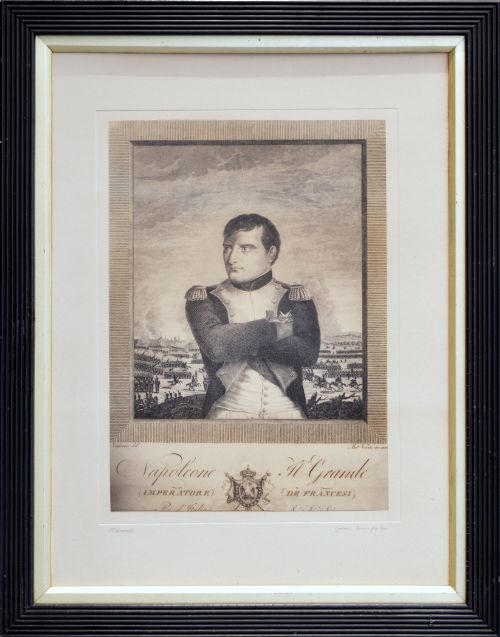
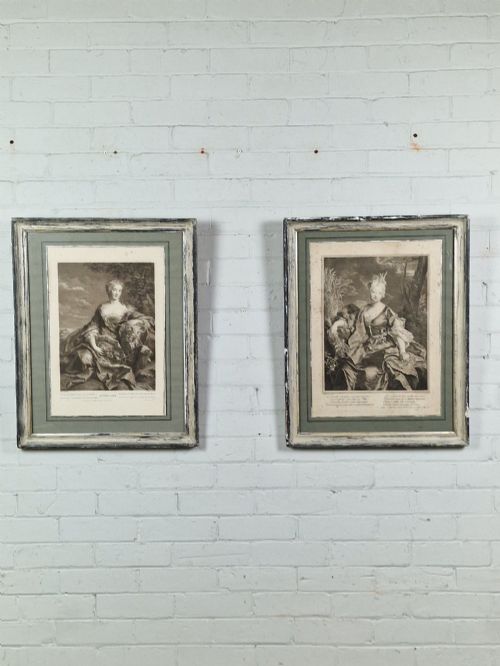
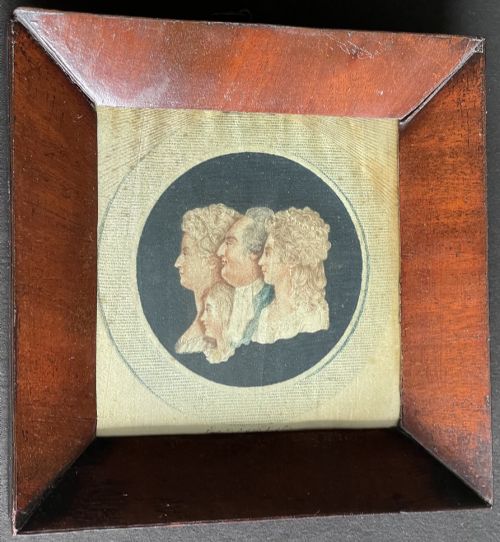
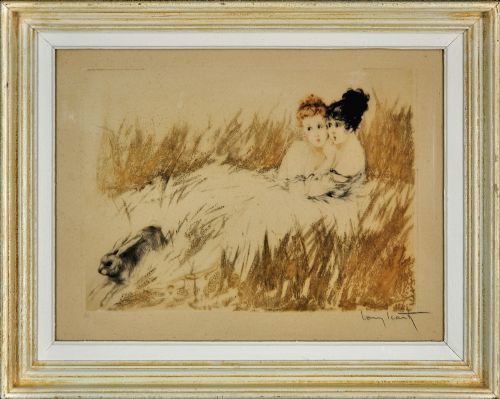
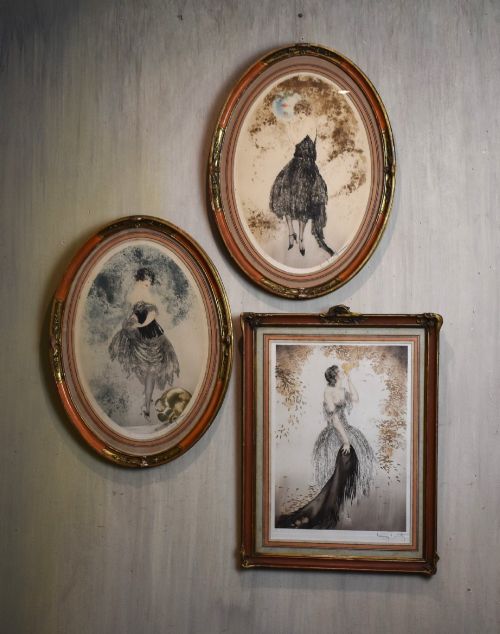
An antique french portrait print encompasses framed works on paper, silk, and canvas that capture historical figures, nobility, and artists' subjects. Buyers looking for an antique french portrait print will encounter items ranging from eighteenth-century engravings to early twentieth-century hand-coloured etchings and lithographs.
Materials and construction
These works utilise traditional printmaking techniques including engraving, lithography, mezzotint, and etching on paper or silk surfaces. Many pieces incorporate manual additions such as hand-applied watercolour tints or handwritten text alongside the printed image.
Framing materials reflect the period of production, featuring wood, giltwood, and gold leaf alongside protective glass coverings. Canvases and oleographs also appear, employing oil paint layers to replicate the depth of original painted portraits.
Antique French Portrait Print Retail Price Guide 2026
Typical asking prices for french portrait print among the pieces listed under this phrase on Sellingantiques today, from the lower quarter to the upper quarter. They describe what is for sale here now, not the wider market.
Object formats range from prints and engravings to oleographs, photographs, and oil paintings housed in decorative frames.
Assessing quality
Quality rests upon the clarity of the printed impression, the precision of any hand-applied colour, and the preservation of the paper or silk ground. Impressions taken early from a plate exhibit sharper detail than those pulled after extensive wear.
The integrity of the original frame, particularly antique giltwood or gold leaf mouldings, significantly influences the overall character and preservation of the artwork.
John Rafael Smith·Jean Mariette·Jean Baptiste Greuze·Louis Icart·Julian Mandel·Élisabeth Louise Vigée Le Brun
The Antique French Portrait Print Glossary
- Engraving
- A printmaking technique where an artist carves an image into a metal plate using a burin. The resulting lines hold ink to produce sharp, detailed impressions on paper.
- Lithograph
- A planographic printing process based on the repulsion of oil and water. An image is drawn on limestone or a metal plate and transferred to paper.
- Mezzotint
- A tonal printmaking method where the printing plate is roughened uniformly to create dark backgrounds, allowing artists to scrape and burnish lighter areas for subtle shading.
- Etching
- A process where acid bites lines into a metal plate protected by a ground, creating recessed channels that hold ink for printing.
- Oleograph
- A mechanical colour lithograph printed on canvas to simulate the appearance and texture of an oil painting, often finished with varnish.
Antique French Portrait Print: Frequently Asked Questions
How do I hang a framed print safely?
Ensure your wall fixings match the weight of the frame and glass, using appropriate hooks or screws secured into wall studs where possible. Hang the artwork at eye level to best appreciate the fine details of the portrait.
Keep the piece away from direct sunlight and damp environments to protect the paper, ink, and giltwood frame from fading and deterioration over time.
How can I tell an engraving from a lithograph?
An engraving leaves a distinct plate mark impression in the paper where the metal plate pressed down during printing, with lines that sit slightly raised under magnification. Lithographs lack plate marks and display a flat surface pattern composed of fine dots or grain.
Examining the ink under a loupe reveals the characteristic sharp edges of intaglio lines compared to the smoother textural transitions of planographic lithographic ink.
What protection does glass offer?
Glass protects delicate paper, silk, and ink surfaces from airborne dust, atmospheric pollutants, and accidental physical contact. It creates a stable microclimate directly over the artwork.
Standard glass offers basic defence, while specialised conservation glazing helps filter harmful ultraviolet light that causes fading in historical pigments and hand-coloured tints.
How do I clean an antique frame?
Gently dust giltwood and wooden frames using a soft, dry brush or a microfibre cloth to remove surface particles without disturbing delicate mouldings. Avoid liquid cleaners or harsh chemicals which can strip gold leaf and antique finishes.
Take care not to let cleaning cloths snag on carved wooden details or chipped areas of gesso and leaf.